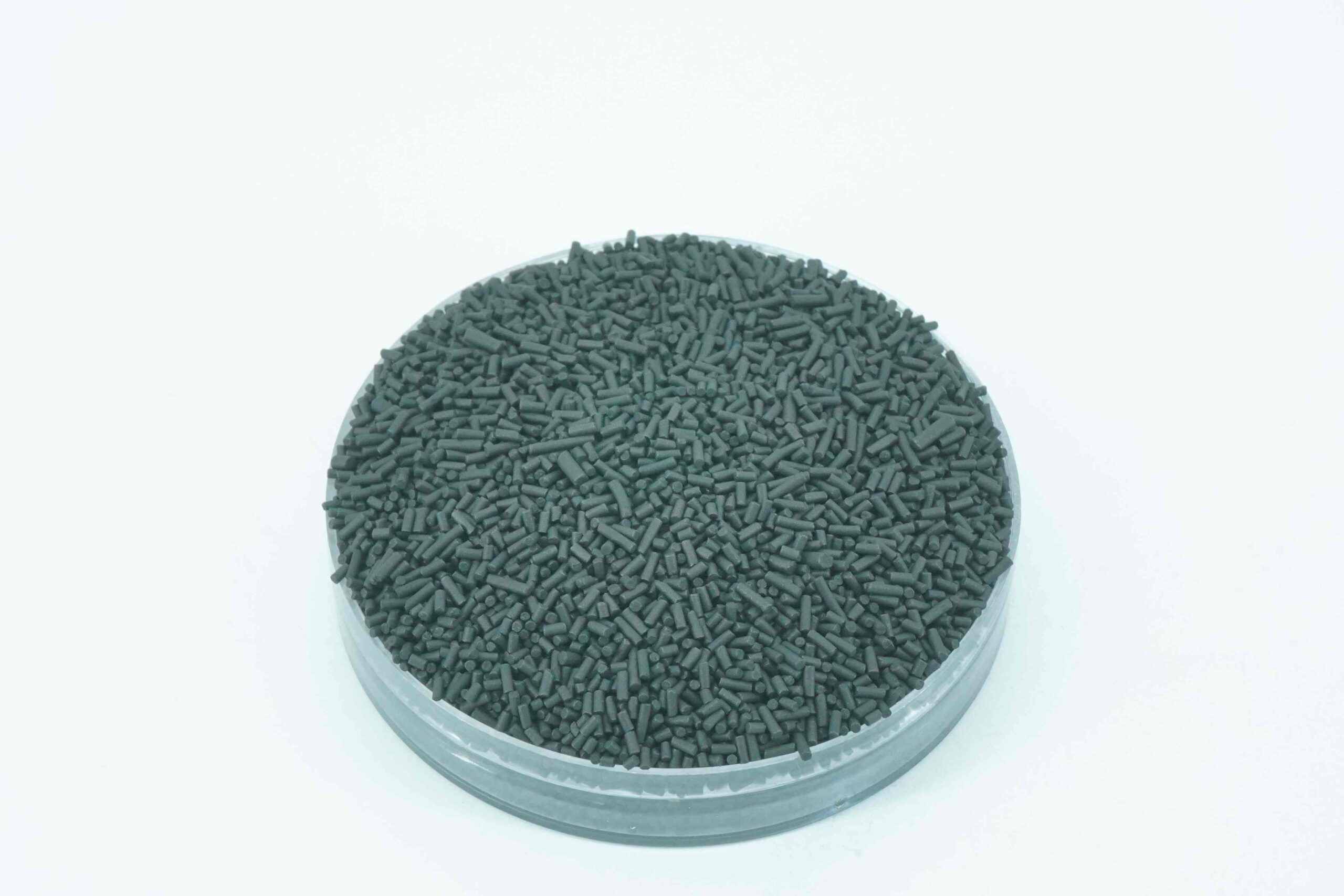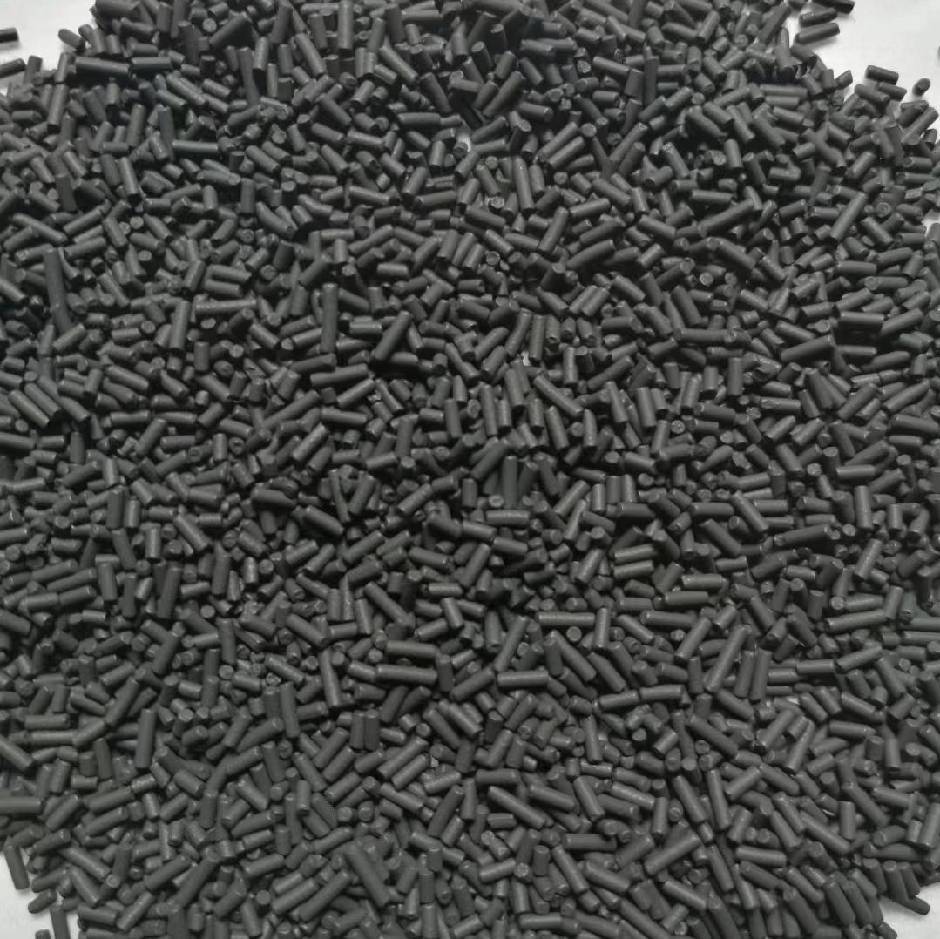
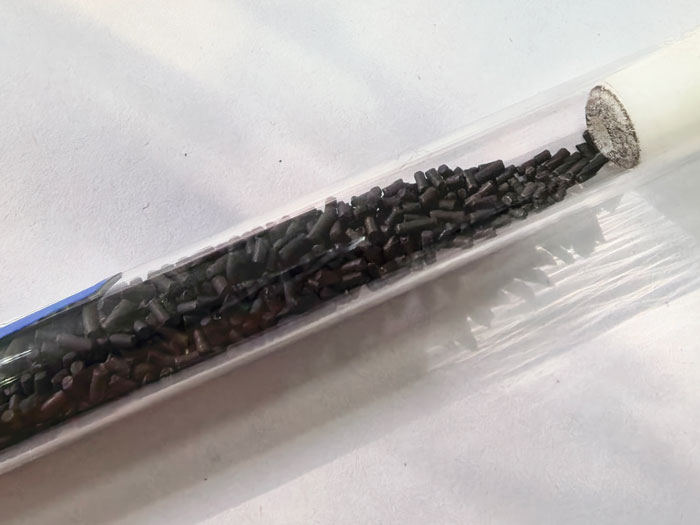
The difference between carbon and activated carbon lies in their structure and applications. Carbon exists in many different forms. Activated carbon, on the other hand, contains tiny pores. These pores help remove harmful substances from other materials. Companies like YUANHAO produce carbon molecular sieves. These molecular sieves are widely used in the following areas:
- Water treatment (expected market share to reach 40.23% by 2026)
- Air purification
- Pharmaceuticals
| Sector | Activated Carbon Use |
|---|---|
| Water Treatment | Takes out chemicals and bad stuff |
| Air Purification | Traps dirty air and bad smells |
| Pharmaceuticals | Helps clean harmful things from the body |
Key Takeaways
- Activated carbon has a larger surface area than regular carbon, making it more suitable for water and air purification with higher filtration efficiency.
- Understanding the difference between activated carbon and activated charcoal is crucial, as it helps you select the right material for specific operations in your factory.
- Activated carbon has a special structure that allows it to adsorb harmful substances, making it highly useful in water purification, air purification, and the pharmaceutical industry.
Difference Between Carbon and Activated Carbon
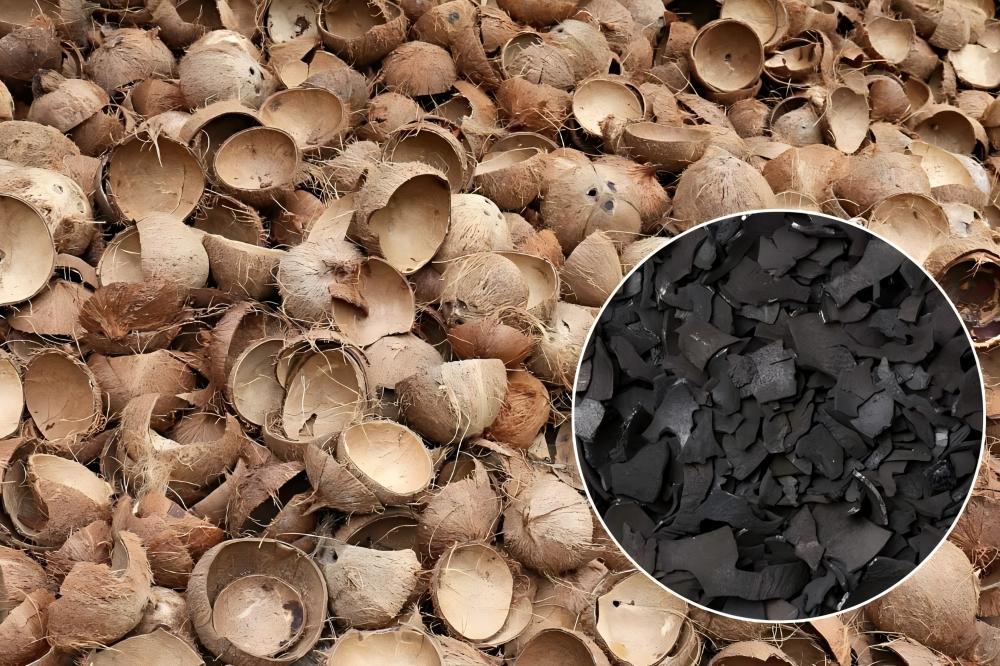
Carbon: Definition and Properties
Carbon is present in many substances and is essential for both living and non-living things. Sources of carbon include nature and factories.
| Source Type | Examples |
|---|---|
| Natural | Bamboo, coconut husk, willow, peat, wood, coir, lignite, coal |
| Synthetic | Petroleum pitch, synthetic polymers |
Carbon has a thick structure with few holes. Its surface area is small, about 2–5 square meters per gram. This means carbon cannot hold many bad substances. Most industries use carbon for fuel or making steel, batteries, and other items. Carbon does not work well for cleaning water or air because it cannot trap many unwanted things.
Activated Carbon: Definition and Properties
Activated carbon is a special type of carbon. Factories produce activated carbon by heating materials such as coconut shells or wood. This process is called activation. Activation creates millions of tiny pores on the carbon surface. These pores give activated carbon a huge surface area, typically exceeding 3000 square meters per gram. Some types of activated carbon can even reach 4800 square meters per gram.
- There are two main methods of activated carbon activation:
- Physical activation: utilizing heat and hot gases.
- Chemical activation: utilizing chemicals and heat.
Activated carbon has many pores on its surface and a low density. Its density is lower than ordinary carbon, ranging from 0.4 to 0.8 grams per cubic centimeter. This gives it excellent adsorption properties. Adsorption refers to the ability of activated carbon to adsorb harmful substances onto its surface. Therefore, activated carbon is more suitable for filtration. It can remove chemicals, odors, and other harmful substances from water and air.
Activated carbon plays an important role in purifying water and air. It also helps in solvent recovery, cleaning up chemical waste, oil spills, and groundwater. For example, in water treatment, activated carbon can adsorb harmful chemicals, making the water safe. In air purification, it can absorb gases and odors, making the air cleaner.
Key Differences at a Glance
Carbon and activated carbon are different in structure, surface area, and use. The table below shows the main differences:
| Property | Activated Carbon | Regular Carbon |
|---|---|---|
| Surface Area | Over 3,000 m²/g | About 2–5 m²/g |
| Structure | Highly porous, many small pores | Dense, less porous |
| Adsorption | Very high | Very low |
| Main Use | Filtration, adsorption, purification | Fuel, material |
| Water Treatment | Yes | No |
| Air Purification | Yes | No |
Activated carbon is unique due to its enormous specific surface area and powerful adsorption capacity. One gram of activated carbon can purify up to 10 milliliters of water per day, a feat that ordinary carbon cannot achieve. Activated carbon also helps protect the environment. Factories can utilize coconut shells to produce activated carbon. Regeneration processes help reduce waste and extend its lifespan.
YUANHAO is a leading manufacturer of carbon molecular sieves. These molecular sieves have extremely small and uniform pore sizes, enabling the separation of gases at the molecular size. This is crucial in pressure swing adsorption (PSA) systems. These molecular sieves are widely used in fields requiring pure nitrogen or pure oxygen, such as metal recovery, energy storage, and medical applications. Wholesalers and large enterprises alike choose Yuanhao’s high-quality carbon products.
Note: Activated carbon is very important for removing bad things in water and air cleaning. Its special structure makes it the best choice for adsorption in many industries.
The difference between carbon and activated carbon changes how they are used. Activated carbon’s big surface area and adsorption make it great for cleaning water and air. Regular carbon cannot do these jobs because its surface area is small.
Difference Between Activated Carbon and Activated Charcoal
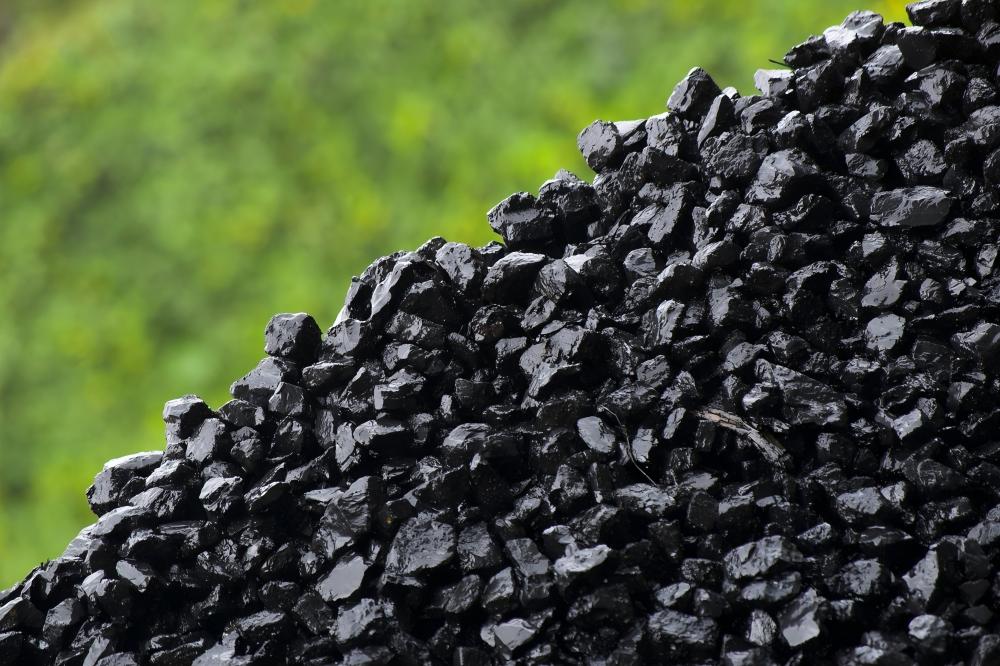
Activated Carbon vs Activated Charcoal: Production
The methods used to produce activated carbon and activated charcoal differ, as do the raw materials and processes employed. Activated carbon is typically derived from coal, either anthracite or bituminous coal. Activated charcoal, on the other hand, is usually made from coconut shells or wood. Factories use heat and steam for physical activation.
| Type | Raw Material | Activation Method | Pore Structure |
|---|---|---|---|
| Coal Activated Carbon | Anthracite, bituminous | Physical activation | Microporous, medium pores |
| Coconut Shell Activated Charcoal | Coconut shells | Physical activation | Mainly microporous |
| Wood Activated Charcoal | Wood | Chemical activation | Mesopores, macropores |
Companies like YUANHAO make carbon molecular sieves for factories. These sieves have a large surface area and even pore sizes. This makes them work well for filtering things.
Uses and Applications
Activated carbon is important for cleaning water and air. It takes out bad chemicals, smells, and gases. Activated charcoal is used in homes and hospitals. Doctors use it to help people who swallow poison. People can also take it as tablets for stomach problems. Factories use activated carbon to meet strict rules for cleaning water, air, food, and medicine.
| Aspect | Activated Carbon | Activated Charcoal |
|---|---|---|
| Common Usage | Industrial applications | Consumer, medical uses |
| Applications | Water treatment, air purification, pharmaceuticals | Basic absorption, emergency medicine |
| Regulation | Strict industry specifications | Varies, less regulated |
Why the Distinction Matters
Understanding the differences between activated carbon and activated charcoal is crucial. Factories must choose the appropriate activated carbon based on their specific needs. Coal-based or coconut shell-based activated carbon performs best for certain applications. Using the wrong type of activated carbon can lead to problems such as machine blockage or product safety hazards. Large purchasers and custom manufacturers trust companies like Yuanhao because they provide high-quality activated carbon products.
Tip: Always choose the right carbon for the job to get the best cleaning results.
Carbon, activated carbon, and activated charcoal differ in properties and therefore in their applications. These materials help purify water and air. Activated carbon is better suited for filtration because it has a larger surface area and can adsorb more harmful substances. This is why many companies use it for cleaning. Yuanhao carbon molecular sieves are selected by many factories for water and air purification.
| Material | Main Use | Surface Area | Adsorption Strength |
|---|---|---|---|
| Carbon | Fuel, steel, batteries | Low | Low |
| Activated Carbon | Water, air purification | High | High |
| Activated Charcoal | Basic filtration, medical | Medium | Medium |
FAQ
What makes activated carbon a better alternative for filtration applications?
Activated carbon has a very large surface area. This helps it catch more bad things. It works well for cleaning water and air. People use it in factories and at home.
How does adsorption help in water treatment and air purification?
Adsorption lets activated carbon grab bad stuff from liquids and gases. This takes out chemicals, smells, and other dirty things. It makes water and air safer to use.
What is the main difference between activated carbon and activated charcoal?
The main difference is how they are made and what they are made from. Both can remove bad things, but their holes and uses are not always the same.