
CMS 220
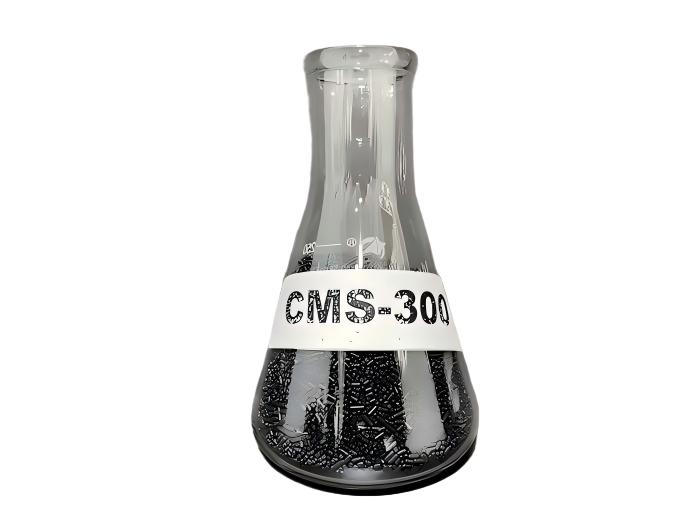
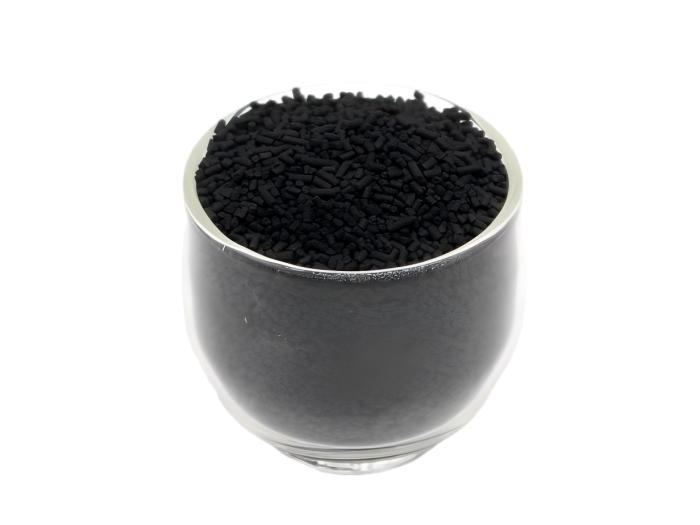
Carbon molecular sieve is a kind of adsorption material with carbon as the main component and highly developed microporous structure, which is widely used in PSA nitrogen production and gas separation.
CMS 220 is a high-performance carbon molecular sieve widely used in Pressure Swing Adsorption (PSA) systems for nitrogen generation. Known for its stable performance and efficiency, it plays a vital role in ensuring reliable gas separation in various industries.
At YUANHAO, we specialize in manufacturing premium CMS products, backed by advanced technology and strict quality control. Our CMS 220 stands out for being high-end, energy-efficient, stable, long-lasting, with high nitrogen output and low air consumption. As a trusted supplier for global manufacturers, we deliver solutions that enhance productivity and long-term reliability.
In this article, we will outline why YUANHAO is your ideal partner, highlight CMS 220 specifications, key advantages, and its main industrial applications.
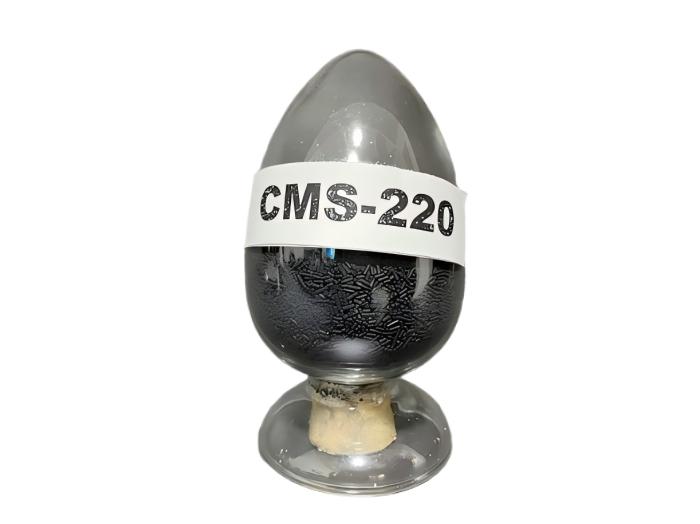
Technical Specifications of CMS 220
To ensure stable nitrogen generation performance, CMS 220 is designed with precise physical and chemical parameters that meet the strict demands of industrial applications. Understanding its technical specifications helps manufacturers evaluate efficiency, durability, and suitability for different PSA systems.
| GUANGDE YUANHAO MOLECULAR SIEVE CO., LTD Technical Parameters | ||||
| Product Technical Specifications The following are standard values, please increase or decrease the margin as needed | ||||
| Model | Adsorption pressure(Mpa) | Nitrogen concentration(%) | Carbon yield(L/h.kg) | Air / nitrogen |
| CMS-220 | 0.8 | 99.99 | 90 | 5.4 |
| 99.9 | 150 | 4 | ||
| 99.5 | 220 | 3.5 | ||
| 99 | 280 | 3 | ||
| 98 | 300 | 2.8 | ||
| Particles diameter(mm) | 1.1-1.5 | Bulk density (g/L) | 660-670 | |
| Adsorption Time(s) | 2*45 | Crushing strength(N/pcs) | ≥70-100N | |
| The optimal nitrogen production effect is achieved when the intake temperature is around 20℃. | ||||
Why Partner with YUANHAO for CMS 220
Choosing the right Carbon Molecular Sieve supplier is critical when it comes to reliable nitrogen generation. With over 15 years of expertise and a strong global reputation, YUANHAO stands out as a trusted partner for CMS 220. Our commitment to innovation, quality, and customer satisfaction ensures long-term value for industrial users.
Proven Expertise in CMS Manufacturing
With more than 15 years of dedicated experience, YUANHAO delivers professional solutions for gas separation. Our long-standing industry presence ensures consistent performance, technical reliability, and tailored support for different nitrogen generation needs.
Advanced Facilities and High Production Capacity
Operating a 6,617㎡ site with 4,500㎡ modern workshops, we utilize advanced production lines to maintain stable quality and strong output. With an annual capacity of 1,600 tons, we guarantee secure and timely supply for large-scale industrial projects worldwide.
Comprehensive Product Portfolio
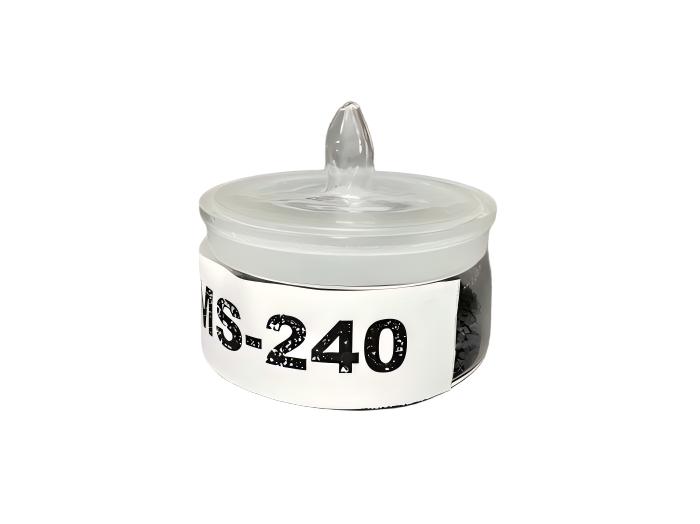
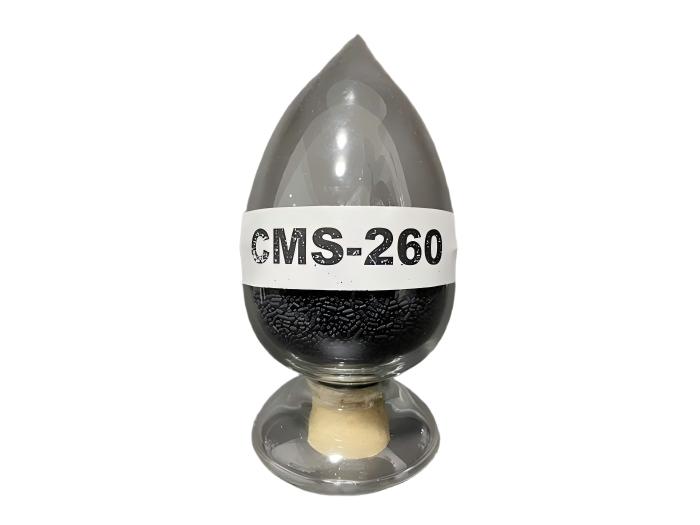
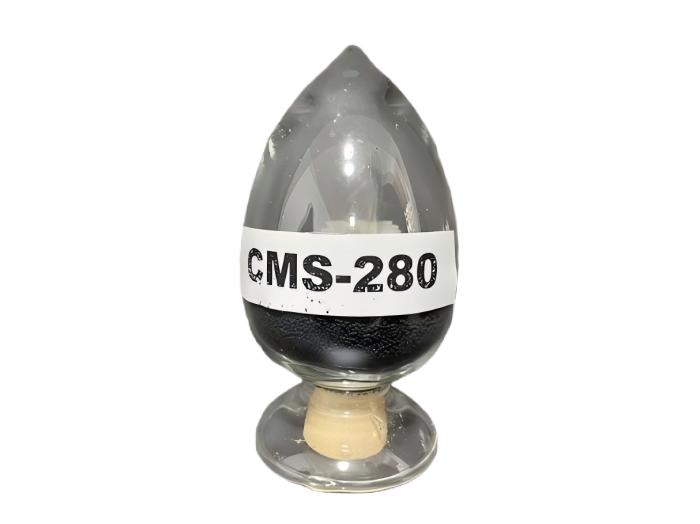
YUANHAO offers a wide range of CMS grades, including CMS 220, 240, 260, 280, 300, and 330. Each model is engineered for different nitrogen purity and flow requirements, ensuring customers find the optimal solution for their specific applications.
Commitment to Quality and Innovation
Certified with ISO 9001, ISO 14001, and ISO 45001, YUANHAO ensures compliance with international standards in quality, safety, and sustainability. Backed by multiple patents, our products are recognized globally for being being high-end, energy-efficient, durable.
Key Advantages of CMS 220
High Nitrogen Yield
Compared with lower grades such as CMS 200, CMS 220 achieves faster adsorption and greater nitrogen output at the same system pressure. Its optimized pore design enables higher purity levels, making it especially suitable for industries requiring consistent high-volume nitrogen supply.
Energy-Saving Performance
While some higher-capacity models like CMS 260 and CMS 280 may consume more air during operation, CMS 220 strikes an excellent balance between purity and efficiency. It is designed to minimize air consumption, helping reduce compressor load and overall energy costs.
Long Service Life
Unlike entry-level sieves that may degrade quickly under continuous use, CMS 220 maintains stable adsorption strength over time. Its longer service life provides manufacturers with fewer replacements and lower maintenance expenses, making it a more cost-effective choice.
Stable and Reliable Operation
Compared with larger-pore models such as CMS 300, which are designed for very high-flow systems, CMS 220 offers superior stability under varying operating pressures. This ensures more consistent nitrogen purity and reliability in mid-to-large scale PSA applications.
Versatile Industrial Application
While other grades like CMS 330 are optimized for niche or extremely high-capacity needs, CMS 220 is widely adaptable across multiple industries. It supports both medium and high-purity nitrogen generation, making it one of the most flexible options in YUANHAO’s CMS series.
Applications of CMS 220
Nitrogen Generation
Food Packaging
Electronics Manufacturing
Metal Heat Treatment
Laser Cutting Gas Supply
Laboratory Gas Systems
CMS 220 Frequently Asked Questions
How Does CMS-220 Work for Moisture Removal?
CMS-220 is not only used for nitrogen generation but also plays an important role in moisture removal. Thanks to its optimized pore size distribution (approximately 3–4 Å), CMS-220 effectively adsorbs water molecules while limiting the passage of larger gas molecules. This selective adsorption makes it highly efficient in drying processes where stable humidity control is essential.
In industrial applications, CMS-220 is often used in compressed air drying, gas purification, and protective packaging systems, helping to prevent moisture-related damage to sensitive materials and equipment. Compared with other grades, CMS-220 provides faster adsorption kinetics and stronger mechanical strength, ensuring both durability and consistent drying performance.
What is CMS220 Carbon Molecular Sieve mainly used for?
CMS220 Carbon Molecular Sieve is mainly used in PSA nitrogen generators for standard and medium-level nitrogen production requirements. It is suitable for applications that require a stable nitrogen supply with reliable performance, including industrial nitrogen systems, protective atmosphere applications, and other processes where consistent nitrogen purity and operating efficiency are required.
What are the main advantages of CMS220 Carbon Molecular Sieve?
CMS220 Carbon Molecular Sieve provides stable oxygen adsorption performance, good mechanical strength, consistent particle size, and reliable regeneration capability. Its balanced adsorption characteristics make it suitable for PSA nitrogen generators that require stable operation, reasonable energy consumption, and long-term performance without frequent replacement of adsorption materials.
What factors affect CMS220 performance during nitrogen production?
The performance of CMS220 can be affected by operating pressure, compressed air quality, moisture content, temperature, PSA cycle settings, and system design. Proper air pretreatment and optimized operating conditions help CMS220 maintain stable adsorption performance and extend its service life in nitrogen generation equipment.