
carbon molecular sieve
- HOME
- carbon molecular sieve
Your Professional Carbon Molecular Sieve manufacturer
Carbon molecular sieves (CMS) are novel non-polar carbon-based adsorbents, appearing as black cylindrical solids with pore sizes typically ranging from 0.28 to 0.38 nanometers. Their micropores exhibit uniform distribution and a slit-like structure. The air separation capability primarily relies on the differential diffusion rates of oxygen and nitrogen molecules within these micropores: Oxygen molecules, being smaller in diameter, diffuse faster and are preferentially adsorbed, while nitrogen molecules, being larger, struggle to enter micropores within limited contact time, resulting in their enrichment.
At YUANHAO, we specialize in producing high-quality CMS with over 15 years of manufacturing experience. Our carbon molecular sieves are widely used around the world and trusted by major air separation companies.
Physical Properties
- Diameter of the CMS granule: 1.0–1.8mm
- Bulk density: 650-690g/L
- Moisture content: ≤0.8%
- Period of adsorption: 40-50s
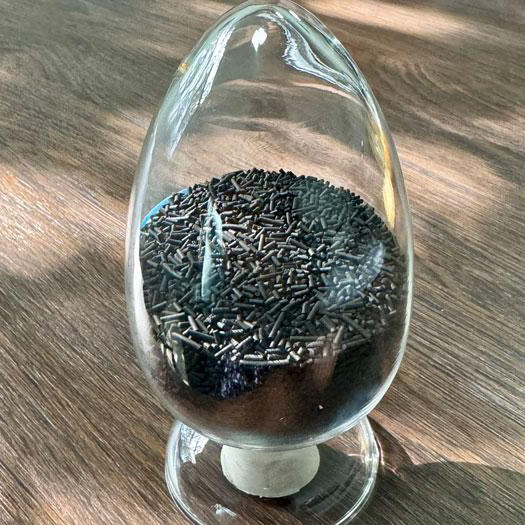
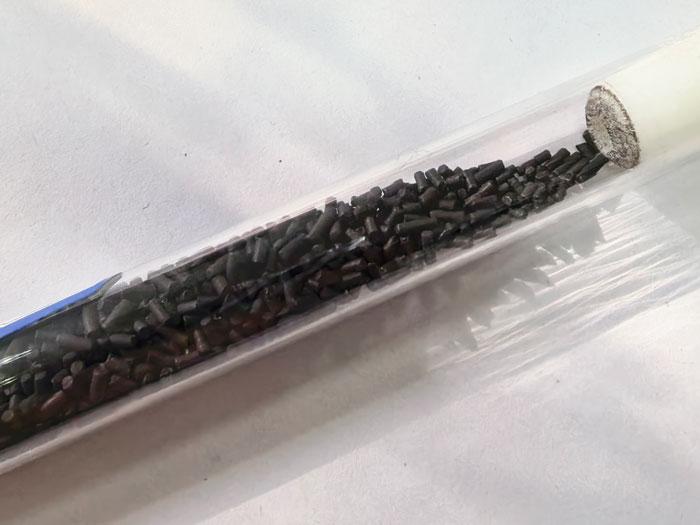
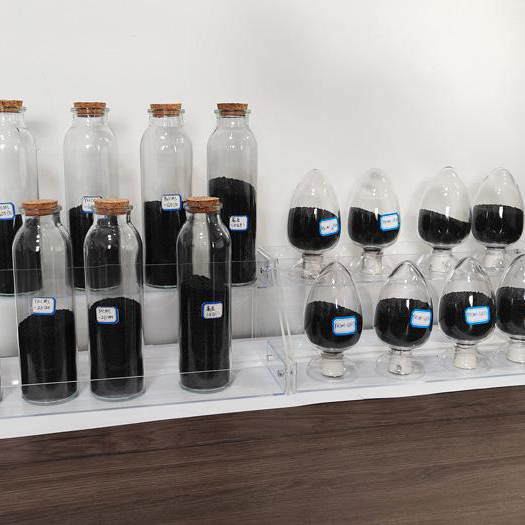
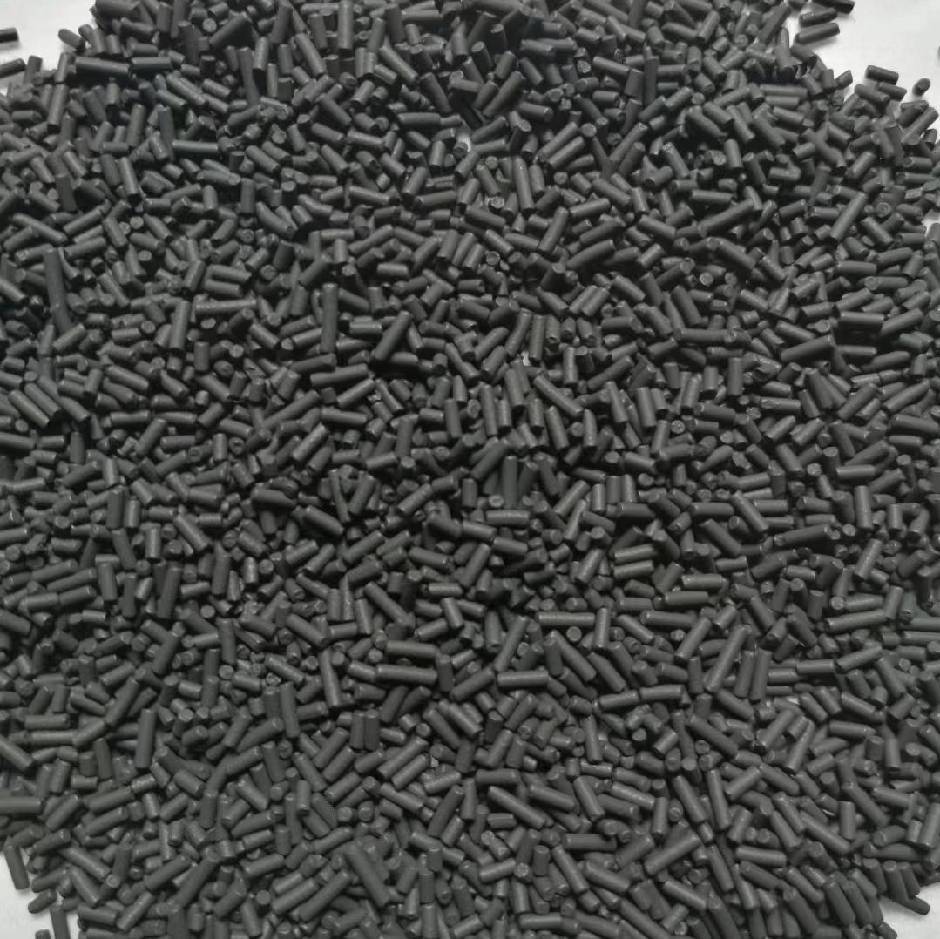
CMS series YUANHAO provided
low pressure
coarse particles
energy saving and efficient CMS
long adsorption CMS
high strength
carbon molecular sieve types
YUANHAO offers several types of Carbon Molecular Sieve (CMS), each tailored to meet specific nitrogen generation needs. These types differ in performance, adsorption speed, and suitability for various industrial applications.
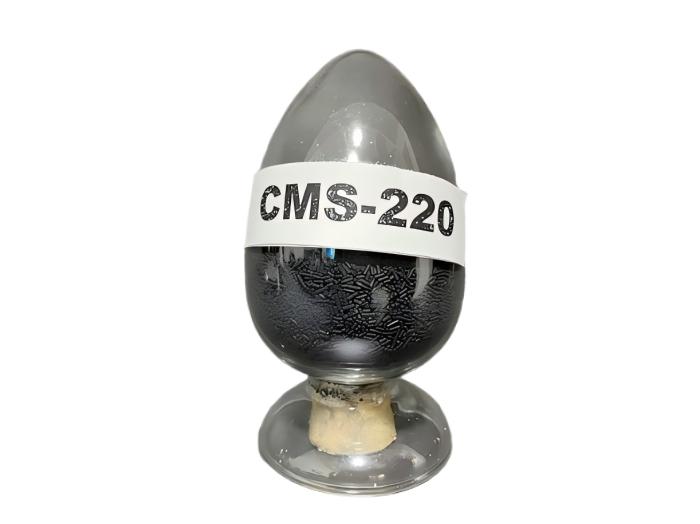
carbon molecular sieve-220
CMS-220 is an entry-level CMS with stable nitrogen production and good adsorption performance. It is designed for standard PSA nitrogen generators and offers consistent nitrogen purity with moderate energy consumption.
✔ food
✔ preservation
✔ petroleum
✔ chemical
✔ industry
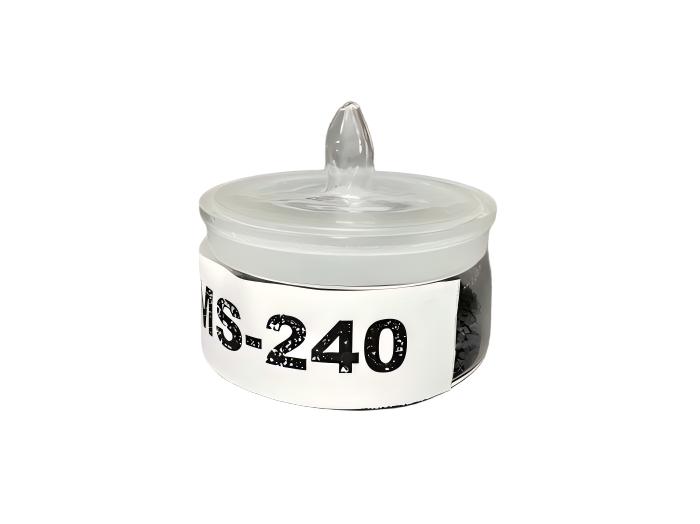
carbon molecular sieve-240
CMS-240 is a intermediate level CMS with high nitrogen generation efficiency and can stably produce nitrogen gas. It is suitable for mid-to-high-end working conditions.
✔ food preservation
✔ grain and oil storage
✔ coal mine
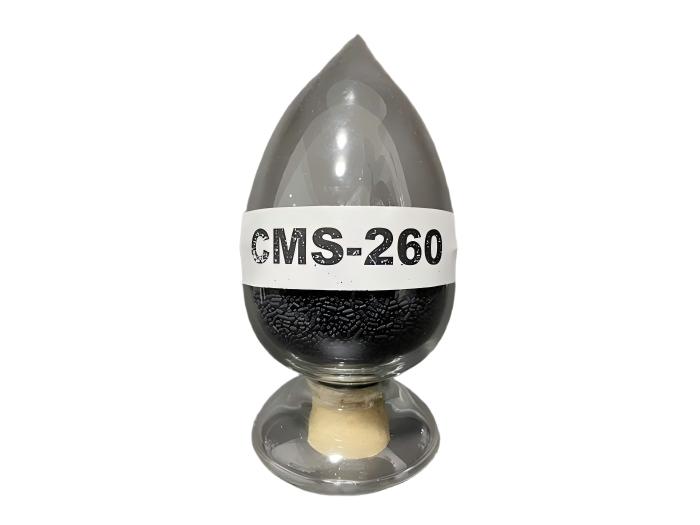
carbon molecular sieve-260
Compared to CMS-220 and CMS-240, CMS-260 has a higher nitrogen production capacity, a lower air-to-nitrogen ratio, and is more energy-efficient, making it suitable for applications requiring medium to low purity nitrogen (usually below 99.5%)
✔ chemical industry
✔ wastewater treatment
✔ paper production and printing
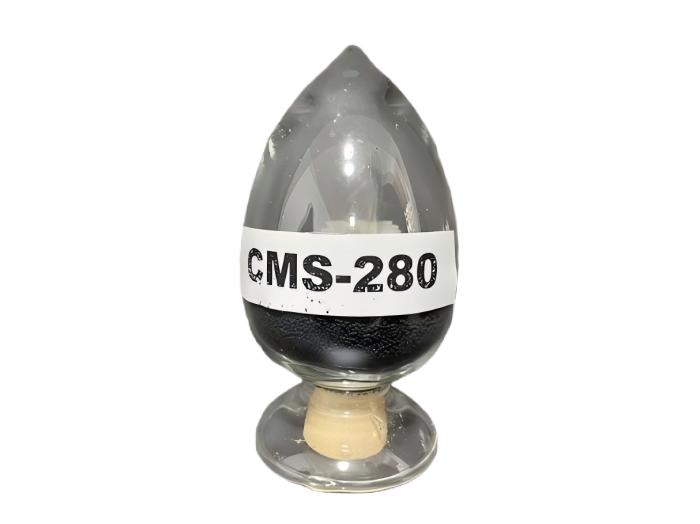
carbon molecular sieve-280
Compared to CMS-220,CMS-240 and CMS-260, CMS-280 has a higher nitrogen production capacity, a lower air-to-nitrogen ratio, and is more energy-efficient, making it suitable for applications requiring medium purity nitrogen (usually below 99.9%)
✔ explosion-proof
✔ oxidation-resistant
✔ fire-resistant
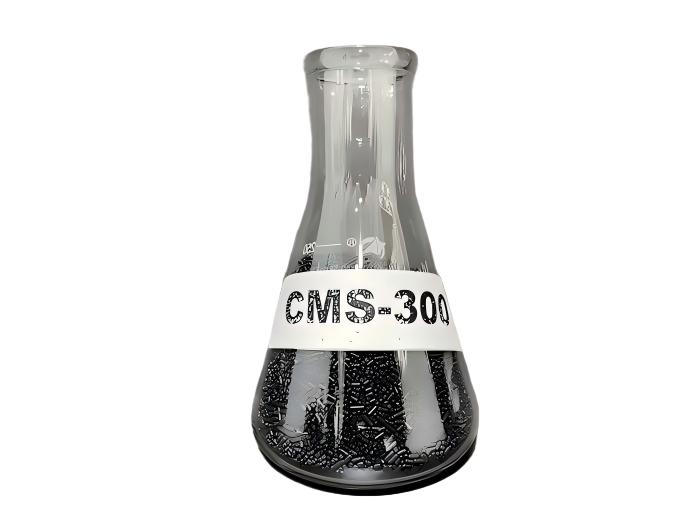
carbon molecular sieve-300
CMS-300 is a premium-grade molecular sieve developed for high-performance PSA systems. It offers high nitrogen recovery, low residual oxygen, and high stability. CMS-300 helps users achieve lower production costs through improved efficiency and longer service life. Suitable for producing high-purity nitrogen.
✔ laser welding
✔ electronics industry
✔ medical industry
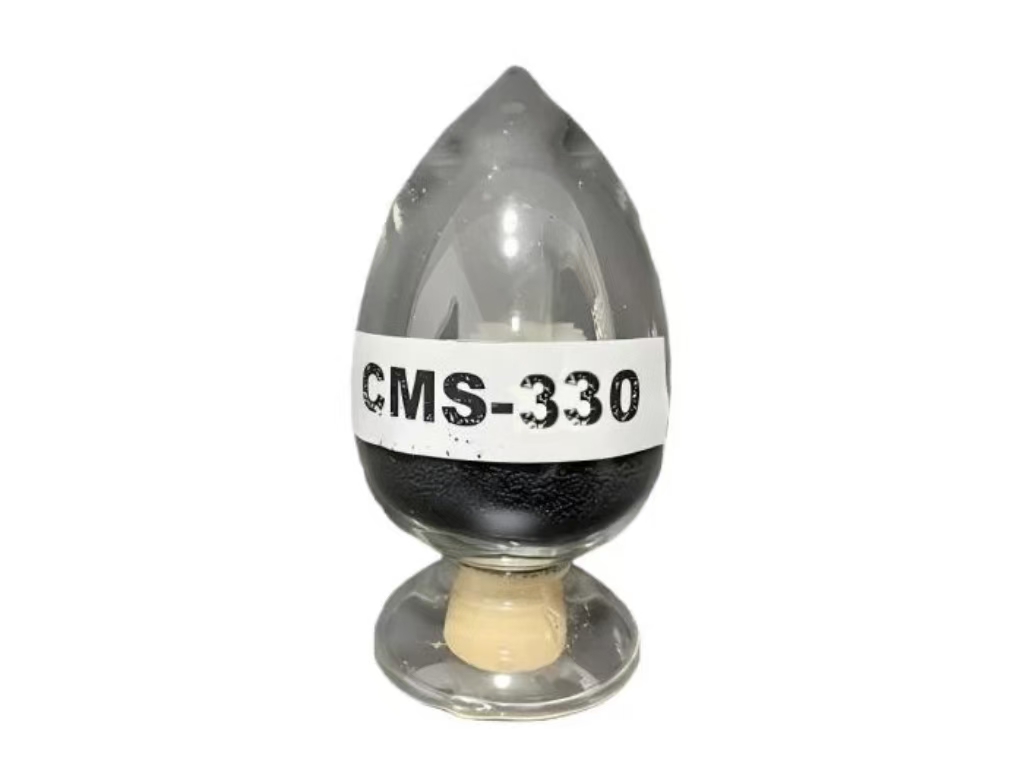
carbon molecular sieve-330
CMS-330 is YUANHAO’s top-tier product, designed for ultra-fast PSA cycles and extremely high nitrogen purity. It features the most refined pore structure for precise molecular separation. CMS-330 ensures excellent system performance and long-term reliability.
✔ metal heat treatment industry
✔ new energy industry
✔ semiconductor device
Why Choose YUANHAO CMS
Superior Nitrogen Purity
YUANHAO Carbon Molecular Sieve provides excellent nitrogen purity, reaching up to 99.999% depending on the PSA system design. This high-level purity ensures reliable performance for industries requiring clean and dry nitrogen, such as food packaging, electronics, and pharmaceuticals. The stable output makes it ideal for sensitive applications.
Long-Lasting Performance
YUANHAO CMS is manufactured using high-quality raw materials and strict process controls to ensure a service life of 5-8 years. It performs reliably over many adsorption cycles without significant degradation. This reduces replacement frequency, lowers maintenance costs, and minimizes system downtime, making it a cost-effective solution for continuous nitrogen generation.
High Adsorption Capacity
YUANHAO CMS has a large surface area and optimized pore structure, which gives it excellent adsorption strength. It can effectively capture oxygen and other small molecules, allowing nitrogen to be separated quickly and efficiently. This high adsorption capacity leads to faster cycle times and better nitrogen recovery, improving the overall efficiency and productivity of PSA nitrogen systems.
Environmentally Friendly
YUANHAO CMS supports a clean and energy-efficient nitrogen production process. The PSA method using our CMS requires no chemicals and produces no harmful waste. It operates under moderate pressure and consumes less energy, helping industries meet environmental regulations while reducing their carbon footprint. This makes it a sustainable choice for long-term nitrogen supply needs.
Our Service
Provide Solutions
Expert support is available to help choose the right products, estimate the required quantity, and suggest the best options for customers. Providing complete documents to customs clearance in time.
Professional Guidance
Throughout the entire project, we offer on-site or remote technical support, system startup and operation help, staff training, and problem-solving services to ensure the success of your project.
Full-Cycle Technical Follow-up
Our after-sales team will check product performance regularly and provide effective solutions if any issues arise. We also offer detailed advice on product regeneration when needed.
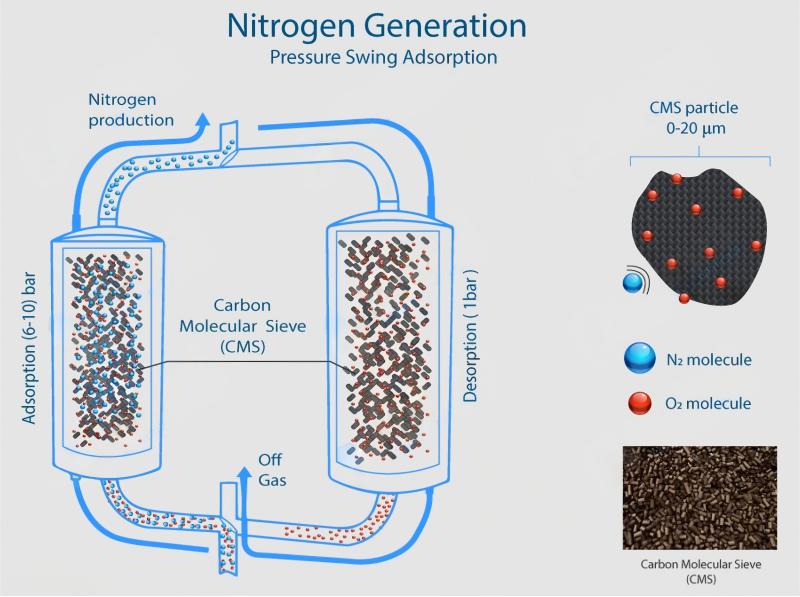
PSA Nitrogen Generation Process
Should your industrial operations depend on a steady nitrogen source or need support with your PSA system, YUANHAO offers reliable expertise and premium CMS-based nitrogen generation solutions.
As pressurized (0.6MPa) and purified air moves upward through the CMS-filled adsorbent bed, oxygen molecules adhere to the CMS surfaces, while concentrated nitrogen exits from the bed’s top into the storage vessel.
Once the adsorbent bed is saturated with oxygen, depressurization regenerates it by releasing the trapped oxygen. By alternating between two beds—one adsorbing while the other regenerates—a continuous nitrogen output is maintained cyclically.
Carbon Molecular Sieve Price
Carbon molecular sieve prices vary based on pore size, adsorption efficiency, and application. CMS 260 excels in nitrogen separation, while CMS 330 suits high-purity gas needs. Performance differences affect cost, so buyers should balance technical needs and budget. YUANHAO offers competitive pricing for bulk orders—contact us for a quote.!
Carbon Molecular Sieve Technical parameters and performance
GUANGDE YUANHAO CARBON MOLECULAR SIEVES CO.,LTD
| Model | Adsorption pressure (Mpa) | Nitrogen concentration (%) | Nitrogen yield (L /h.KG) | Air / nitrogen |
| Yhcms | 0.7-0.8 | 99.999 | 135 | 4.6 |
| 99.995 | 150 | 4.3 | ||
| 99.99 | 170 | 3.9 | ||
| 99.95 | 220 | 3.48 | ||
| 99.9 | 240 | 2.98 | ||
| 99.5 | 340 | 2.4 | ||
| 99 | 410 | 2.1 | ||
| 98 | 475 | 2 | ||
| 97 | 540 | 1.91 | ||
| 96 | 600 | 1.87 | ||
| 95 | 650 | 1.62 | ||
| Particle diameter | 1.0-1.2mm | Bulk density | 660-680g/L | |
| Adsorption pressure | 2*45s-50s | Compressive strength | ≥60-110n/pcs | |
| Ps: the optimal nitrogen production effect is achieved when the intake temperature is around 20-25 ℃. | ||||
| Special models and requirements CAN be customized. | ||||
carbon molecular sieve Packaging
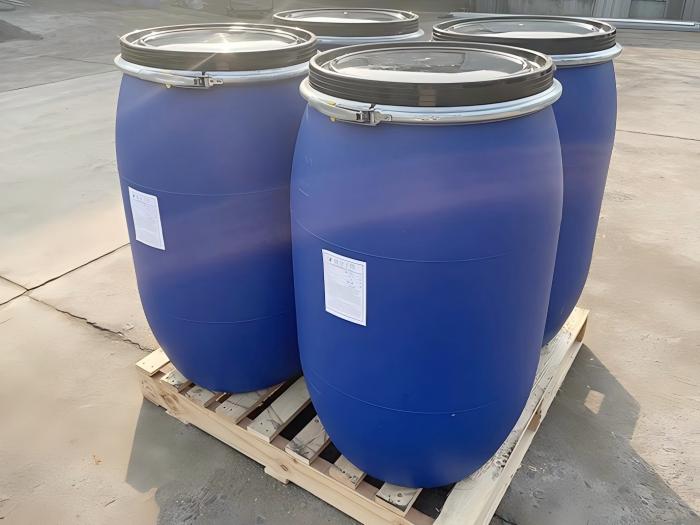
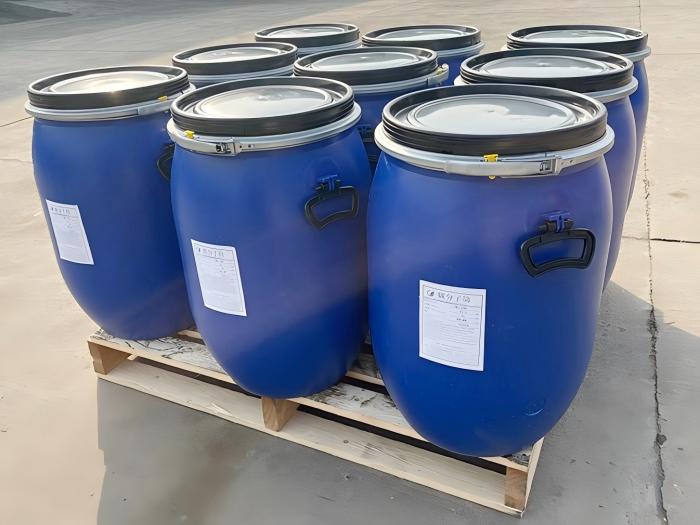
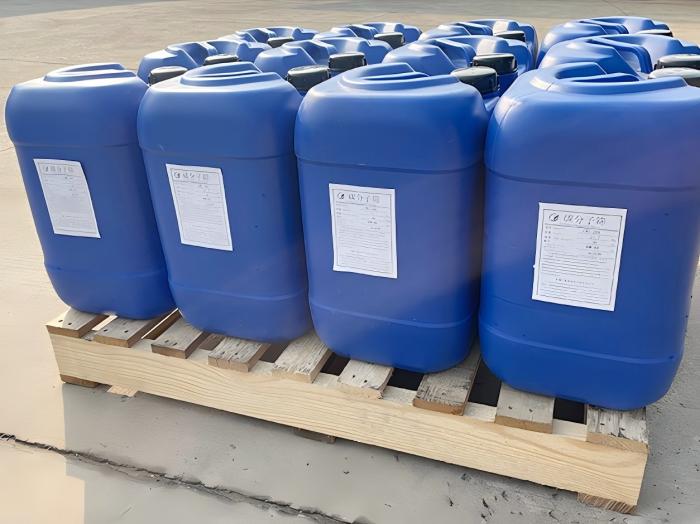
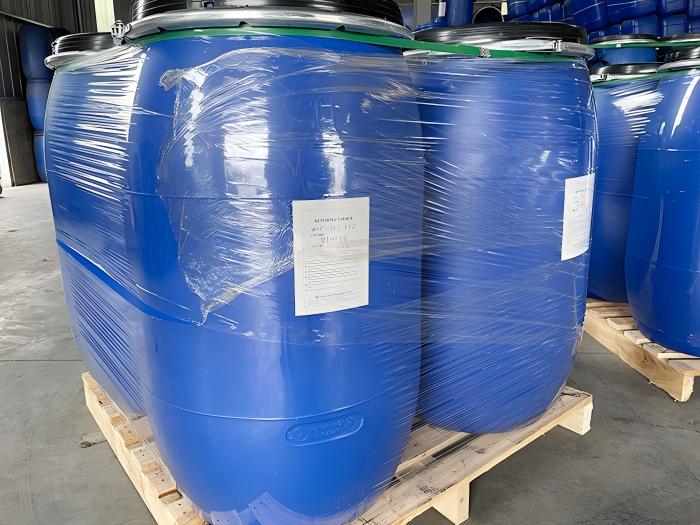
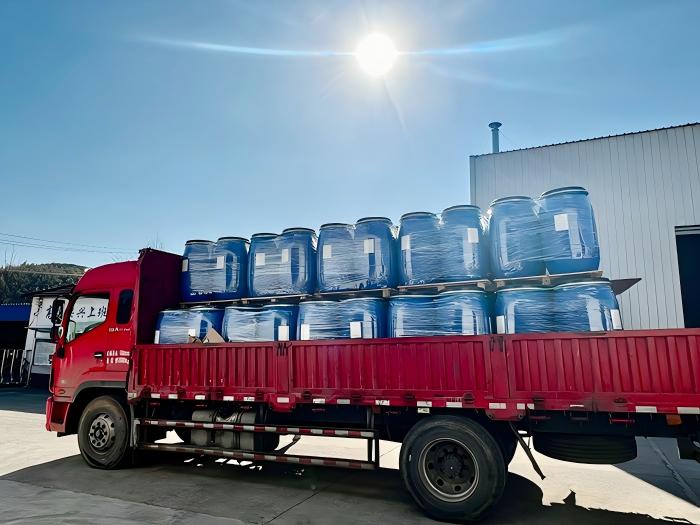
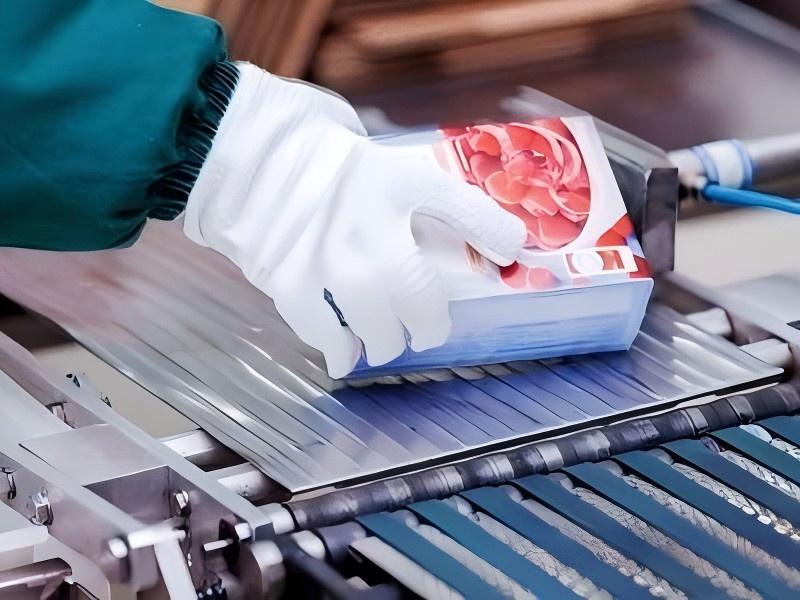
YUANHAO product is sealed in plastic drums, sealed with aluminum foil, wrapped with wrapping film, and packagedon pallets to ensure that the product is sealed and completely isolated from the outside air. preventing moistureabsorption and facilitating customer unloading.
YUANHAO PROVIDE
Carbon Molecular Sieve Application Fields
cms for Nitrogen generation
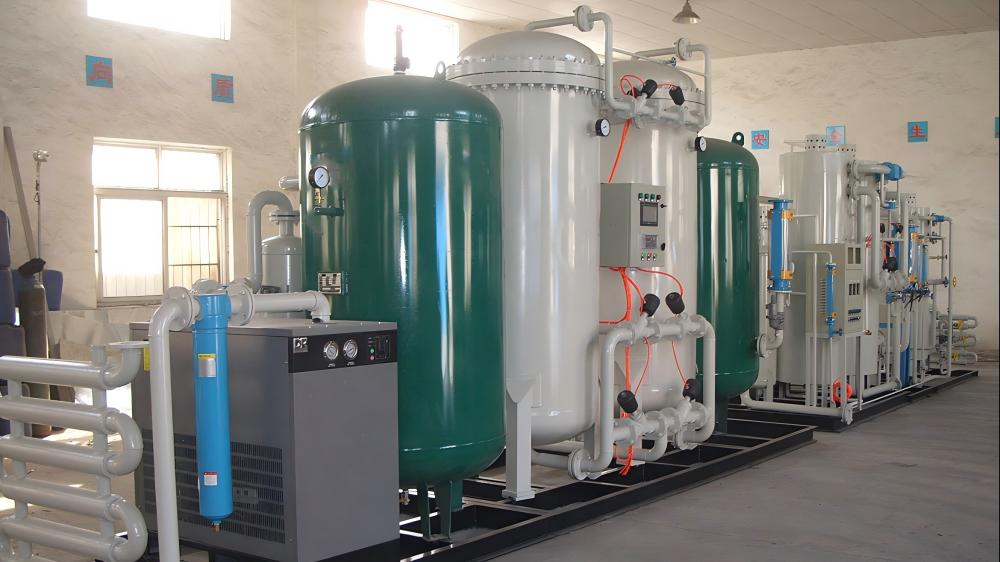
Nitrogen production represents the most dominant and mature application field of carbon molecular sieve. Based on pressure swing adsorption (PSA), CMS achieves gas separation by virtue of its differential molecular adsorption kinetics: oxygen molecules are adsorbed rapidly on the micropores of CMS, while nitrogen molecules pass through preferentially. This process realizes on-site continuous production of high-purity nitrogen ranging from 95% up to 99.999%, and fully replaces traditional liquid nitrogen supply modes.
cms for Food & beverage
cms for Electronics & semiconductors
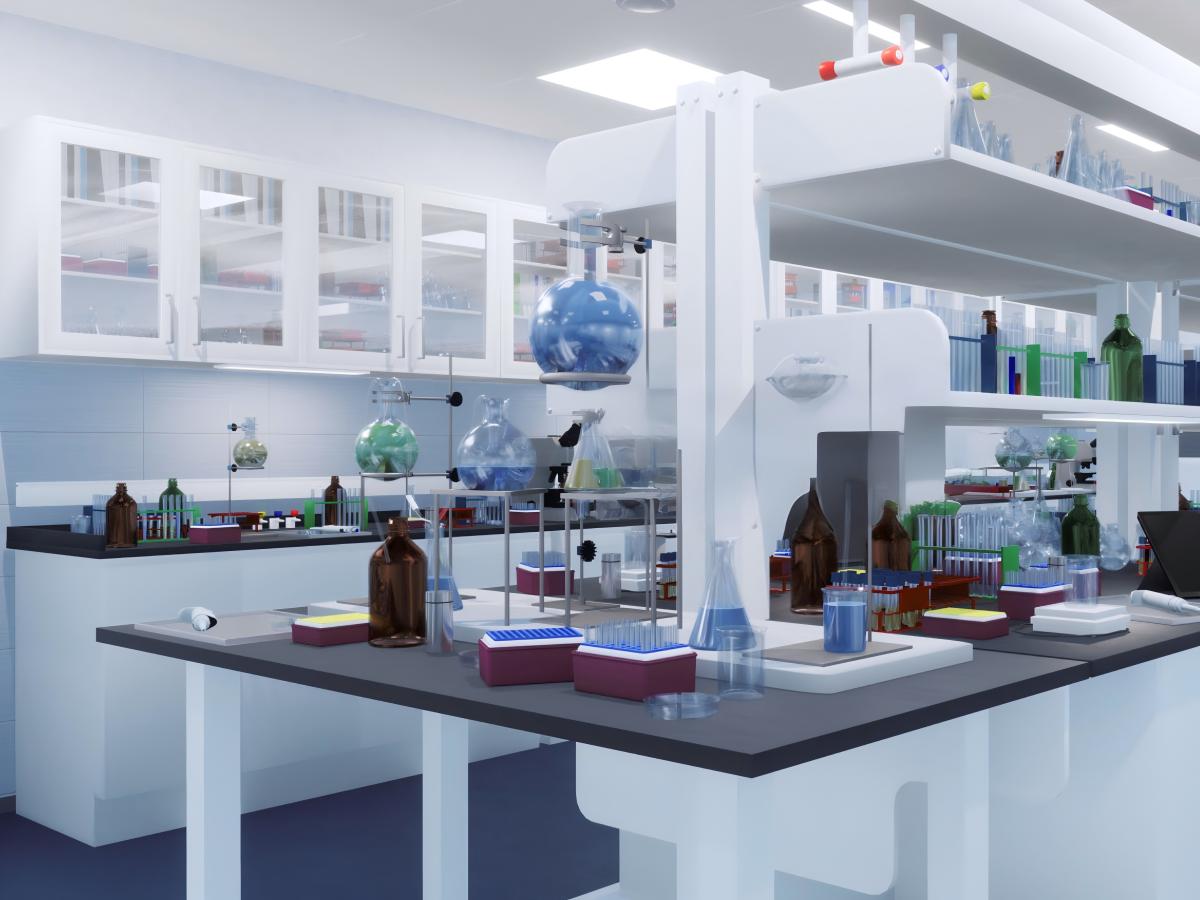
This is one of the high-end industrial applications of CMS. Via pressure swing adsorption (PSA), CMS enables stable production of ultra-high purity nitrogen (99.999%+) to meet stringent industrial demands. The generated inert nitrogen is extensively adopted for reflow soldering, wafer storage, chip packaging, and inert purging of process chambers in semiconductor manufacturing. CMS-based nitrogen supply systems deliver reliable, cost-effective on-site gas production with no reliance on bulk liquid nitrogen delivery.

cms for Pharmaceutical
A critical application of CMS in the pharmaceutical sector. Via pressure swing adsorption (PSA), CMS generates high-purity nitrogen, which is widely used for blanketing API reactors, inerting tablet coating pans, sterile vial filling, and preventing oxidative degradation of sensitive compounds in pharmaceutical manufacturing.
cms for Metal heat treatment
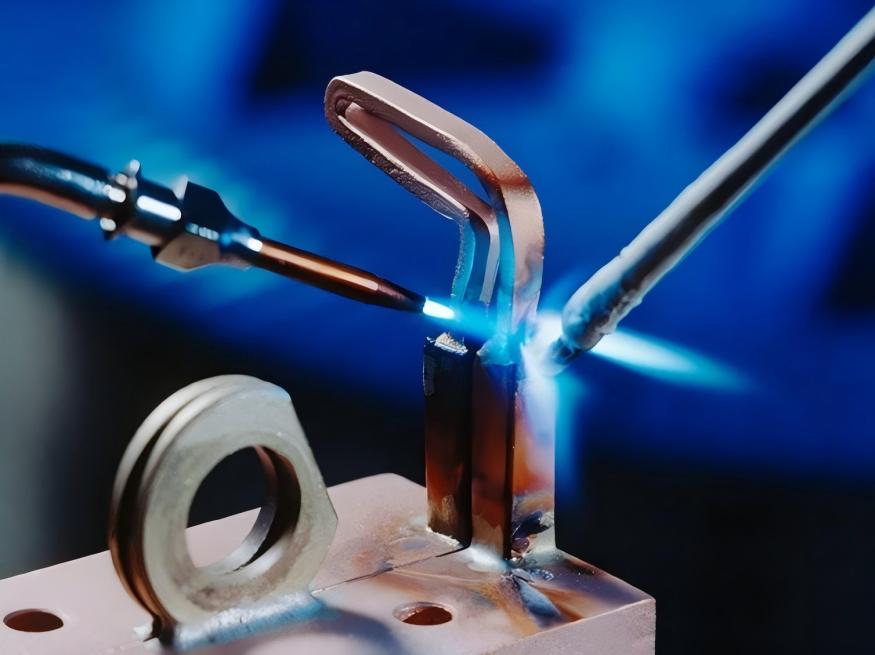
Metals must be annealed, sintered, or hardened under controlled atmospheres to prevent scaling. CMS nitrogen (with added H₂ or NH₃) provides bright annealing and controlled carburizing atmospheres.

cms for Chemical & petrochemical
CMS is used in refineries and chemical plants for tank blanketing, purging pipelines, catalyst regeneration, and CO₂/CH₄ separation in biogas upgrading to biomethane.

cms for Fire suppression
Inert gas fire suppression systems using CMS-generated nitrogen reduce oxygen concentration below the fire triangle threshold (~15%), extinguishing fires without water damage to sensitive assets.

cms for Laser cutting & welding
High-purity nitrogen from CMS is used as an assist gas in fiber laser cutting of stainless steel and aluminum to produce clean, oxide-free edges without the cost of bottled gas cylinders.
Common FAQ
A holistic solution to your most common questions about YUANHAO’s products, services and brands.
How does Carbon Molecular Sieve separate oxygen and nitrogen?
Carbon Molecular Sieve separates oxygen and nitrogen based on the difference in molecular diffusion rates. When compressed air enters the adsorption tower, oxygen molecules diffuse faster into the micropores of CMS and are selectively adsorbed, while nitrogen molecules pass through the adsorbent bed. This molecular separation process allows PSA systems to continuously produce nitrogen gas.
What is Carbon Molecular Sieve used for?
Carbon Molecular Sieve is mainly used in PSA nitrogen generators for industrial nitrogen production. It is widely applied in applications that require a stable nitrogen supply, such as food packaging, chemical processing, electronics manufacturing, metal heat treatment, laser cutting, and other industries. The performance of CMS directly influences nitrogen purity, output capacity, and operating efficiency.
What are the advantages of Carbon Molecular Sieve?
Carbon Molecular Sieve offers several advantages, including high oxygen adsorption selectivity, stable nitrogen production performance, good mechanical strength, low dust generation, and long service life. With a properly designed microporous structure, CMS can improve the efficiency of PSA nitrogen generation systems and maintain consistent performance under continuous operating conditions.
What factors should be considered when selecting Carbon Molecular Sieve?
The selection of Carbon Molecular Sieve depends on nitrogen purity requirements, nitrogen production capacity, operating pressure, compressed air conditions, PSA cycle parameters, and application requirements. Different CMS grades have different adsorption characteristics, so choosing the right Carbon Molecular Sieve is essential for achieving stable nitrogen output and efficient system operation.