
high purity carbon molecular sieves
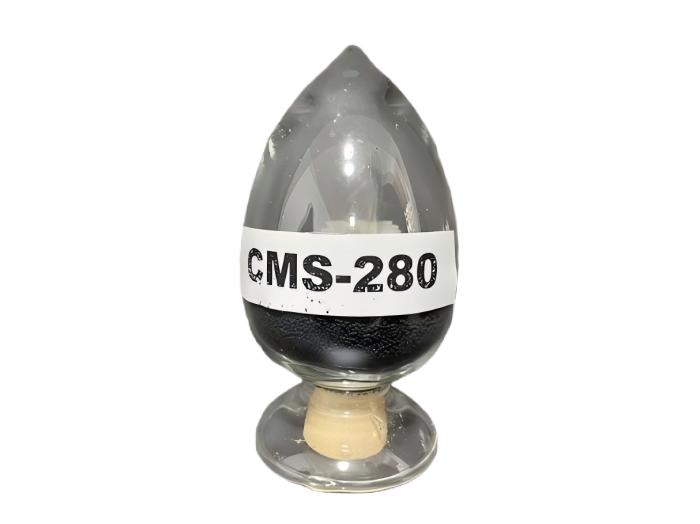
CMS 280
Enhanced Efficiency
CMS 280 provides improved nitrogen purity and faster cycle times, ideal for users needing better output with less energy use.
Stable Performance
It delivers consistent gas separation results, making it reliable for daily operations in mid-to-high purity systems.
Versatile Use
CMS 280 is adaptable to various PSA setups, offering flexibility for industries needing up to 98% nitrogen purity.
Suitable For:
Food packaging and storage/ Heat treatment in metalwork/ Electronics assembly lines
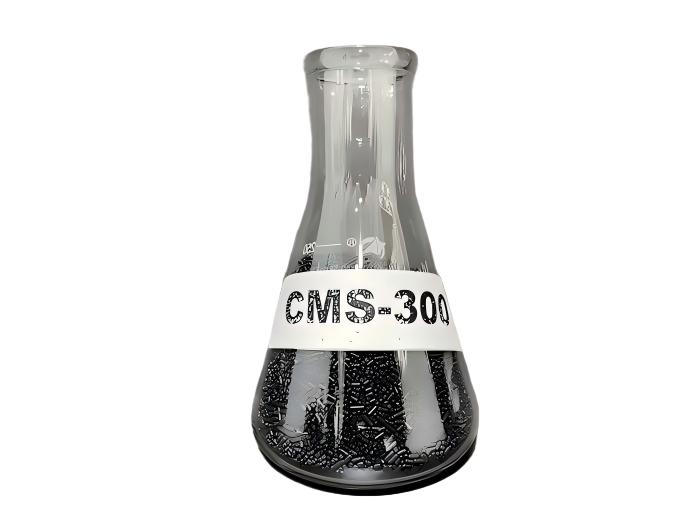
CMS 300
High Purity Output
CMS 300 delivers nitrogen purity up to 99.5%, suitable for industries requiring clean and stable gas supply.
Strong Durability
Its enhanced mechanical strength supports long-term operation under continuous PSA cycles.
Optimized Flow Design
Engineered for smoother gas flow, it ensures better efficiency and reduced energy loss in larger systems.
Suitable For:
Chemical processing plants/ Pharmaceutical production/ Precision electronics and optics
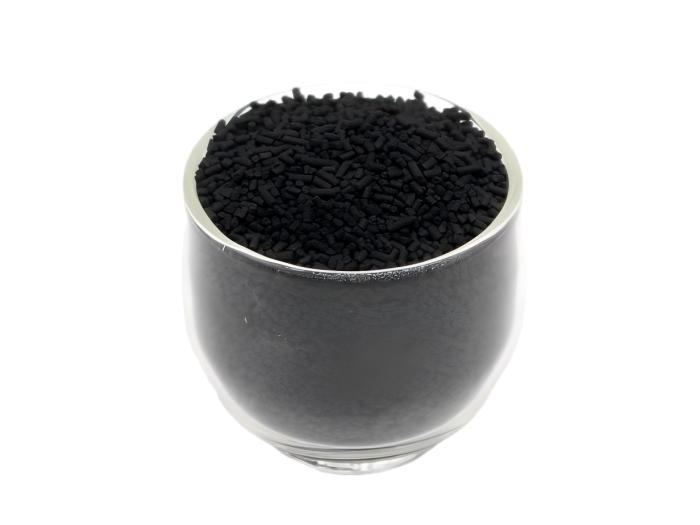
CMS 330
Ultra-High Purity
CMS 330 achieves nitrogen purity up to 99.999%, ideal for critical applications needing ultra-clean gas.
Precision Separation
Its finely tuned pore structure allows highly selective gas separation for advanced PSA units.
Trusted in Demanding Fields
CMS 330 is trusted for sensitive environments where performance, safety, and reliability are key.
Suitable For:
Semiconductor manufacturing/ Laser cutting systems/ Aerospace and laboratory gases
Key Product Features
Our Carbon Molecular Sieve is precisely designed to fulfill the stringent demands of PSA nitrogen generation systems. With rigorous quality assurance and full compliance, it delivers an exceptional blend of high adsorption capacity, robust mechanical strength, and extended lifespan—ensuring dependable performance in industrial gas separation applications.
| Model | Adsorption pressure(Mpa) | Nitrogen concentration(%) | Carbon yield(L/h.kg) | Air/nitrogen |
| YHCMS-GY280 | 1.0-1.6 | 99.999 | 80 | 5.6 |
| 99.99 | 110 | 4.8 | ||
| 99.9 | 180 | 3.7 | ||
| 99.5 | 280 | 2.8 | ||
| 99 | 340 | 2.7 | ||
| 98 | 430 | 2.4 | ||
| 97 | 470 | 2.3 | ||
| 95 | 510 | 2.2 | ||
| YHCMS-GY300 | 1.0-1.6 | 99.999 | 95 | 5.3 |
| 99.99 | 130 | 4.6 | ||
| 99.9 | 200 | 3.5 | ||
| 99.5 | 300 | 2.7 | ||
| 99 | 360 | 2.6 | ||
| YHCMS-GY330 | 1.0-1.6 | 99.999 | 115 | 5.1 |
| 99.99 | 150 | 4.3 | ||
| 99.9 | 220 | 3.2 | ||
| 99.5 | 310 | 2.6 | ||
| 99 | 380 | 2.5 | ||
| Particles diameter(mm) | 1.2-1.3 | Bulk density(g/L) | 670-690 | |
| Adsorption Time(s) | 2*40-45 | Crushing strength(N/pcs) | ≥60-120 | |
| Ps:The optimal nitrogen production effect is achieved when the intake temperature is around 20-25℃. | ||||
| Special models and requirements can be customized. | ||||
Common FAQ
A holistic solution to your most common questions about YUANHAO’s products, services and brands.
What are carbon molecular sieves used for?
Nitrogen Generation from Air: This is arguably the most prominent application. CMS is used in PSA units to produce high-purity nitrogen by selectively adsorbing oxygen (which is slightly smaller) from compressed air, allowing nitrogen to pass through as the product gas. This is crucial for industries like electronics, food packaging, chemical inerting, and metal heat treatment.
Hydrogen Purification: CMS can be used to purify hydrogen streams by removing impurities such as carbon dioxide, carbon monoxide, and various hydrocarbons, which is essential for fuel cells and other chemical processes.
Natural Gas Purification/Sweetening: They help remove contaminants like hydrogen sulfide (H2S), carbon dioxide (CO2), and mercaptans from natural gas, improving its quality for pipeline transmission and use.
Biogas Upgrading: CMS plays a role in purifying biogas (produced from organic waste) by removing CO2 and water vapor, yielding higher-purity biomethane suitable for energy generation.
Air Purification: Beyond nitrogen generation, CMS can be used to remove various impurities like CO2, moisture, and hydrocarbons from air streams.
Other Gas Separations: Their selective adsorption capabilities make them useful in separating other gas mixtures where precise molecular sieving is required.
What is a carbon molecular sieve for PSA?
A carbon molecular sieve (CMS) for Pressure Swing Adsorption (PSA) is a specialized adsorbent material that forms the core of PSA systems, particularly for generating high-purity nitrogen from ambient air.
Here’s how it works and what makes it ideal for PSA:
Precise Pore Structure: Unlike general-purpose activated carbon, CMS is engineered with an extremely uniform and narrow distribution of micropores (typically around 0.3-0.5 nanometers). This precise pore size is crucial for its selective adsorption capabilities.
Kinetic Separation: PSA with CMS operates based on the principle of kinetic separation. Oxygen molecules, being slightly smaller than nitrogen molecules, have a higher diffusion rate and are adsorbed more quickly and strongly into the CMS pores under pressure. Nitrogen molecules, being larger, diffuse slower and are largely excluded or adsorbed to a lesser extent.
What is the difference between activated carbon and carbon molecular sieve?
Activated carbon (AC) and carbon molecular sieves (CMS) are both porous carbon materials, but they differ significantly in their pore structure and selectivity.
Activated carbon has a broad range of pore sizes, acting like a general “sponge” to adsorb a wide variety of molecules, including large organic compounds and odors. It’s commonly used for broad-spectrum purification, like water and air filtration.
Carbon molecular sieves, in contrast, have very uniform and precisely sized micropores. This allows them to selectively separate molecules based on their exact size and shape. CMS is primarily used for highly specific gas separations, such as producing high-purity nitrogen from air, as it can differentiate between oxygen and nitrogen molecules.