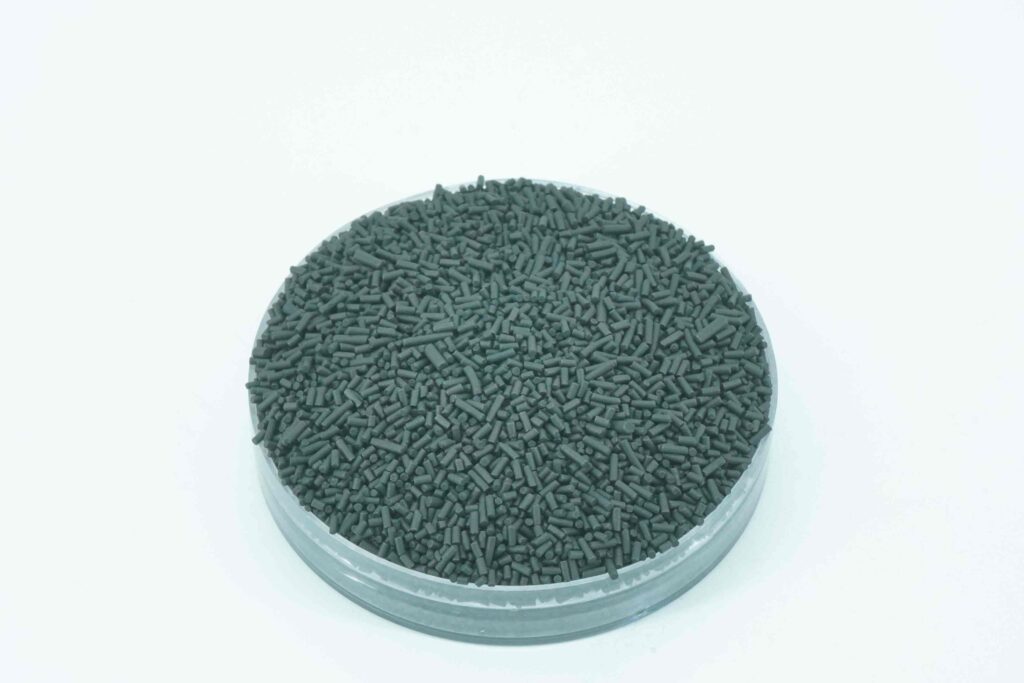
Yes. Even with outstanding drying and gas separation performance, molecular sieves come with notable drawbacks. Their upfront purchase cost is relatively high. Regeneration consumes substantial energy. The adsorbent particles are prone to breakage. High temperatures can permanently impair their performance, and incoming liquids may block internal pores. This technical review supports process engineers in budget evaluation and proper adsorbent selection.
Key Takeaways
Engineers need to account for high initial procurement costs in project planning. Thermal regeneration cycles demand considerable power input. Site operators can implement measures to mitigate dust formation and thermal damage. High crush-resistant adsorbent grades should be specified. Pre-filters are required as frontline protection. These filters prevent liquid ingress into micropores. Liquid contaminants readily block the fine pore channels of molecular sieves.
Economic Disadvantages of Molecular Sieves
Engineers conduct cost comparisons prior to adsorbent selection. Synthetic zeolites deliver reliable adsorption performance, yet create financial challenges during design phases, mainly driven by high initial investment and persistent energy expenses.
High Initial Material and Procurement Costs
Substantial upfront expenditure poses a major concern for plant operators. Vessel investment accounts for significant capital outlay, while molecular sieve pricing varies with purity, pore size and order volume. Prices for standard grades are listed below:
- 3A Grade (100 Kg MOQ): Rs 285 / Kg
- 4A Grade (100 Kg MOQ): Rs 298 / Kg
- 13X Grade (100 Kg MOQ): Rs 245 / Kg
- General Grade Range (3A, 4A, 5A, 13X): Rs 325 / Kg
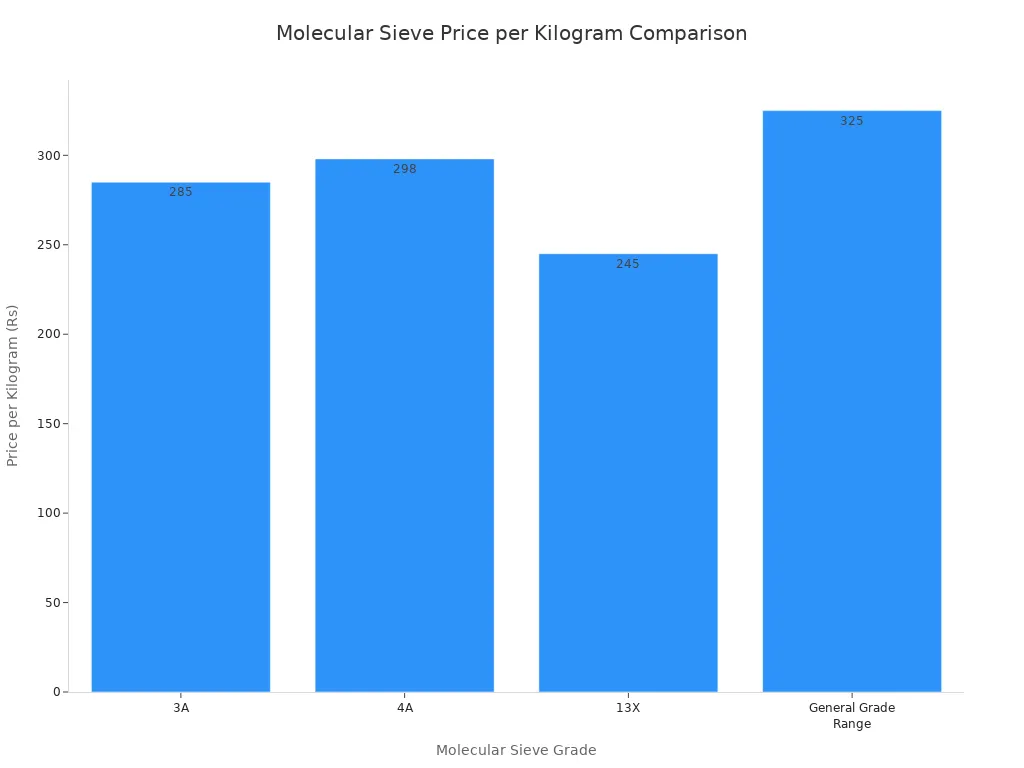
Bulk ordering reduces unit prices, yet overall capital spending remains considerable. A 100 kg pallet costs $1,536.00, equivalent to $15.36 per kg. A 453.6 kg pallet totals $4,876.00, bringing the unit price down to $10.75 per kg. Small-scale facilities often struggle to meet minimum order quantities and may opt for cheaper alternatives under budget constraints.
Energy-Intensive Regeneration Requirements
Operating costs rise significantly during regeneration cycles. Water molecules are trapped within micropores, and removing these adsorbates requires large energy inputs. Heating systems elevate gas temperatures, leading to high fuel gas consumption.
Pressure swing processes avoid high-temperature heating but rely on large compressors running continuously. Repeated cycling pushes up energy consumption, and gas losses reduce overall plant yield. These factors continuously increase power expenditure.
Operators must balance deep drying performance against running costs. Elevated power bills compress plant profit margins. Facilities with limited budgets need thorough energy consumption assessment to select suitable adsorbents.
Operational Vulnerabilities of a Molecular Sieve
Field operators regularly encounter physical limitations in service. Molecular sieves deliver robust adsorption capacity, yet harsh industrial conditions gradually degrade the material over time. Engineers should closely monitor relevant risks to avoid unplanned shutdowns and equipment failures. Clear understanding of these weaknesses supports informed material selection and protects high-value downstream machinery.
Thermal Shock and Structure Degradation
Rapid temperature fluctuations trigger thermal shock inside adsorption beds. Continuous heating cycles gradually damage the delicate zeolite framework. Excessive heat severely deactivates active sites and causes permanent loss of water adsorption capacity. Hot regeneration gas also accelerates wear on vessel valves. Common valve failures during thermal regeneration include:
- Thermal seat degradation: flexible sealing components fail above 200°C
- Abrasive wear and galling: hard dust particles scratch valve contact surfaces
- Bearing seizure: dust ingress locks moving components
- Thermal expansion jamming: thermal expansion causes valve sticking
- Stem packing failure: degraded seals result in gas leakage
Mechanical Attrition and Dusting Risks
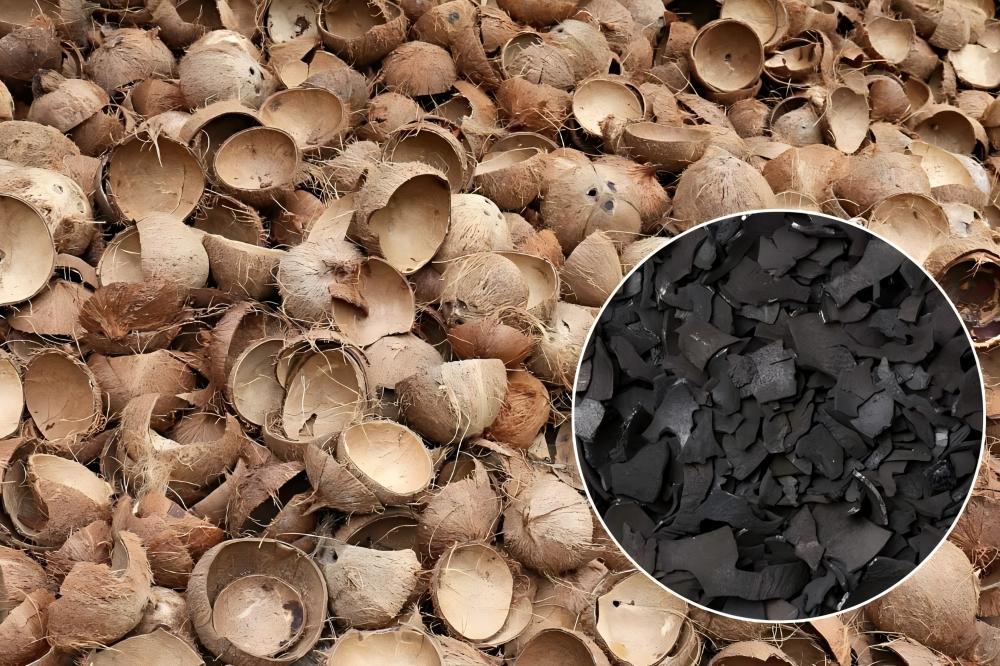
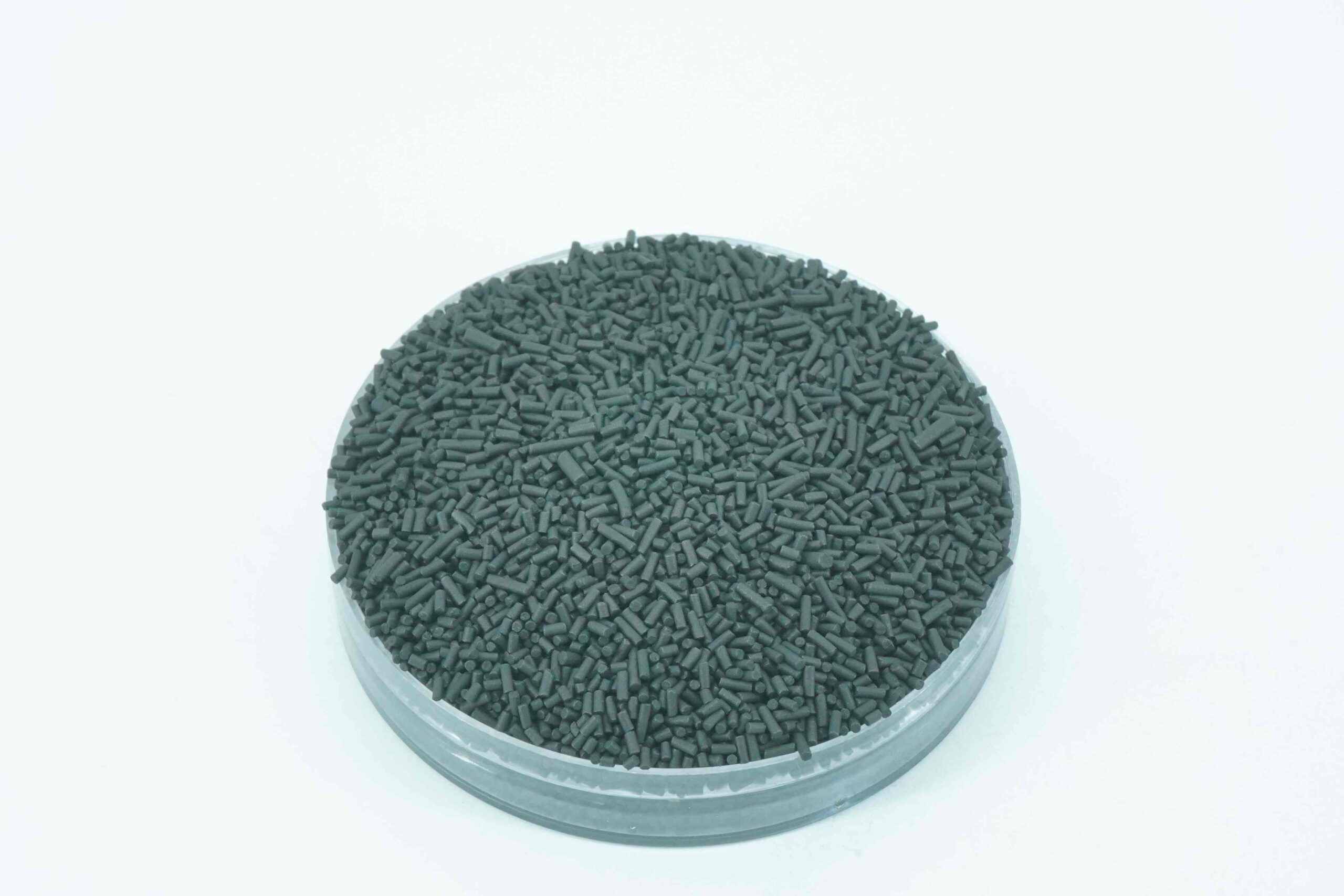
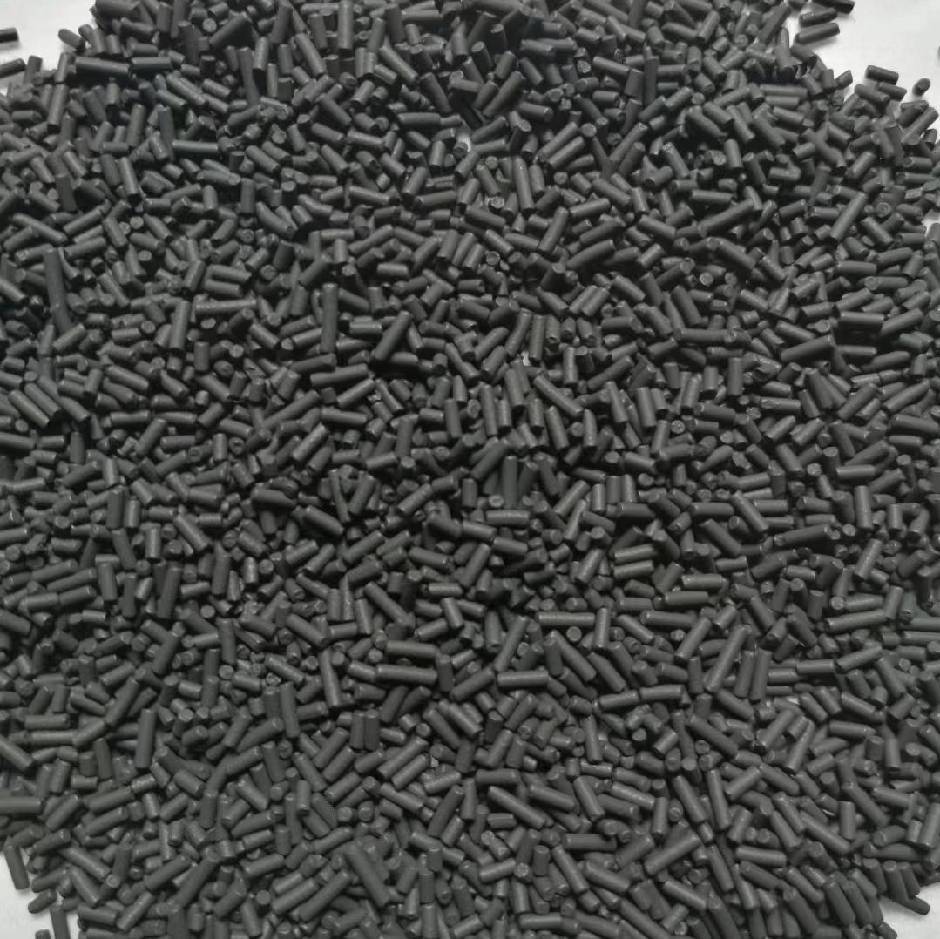
High-velocity gas flow agitates adsorbent beads constantly. Dense packing leads to continuous friction between particles, generating fine dust inside the system. Dust clogs filters and impairs valve operation. Specifying high-strength materials helps minimise attrition. Standard molecular sieve beads lack sufficient crush resistance under working pressure. Guangde Yuanhao Molecular Sieve Co., Ltd. manufactures heavy-duty YH carbon molecular sieves. This custom carbon molecular sieve achieves a single pellet crush strength up to 100 N. Many engineers select this product to control dust issues.
Liquid Condensation and Pore Fouling
Free liquid water creates severe hazards for dry adsorption beds. Liquid trapped inside micropores expands instantly and fractures adsorbent beads. Liquid droplets lower drying efficiency under normal operating conditions. Heavy oil and glycol fully coat particle surfaces, forming sticky films that permanently block micropores and eliminate adsorption capability. Operators must install high-efficiency separators upstream to remove liquid contaminants before gas enters main adsorption vessels.
Application Limitations and Selectivity Issues of Molecular Sieves
Rigid Pore Size Inflexibility
Synthetic molecular sieves feature rigid, fixed-dimension pore channels. The framework cannot deform, and pore size cannot be adjusted after installation. This fixed structure limits operational flexibility.
Manufacturers maintain strict control over pore channel specifications:
- Pore size tolerance controlled within 0.1 Å during quality inspection
- Target pore sizes mainly range from 3–5 Å
These tight dimensional limits exclude molecules slightly larger than pore openings. Operators need to purchase new adsorbents if feed gas composition changes.
Competitive Co-Adsorption Hazards
Mixed gas streams create practical operational difficulties. Active sites attract multiple types of molecules simultaneously. Molecules with stronger affinity displace weaker adsorbates within pore channels, reducing available capacity for target impurity removal.
Displaced contaminants compromise product purity in pharmaceutical-grade applications. Desorbed pollutants contaminate treated gas, requiring additional guard beds for impurity removal and raising overall equipment investment.
Engineers check product costs against usage expenses.
Activated alumina drops total costs by 20–30%.
It works well for basic VOC removal.
This material dries wet air easily.
It handles dew points over -40 °C (-40 °F).
This choice saves plants a lot of money.
Synthetic molecular sieves work better for deeper drying.
They dry air below this heat limit.
Managers check gas mixtures before buying any products.
They must study total costs over time first.
FAQ
What makes activated alumina cheaper than synthetic zeolites?
Activated alumina cuts total equipment costs by 20% to 30%. It dries air well above -40 °C.
How do operators prevent crushing and dusting in desiccant beds?
Engineers pick strong YH carbon molecular sieves. Each piece holds up to 100N. This stops dust.
Why does thermal regeneration cause equipment failures?
Heat over 200°C ruins valve seats. Rough dust scratches valve surfaces. Heat breaks seals and jams valves during cleaning.