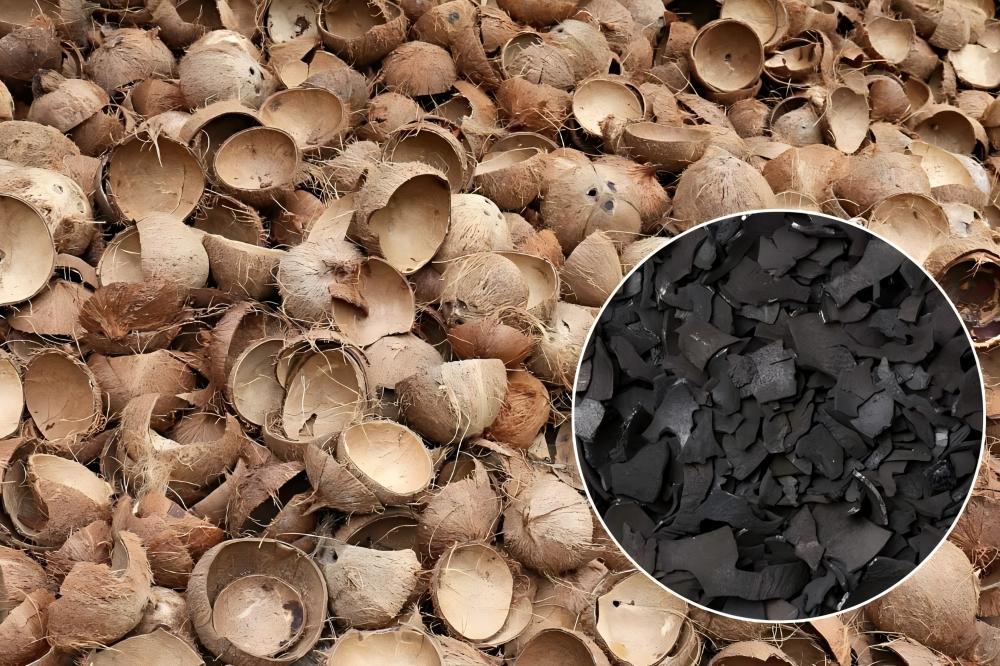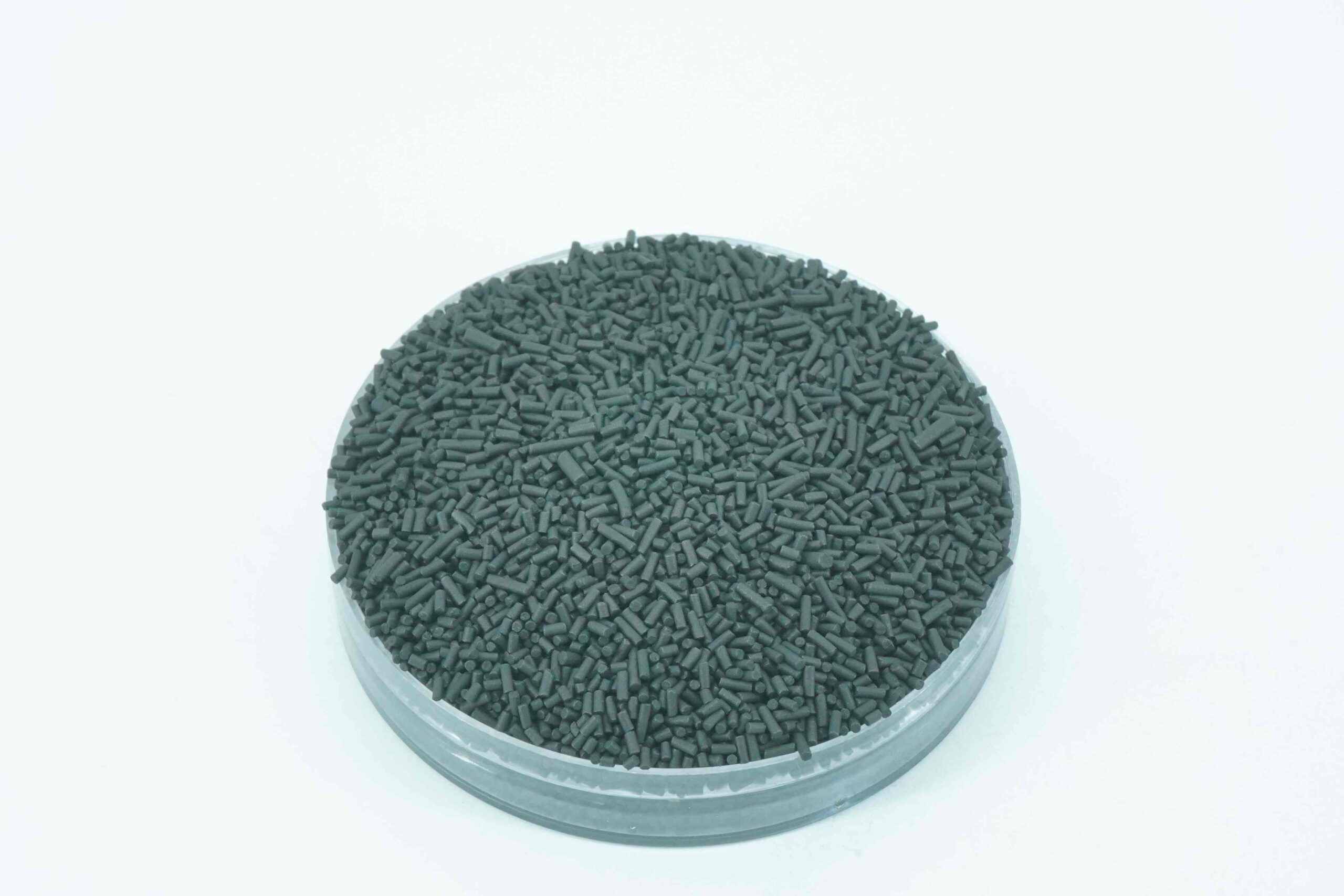
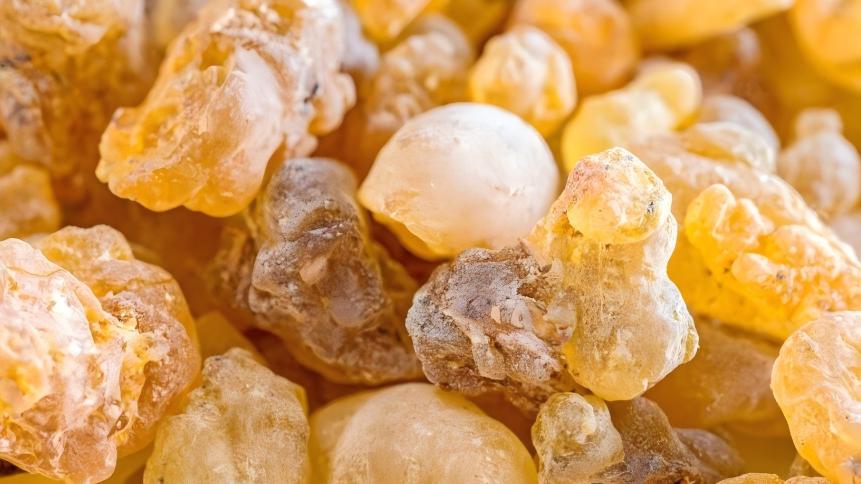
Process engineers working in industrial plants conduct comparative analysis on the core properties of these two adsorbent materials.
Key inspected parameters include pore size distribution, operating pressure, thermal resistance and adsorption cycling rate.
Molecular sieves deliver exceptional gas separation performance through precise pore size screening mechanisms. By contrast, activated carbon achieves mass-scale fluid purification relying on its extensive specific surface area for adsorptive capture. Industrial manufacturers pursue stable high-yield operation, and different working conditions call for matched adsorbent media. Proper selection of filter materials effectively cuts overall plant operating costs and fits large-scale industrial processing scenarios perfectly.
Key Takeaways
- With uniformly sized pore channels, molecular sieves screen targeted gas components accurately and excel at nitrogen-oxygen separation.
- Activated carbon features hierarchically mixed pores capable of trapping a wide range of contaminants, which makes it highly efficient for liquid purification processes.
- Choosing suitable filter media reduces overall energy consumption and maintenance expenses for plants, as well as extends the service lifespan of the entire processing equipment.
Structural Differences of Molecular Sieve and Activated Carbon
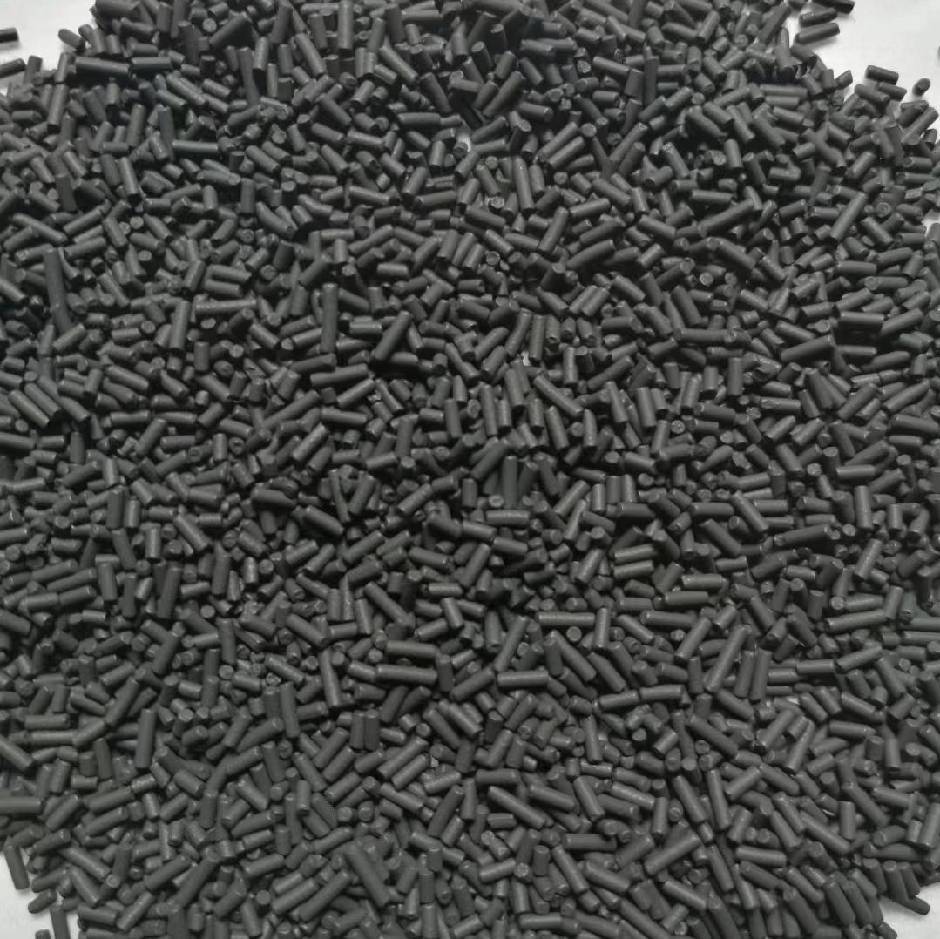
Porous solid materials constitute the core packing media for all gas treatment systems. Process engineers categorise them into two main groups: crystalline mineral-based molecular sieves and carbon-based activated carbon. The two substances follow entirely distinct gas separation principles and are applicable to divergent chemical processing conditions.
Silicon Framework and Carbon Molecular Sieve Pore Architecture
Conventional molecular sieves adopt rigid crystalline structures built from silicon and aluminium atoms. Oxygen atoms interconnect fundamental structural units to form regular crystal lattices with fixed through-going pores ranging from 3 to 10 Angstroms (Å).
Carbon molecular sieves (CMS) are fabricated from carbon substrates, where dense carbon matrices form narrow slit-shaped cavities:
- Zeolite lattice: Assembled via SiO₄ and AlO₄ tetrahedra → uniform pore matrix (3–10 Å)
- CMS matrix: Slit-shaped microcavities arranged densely → kinetic molecular size exclusion (3–5 Å)
Manufacturers calibrate CMS pore dimensions meticulously and confine apertures strictly within 3–5 Å. Tiny oxygen molecules diffuse rapidly through slit pores and get retained inside cavities via adsorption; larger nitrogen molecules diffuse at a much slower rate, thereby enabling efficient nitrogen-oxygen segregation. This pore configuration boasts favourable adsorption capacity and sustains stable performance under frequent pressure swing cycles.
| Parameter | Crystalline Zeolite Molecular Sieve | Carbon Molecular Sieve |
|---|---|---|
| Chemical Composition | Hydrated crystalline aluminosilicate metallic salts | Non-polar carbonaceous material |
| Skeletal Structure | Regular crystal lattice composed of interconnected SiO₄ and AlO₄ units | Dense interwoven network of slit micropores |
| Pore Size Range | 3–10 Å (fixed apertures defined by crystal structure) | 3–5 Å (customised kinetic pore openings) |
| Physical Form | Pale brown or tan extruded pellets | Dense black extruded carbon pellets |
Suppliers such as YUANHAO keep optimising production techniques by applying precise thermal carbonisation treatments to modify carbon substrates. Gas generation systems utilise these uniformly sized microchannels to continuously produce high-purity gaseous products.
- Zeolite Molecular Sieves Characteristics:
- Raw Materials: Synthesized from aluminosilicate minerals or natural zeolites.
- Common Varieties: Types 3A, 4A, 5A, 10A, and 13X.
- Core Target: Polar gas molecules and water vapor removal.
- Carbon Molecular Sieves Characteristics:
Technical Note: Tight openings give a molecular sieve clear picking power. The solid holes block big gas types. They let smaller molecules inside easily.
Amorphous Multi-Level Network in Activated Carbon
Standard activated carbon possesses irregular amorphous carbon frameworks without ordered internal arrangements. Thermal activation or chemical activation creates pores of varied dimensions across the carbon matrix, with most internal apertures exceeding 20 Å.
Activated Carbon Structural Layout:
[Macropores (>50nm)] ---> [Mesopores (2-50nm)] ---> [Micropores (<2nm)]
| Pore Classification | Size Range | Primary Structural Function | Target Applications |
|---|---|---|---|
| Micropores | < 2 nm (< 20 Å) | Provides high internal surface area for small molecule trapping | VOC capture, water purification |
| Mesopores | 2 to 50 nm | Acts as intermediate transport paths and retains large molecules | Dye removal, liquid decolorization |
| Macropores | > 50 nm | Functions as entrance conduits into the particle interior | Catalyst support structures |
Base raw materials directly dictate the dominant pore distribution of finished activated carbon:
- Coconut shell activated carbon: Micropore-dominant, ideal for capturing trace micro-contaminants
- Coal-based activated carbon: Balanced micropore and mesopore distribution, universal choice for general water treatment
- Wood-based activated carbon: Rich in mesopores and macropores, primarily used for bulk liquid decolourisation
Customised pore-structured activated carbon can be tailored to satisfy diverse industrial demands nowadays. Activated carbon achieves physical adsorption through weak intermolecular attraction forces. Its mixed multi-scale pores simultaneously adsorb multiple chemical pollutants, suiting fluid purification projects across all types of industrial facilities.
Separation Mechanisms in Carbon Molecular Sieve Systems
Customised adsorbent packing is required for specialised gas separation processes. Carbon molecular sieves are selected to achieve precise oxygen-nitrogen separation. The adsorbent pore size is controlled between 0.28 nm and 0.38 nm; separation is realised via differing molecular diffusion speeds under kinetic principles, with each full pressure swing adsorption cycle lasting 80 to 120 seconds.
Kinetic Size Exclusion and Molecular Selectivity
Moving molecules act differently inside carbon adsorbents:
- Oxygen Diffusion Rate: Small oxygen molecules pass through carbon molecular sieve pores fast. This helps advanced oxygen separation.
- Nitrogen Behavior: Larger nitrogen molecules move very slowly. Selective adsorption traps nitrogen inside carbon.
- Selectivity Basis: This quick process boosts total separation efficiency during oxygen–nitrogen separation.
YUANHAO manufactures premium carbon molecular sieves designed for uninterrupted industrial continuous operation, capable of delivering nitrogen purity ranging from 99.9% up to 99.999% and above. Operating pressure is maintained between 0.5 MPa and 1.6 MPa within the system, stably supplying high-purity nitrogen and oxygen streams and ensuring consistent operation of the entire industrial production line.
Broad Spectrum Physical Adsorption and Surface Area Dynamics
Conventional activated carbon relies entirely on its extensive specific surface area for physical adsorption, capturing volatile organic compounds via Van der Waals forces. Larger surface areas provide more adsorption sites, rendering it widely applicable to liquid refining and waste gas remediation.
| Carbon Type / Feature | Total Surface Area (m²/g) | Predominant Pore Structure | Small Molecule / VOC Efficiency |
|---|---|---|---|
| Coconut Shell Carbon | Lower (~1,050 m²/g) | Concentrated Micropores | Superior efficiency due to pore-size match |
| Wood-Based Phosphoric Carbon | Higher (1,800+ m²/g) | Extensive Mesopores | Less efficient despite higher total surface area |
Big plants choose activated carbon for water cleaning.
It also helps with color removal work.
| Carbon Variant | Key Specifications & Metrics | Decolorization Time | Relative Decolorization Score | Relative Processing Speed |
|---|---|---|---|---|
| Wood-Based Powdered Carbon (PAC) | • Particle Size: 200 mesh • Structural Feature: High mesopores | 0.5 to 2 hours | 5 / 5 | 5 / 5 |
| Coal-Based Granular Carbon (GAC) | • Particle Size: 8×30 mesh • Iodine Value: 1100 | >6 hours | 4 / 5 | 2 / 5 |
Process engineers evaluate the practical working performance of adsorbents on-site. Each type of adsorbent is developed for designated applications, and appropriate selection significantly stabilises the operation of large-scale processing systems. Modern industrial plants can easily reach target fluid purification purity standards. Suppliers including YUANHAO provide complete custom technical solutions; rational material selection balances operational efficiency and long-term equipment stability.
Industrial Selection Guide: Molecular Sieve vs Activated Carbon
Prior to material selection, engineers conduct detailed compositional analysis on inlet feed gas to maximise overall system efficiency. Acidic gases such as sulphur dioxide severely impair adsorbent performance, while excessive ambient humidity reduces carbon dioxide adsorption capacity. Meanwhile, adsorbents with superior mechanical strength are chosen to minimise pipeline pressure drop and accommodate rapid pressure swing adsorption cycles.
| Parameter | Carbon Molecular Sieve Media | Activated Carbon Media |
|---|---|---|
| Pore Structure | Uniform micropores (0.3–0.5 nm) | Multi-level complex network |
| Specific Surface Area | Concentrated pore volume (0.4–0.6 cm³/g) | Up to 3000 m²/g |
| Primary Goal | Kinetic oxygen–nitrogen separation | Broad-spectrum contaminant capture |
| Thermal Tolerance | Resists heat up to 300 °C | Sensitive to high heat |
| Service Life | 3 to 5 years | 8 to 10 years |
| Relative Cost | Higher synthesis cost | Lower unit price |
Optimal Scenarios for Molecular Sieve Applications
Molecular sieves packed in custom adsorption beds are preferred for applications requiring stable gas purity and sustained separation efficiency under pressure swing adsorption processes. Single pellet crushing strength of YUANHAO molecular sieves exceeds 100 N, offering outstanding mechanical robustness and stable running performance, compatible with moving bed equipment.
Major industrial application fields:
- Food Preservation: Dry high-purity nitrogen fills packaging bags to retard food deterioration
- Metal Smelting and Recycling: Nitrogen inert blankets isolate air to prevent oxidation of high-temperature molten metals
- Energy Storage Industry: Inert nitrogen atmosphere encapsulates battery cells to guarantee storage safety
- Oil & Gas Sector: Nitrogen purges hazardous combustible exhaust from pipelines
- Medical Oxygen Generation: Air separation produces medical-grade oxygen with purity between 90% and 95%, with power consumption ranging from 0.3 to 0.5 kWh per cubic metre of oxygen
- Natural Gas Purification: Zeolite molecular sieves remove water vapour, carbon dioxide and hydrogen sulphide for natural gas dehydration and sweetening, maintaining stable adsorption performance over extended service periods
Optimal Scenarios for Activated Carbon Applications
Activated carbon is prioritised for large-scale pollutant abatement projects with strict budget constraints. It adsorbs all categories of volatile organic waste gas via surface intermolecular attraction, serving as the universal adsorbent for pollution control and applicable to full production line installation.
Procurement Tip: Key indicators including Iodine Number must be inspected during selection; a higher Iodine Number signifies richer micropore content and superior adsorption capacity.
Typical applications of activated carbon:
- Biogas Desulphurisation: Modified activated carbon adsorbs corrosive sulphurous compounds contained in biogas
- Mercury Emission Control: Sulphur-impregnated activated carbon captures mercury vapour from industrial flue gas
- Wastewater Treatment: Activated carbon filter beds remove pigments and organic pollutants from effluent streams
Activated carbon features low upfront procurement expenditure, lowering initial project investment. Scheduled replacement of spent carbon consistently sustains purification effectiveness. Matching adsorbent materials to fluid properties and fully understanding the physicochemical characteristics of both media optimises overall system energy efficiency. The selected filter packing directly determines the total energy consumption of industrial plants.
Molecular sieves deliver rapid gas separation via narrow calibrated pores, and YUANHAO supplies custom CMS adsorption beds for nitrogen generation systems. Activated carbon stands out for simultaneous adsorption of complex mixed pollutants.
| Operational Factor | Activated Carbon Units | Molecular Sieve Units |
|---|---|---|
| Adsorbent Lifespan | 1 to 2 years | 3 to 5 years |
| Long-Term TCO | Higher replacement costs | Lower 5-year operating cost |
Plant management teams need to comprehensively evaluate equipment operating loads and full-lifecycle procurement & maintenance costs. Correct adsorbent selection effectively prolongs the overall service life of entire production lines.
FAQ
How do plants choose adsorbents for industrial applications?
Process engineers first assess core performance metrics of adsorbent materials. Carbon molecular sieves feature fast gas separation speed and high purification efficiency, dedicated to industrial air separation for gas production. Activated carbon handles complex contaminated fluid purification and covers a far broader range of application scenarios.
Which technology delivers high-purity oxygen?
Zeolite molecular sieve air separation units achieve remarkable oxygen separation effects. Equipped with specialised oxygen generation modules, these systems are widely deployed across industrial facilities to rapidly enhance overall gas separation efficiency.
Where do suppliers deploy carbon media?
Carbon adsorbents are supplied in bulk to industrial facilities for industrial gas refining and industrial wastewater purification. They are also utilised for energy storage protection, nitrogen-flushed food preservation and numerous other sectors.