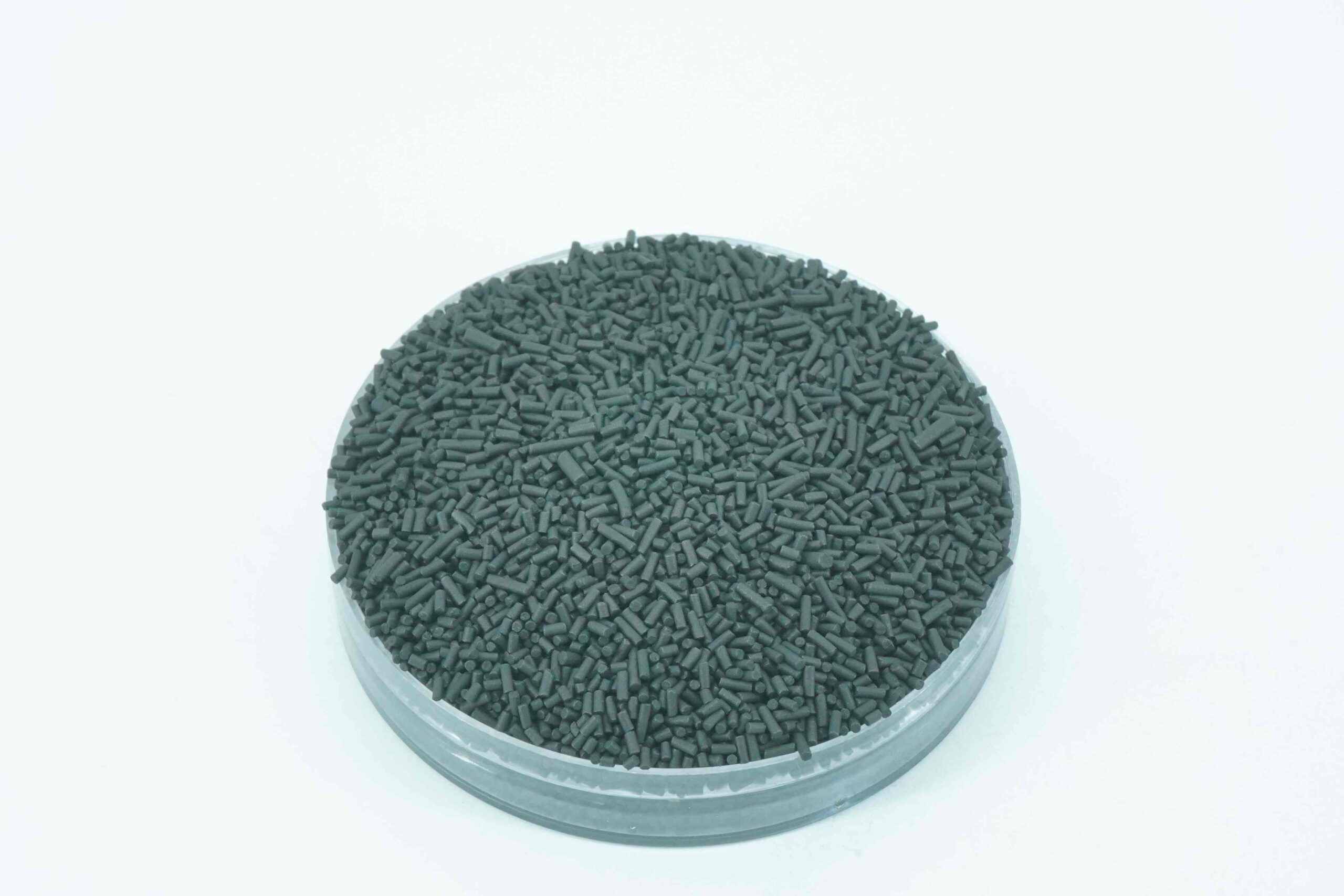
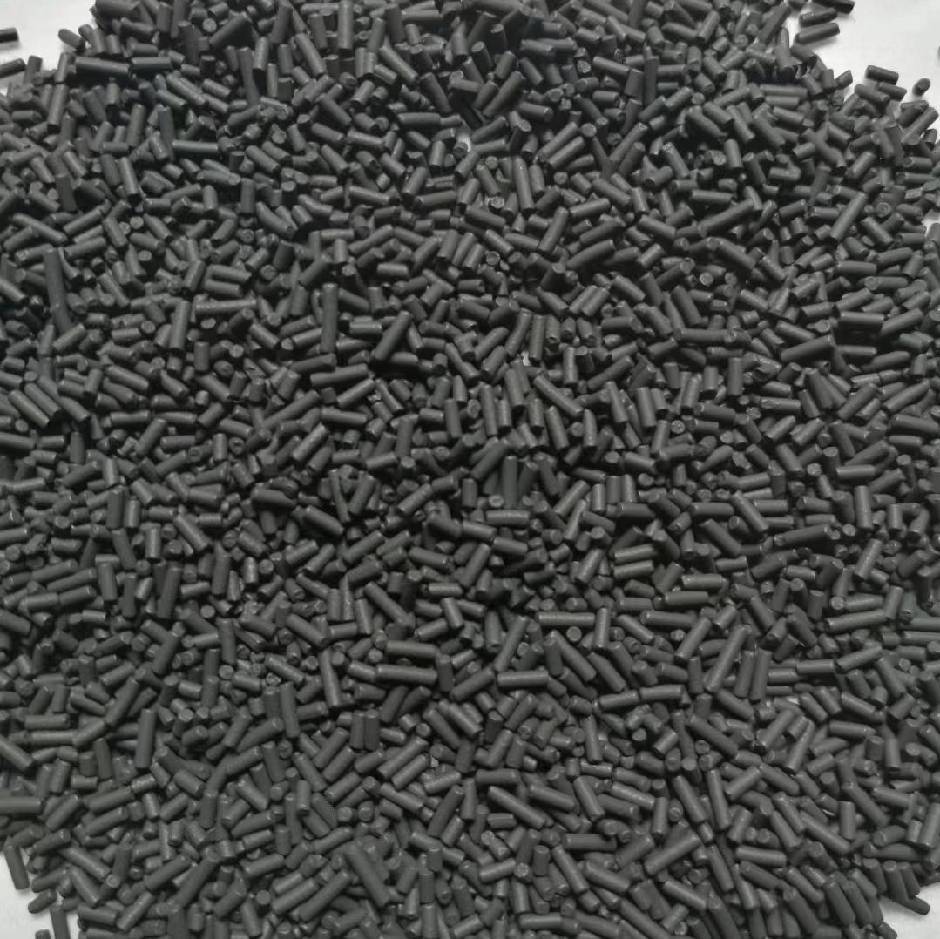
Activated carbon filters perform excellently at removing volatile organic compounds (VOCs), unpleasant odors and residual chlorine. Even so, household users are faced with several notable downsides. These filtration units can only eliminate a limited range of contaminants, and their filter media comes with a relatively short service life. YUANHAO carbon molecular sieves effectively make up for these shortcomings of ordinary activated carbon materials.
Activated carbon filtration is incapable of removing heavy metals, dissolved minerals or microorganisms from water.
For this reason, water purification systems always need additional filtration technologies to deliver satisfactory water quality. Buyers ought to fully understand these limitations prior to purchasing filtration equipment.
Key Takeaways
- Activated carbon filters cannot adsorb heavy metals.
- Dissolved minerals and pathogenic bacteria/viruses cannot be eliminated via carbon filtration.
- Dust buildup and high ambient humidity clog carbon cartridges rapidly.
- Clogging leads to a sharp decline in overall filtration efficiency.
- Carbon cartridges require frequent full replacement, which prevents retained pollutants and bacteria from leaching back into clean water.
Core Disadvantages of Activated Carbon Filters
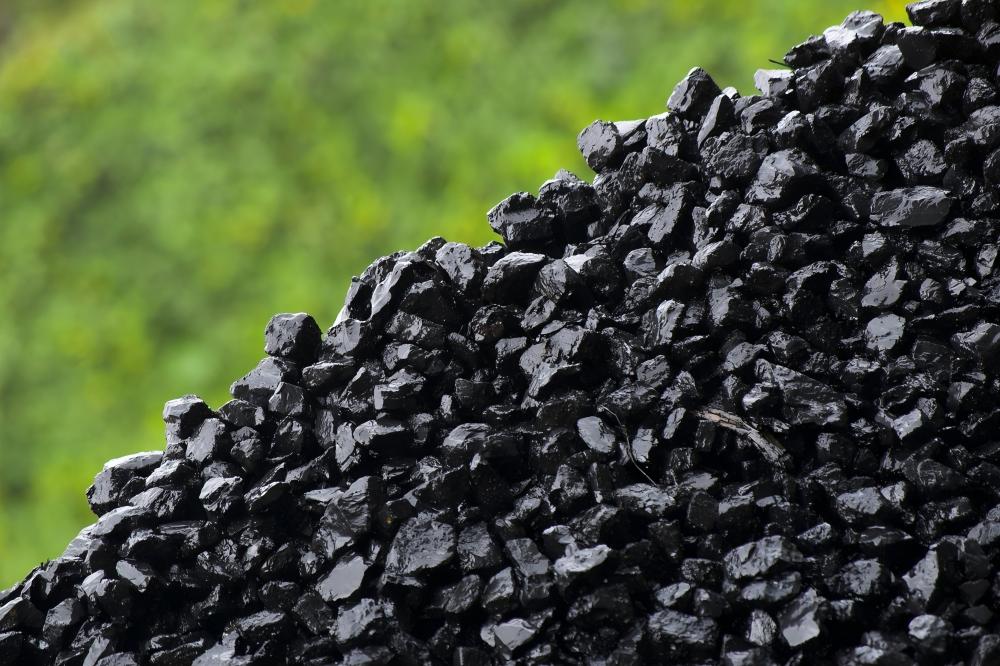
Once you look into its working principle, the flaws of activated carbon filtration become clear. Activated carbon relies on physical adsorption to trap gaseous substances and bind specific organic compounds, yet this purification mechanism has inherent restrictions. Whether you build an air cleaning system or a household water treatment setup, you need to acknowledge these performance limits beforehand.
Ineffective Against Microbes and Heavy Metals in Water Filtration Systems
Activated carbon filters are widely used for residential tap water treatment. They effectively improve water taste, eliminate odors, and remove residual chlorine and organic contaminants. However, standard activated carbon media has no capacity for chemical separation, meaning it cannot capture inorganic dissolved substances in water. The inherent physical properties of carbon define its narrow purification spectrum.
Dissolved mineral salts and toxic heavy metals pass through the carbon layer freely, so treated water still contains hazardous dissolved impurities. Key contaminants that carbon filters fail to remove include:
- Hardness-causing minerals: calcium, magnesium
- Dissolved heavy metals: lead, mercury
- Fluoride ions, chloride ions
- Nitrates, sodium salts
- Pathogens: bacteria, viruses
To overcome these shortcomings, multi-stage water treatment combinations are widely adopted. Most pollutants easily penetrate carbon pores, and carbon alone never guarantees safe drinking water. In the water treatment industry, activated carbon is commonly paired with high-precision filtration technologies. Reverse osmosis (RO) serves as a reliable complementary process, and premium water purifiers all adopt multi-stage filtration structures. Most modern water appliances combine activated carbon with membrane filters to safeguard domestic water safety.
Key Conclusion: Activated carbon only targets organic chemicals and free chlorine. It cannot purify water contaminated with heavy metals, dissolved salts or biological pathogens.
Inability to Trap Fine Particulate Matter and Dust
Activated carbon media also shows obvious weaknesses when applied to indoor air purification. Inside air purifiers, carbon effectively adsorbs VOCs, cooking fumes and chemical vapors, but loose granular carbon cannot block solid particulate matter. Complete indoor air purification demands physical barrier filters working alongside carbon adsorbents to trap solid pollutants.
Standard carbon filter beds allow fine dust and airborne biological particles to pass through. Granular activated carbon (GAC) suffers more structural defects compared with solid carbon blocks, as listed below:
| Structural Feature | Granular Activated Carbon Limitation | Functional Impact |
|---|---|---|
| Bed Density | Loose carbon granules form shifting gaps. | Water creates paths of least resistance (channeling), bypassing carbon adsorption zones. |
| Particle Stability | Loose granules shed fine carbon dust. | System startup causes carbon dust release into clean streams. |
| Pore Control | Wide spaces allow stagnant liquid pockets. | Stagnant regions encourage local bacterial colonization inside the filter unit. |
Loose carbon beds cannot retain PM2.5, pollen, fungal spores and other tiny airborne particles. Therefore, air purifiers must be fitted with HEPA filters together with activated carbon to achieve comprehensive indoor air purification.
Operational Failures and Media Risks of Activated Carbon Filters
Consumers should learn about potential operational hazards before buying filtration devices. Carbon media becomes saturated quickly with accumulated pollutants, and fluctuating environmental conditions easily trigger various malfunctions.
Saturation Limits and Pollutant Breakthrough
Tiny pores inside activated carbon gradually get filled with contaminants, which accumulate throughout the carbon matrix. Once the adsorption capacity reaches its maximum threshold, the filter loses all purification ability, and previously trapped pollutants desorb and leak back into water or air. High-end water systems adopt weight sensors to monitor cartridge saturation; the device triggers replacement reminders once the preset weight limit is reached.
| Inspection Method | Observable Symptom | Indication of Full Saturation |
|---|---|---|
| Sensory check | Chlorine taste and bad odors reappear in water | Pores are fully occupied, pollutants pass through the filter directly |
| Flow & pressure test | Water flow drops noticeably while inlet pressure rises | Blocked pores hinder normal water circulation |
| Visual inspection | Discoloration of cartridge, internal flow channels formed | Filter media collapses and loses filtration functionality |
| Laboratory water testing | Inlet and outlet water quality test results are identical | Activated carbon has no remaining adsorption capacity |
| Performance calibration | Total adsorption capacity reduced to zero | Filter media is completely expired and unusable |
Full carbon beds bring real hazards to homes:
| Hazard Category | Specific Hazard/Impact | Mechanism or Description |
|---|---|---|
| Health Hazards | Microbe Growth | Bugs eat trapped dirt and multiply fast inside. |
| Health Hazards | Poison Risk | Filters dump bad chemicals back into clean water. |
| Health Hazards | Free Pollution | Old carbon lets chlorine and bad smells pass. |
| Environmental Hazards | Heavy Leaching | Wet filters spill big bursts of trapped dirt. |
Microbial Growth in an Activated Carbon Filter
Organic matter retained by carbon serves as nutrients for microorganisms. Bacteria multiply rapidly inside the dark, sealed filter chamber and form slippery biofilms on internal surfaces. Activated carbon itself carries no bactericidal properties, so bacterial buildup steadily deteriorates household water quality.
Primary factors triggering bacterial growth on activated carbon:
- Organic accumulation: retained nutrients continuously feed microbial colonies
- Insufficient residual chlorine: lack of disinfectant to inhibit microbial survival
- Elevated ambient temperature: warm conditions plus slow water flow accelerate bacterial reproduction
- Overdue cartridge replacement: expired filters turn into ideal breeding grounds for germs
Excessive bacterial growth severely endangers drinking water safety. Single-stage carbon filtration cannot curb microbial outbreaks, so filter housings require regular cleaning.
Performance Drops from Greasy Air and High Temperature
Greasy fumes drastically reduce air purification efficiency in residential kitchens. Cooking oil quickly coats the outer surface of carbon micropores, blocking pore channels permanently and shortening filter service life significantly.
High humidity also impairs carbon adsorption efficiency: water vapor competes with polar gaseous compounds such as ketones for available adsorption sites within carbon pores. At a relative humidity of 80%, activated carbon loses half of its VOC adsorption capacity. High ambient temperatures further drive desorption, releasing trapped pollutants back into indoor air.
Commercial kitchens with heavy oil vapor face extremely fast filter depletion, while humid living environments greatly shorten carbon cartridge lifespans. Once clogged, the whole unit’s purification efficiency declines sharply. The common industry solution is to install pre-filters upstream of activated carbon layers. All these drawbacks mean carbon media needs frequent replacement.
Maintenance Burdens and Structural Weaknesses
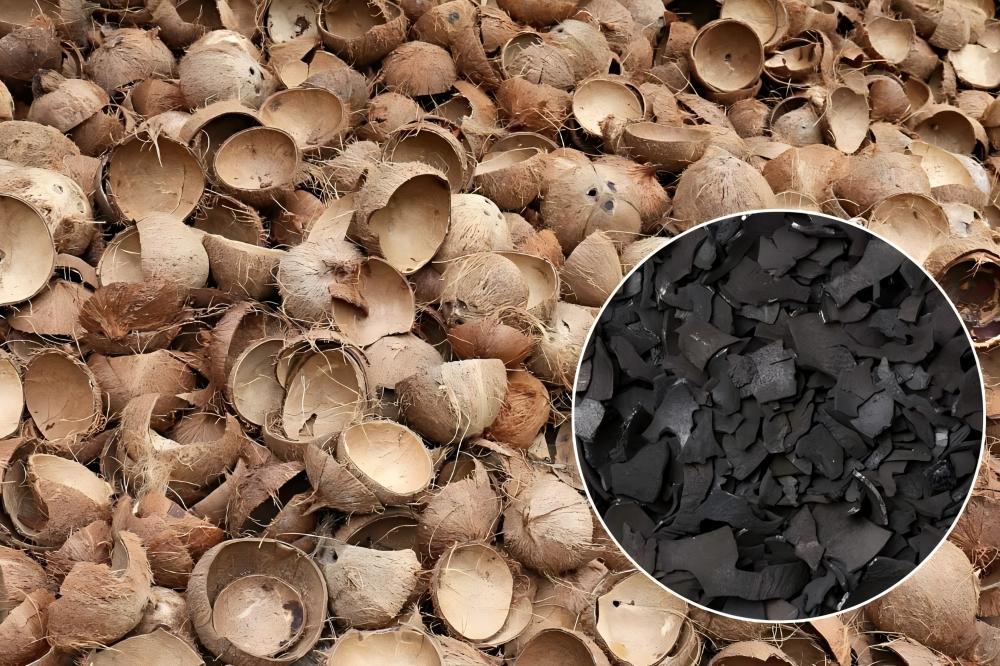
System upkeep costs both time and money, so long-term expenditure must be calculated at the time of purchase.
High Recurring Cartridge Replacement Costs
Carbon media saturates quickly and stops working once the adsorption limit is hit; complete cartridge replacement is mandatory to maintain clean water output.
| Application Type | Typical Replacement Frequency |
|---|---|
| Air Filters | 3 to 12 months |
| Water Filters | 6 to 24 months |
Frequent replacements raise cumulative operating costs year on year. Many retailers purchase cartridges in bulk from suppliers such as YUANHAO. Delayed replacement inevitably leads to secondary water contamination from leached pollutants.
Fragility and Weight Issues in Bonded Carbon Filters
Solid carbon blocks are compressed with adhesive binders, which makes them heavy and structurally brittle. Internal cracks easily develop during transportation, allowing unfiltered raw water to seep through gaps and render the whole water system ineffective. Careful daily maintenance is required to keep activated carbon filtration systems running steadily.
All limitations should be clarified before purchase. Pure activated carbon filtration cannot treat high levels of contaminants, so modern water purifiers integrate multiple technologies to compensate for its weaknesses:
- Reverse osmosis membranes: remove dissolved heavy metals
- Ion exchange resins: trap dissolved mineral hardness
- UV sterilization modules: inactivate pathogenic microorganisms
Regular equipment cleaning and on-time cartridge changes effectively prevent secondary pollutant leakage.
FAQ
How often do users need to replace an activated carbon filter?
Air filter owners swap parts every 3 to 12 months.
Water filters need new cartridges every 6 to 24 months.
Fresh filters stop dirt from leaking into clean water streams.
Can an activated carbon filter make water safe to drink alone?
No.
Carbon filters cannot kill bad water germs.
They also miss toxic heavy metals.
Water systems must add reverse osmosis or UV light stages.
Extra filter steps keep drinking water totally clean and safe.
Why does high humidity reduce carbon filter performance?
Air moisture fights chemical vapors for free filter spots.
Wet air drops fill tiny carbon holes fast.
This cuts gas trapping power right in half.