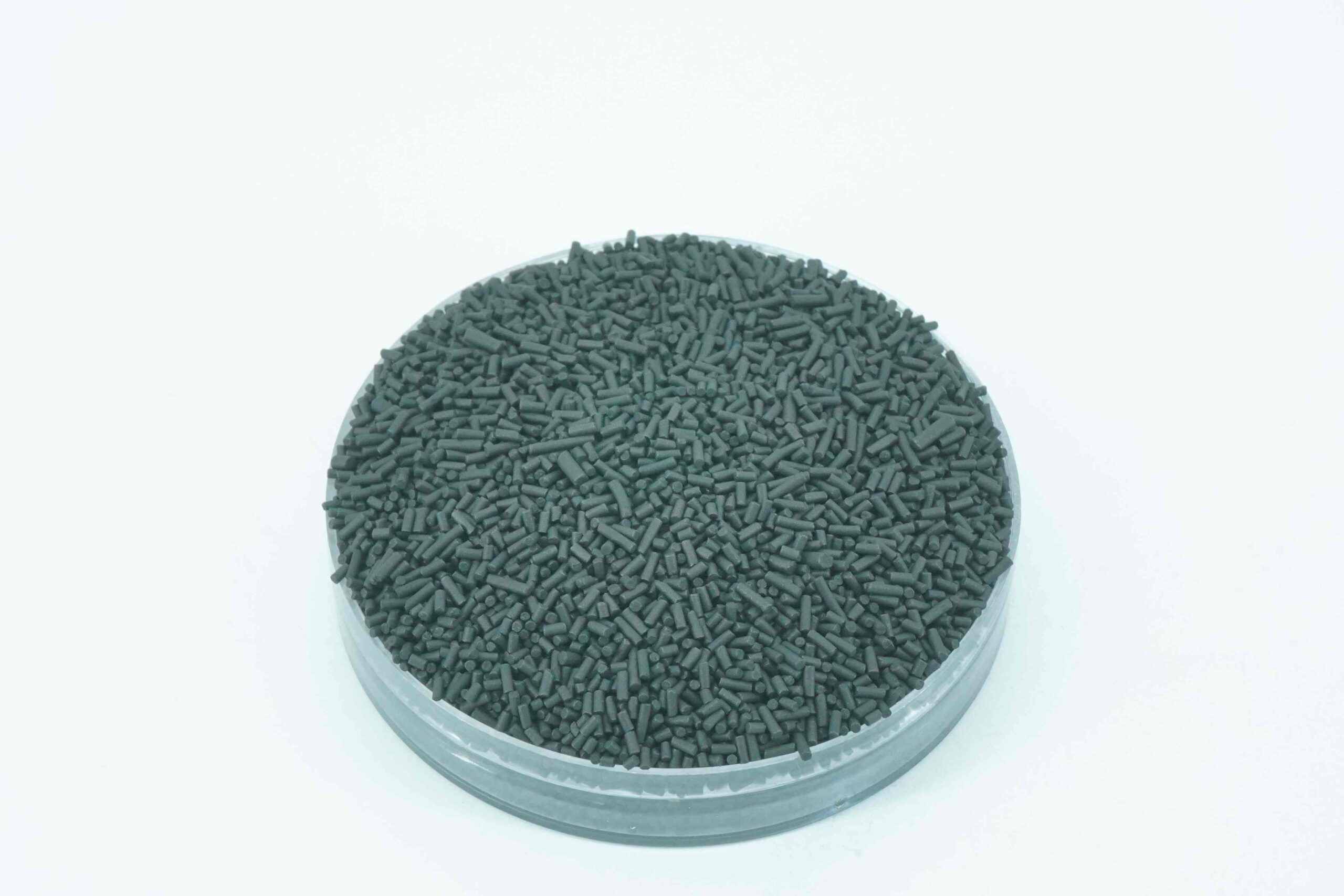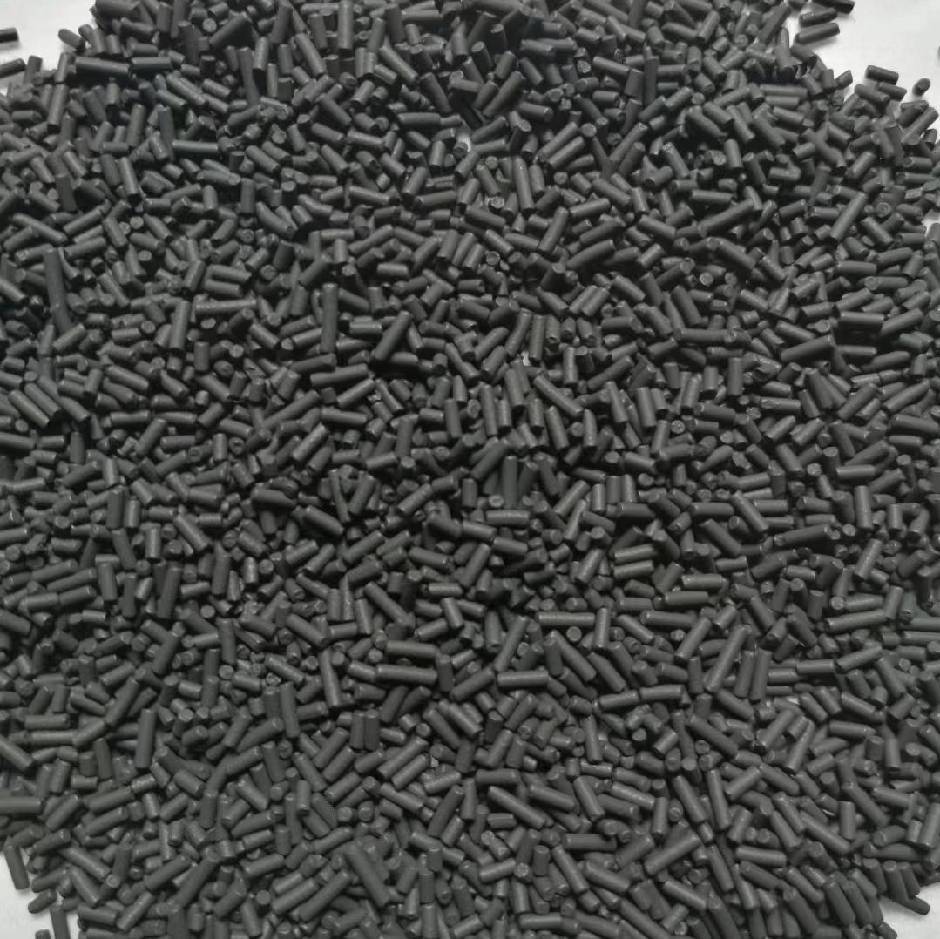
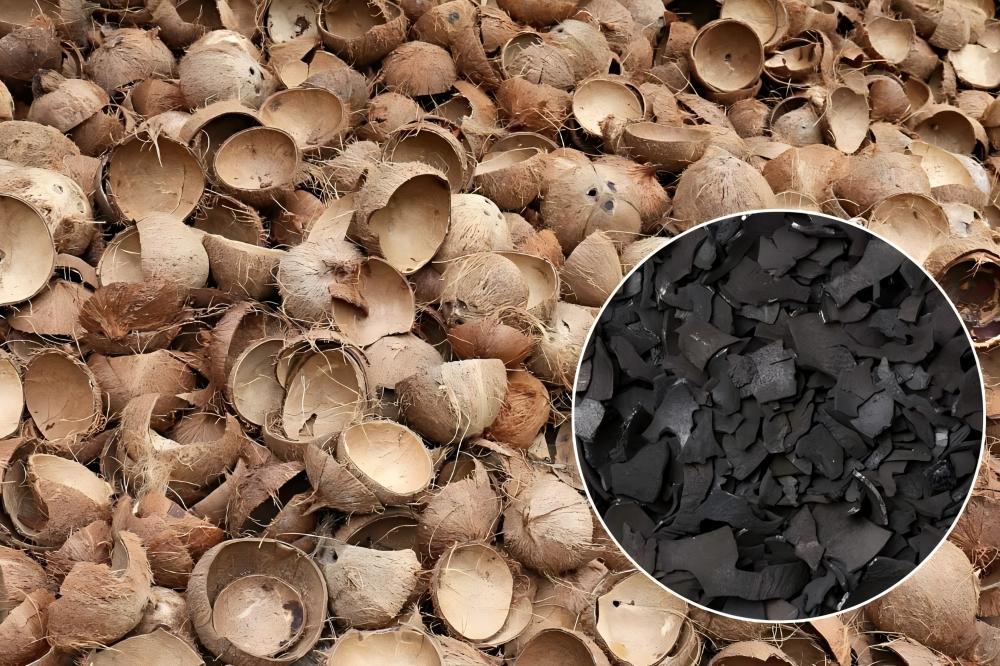
Carbon molecular sieve (CMS) is a special class of activated carbon. It exists as solid cylindrical pellets with elemental carbon forming the internal matrix. Manufacturers produce this carbon-based material using raw feedstocks including coal, coconut shell and synthetic resin. Its precisely sized micropores enable rapid separation of air into nitrogen and oxygen streams. Pressure swing adsorption (PSA) systems utilise carbon molecular sieves for industrial gas separation.
Key Takeaways
- Makers turn coal, coconut shells, or resins into tough carbon molecular sieves used for separating different gases.
- Small micropores catch quick oxygen molecules while letting clean nitrogen gas pass through rapidly.
- Using clean, dry air protects the tiny carbon pores and helps the sieves last longer.
Carbon Molecular Sieve Composition and Precursors

Chemical Makeup and Raw Materials
Manufacturers rely on well-proportioned raw materials to produce high-performance gas adsorbents. Premium carbon molecular sieves start with solid carbon substrates. Common carbon sources selected by processing plants are coconut shell, coal and synthetic resin.
In the early production phase, these base materials are thoroughly blended with coal tar. Heated processing equipment treats hydrocarbon vapours under high temperature; typical feed gases include methane, ethane and benzene. Thermal cracking takes place inside insulated reaction chambers. Fine carbon particles generated from pyrolysis deposit within the internal pore channels.
YUANHAO, a major global supplier, manufactures high-grade YH series carbon molecular sieves for extensive industrial use. Proprietary forming techniques convert raw carbon mixtures into dense, uniform pellets. The finished product adopts a neat cylindrical shape with a controlled diameter of 1.2–1.5 mm. This precise dimension reduces pressure drop inside large vertical adsorption towers. Industrial systems require robust adsorbents to resist breakage under continuous gas flow. Individual pellets deliver crushing strength exceeding 100 N per piece. Superior mechanical integrity prevents particle fragmentation during frequent pressure fluctuations. Carefully calibrated constituent ratios build stable carbon matrices to support bulk industrial orders.
Carbonization and Thermal Processing
Controlled heating transforms shaped carbon pellets into effective gas adsorbents. Formed pellets are loaded into sealed kilns with strict atmosphere regulation. Targeted thermal treatment eliminates residual volatile components from the solid substrate. This critical procedure directly determines mechanical strength and thermal resistance. Heating rates exert significant influence over final pore geometry, pore volume and bulk density.
| Process Parameter Category | Described Condition / Factor |
|---|---|
| Carbonization Atmosphere | Inert environment / inert atmosphere |
| Thermal Process Name | Controlled pyrolysis / carbonization |
| Key Optimized Parameters | Temperature, atmosphere composition, treatment duration, heating rate, final temperature |
| Objective of Optimization | To achieve specific pore size distributions, balance thermal stability and molecular sieving properties |
| Associated Process Step | Heat treatment at specific temperatures following pyrolysis |
Accurate temperature control develops micropore frameworks required for reliable separation. A secondary thermal treatment further narrows pore openings to uniform dimensions. Consistent pore sizes facilitate stable gas separation within downstream equipment. Smaller oxygen molecules quickly diffuse into narrow carbon pores, while larger nitrogen molecules travel through the pellet bed without entering internal pore networks. This selective diffusion improves productivity of PSA units for industrial operations. Carbon molecular sieves are widely adopted by engineering teams to sustain consistent gas separation performance over years of continuous operation. Standardised high-temperature processing guarantees stable output during long-term industrial gas separation cycles.
Microporous Structure and Gas Separation Mechanism of Carbon Molecular Sieves
Uniform Micropore Size Distribution
Adsorbent performance in continuous gas separation relies heavily on physical microstructure. Carbon molecular sieves are engineered with customised pore architectures. Unlike conventional activated carbon featuring broad, irregular channels, CMS possesses tightly regulated micropores.
| Property | Carbon Molecular Sieve (CMS) | Standard Activated Carbon (AC) |
|---|---|---|
| Primary Micropore Size Range | Carefully set at 0.3–0.5 nm. | Not listed; built inside a mixed layout. |
| Pore Size Distribution | Very exact (difference under 0.02 nm). | Wide layout, mixing small, medium, and big pores. |
| Pore Structure | Matching tiny pores made to sort tiny gas molecules. | Messy, multi-level path system. |
| Key Design Purpose | Gas separation by checking small molecule sizes. | General trapping of many different dirty particles. |
| Pore Volume Concentration | Set tightly around 0.4–0.6 cm³/g. | Not listed for just small micropores. |
Technicians characterise pore structures using standard analytical instruments. Nitrogen adsorption tests measure micropores below 2 nm after samples undergo drying at 200–350°C for 12–24 hours. Manufacturers tune pore structures by selecting raw materials, adjusting calcination temperatures and modifying activation duration. Chemical vapour deposition can also be applied to deposit carbon on inner pore surfaces and enhance overall separation efficiency.
Kinetic Diffusion of Oxygen and Nitrogen
Tech teams craft inner molecular sieves to keep a pore size distribution between 0.28–0.38 nm, which lets gases separate by speed.
- Gas separation in carbon molecular sieves depends on gas molecule sizes and exact micropore spaces.
- The pore size distribution in the carbon molecular sieve adsorbent rests strictly within 0.28–0.38 nm.
- Oxygen molecules are smaller in size, so they rush quickly into these micropores for swift trapping.
- Nitrogen molecules are larger in size, so physical barrier shapes slow their inner travel speed.
- This physical speed difference helps complete gas separation, holding oxygen in the solid block while pure nitrogen flows out.
“The separation of carbon molecular sieve oxygen and nitrogen in the air is mainly based on the difference of diffusion rate of these two kinds of gas on the surface of CMS. The diffusion rate of gas molecules (O2) with smaller diameter is faster, and more of them enter the pore of carbon molecular sieve. The gas molecules with larger diameter (N2) have a slower diffusion rate and fewer go into the pore of carbon molecular sieve.”
Factory pressure swing units run this sorting cycle under working pressures of 0.6–0.8 MPa. Modern molecular sieves make high-purity gas streams across different product types. CMS-220 delivers 99.00% to 99.99% pure nitrogen output. Top models like CMS-240, CMS-260, CMS-280, CMS-300, CMS-330, and CMS-350 reach nitrogen purities from 99.5% up to 99.999% for vital factory needs.
Industrial Performance and Operational Parameters
Feed Air Purification and Moisture Control
Comprehensive air pretreatment protects CMS beds from permanent damage. Oil contaminants block micropores inside the sieve structure, gradually diminishing adsorption capacity over operation cycles. Removal of compressor oil prevents premature failure of gas separation equipment.
Water vapour causes severe deterioration to adsorbent materials. Moisture triggers material swelling, leading to pulverisation, pellet breakage and shortened service life. Complete feed air drying stabilises gas separation processes and preserves structural integrity of adsorption beds.
Pressure Swing Adsorption Cycle Dynamics
Nitrogen generation plants rely on pressure swing adsorption to produce nitrogen continuously. YUANHAO complete systems operate within a pressure window from 0.5–0.6 MPa up to 1.0–1.6 MPa. Standard cycle settings are 80–120 seconds × 2 to improve nitrogen recovery. Stable ambient temperatures of 20–25°C maintain optimal separation efficiency.
Gas separation inside adsorption towers consists of two main phases. During the adsorption stage, compressed air passes through the CMS bed. Oxygen is captured while purified nitrogen flows into storage tanks. Valves then rapidly reduce pressure for regeneration. Desorption releases trapped oxygen, regenerating the carbon molecular sieve bed. Regenerated sieves are reused for food packaging, energy storage, metal processing, oil and gas treatment and other applications.
Engineered elemental carbon drives efficient gas separation. Controlled micropore structures in each carbon molecular sieve directly optimize gas separation results. Solid molecular sieves with high mechanical strength ≥100N/pcs prevent bed pulverization. This high strength ensures multi-year operational longevity inside pressure swing adsorption plants. Clean feed air protects delicate carbon pore networks for reliable gas separation.
FAQ
What primary raw materials form a carbon molecular sieve?
Plants combine coal, coconut shells, or artificial resins with coal tar. Hot gas vapors leave tiny carbon bits inside the firm round pellets.
How does pore size affect gas separation efficiency?
Small micropores sized 0.28 to 0.38 nanometers let fast oxygen enter quickly. Bigger nitrogen molecules move through the pile, driving easy gas separation.
What mechanical strength protects sieves during pressure cycles?
Strong crush safety over 100N per bit stops pellet damage. This toughness prevents bit breakdown during fast pressure shift steps in gas sorting plants.