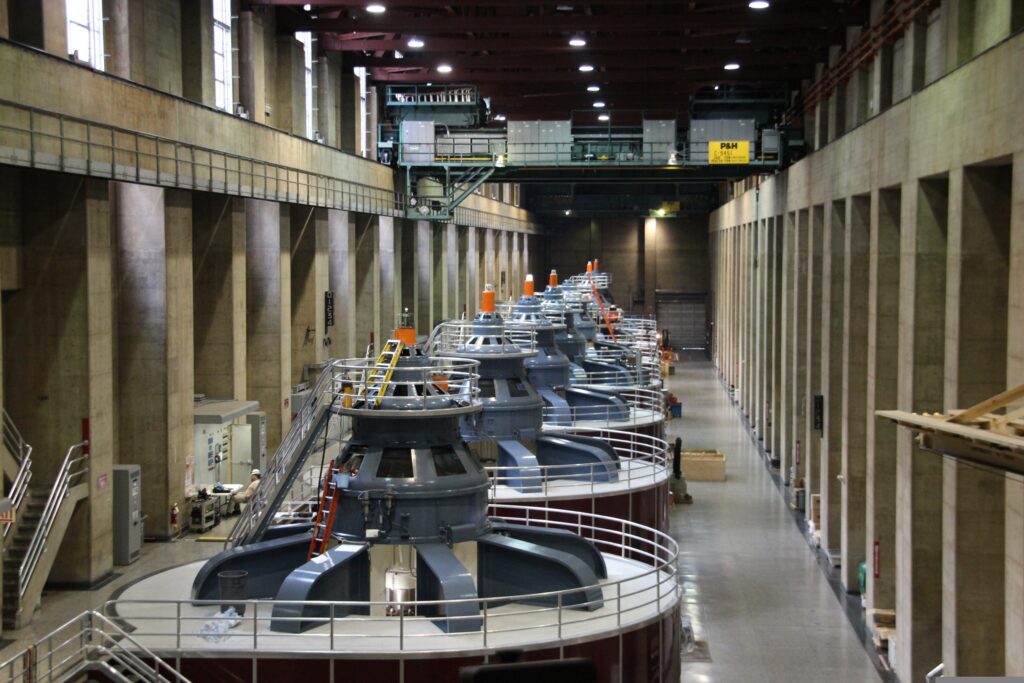
The core differences between PSA and ASU lie in their operating principles and application scenarios. PSA separates various gases by means of adsorbents under varying pressure levels, while ASU adopts cryogenic distillation to produce gas in massive volumes all at once. Multiple practical studies have proven that picking the proper gas separation technology directly affects overall operating costs and working efficiency.
| Technology | Efficiency Performance | Cost Efficiency |
|---|---|---|
| Cryogenic Distillation (ASU) | Moderate energy consumption, highly stable gas output | Ideal for large-scale gas supply in heavy industrial plants |
| Non-Cryogenic Process (PSA) | Lower upfront equipment and maintenance costs | Suitable for small and medium gas consumption demands |
Key Takeaways
- PSA works best for small-to-medium gas usage cases. It adjusts gas output rapidly and comes with lower overall investment costs.
- ASU specializes in generating huge volumes of ultra-high-purity gas, widely adopted in heavy industries including steel manufacturing and petrochemical processing.
Enterprises should make selections based on actual production needs, mainly taking three factors into account: required gas purity, total gas consumption, and energy expenses.
What is PSA (Pressure Swing Adsorption)?

How Pressure Swing Adsorption Works
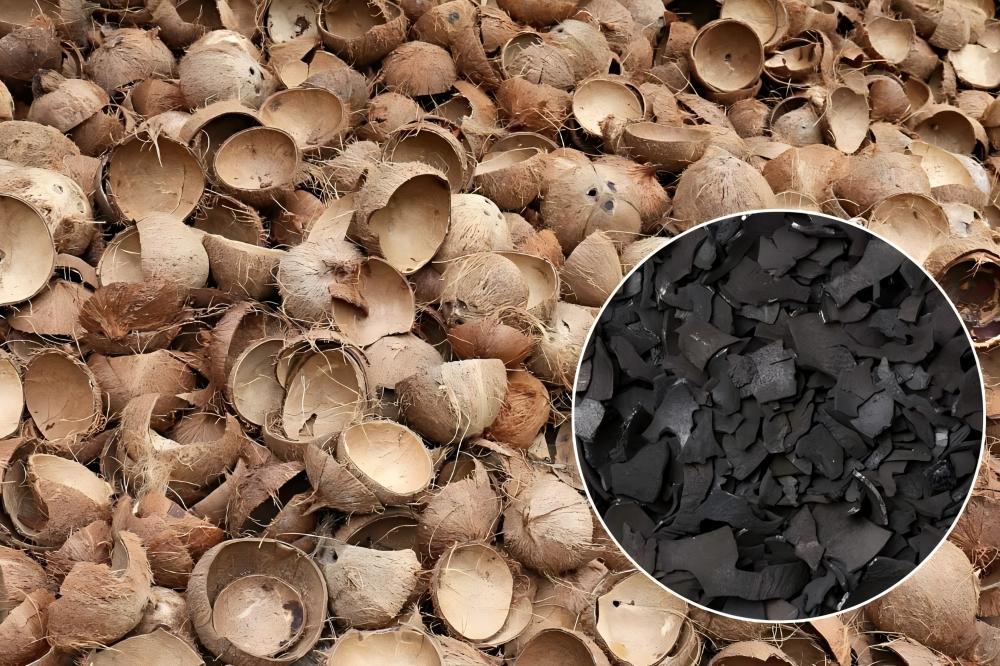
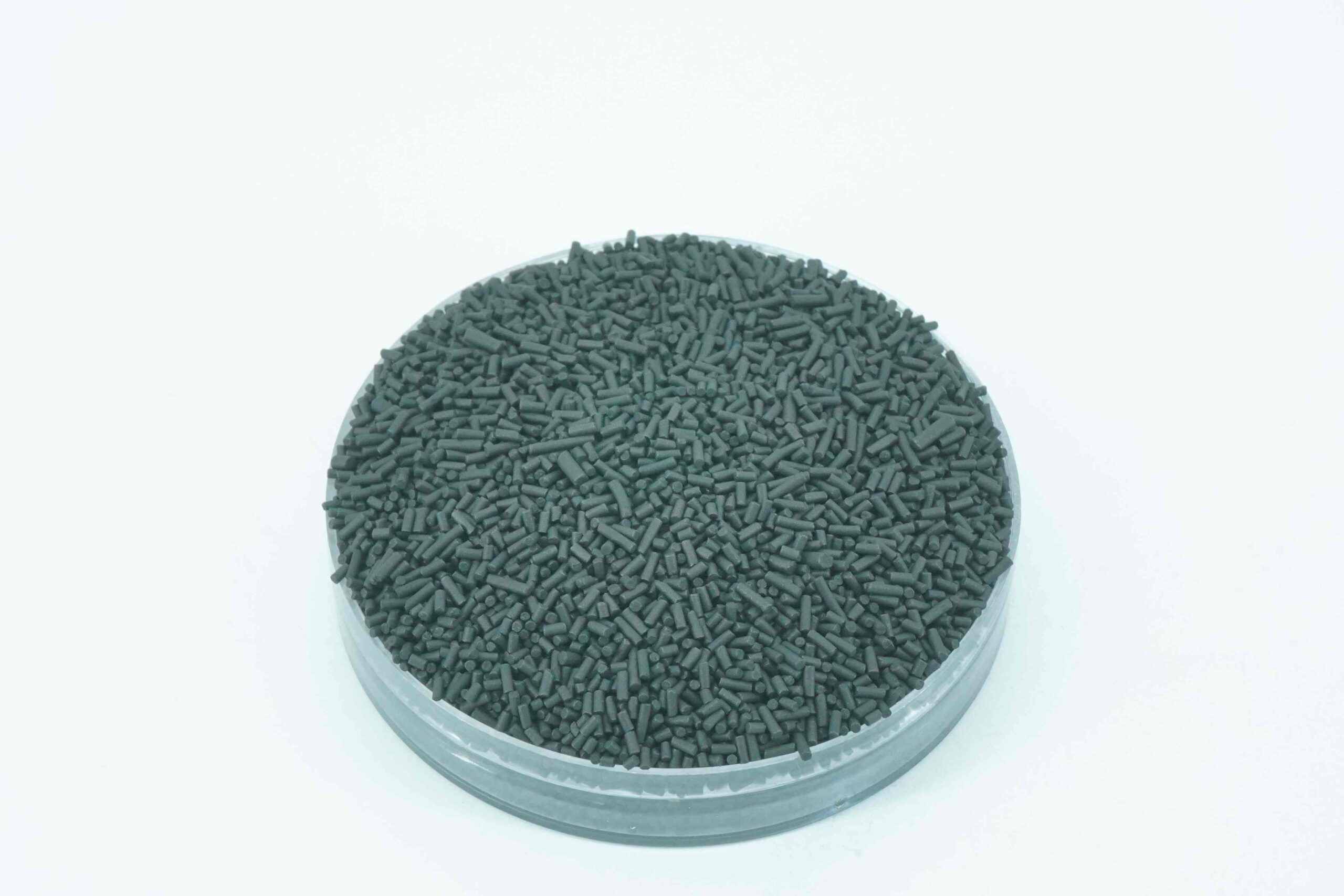
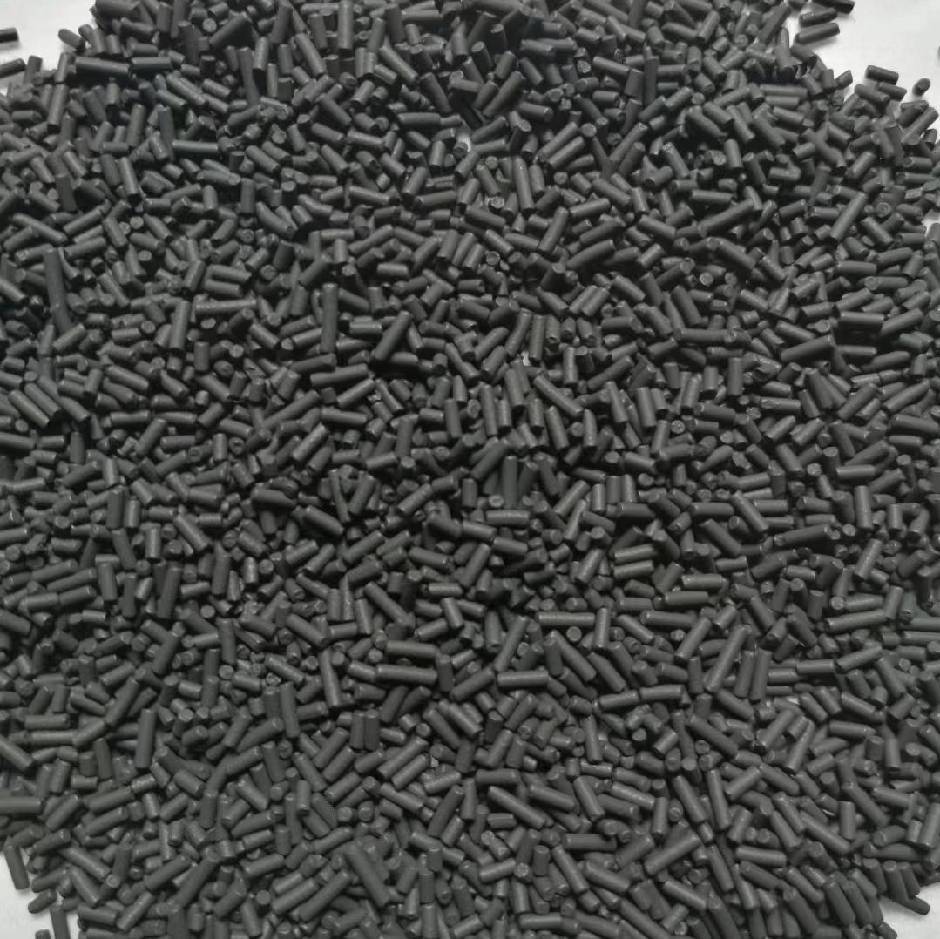
PSA relies on adsorbents such as carbon molecular sieves to split air into different components. Under high pressure, gas molecules adhere to the surface of solid adsorbents, and different gases bind to the adsorbent with different intensities, which enables component separation. Carbon molecular sieves sort gas molecules accurately according to their size and shape.
When applied to on-site nitrogen and oxygen production from air, the adsorbent traps oxygen preferentially, allowing nitrogen to pass through the adsorption bed and become the finished product. The system continuously collects target gas by switching between high-pressure and low-pressure cycles.
Key Features of PSA
Conventional PSA equipment boasts numerous practical merits: fast adsorption speed and stable overall operation. Carbon molecular sieves deliver outstanding nitrogen selectivity and consistent gas production performance. The equipment enjoys a long service life and requires minimal routine maintenance. Thanks to high bulk density, more nitrogen can be generated within limited space. Users are allowed to adjust nitrogen purity freely, and its energy-saving features cut gas expenditure across various industrial fields.
YUANHAO develops and supplies carbon molecular sieves dedicated to PSA nitrogen generators, with reliable adaptability for all industrial applications.
Typical PSA Applications
PSA technology has been widely applied across many sectors: hydrogen purification, float glass production, metal heat treatment, and chemical synthesis.
PSA nitrogen generators deliver nitrogen with purity ranging from 95% to 99.999%.
- Food & Beverage: Nitrogen filling extends shelf life by keeping goods fresh
- Pharmaceutical Industry: Creates inert surroundings to secure drug quality and stability during storage
- Automotive Manufacturing: Provides inert protection for fuel pipelines
- Oil & Gas: Ensures operational safety during drilling procedures
- Aviation Sector: Used for equipment maintenance and fuel safety management on aircraft
What is ASU (Air Separation Unit)?
How Air Separation Unit Works
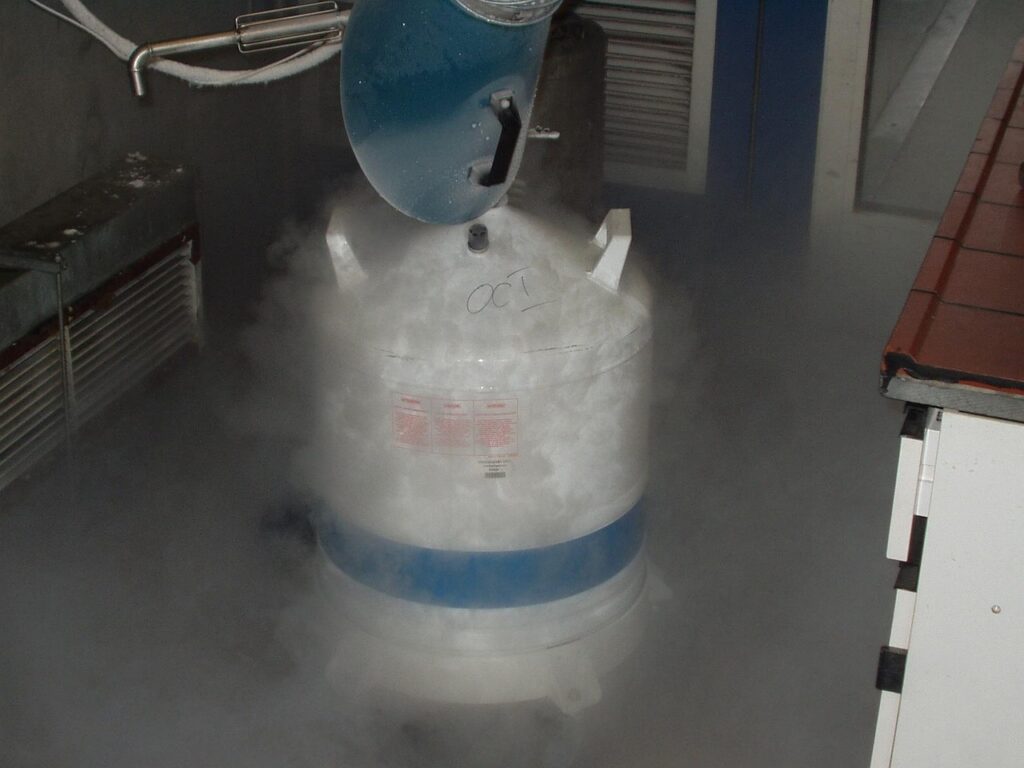
ASU produces high-purity industrial gas via cryogenic air separation. Air is cooled down thoroughly until it turns into liquid, then liquid air is divided into oxygen, nitrogen and other components through distillation. This process is perfectly suited for uninterrupted large-volume gas production, yielding oxygen and nitrogen with much higher purity than PSA systems. Its main downside is the lengthy time required to adjust gas output capacity.
Cryogenic air separation is tailor-made for heavy industries with massive demand for ultra-pure gas supplies.
Parameter Comparison: PSA vs Cryogenic ASU
| Comparison Item | Cryogenic ASU | PSA System |
|---|---|---|
| Operating Temperature | Extremely low temperature | Near room temperature |
| Oxygen Purity | Generally above 99.5% | 90% ~ 95% |
| Nitrogen Purity | Up to 99.999% | 95% ~ 99.5% |
| Production Capacity | Continuous ultra-large flow output | Small & medium flow, quick capacity adjustment |
| Demand Response Speed | Slow adjustment, takes several hours | Reachable adjustment within minutes after startup |
| Rare Gas Extraction | Capable of co-producing argon and other rare gases | Unable to extract rare gases |
| Ideal Applications | Steel plants, petrochemical plants, semiconductor manufacturing | Medical usage and general small-to-medium industrial production |
Key Features of ASU
Cryogenic distillation efficiently manufactures high-purity oxygen and nitrogen, fully meeting large-scale production standards and strict purity requirements. Ongoing technical upgrades reduce energy consumption and carbon emissions continuously, complying with global environmental regulations, and deliver non-stop high-purity gas supply for industrial production.
| Advantage Category | Detailed Explanation |
|---|---|
| Cryogenic Distillation Process | Top choice for mass production of high-purity gas, ideal for large industrial projects |
| Technical Innovation & Sustainability | Reduces energy use and carbon footprints to meet environmental compliance standards |
Typical ASU Applications
Heavy industries rely on cryogenic air separation to obtain large quantities of industrial gas:
Steel mills adopt high-purity oxygen and nitrogen for furnace cleaning and inert atmosphere protection; chemical plants need stable high-purity gas to sustain continuous synthetic processes; electronic chip manufacturers use ultra-high-purity nitrogen for wafer fabrication. Oil refineries and hospitals also depend on uninterrupted gas supply.
- Petrochemical Industry: Supplies oxygen (95%~99% purity) and nitrogen (99.9% purity) for chemical synthesis
- Electronics Manufacturing: Provides 99.999% ultra-high-purity nitrogen for wafer processing
- Steel Smelting: Delivers oxygen (99.5%~99.9% purity) and nitrogen for steelmaking combustion support and atmosphere shielding
| Gas Type | Purity Level |
|---|---|
| Oxygen (O₂) | Up to 99.5–99.9% |
| Nitrogen (N₂) | 99.9% to 99.999% |
Cryogenic air separation helps industries get pure gases for important jobs.
Main Difference Between PSA and ASU
Gas Purity and Output
Noticeable gaps exist in gas purity between the two technologies:
- PSA produces nitrogen at 95%~99.99% purity and oxygen at 90%~95% purity;
- ASU can generate nitrogen up to 99.999% purity and oxygen above 99.6%.
ASU is preferred for production lines with strict high-purity standards, while PSA fits small-to-medium scenarios where adjustable gas purity is required.
ASU is good for big jobs needing very pure gas. PSA lets users control purity for smaller jobs.
Production Capacity
PSA is designed for small and medium enterprises; it starts up rapidly and allows flexible output adjustments anytime.
ASU is exclusively built for large factories, running at full capacity around the clock to satisfy extremely high gas consumption demands.
Choose PSA if your gas demand fluctuates frequently; pick ASU for long-term stable large-flow gas consumption.
Energy Efficiency
Energy efficiency changes how much it costs to run. PSA and ASU use about the same power for small plants. PSA oxygen plants use about 98 kW. Small ASU units use around 102 kW. PSA saves energy for small jobs and on-site use. ASU is better for big jobs and pure gas.
Installation and Maintenance
PSA and ASU need different setups and care. PSA needs compressors, adsorbers, and control systems. ASU needs special cryogenic machines and takes longer to set up. PSA needs checks on compressors and adsorbers. ASU needs skilled workers for cryogenic parts. Both need safety steps like pressure relief valves and training.
- Capital Expenditures: PSA costs less to start and installs faster. ASU costs more and takes longer to set up.
- Operational Expenditures: PSA uses electricity and needs maintenance. ASU costs more for special parts and skilled workers.
- Maintenance Needs: PSA needs regular care for adsorbers and compressors. ASU needs checks on cryogenic systems.
Flexibility and Cost
PSA features a modular structure, enabling easy capacity expansion by adding extra units according to growing gas needs. ASU has fixed design parameters, leaving little room for later modifications and slow capacity regulation.
| Comparison Item | PSA System | ASU Unit |
|---|---|---|
| Operational Flexibility | Modular layout, fast response to demand changes | Low flexibility, slow capacity adjustment |
| Scalability | Simple capacity expansion via additional modules | Designed for fixed large flow, hard to expand later |
| Deployment Period | Fast installation for small & medium projects | Long construction cycle for complete large-scale units |
PSA costs $0.035 to $0.065 per cubic meter of nitrogen. ASU liquid nitrogen costs $0.10 to $0.18 per cubic meter. PSA setup costs $60,000 to $120,000. Medium plants can save $20,200 each year.
PSA with carbon molecular sieve is good for flexible, on-site nitrogen. ASU is best for big jobs needing pure gas.
Knowing the difference helps businesses pick the right system. PSA is best for flexible, low-cost, and moderate purity needs. ASU is best for high purity and large amounts for big industries.
Choosing PSA or ASU for Your Industry
Industry Suitability
Large-scale heavy industrial plants including steelworks and petrochemical complexes opt for ASU, as they need continuous supply of enormous volumes of high-purity gas. Small and medium-sized factories mostly adopt PSA systems, widely used in food processing, electronics production and medical sectors.
Final decisions hinge on three core factors: required gas purity, daily gas flow demand, and local energy costs. Regional conditions also influence selection in areas such as Indonesia: regions with high electricity prices tend to favor energy-saving gas separation equipment.
Tip: Enterprises should evaluate geographic location, power expenses and purity requirements before finalizing technology selection.
Application Scenarios
The best technology depends on the job. PSA is good for small plant upgrades and medium oxygen needs. ASU is best for big factories and lots of gas. The table shows common uses:
| Technology | Capacity (O₂) | O₂ Purity (%) | Applications |
|---|---|---|---|
| Cryogenic ASU | Large | ~99–99.5 | Steel, petrochemicals, big factories |
| PSA (O₂) | Small–Medium | ~90–95 | Food, electronics, medical, upgrades |
| Membrane | Very Small | <40 | Portable, mobile, enrichment |
PSA can change fast when demand goes up or down. ASU gives steady gas for nonstop work.
Cost and Operational Considerations
Cost matters when picking PSA or ASU. PSA costs less to start and sets up fast. It can change gas output as needed. ASU costs more at first but gives pure gas for big jobs. Energy use changes how much it costs to run. Companies must plan loads and use waste heat to save money. Predictive tools help stop surprise breakdowns. Safety steps and training make systems work better.
| System Type | Cost Considerations | Operational Flexibility |
|---|---|---|
| PSA | Lower capital expenditure, quick setup | Adjusts production for demand |
| ASU | Higher initial costs, large-scale use | High purity, steady supply |
Picking the right system helps companies save money and work well with industrial gases.
Industry experts share important facts:
- PSA works well for jobs needing one gas in medium or high amounts.
- ASU is good for jobs needing lots of different gases and very pure gases.
- How much it costs to run and how much energy it uses are important.
| Model | Application Description | Key Benefits |
|---|---|---|
| CMS-240 | Used in packaging drinks, biotech, glass, and mining | Good purity and lasts a long time |
YUANHAO helps companies pick the best PSA or CMS system.
FAQ
What is the main advantage of PSA technology?
PSA systems start up quickly. They let you pick how pure the nitrogen is. PSA costs less to install. Many companies use PSA to make nitrogen right where they need it.
How does ASU produce high-purity gases?
ASU uses cryogenic distillation. This process splits air into pure oxygen and nitrogen. Big factories use ASU to get lots of gas.
Why do companies use carbon molecular sieve in nitrogen generators?
Carbon molecular sieve helps separate nitrogen well. YUANHAO sells strong CMS that works well in PSA nitrogen generators.