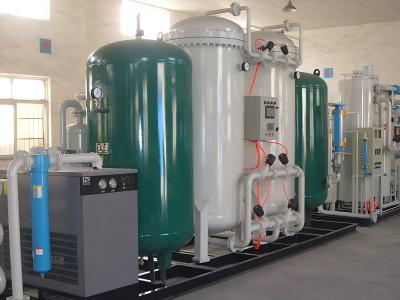
A PSA nitrogen generator extracts nitrogen directly from compressed air via pressure swing adsorption technology, with YUANHAO carbon molecular sieve (CMS) as the core adsorbent. The system adopts twin adsorption towers, which alternately work under high pressure for nitrogen production and low pressure for regeneration. With this cyclic operation, on-site PSA nitrogen equipment can continuously deliver nitrogen with high purity. Auxiliary standard equipment ensures stable operation of the whole system.
Key Takeaways
- PSA nitrogen generators use carbon sieves to catch oxygen, creating nitrogen gas that is up to 99.999% pure.
- Two equipment tanks automatically trade off pressure steps to deliver a steady flow of pure nitrogen.
- Local PSA systems reduce long-term power expenses and function for twenty years with very little upkeep.
Nitrogen Generator Working Principle
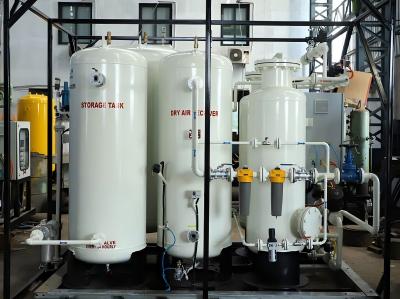
Industrial nitrogen generators separate gas through physical adsorption instead of chemical reaction or cryogenic liquefaction. Clean compressed air flows into adsorption towers and gets separated by dedicated adsorbent media. Modern industrial units apply carbon molecular sieve to separate high-purity nitrogen from ambient air. This physical screening technology runs reliably and supports non-stop factory production under ambient temperature.
Carbon Molecular Sieve Working Principle
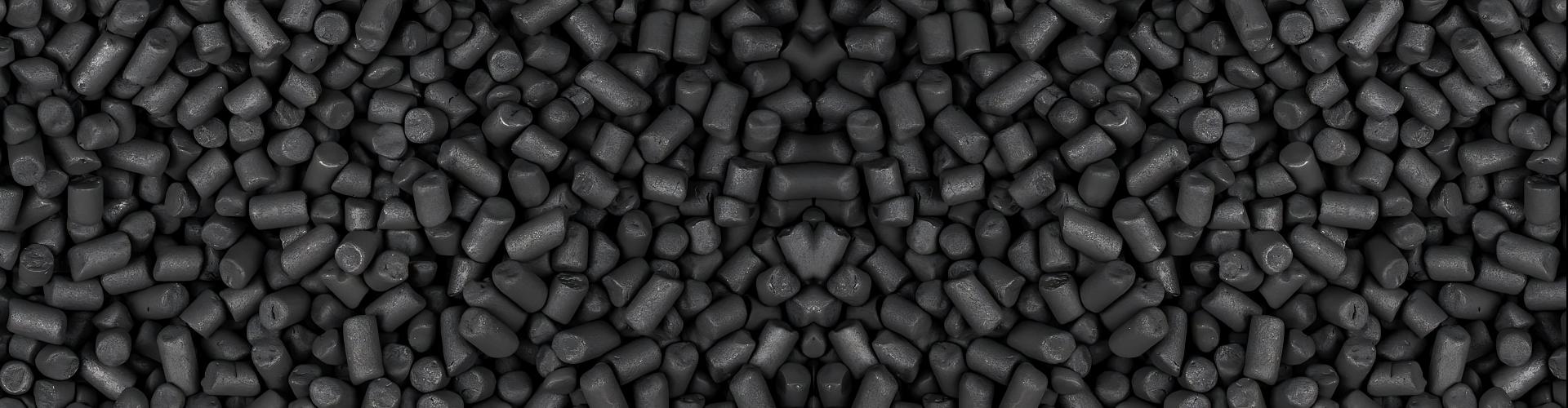
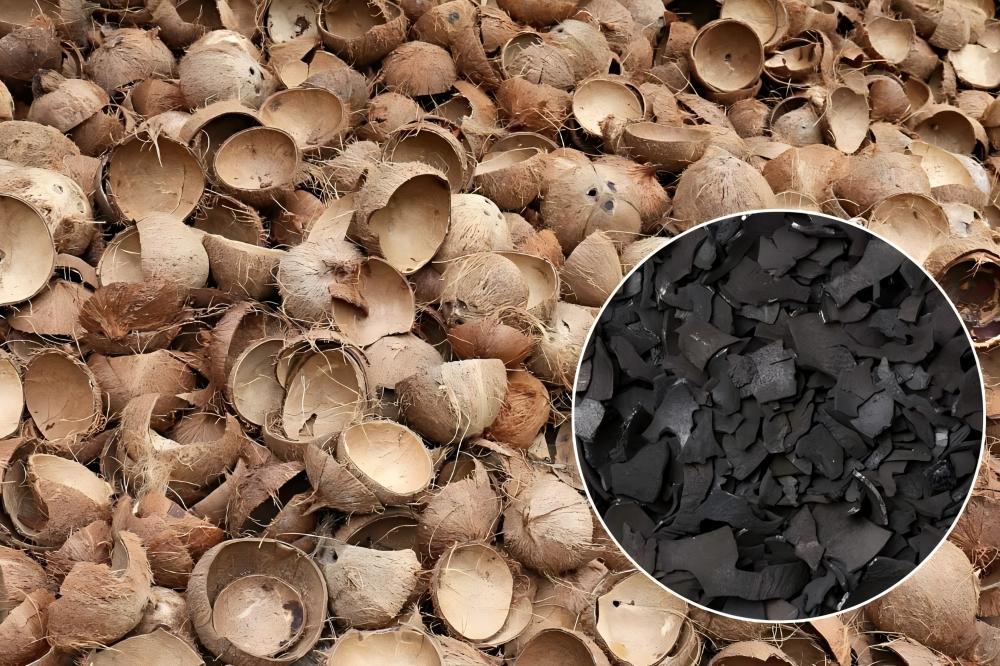
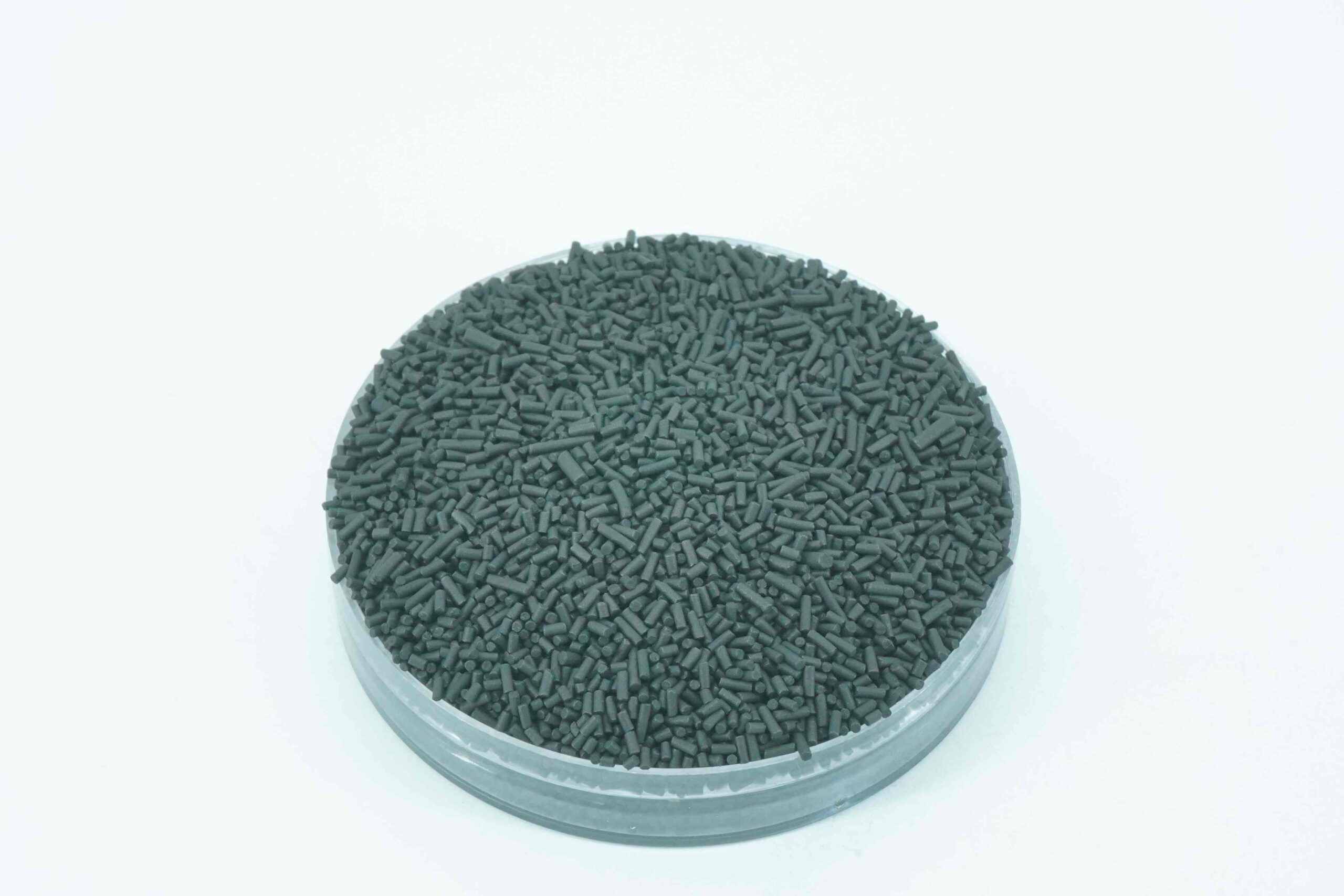
Carbon molecular sieve achieves gas screening with precisely developed micro-pores formed during production. YUANHAO, a leading material supplier, develops and manufactures high-performance YH series carbon molecular sieves for machinery manufacturers and global bulk buyers. The adsorbent features surface pores ranging from 0.28 to 0.38 nm, with inner micro-pores of approximately 4 Å. Thanks to this unique pore structure, CMS adsorbs oxygen molecules far faster than nitrogen molecules.
Key parameters that determine service life and operational stability of adsorbent:
| Adsorbent Parameter | Technical Specification | Operational Advantage |
|---|---|---|
| Particle diameter | 1.2–1.5 mm | Keeps air moving easily without losing pressure |
| Mechanical crushing strength | ≥100N/pcs | Stops physical damage and increases working life |
Superior mechanical strength protects CMS from breaking under frequent pressure fluctuations inside nitrogen generators. Uniform particle size ensures even air distribution inside towers, avoids channeling, and maintains consistent separation performance over long operation. The material resists carbon dust generation, preventing blockage of downstream filters and protecting the complete nitrogen system. For this reason, commercial PSA nitrogen generators operate reliably and require little routine maintenance.
Kinetic Gas Separation Dynamics
The main nitrogen generator process relies on gas movement speeds rather than simple chemical balance. Oxygen molecules measure 3.46 Å across, while nitrogen molecules measure 3.64 Å across. Since oxygen molecules are slightly smaller than nitrogen molecules, they rush into narrow carbon holes much faster. This difference in movement speed creates a clear separation window when under pressure.
System success needs incoming air to enter the main nitrogen generator under steady settings:
- Inlet operating pressure: kept between 4–13 bar
- Inlet operating temperature: kept between 10–25°C
Under these exact working settings, oxygen, water vapor, and carbon dioxide enter small holes where carbon traps them. The bigger nitrogen molecules pass around the carbon pieces, leaving the tank as a steady stream of pure nitrogen. When the carbon bed gets filled with oxygen, the system drops the pressure to release trapped gases into the air, completely cleaning the molecular sieve for the next turn. This automatic cleaning cycle provides an unbroken gas flow for factory workers.
Pressure Swing Adsorption Cycle
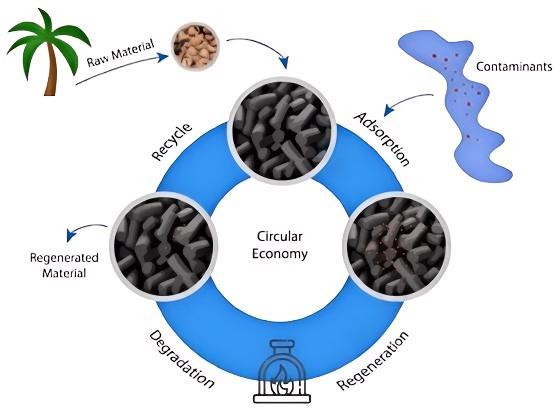
Pressure swing adsorption separates air components by adjusting internal pressure inside adsorption towers. Industrial nitrogen generators realize continuous oxygen removal from compressed air through alternating pressure cycles of twin towers.
Dual-Tower Adsorption Phase
A single adsorption tower cannot deliver continuous gas supply. Modern nitrogen systems apply two media-filled towers running cooperatively to eliminate supply interruption.
- Tower A gets clean compressed air under high pressure while its carbon sieve traps oxygen, carbon dioxide, and water.
- Cleaned nitrogen gas flows out the top opening right into the high-pressure system storage tank.
- Tower B lowers pressure at the same time to release trapped oxygen gas right into the outside air.
- Smart PLC control valves switch tank working jobs every 30 to 120 seconds to keep steady movement.
With twin-tower alternating operation, commercial nitrogen generators achieve continuous gas supply without shutdown. One tower performs adsorption and nitrogen production, while the other completes desorption and regeneration and gets ready for the next cycle.
Machine operators carefully set adsorption time lengths to fit specific job needs, machine setups, and final purity targets.
- Longer adsorption times raise output purity levels but reduce total gas flow amounts.
- Fixed time settings can cause extra compressed air use during low-demand work times.
- Smart time control that matches real purity needs helps lower overall system power use.
Pressure Equalization and Regeneration
Cleaning brings the filled molecular sieve bed back to best working health. The control system lowers pressure in the resting tank down to normal air pressure fast.
- Quick pressure drops release oxygen gas from microscopic carbon holes.
- A small flow of clean dry nitrogen gas travels down through the resting bed to push remaining oxygen out the vent pipe.
- Set cleaning gas speeds and air temperatures build maximum gas release speed.
Before changing main jobs, both adsorption tanks perform a quick pressure sharing step that takes 2 to 3 seconds.
Pressure sharing reuses lower-purity nitrogen from the tank dropping pressure by pushing it into the next tank. Based on maker details, this reuse stays important for reaching better work output and lower power use, which means machines need less compressed air to run the PSA nitrogen cycle.
Finally, the two-tower nitrogen generator finishes a simple four-step working loop:
- Air pushing and gas trapping
- Tank pressure sharing
- Pressure dropping and bed cleaning
- Automatic tower switching
This balanced pressure cycle assists industrial nitrogen generators in keeping top energy output while growing overall nitrogen creation for big jobs across worldwide work sites.
PSA Nitrogen Generator Performance
System Air Pre-Treatment
Pre-purification of compressed air is critical to avoid CMS failure. Liquid water and oil mist will quickly damage molecular sieve beds inside towers. Compressed air entering the PSA main unit shall stay within 0.5–1.6 MPa. Pre-installed dryers reduce pressure dew point to -40°F or below to prevent water condensation.
Coalescing filters remove oil droplets and solid contaminants, limiting residual oil content to ≤0.1 mg/m³. Inlet air for industrial nitrogen generators shall comply with ISO 8573-1 Class 1 oil standard, with total oil content below 0.01 mg/m³. Activated carbon filters further absorb residual oil vapor. Complete air purification safeguards continuous safe operation and extends CMS service life.
Nitrogen Generator Purity Capabilities
Modern PSA nitrogen generators support adjustable nitrogen purity for diverse industrial applications. For general production, purity ranges from 95% to 99.5%. High-purity models reach 99.9% up to 99.999% for precision manufacturing. Technicians select high-purity mode for sensitive production processes. Multiple purity options help enterprises obtain nitrogen at low cost without expensive liquid nitrogen procurement.
The regular cycle time for each tower stands at 80–120 seconds. YUANHAO YH carbon molecular sieve features crushing strength ≥100N per particle, resisting pulverization under frequent pressure fluctuation. Stable and reliable CMS allows nitrogen units to run continuously. Factories globally adopt this type of nitrogen equipment for metal recycling, energy storage, food preservation, medical industry and other fields. On-site PSA nitrogen generators deliver steady nitrogen output with low energy consumption, bringing remarkable advantages on long-term operating costs.
PSA vs Membrane Technology
Nitrogen Purity and Flow Differences
Two mainstream on-site nitrogen production solutions are widely adopted in industry. Membrane nitrogen generators separate air with hollow fiber membranes, steadily producing nitrogen at 95%–99.5% regular purity. PSA nitrogen generators apply carbon molecular sieve to produce ultra-high purity nitrogen up to 99.999%. Precision manufacturing such as electronic component production requires high-purity nitrogen to avoid workpiece oxidation.
| Performance Factor | Membrane | PSA |
|---|---|---|
| Nitrogen purity range | 95% to 99.5% | Up to 99.999% |
| Ideal economic zone | Below ~98% purity | Above ~98% purity |
Inlet air quality directly affects gas output and equipment selection. When membrane units run above 98% purity, gas production drops sharply while air consumption surges. PSA nitrogen systems can adjust cycle timing and media loading to maintain stable gas flow under high-purity requirements.
Long-Term Efficiency and Operating Costs
Long-run costs mainly come from power consumption of air compressors. When purity requirement exceeds 98%, membrane systems consume far more compressed air. PSA units maintain low energy consumption across all high-purity grades. Based on common electricity prices, air compressors create considerable annual power expenses. New-generation PSA nitrogen generators cut air demand and effectively reduce factory electricity bills.
Component replacement costs differ greatly over a 10-year lifecycle. Hollow fiber membranes require overall replacement after 8–10 years of heavy continuous operation. Well-protected carbon molecular sieve inside PSA units can work for over 20 years. Most factories recover full equipment investment within 12 to 14 months. Proper equipment selection greatly lowers enterprises’ total nitrogen expenditure.
The kinetic separation of oxygen via molecular sieves forms the fundamental working principle of the process. Dual-tower pressure cycling with YUANHAO YH media guarantees steady high purity nitrogen production. Plant operators gain clear economic advantages from on-site nitrogen generation. A reliable psa nitrogen generator cuts gas costs by up to 50% with full return within 6 to 18 months.
FAQ
How does the pressure swing absorption cycle work?
Pressure swing adsorption relies on two tanks filled with carbon molecular sieves. High-pressure compressed air enters the system, forcing the material to trap oxygen gas molecules inside. Lowering the pressure releases the trapped oxygen to clean the filter for the next cycle.
What purity levels do industrial nitrogen generators supply?
Factory nitrogen generators provide adjustable gas cleanliness to meet different job needs. Basic setups easily make nitrogen gas that is 95% to 99.5% pure. High-purity settings can push gas cleanliness up to 99.999% for sensitive work.
Why do nitrogen generators require durable molecular sieves?
Industrial nitrogen generators use strong YUANHAO YH carbon molecular sieves rated for at least 100N/pcs crushing strength. Evenly sized 1.2–1.5 mm granules stop the filter bed from breaking down during fast pressure changes.