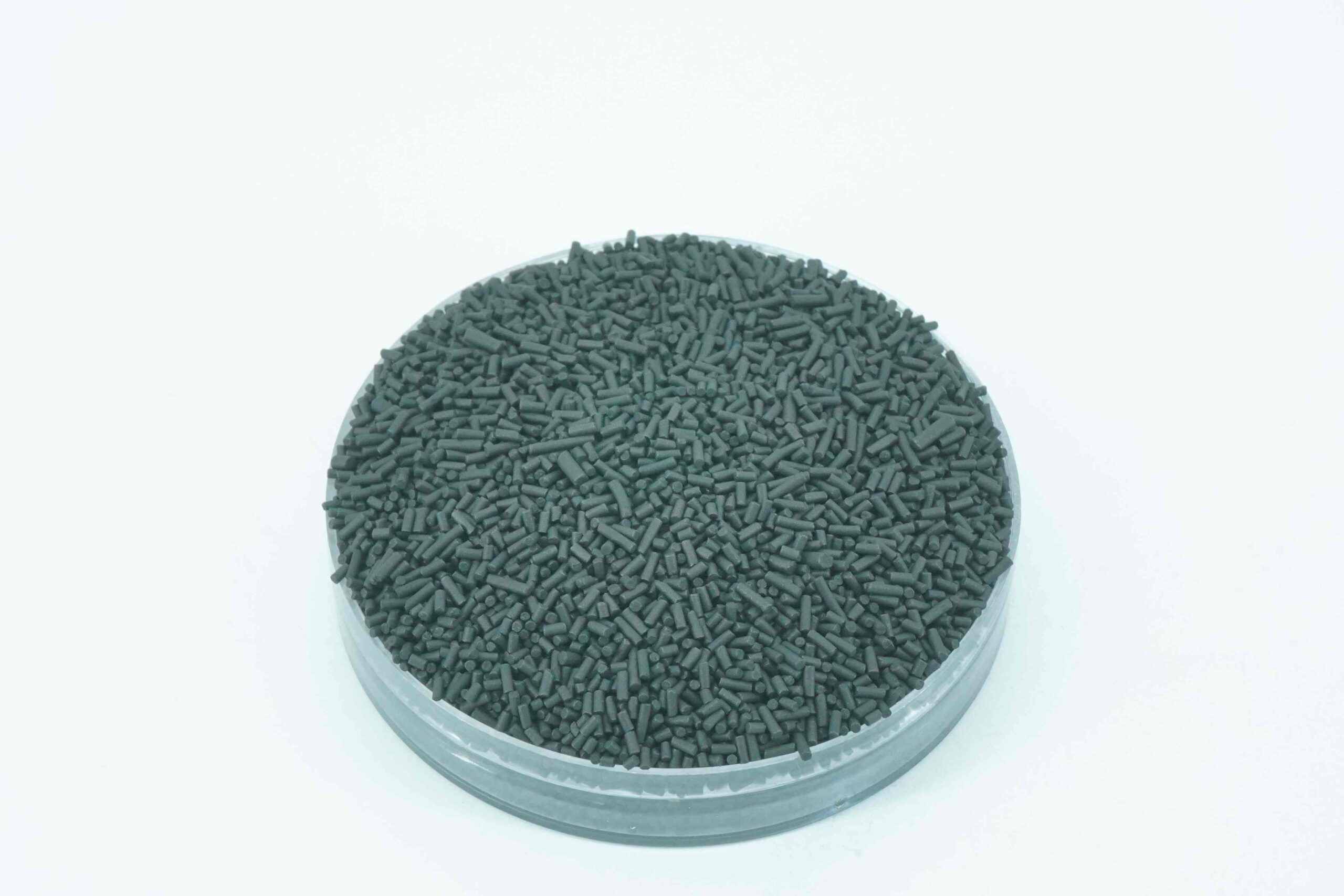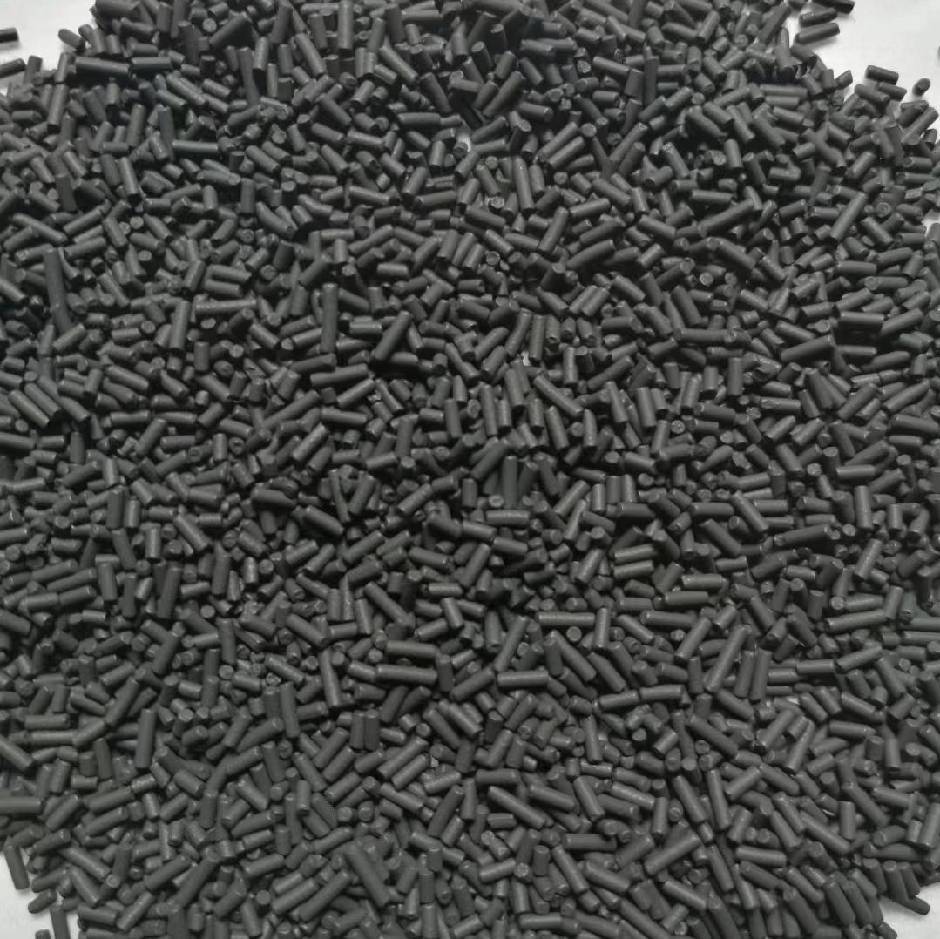
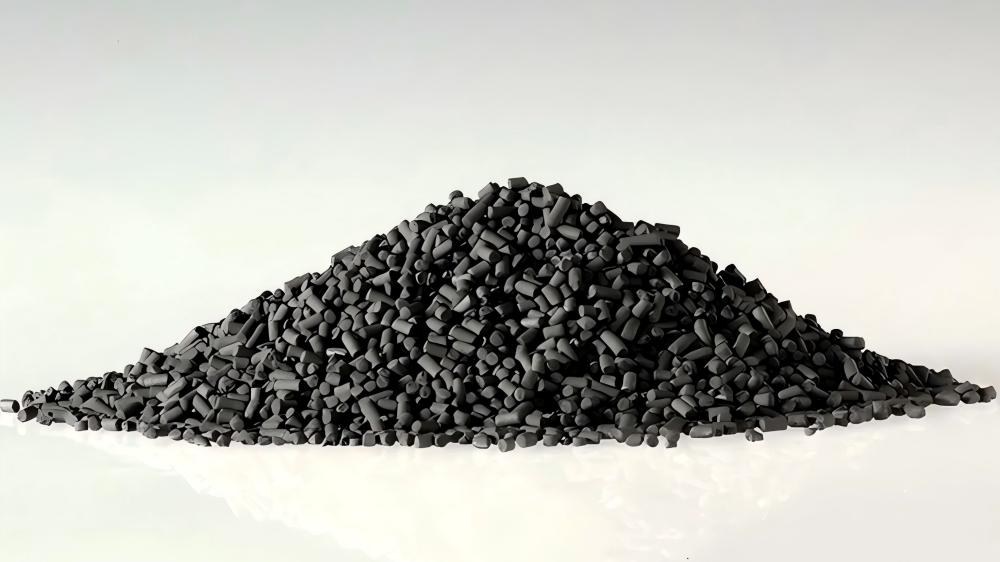
Carbon molecular sieves are special carbon materials capable of separating molecules based on their size. These materials possess angstrom-sized pores that help distinguish different gases. Carbon molecular sieves can adsorb certain molecules while allowing others to pass through. Scientists utilize this carbon material for efficient gas separation. Carbon molecular sieve materials are crucial in industries requiring pure gases. The market for carbon molecular sieve nitrogen generators is growing rapidly and is projected to reach $450 million by 2034. This demonstrates the strong demand for this carbon-based solution.
Key Takeaways
- Carbon molecular sieves have tiny pores that allow them to separate gases based on their size, helping industrial companies easily obtain pure gases.
- These materials are energy-efficient and easy to use, contributing to cost savings in nitrogen generation and gas separation.
- Carbon molecular sieves are environmentally friendly, reducing greenhouse gas emissions and helping industrial companies utilize resources more efficiently.
Carbon Molecular Sieve Characteristics
Structure and Pore Size
Carbon molecular sieves have tiny pores. These pores help them pick which gases to adsorb. They work better than activated carbon. Scientists change the pores using special methods. This makes gas separation more efficient.
- Carbon molecular sieves have pore sizes ranging from 3 Å to 5 Å, with some reaching 12 Å.
- These pore sizes are very close together, enabling them to trap small molecules and block larger ones.
- Their pore sizes are more precise than activated carbon, making them more suitable for gas separation.
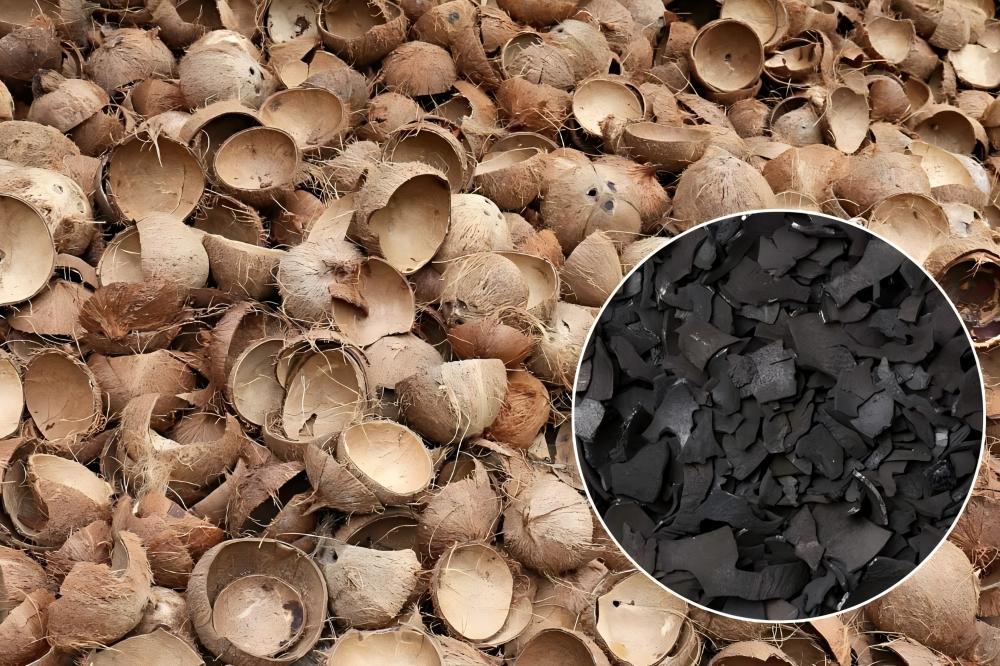
YUANHAO is a leading supplier that uses raw materials such as coconut shells, coal, and wood, employing processes including carbonization, activation, and pore size modification to produce high-performance carbon molecular sieve desiccants.
Selectivity and Adsorption Properties
| Pyrolysis Temperature (°C) | Selectivity (C2H4/CO2) | Permeability (C2H4) |
|---|---|---|
| 800 | 9 | Dropped an order of magnitude |
Carbon molecular sieves are good at picking which gases to adsorb. They adsorb nitrogen well and let oxygen pass through. This is important for making pure nitrogen. The pore size and structure decide how much gas they can adsorb. This helps get high purity.
Physical and Chemical Features
| Property | Description |
|---|---|
| Stability | Stable chemical properties, resistant to degradation under various conditions. |
| Wear Resistance | High wear resistance, suitable for repeated use in adsorption processes. |
| Heat Resistance | High heat resistance, maintaining performance at elevated temperatures. |
| Adsorption Capacity | Enhanced at lower temperatures, with optimal performance at -80 °C. |
| Water Vapor Effect | Moisture can influence adsorption capacity of the material. |
Carbon molecular sieve desiccants differ from activated carbon. They possess precise pore sizes, enabling effective adsorption of molecules. They utilize kinetic selectivity to separate gases, exhibiting excellent performance in gas separation applications. Yuanhao offers a variety of types and specifications of high-purity carbon molecular sieve desiccants suitable for industrial use. Even in humid environments, their desiccants remain effective, unaffected by water or air.
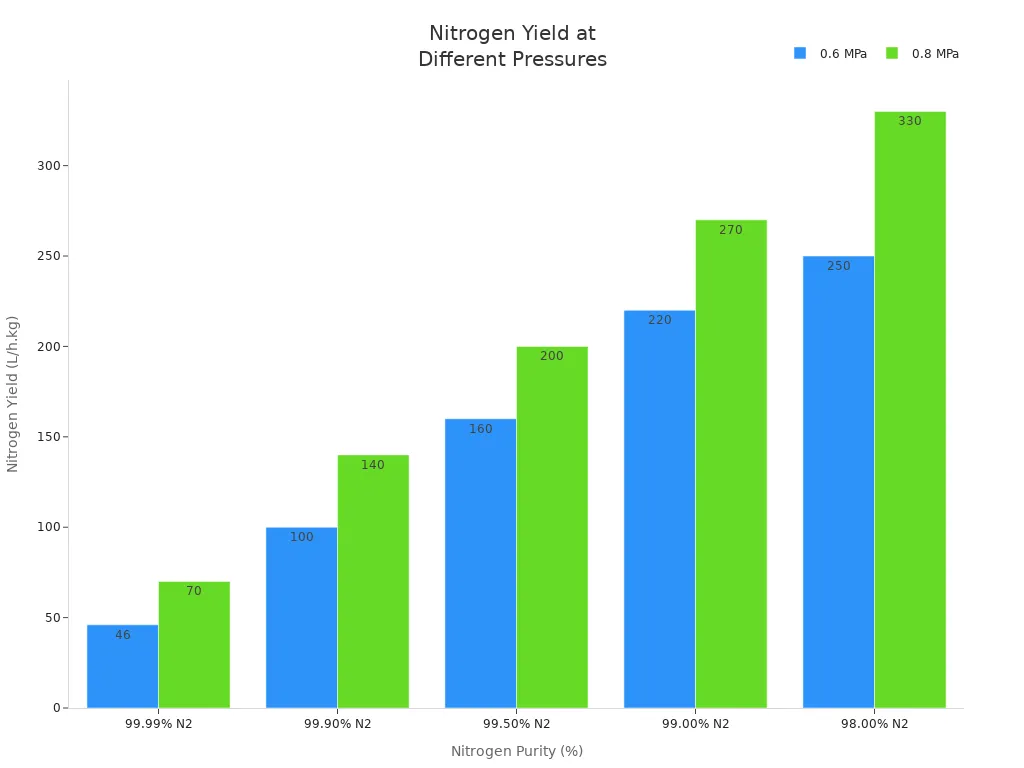
| Product Model | Purity (%) | Particle Size (mm) | Adsorption Pressure (Mpa) | Carbon Yield (L/h.kg) |
|---|---|---|---|---|
| CMS-330 | 99.999 | 1.1-1.2 | 0.8 | 80 |
| CMS-300 | 99.99 | 1.1-1.2 | 0.8 | 120 |
| CMS-280 | 99.9 | 1.1-1.2 | 0.8 | 200 |
| CMS-260 | 99.5 | 1.1-1.2 | 0.8 | 260 |
| CMS-240 | 99 | 1.1-1.2 | 0.8 | 320 |
| CMS-220 | 98 | 1.1-1.2 | 0.8 | 360 |
YUANHAO checks every batch for purity and quality. Their desiccants are made for different industries. They give reliable solutions for adsorbing gases.
How Carbon Molecular Sieves Work & Applications

Working Principle in Gas Separation
Carbon molecular sieves are used for gas separation. They utilize pressure swing adsorption (PSA) technology to achieve this. This method can separate nitrogen and oxygen from air. The steps are simple:
- Air compression: Workers pressurize the air, increasing its density.
- Filtration: A filter removes dust, oil, and impurities from the air.
- Adsorption: Air enters a device containing carbon molecular sieves. Oxygen and other impurities are adsorbed onto the molecular sieves, while nitrogen passes through.
- Desorption: When the molecular sieve becomes saturated, the airflow direction changes. Pure nitrogen is expelled, and the adsorbed gas is expelled.
- Purge: A small amount of nitrogen is used to remove any remaining impurities from the molecular sieves.
Molecular sieves have tiny pores. These pores allow nitrogen to pass through but adsorb oxygen. This material has a strong adsorption capacity, capable of adsorbing large amounts of gas and producing pure nitrogen. Molecular sieves operate at room temperature, making them very energy-efficient. Yuanhao Company manufactures specialized sieves for gas separation. Their products are suitable for both air and natural gas.
Main Industrial Uses
Carbon molecular sieves have a wide range of applications across numerous industries. They remove moisture and separate gases, making them valuable in the following areas:
- Nitrogen Production: Used in pressure swing adsorption (PSA) to produce pure nitrogen. This nitrogen can be used for food preservation, assisting in the manufacture of medical devices, and in factory production.
- Metal Recovery: Pure nitrogen protects metals during heating or melting, preventing rust and improving metal recovery rates.
- Energy Storage: Carbon molecular sieves are used to purify and store natural gas and hydrogen, thereby improving the performance of batteries and supercapacitors.
- Food Preservation: Food-grade nitrogen extends the shelf life of food, preventing spoilage and bacterial growth. It is widely used in packaging, grain storage, and specialized storage rooms.
- Wastewater Treatment: Gas separation helps purify gases in water systems.
- Medical Applications: Hospitals use pure nitrogen for surgery, pharmaceutical manufacturing, and ensuring the safety of medical equipment.
- Petroleum Industry: Carbon molecular sieves are used to purify gases, refine petroleum, and separate useful substances, making production processes safer and more efficient.
Yuanhao Company sells these sieves to numerous industries. Their sieves are used for car tire repair, tubeless tire repair, truck tire repair, and other vehicle repair work. The nitrogen in the sieves can improve tire safety and aid in tire repair.
Advantages and Limitations
Carbon molecular sieves are excellent adsorbents with numerous advantages:
- Selective adsorption: Molecular sieves can selectively adsorb gas molecules based on their size, for example, adsorbing oxygen and carbon dioxide while releasing nitrogen.
- Energy efficiency: This method consumes less energy compared to traditional methods.
- Easy operation: Users can easily operate these systems.
- Small footprint: The machines do not require much space.
- Environmental benefits: Molecular sieves help purify waste gases and capture carbon dioxide.
Suitable for industries with large gas volumes and stable operation. Yuanhao molecular sieves effectively dry and purify gases in practical applications.
However, some problems also exist:
| Challenge | Description |
|---|---|
| Slow gas flow | Small pores slow down how fast gas moves. |
| High pressure drop | Packed sieves cause stress and wear. |
| Sensitivity to temperature changes | Heat from adsorption can lower how well it works. |
| Convoluted internal structure | Twisted insides slow molecules and waste space. |
| Severe pressure fluctuations | Big pressure changes can break the sieves. |
| Impact of impurities | Dirt can block pores and hurt performance. |
| Reduced efficiency in real-world | Systems may not work as well outside labs. |
| High manufacturing costs | Making sieves costs a lot of money. |
| Limited lifespan | Most sieves last only three to five years. |
YUANHAO fixes these problems with better making and testing. Their support team helps keep gas separation safe and steady.
Industry Impact and Environmental Benefits
Carbon molecular sieves help businesses save costs. They enable companies to generate nitrogen on-site, eliminating the need to pay expensive liquid nitrogen transportation fees. Molecular sieves can preserve food, extend the lifespan of electronic products, protect pharmaceuticals, and improve the properties of metals. Oil and gas companies use nitrogen to prevent rust and increase oil production. Automobile and aircraft manufacturers use nitrogen to ensure tire safety and fire resistance.
Environmental benefits include:
| Environmental Benefit | Description |
|---|---|
| Reduction of Greenhouse Gas Emissions | Carbon molecular sieves trap bad gases. They dry and clean gases deeply. This cuts carbon emissions in factories. |
| Resource Efficiency | The sieves clean and collect flammable gases. They turn waste into useful things. |
| Reduction of Pollutant Emissions | In tail gas treatment, sieves catch harmful compounds. This lowers pollution and helps the planet. |
Industries use carbon molecular sieves to cut their carbon footprint. This helps them meet world goals. YUANHAO’s energy-saving sieves help companies follow rules. Their customers are happy. They give expert help and support. Many companies trust YUANHAO for safe gas separation and cleaning.
Carbon molecular sieve materials possess unique properties due to their tiny pores and large specific surface area. They exhibit the following important characteristics:
- They can capture gases such as carbon dioxide and methane.
- They can effectively separate hydrogen and nitrogen.
- They are stable and can be used for industrial separation of specific gases.
| Aspect | Importance |
|---|---|
| Uniform Pore Size Distribution | This helps them adsorb and separate gases the same way each time. |
| Thermal and Chemical Stability | They keep working even in very hot or harsh places. |
| Selective Adsorption | This makes gas separation better and gives purer products. |
New ideas make these materials better at saving energy and separating gases. Good quality means industries and nature can count on them.
FAQ
What is the main use of carbon molecular sieves in industry?
Carbon molecular sieves are used to separate gases. Factories use them to make nitrogen. They also clean biogas and make pure gases for many jobs.
How much water can molecular sieve adsorb?
A molecular sieve can hold water equal to 20% of its weight. The amount changes based on the type and conditions.
Are carbon molecular sieves safe for food and medical uses?
Yes, carbon molecular sieves are safe. They follow safety rules. They keep food fresh and help make medical gases.