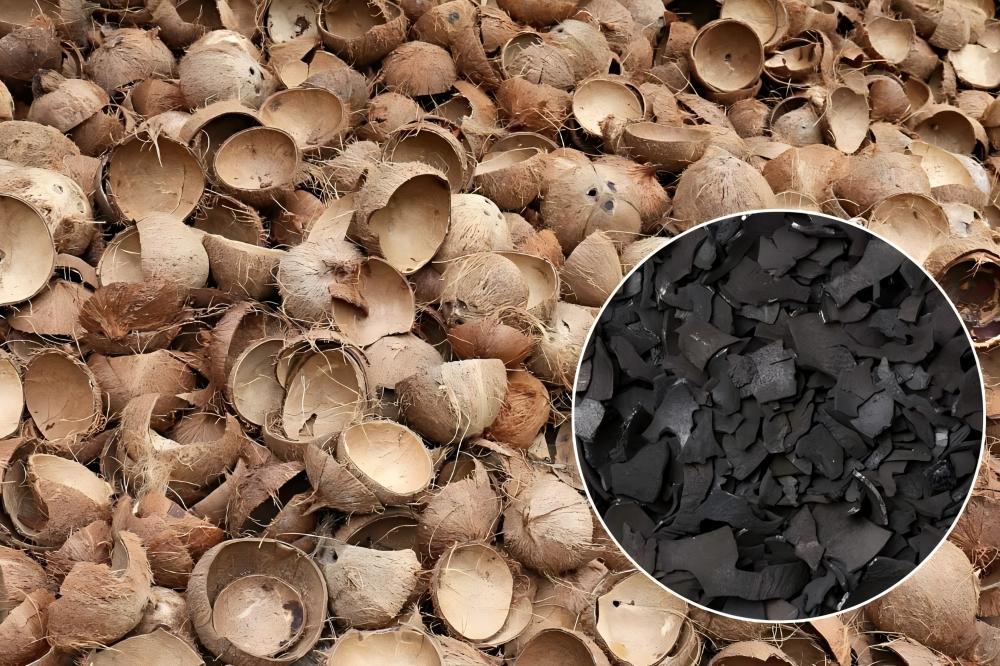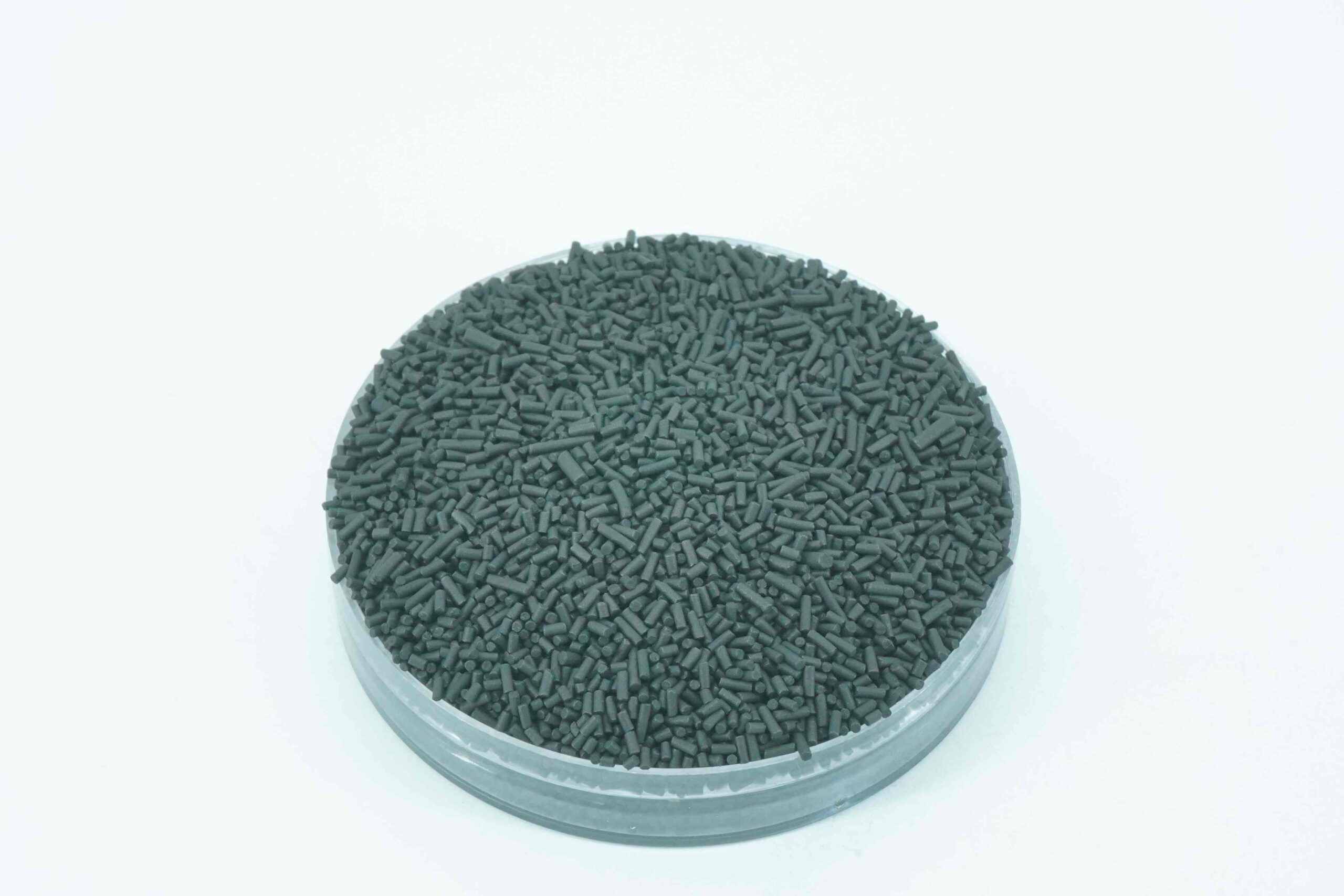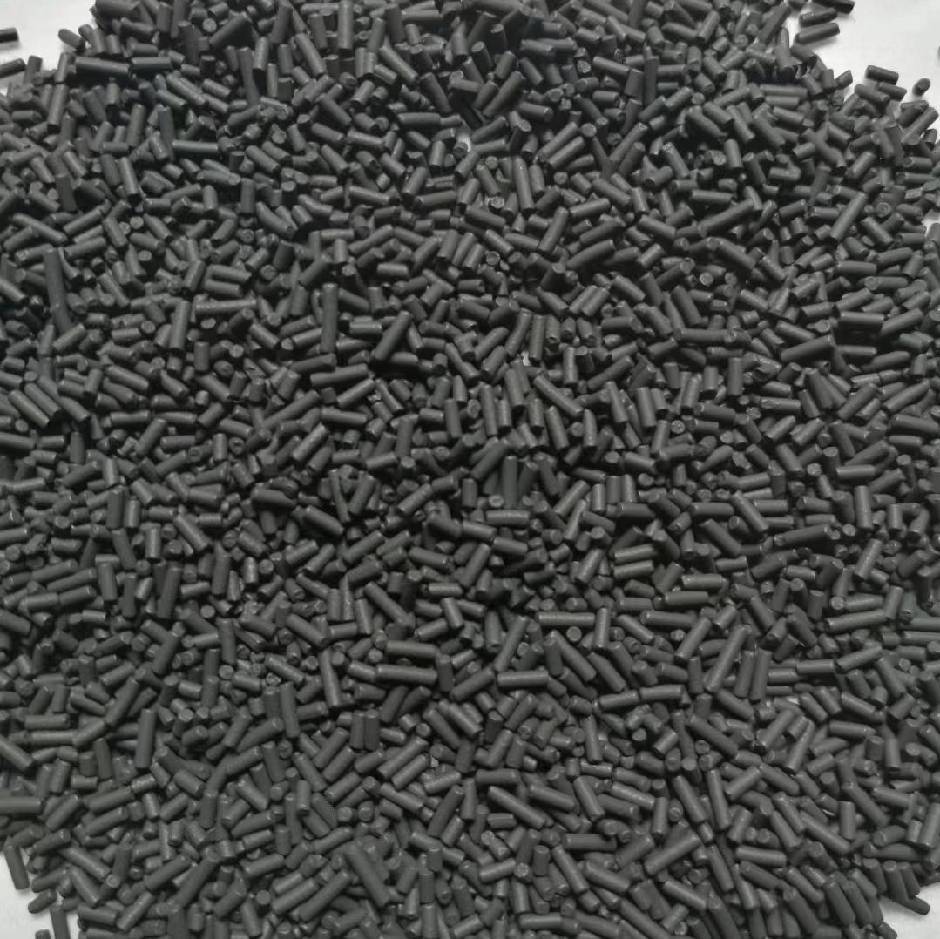
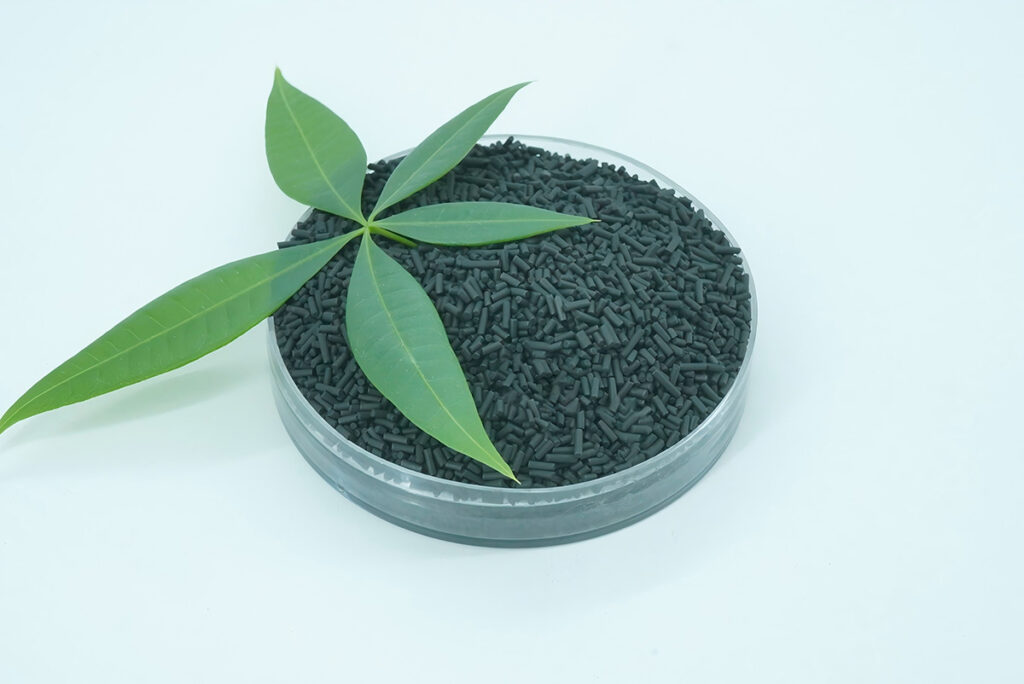
The lifespan of carbon molecular sieves depends on material quality, usage, and maintenance frequency. YUANHAO’s molecular sieves have a lifespan of 3 to 5 years. With proper maintenance, the lifespan can reach 10 years. Industry reports indicate that if gas purity is high, dew point is properly controlled, and the loading is reasonable, the lifespan of the molecular sieves can reach 40,000 hours or even longer.
Key Takeaways
- Choosing high-quality carbon molecular sieves can extend their service life. Superior materials and stable production processes result in better performance.
- Regular maintenance is crucial. Inspect the molecular sieves annually. Replace 10-15% of the molecular sieves every 3-5 years. This helps prevent problems and keeps the molecular sieves in good working order.
- Pay attention to important factors such as dew point and humidity. Maintaining the dew point at -40°F helps protect the molecular sieves and extend their lifespan.
Key Factors Affecting the Lifespan of Carbon Molecular Sieves
Material Quality and Sieve Loading
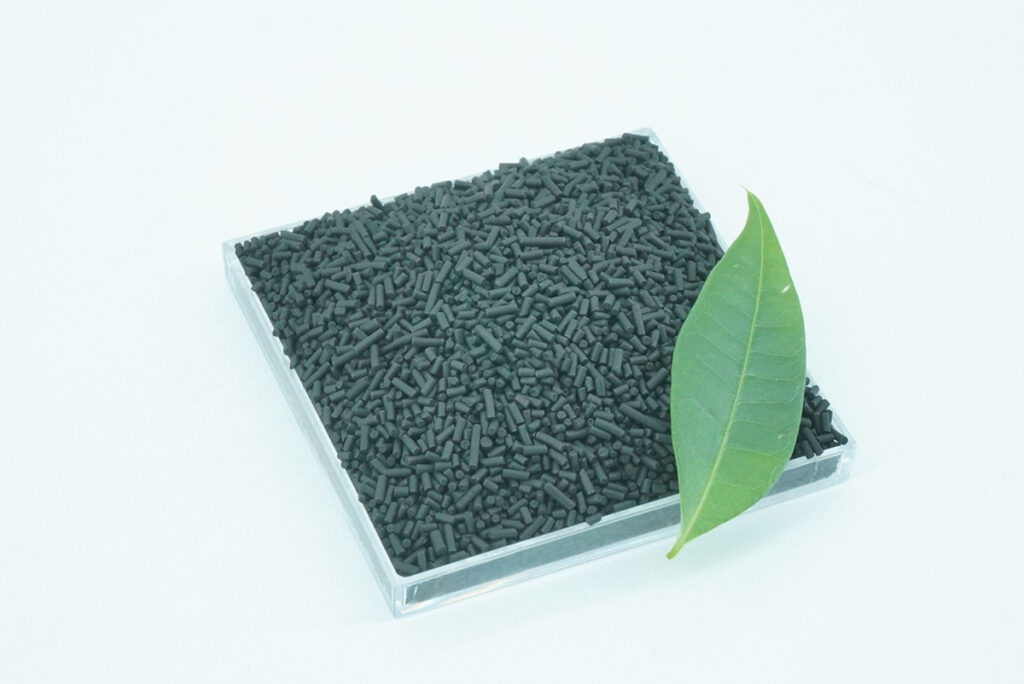
The service life of carbon molecular sieves largely depends on the material quality and the loading method. High-quality molecular sieves are manufactured using the same process every time. They are capable of adsorbing certain gases, are resistant to high temperatures, and are resistant to chemical corrosion. These properties enable molecular sieves to operate efficiently and extend their service life in many situations. The table below explains how the various components extend the service life of the molecular sieve:
| Component/Property | Contribution to Lifespan |
|---|---|
| Production Consistency | Makes sure the sieve works the same every time. |
| Selective Adsorption | Helps the sieve separate gases and keeps it working well. |
| Thermal Stability | Keeps the sieve safe when temperatures change. |
| Chemical Resistance | Stops chemicals in the gas from hurting the sieve. |
Companies like Yuanhao use advanced machinery and rigorous testing to ensure the quality of their screens. They adhere to standards such as ISO 9001, ISO 14001, and ISO 45001. These standards demonstrate that the screens are safe, reliable, and perform exceptionally well. Yuanhao’s screens have a lifespan of 5 to 8 years, far exceeding that of many other brands.
Proper screen loading is also crucial. Improper loading can cause the screen to crack or become clogged, reducing its filtration performance. Even loading helps avoid these problems and extends the screen’s lifespan.
Gas Purity and Contaminants
The cleanliness of the gas is crucial to the lifespan of the screen. Clean gas helps the screen work efficiently and extends its service life. Water and chemicals can clog the screen openings, damage the screen, and cause its performance to deteriorate, shortening its lifespan.
Premature screen failure is caused by scaling, coking, and back condensation. These phenomena occur when heavy objects or liquids enter the screen bed. They can clog the screen openings, making it difficult for the screen to function properly. To prevent this, the supplier recommends using very clean gas and avoiding air containing oil and water.
Yuanhao Company sells screens that can produce nitrogen gas of almost 100% purity. This is crucial for operations requiring long-term, efficient screen operation.
Air Humidity and Pressure Fluctuations
Changes in humidity and air pressure also affect the lifespan of a sieve. If the air humidity is too high (above 65%), the filtration efficiency of the sieve can decrease by up to 30%. Water competes with other gases for space within the sieve mesh, thus reducing its filtration effectiveness. Over time, water can damage the sieve mesh and shorten its lifespan.
Changes in air pressure can exert a pushing and pulling effect on the sieve mesh, causing it to bend or deform. High pressure intensifies the interaction between gases, while low pressure slows down gas movement. Drastic fluctuations in temperature and air pressure can damage the sieve mesh, even causing permanent deformation.
To ensure safe use of the sieve, operators should run the machine smoothly and avoid rapid changes in air pressure or humidity. Selecting the appropriate sieve based on air humidity is also crucial for achieving good filtration results.
Tip: Always check the air quality and watch humidity to help the sieves last longer.
Most carbon molecular sieves last 3 to 5 years. If you take good care of them, some can last up to 10 years. YUANHAO gives special help and support so users can get the most from their sieves. This makes them a good choice for people who need sieves for a long time.
Maintenance and Monitoring for Longer Carbon Molecular Sieve Lifespan
Regular Maintenance Practices
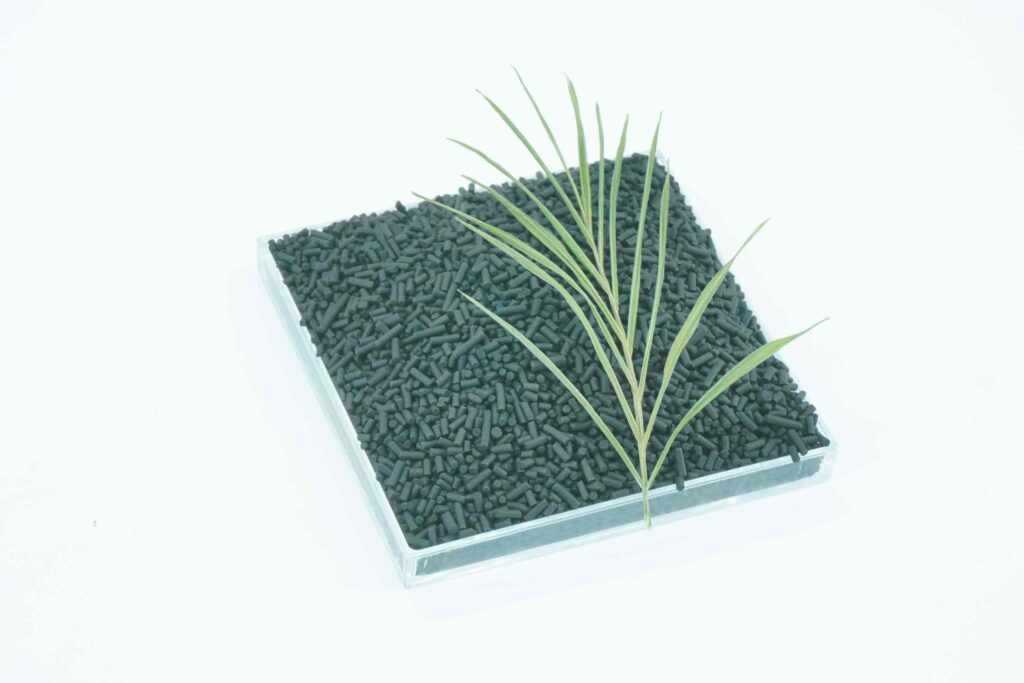
Proper maintenance of carbon molecular sieves helps extend their service life. Personnel should follow established maintenance plans to ensure proper system operation. Most companies recommend the following:
- Inspect the carbon molecular sieves annually.
- Replace the molecular sieves after 20,000 to 30,000 hours of operation.
- Replace 10% to 15% of the molecular sieves every 3 to 5 years. Molecular sieves lose approximately 2% to 5% of their power annually.
Doing these things helps detect problems early and maintain stable system operation. The table below lists the most important tasks:
| Maintenance Practice | Description |
|---|---|
| Pre-filter maintenance | Change filters often to keep out dust and oil. |
| Timely replenishment | Check and add new sieves when needed to keep things working well. |
YUANHAO helps customers with technical support and service after buying. Their team helps make maintenance plans, gives training, and offers parts to replace. This help lets businesses get more value and keeps sieves working longer.
Monitoring Dew Point and Key Parameters
For carbon molecular sieves, monitoring key parameters such as dew point is crucial. Moisture in the system can freeze or form hydrates, reducing purity and damaging the molecular sieve. Experts recommend maintaining the dew point at -40°F (-40°C) for optimal performance. This prevents moisture ingress and extends the molecular sieve’s lifespan.
Operators should also pay attention to changes in pressure, temperature, and gas flow rate. Sudden changes can stress the molecular sieve and shorten its lifespan. Regular checks help identify problems early and maintain system stability.
Tip: Use sensors to check dew point and other numbers. Early warnings stop big problems and help sieves last longer.
Optimizing Operational Conditions
Optimizing system operation helps extend the lifespan of screens. Experts recommend the following steps:
- Determine the appropriate number of screens by testing the moisture content in the air.
- Regenerate the screens according to a schedule. Use a suitable temperature between 180°C and 230°C to restore them to operation. Never exceed 300°C, otherwise the screens may be damaged.
- Store unused screens in a sealed container, keeping them dry.
- Maintain stable pressure and temperature, avoiding rapid changes.
Regeneration is crucial. Using methods such as temperature swing adsorption (TSA) or pressure swing adsorption (PSA) helps remove residual gases, restoring the screens to operation. Balancing energy, time, and material strength ensures efficient system operation and extends screen life.
Yuanhao manufactures screens using innovative processes and strictly controls quality to ensure a longer screen lifespan. Their team can develop suitable regeneration and maintenance plans for each customer.
Note: Good regeneration keeps over 92% of the sieves’ power after 1,200 cycles. Used sieves that are not very dirty can be used again for easier jobs, saving money and cutting waste.
Practical Steps to Extend Service Life
- Regularly inspect and maintain the system.
- Replace the filter cartridge and add new screens as needed.
- Pay attention to the dew point and maintain it at -40°F (-40°C).
- Regenerate the screens using the appropriate temperature.
- Store the screens properly when not in use.
- Partner with a trusted supplier like YUANHAO for assistance and high-quality products.
By taking these steps, staff can extend the lifespan of molecular carbon screens and ensure years of pure filtration.
Carbon molecular sieves can last longer if you pick good ones. You need to use the system the right way. It is important to take care of them often. YUANHAO gives strong sieves and helps customers a lot. They are known for making sieves that last.
- Quality checks
- Supplier skill
- Customer help
| Technology Type | Longevity (Years) |
|---|---|
| Molecular Sieves | 5-8 |
FAQ
How often should workers check carbon molecular sieves?
Workers need to check sieves once a year. These checks help find problems early. YUANHAO says yearly maintenance keeps sieves working well.
What signs show a sieve needs replacement?
If gas is not as pure, or flow is slow, or pressure is high, the sieve might need to be changed.
Tip: Change sieves after 20,000 to 30,000 hours.
Can YUANHAO sieves work in high humidity?
YUANHAO sieves can work when it is humid. For the best results, keep air humidity under 65%.
| Humidity Level | Sieve Efficiency |
|---|---|
| <65% | High |
| >65% | Reduced |