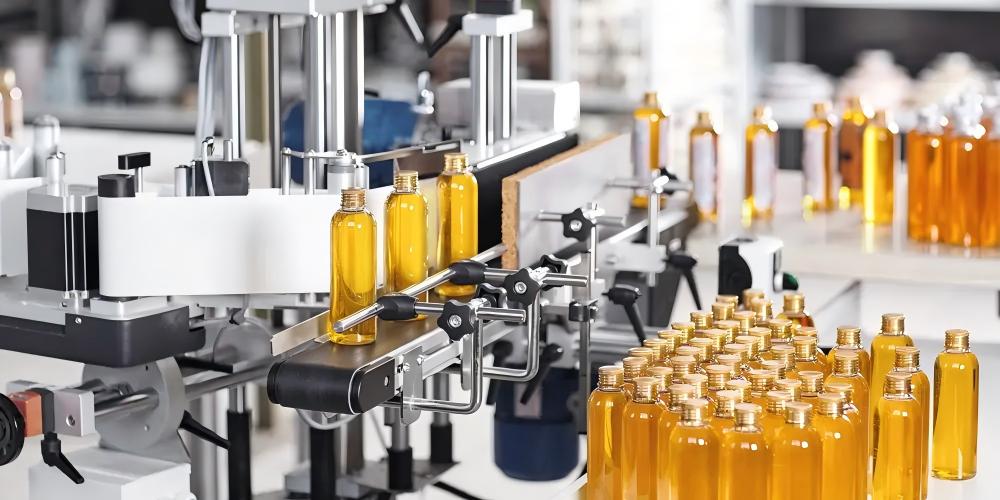
Nitrogen generation technology continues to develope rapidly across industries including food & beverage, pharmaceuticals, electronics, and oil & gas. Three primary on-site generation technologies dominate the market: pressure swing adsorption (PSA), cryogenic distillation, and membrane separation. Each offers distinct trade-offs in purity, cost, energy consumption, and scalability. This article provides a comparative analysis to help engineers and plant managers select the optimal nitrogen generation strategy for their operational requirements. Key selection drivers include required N₂ purity (95%–99.999%), flow rate (Nm³/h), capital and operating budgets, and site infrastructure.
Key Takeaways
- Pressure swing adsorption (PSA) technology delivers the highest on-site purity (95%–99.999%), making it ideal for food packaging, pharmaceutical manufacturing, and electronics applications requiring ultrapure N₂.
- Membrane separation systems offer the lowest capital and operating costs and are easily scalable; they are optimal for moderate-purity applications (95%–99.5%).
- Cryogenic distillation achieves the highest absolute purity (99.999%+) at the largest volumes, but is energy-intensive and economically viable only at scale (>3,500 Nm³/h).
- Choosing the optimal nitrogen production technology depends on purity requirements, demand volume, budget, available site space, and startup-time tolerance.
- The global nitrogen generator market is projected to grow at a CAGR of ~7.4% from 2025 to 2035, driven by increasing demand for on-site generation and sustainability mandates. [Source: MarketsandMarkets, 2025]
Nitrogen Generation Technologies Overview
PSA Basics
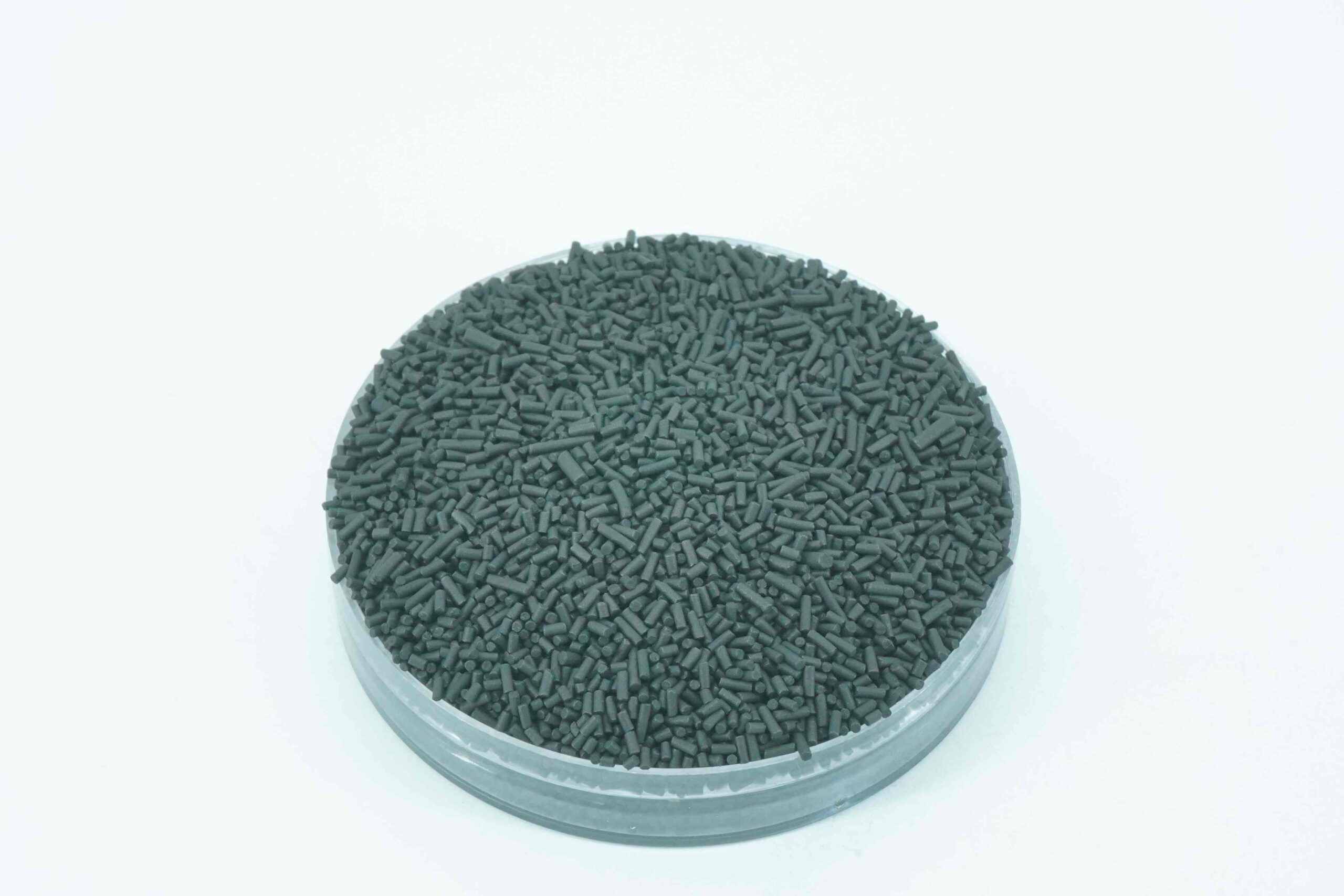
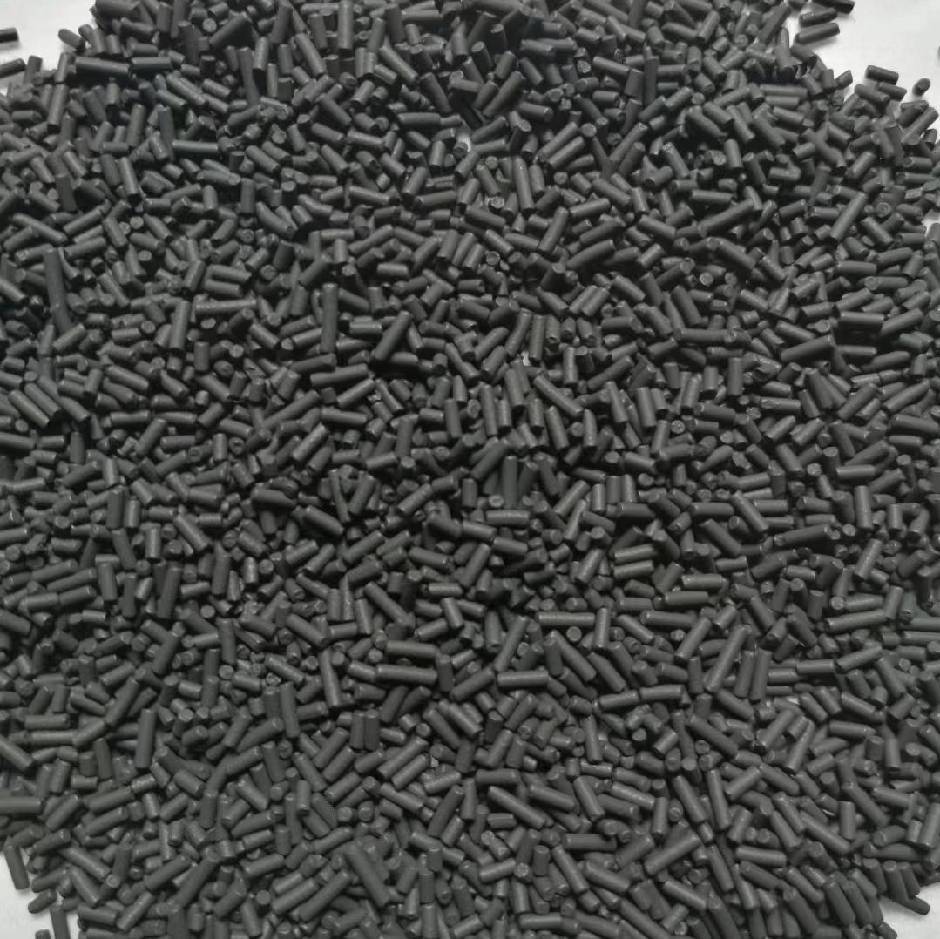
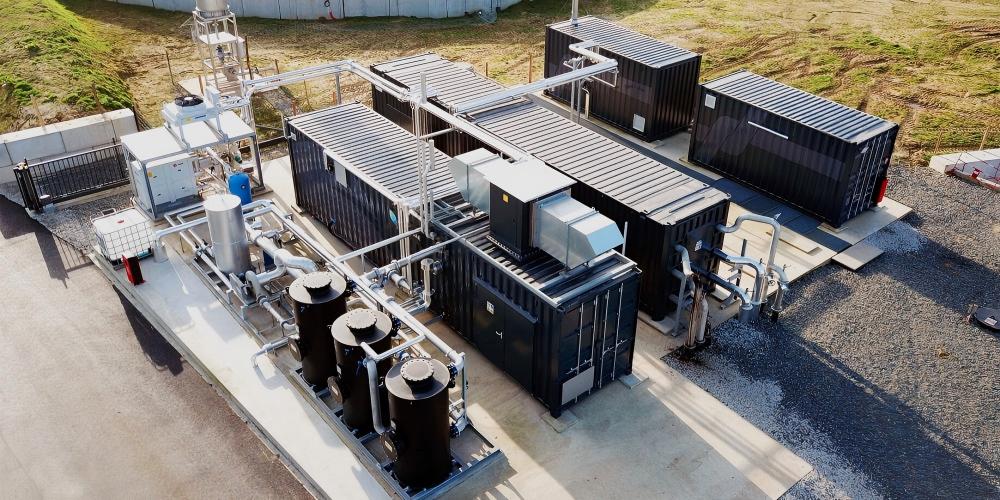
Pressure Swing Adsorption (PSA) is a widely used method for on-site nitrogen production. PSA systems utilize Carbon Molecular Sieves (CMS) with precisely controlled pore diameters of approximately 3 Å (0.3 nm) to separate nitrogen from compressed air based on kinetic selectivity. When compressed air (typically at 6–10 bar) enters an adsorption vessel filled with CMS, oxygen molecules (kinetic diameter ~3.46 Å) diffuse into the micropores and are preferentially adsorbed, while nitrogen molecules (kinetic diameter ~3.64 Å) pass through as the non-adsorbed product stream. This size differential — less than 0.2 Å between O₂ and N₂ — is the physical basis of CMS selectivity. Operators use two towers in tandem, alternating between adsorption and regeneration phases to ensure continuous process operation. During regeneration, the saturated bed is depressurized to atmospheric pressure, releasing the trapped oxygen and preparing the CMS for the next cycle.
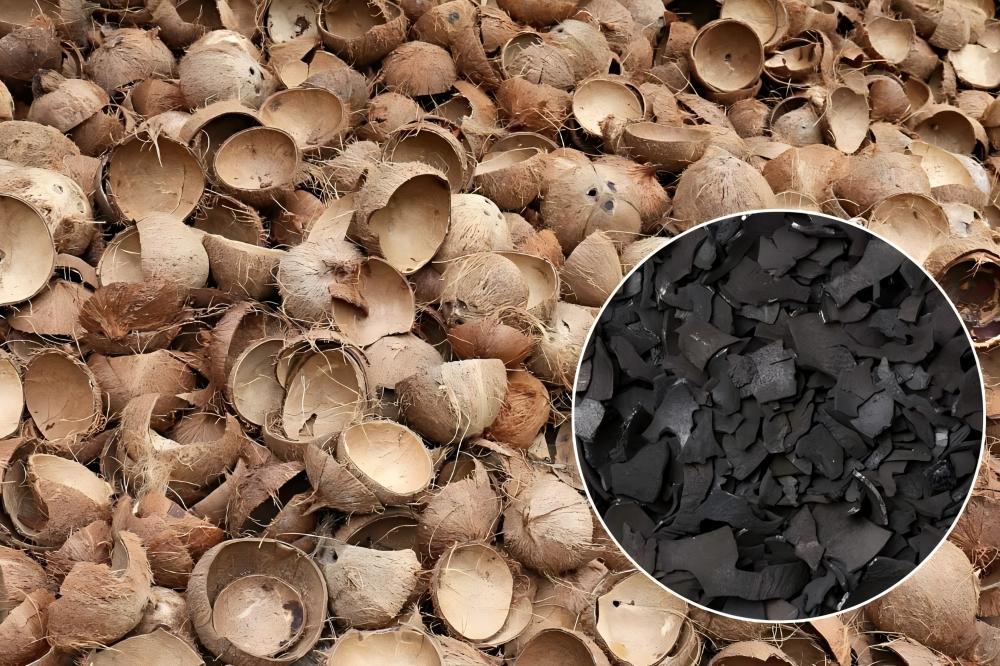
Modern CMS materials, such as those based on coal-derived or coconut-shell-derived carbon precursors, can achieve nitrogen purity levels from 95% to 99.999% depending on system design and operating parameters (pressure, temperature, cycle time, and air quality). The quality and pressure of the inlet compressed air — governed by ISO 8573-1:2010 purity classes for particulates, water, and oil — directly affect system efficiency and CMS lifespan. PSA technology is widely used in food packaging (modified atmosphere packaging, MAP), electronics soldering, metal heat treatment, and pharmaceutical blanketing.
PSA systems require routine maintenance, including CMS replacement every 5–8 years under normal operating conditions, and periodic valve and instrumentation checks.
Cryogenic Method
Cryogenic nitrogen generation is based on the Linde cycle (Carl von Linde, 1895): air is compressed, purified to remove CO₂ and H₂O (which would freeze at cryogenic temperatures), and then cooled through a series of heat exchangers and expansion turbines to approximately -195.8°C (77.4 K) — the boiling point of liquid nitrogen. At this temperature, air liquefies. The liquid air is then fed into a fractional distillation column, where nitrogen (boiling point -195.8°C) is separated from oxygen (boiling point -183.0°C) and argon (boiling point -185.8°C) based on their differing boiling points.
Cryogenic systems can produce nitrogen of ultra-high purity (99.999%+) in large quantities (thousands to tens of thousands of Nm³/h), making it ideal for large-scale industrial sectors such as ammonia synthesis, LNG processing, and steelmaking. However, such systems are complex, requiring operation by skilled technicians and regular maintenance, with typical cold-start times exceeding 6 hours — making them best suited for baseload, continuous operation rather than intermittent demand.
Membrane Separation Systems
Membrane separation nitrogen generation relies on hollow-fiber polymer membranes — typically polyimide or polysulfone — that exploit the difference in permeation rates of atmospheric gases. When compressed air flows through the membrane module, gases with higher permeation rates (“fast gases” — primarily oxygen, carbon dioxide, and water vapor) preferentially diffuse through the membrane wall and exit at low pressure on the permeate side. Nitrogen, which has a lower permeation rate (“slow gas”), remains on the high-pressure retentate side and is collected as the product stream. This is the opposite of the selective adsorption mechanism used in PSA: in membranes, the desired product (N₂) does NOT permeate — it is retained.
Membrane separation systems are compact, energy-efficient, and achieve full output within minutes of startup. They contain no moving parts in the separation core, which minimizes maintenance to periodic pre-filtration element replacement. These systems perform well in producing nitrogen of medium purity (typically 95%–99.5%) and can be operated in parallel for higher flow rates. Per ISO 8573-1:2010, compressed air quality at the membrane inlet is critical: oil aerosols and particulates can irreversibly foul membrane fibers, reducing both selectivity and service life. Membrane systems are particularly favored in applications such as tire inflation, fuel tank inerting, food storage, and chemical blanketing, where moderate purity and low total cost of ownership are priorities.
| Technology | Core Principle | Typical Purity (%) | Startup Time | Energy Consumption | Footprint | Typical System Life | Maintenance Needs |
|---|---|---|---|---|---|---|---|
| PSA | Kinetic adsorption (CMS, ~3 Å) | 95–99.999 | 15–30 min | 0.3–0.5 kWh/Nm³ | Moderate | 10–15 years (CMS: 5–8) | Moderate (CMS replacement, valves) |
| Cryogenic | Cryogenic distillation (Linde cycle) | 99.999+ | 6–12 hours | 0.6–0.8 kWh/Nm³ [Source: OEM data] | Large | 20–30 years | High (turbines, heat exchangers) |
| Membrane | Selective permeation (polymer hollow-fiber) | 95–99.5 | <5 min | 0.2–0.4 kWh/Nm³ | Compact | 5–10 years (membrane module) | Low (pre-filtration elements) |
PSA, Cryogenic, and Membrane Trends
PSA Technology Trends
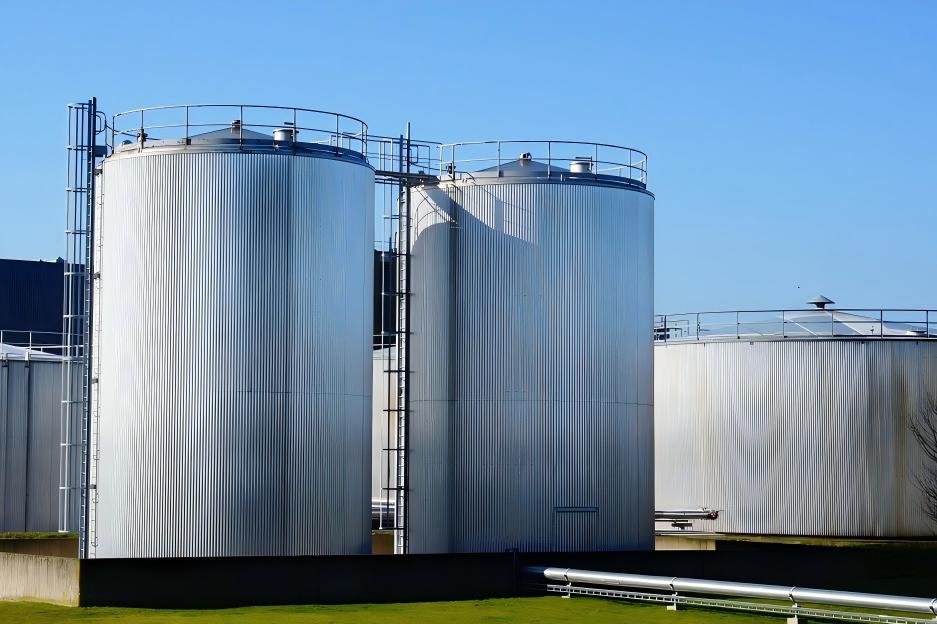
Industries across manufacturing are seeking efficient and flexible nitrogen generation solutions. Pressure Swing Adsorption (PSA) remains the primary method for on-site nitrogen generation when high-purity nitrogen is required. Newer PSA systems offer improved efficiency through advanced CMS formulations, optimized cycle timing via PLC/SCADA control, and energy recovery during blowdown.
Advances in CMS technology — including carbon molecular sieves derived from specialized precursors with narrower pore-size distributions — now enable nitrogen purity levels up to 99.999% with reduced air factor (feed-air-to-product ratio). Modern PSA systems consume 15–25% less energy than previous-generation equipment, driven by improvements in valve switching speed, adsorption kinetics, and process control algorithms. On-site PSA generation eliminates the need for bulk liquid nitrogen delivery, reducing both supply-chain dependency and the carbon footprint associated with cryogenic trucking.
Application of PSA has grown rapidly over the past five years. Food, electronics, and pharmaceutical companies now favor PSA due to its combination of high purity and favorable lifecycle economics. Automation and digitalization — including IoT-enabled remote monitoring and predictive maintenance algorithms — continue to improve system reliability and reduce unplanned downtime.
Depending on system sizing, local electricity rates, and nitrogen demand, PSA systems can achieve a return on investment within 12–24 months compared to delivered liquid nitrogen. [Source: industry estimate based on typical SME-scale installations; actual payback varies by region and utilization rate]
| Trend Description | Impact on Adoption Rates |
|---|---|
| Demand for cost-effective and energy-efficient solutions | Increases adoption as industries seek to reduce costs and improve efficiency. |
| Growing adoption in food and beverage, pharmaceuticals, and electronics | Drives market growth as these sectors require reliable nitrogen supply. |
| Sustainability considerations | Encourages companies to adopt eco-friendly technologies, boosting adoption rates. |
| Advancements in automation and digitalization | Enhances operational efficiency, leading to increased adoption of smarter systems. |
| Trend toward decentralized gas supply systems | Promotes on-site nitrogen generation, improving reliability and reducing costs. |
PSA systems can pay for themselves in about 12 to 18 months if sized right.
Cryogenic Trends
Cryogenic nitrogen generation systems are ideally suited for industries requiring high-purity and large-volume nitrogen. Central to their operation is the Linde double-column distillation process combined with modern turbo-expanders for energy recovery. Newer cryogenic systems are equipped with distributed control systems (DCS) and advanced process control (APC) for optimized monitoring and energy management. According to industry reports, modern high-efficiency cryogenic systems can reduce energy consumption by up to 30% compared to legacy designs through improved heat exchanger networks and expansion turbine efficiency [Source: Linde Engineering, 2023]. Next-generation brazed aluminum heat exchangers (BAHX) can achieve thermal efficiencies exceeding 80%, representing a significant step-change from older shell-and-tube designs [Source: Cryogenic Engineering Conference, 2022].
Cryogenic systems are best suited for uninterrupted (baseload) operation and high-volume demand. Semiconductor fabrication plants, for instance, require nitrogen at 99.999%+ purity for wafer processing and inerting, while metal processing uses large volumes of N₂ for annealing and purging. A growing number of plants are adopting on-site cryogenic nitrogen generation systems, particularly in the Asia-Pacific region and the United States.
| Feature | Details |
|---|---|
| High Purity and Large Capacity | Cryogenic air separation can produce ultra-high-purity nitrogen (99.999% or higher), with large systems capable of producing thousands to tens of thousands of Nm³/h. |
| Economic Efficiency | For demands below 3,500 Nm³/h, costs are higher than PSA systems, but for larger demands, unit costs decrease, demonstrating economies of scale. |
| Operating Costs and Startup Time | High energy consumption (0.6–0.8 kWh per Nm³ [Source: Industry average; verified against multiple OEM technical datasheets]) and lengthy startup times (over 6 hours) make these systems best for continuous operation. |
- Semiconductor factories need nitrogen that is 99.999% pure or more.
- Metal processing uses a lot of nitrogen for safety and to stop rust.
- Medicine production needs pure nitrogen to keep things clean.
Many cryogenic systems now use new materials and pre-treatment to make nitrogen separation better and help the environment.
Membrane Trends
Membrane separation nitrogen generation technology has developed rapidly in recent years. Advances in polymer chemistry — specifically polyimide and polysulfone hollow-fiber formulations — have improved both O₂/N₂ selectivity and permeance, reducing the membrane surface area required per unit of nitrogen produced. Newer systems incorporate smart technologies: many are now equipped with oxygen analyzers, pressure transducers, and IoT connectivity for real-time performance monitoring. This enables condition-based maintenance and proactive troubleshooting.
Sustainability is a key driver for membrane separation systems. Because membrane systems consume electricity only for compression (no thermal regeneration, unlike PSA or cryogenic processes), they have the lowest carbon footprint per Nm³ among the three technologies when powered by renewable energy. The absence of heated regeneration or cryogenic cooling also means lower scope-2 emissions in full lifecycle analysis. Membrane separation systems remain popular because they are easy to install and can be expanded as needed. For industries requiring flexible on-site nitrogen generation — such as food processing, electronics assembly, and chemical blanketing — membrane separation systems are ideal.
| Development Type | Description |
|---|---|
| Energy Efficiency | New systems are designed to consume less power while delivering optimal performance; latest-generation polyimide membranes reduce specific energy consumption (SEC) to ~0.2 kWh/Nm³ at 97% purity [Source: OEM technical literature]. |
| Smart Technology Integration | Incorporating digital mass flow controllers, oxygen analyzers, and IoT connectivity for predictive maintenance and remote diagnostics. |
| Sustainability | Reduced carbon intensity through lower energy demand; membranes paired with renewable energy offer near-zero Scope-2 emissions. |
The nitrogen generator market is projected to grow at a CAGR of approximately 7.4% from 2025 to 2035, driven by increasing industrial demand and the shift toward decentralized on-site gas supply [Source: MarketsandMarkets, Nitrogen Generators Market Report, 2025]. Note: widely cited market-share figures (55% membrane / 35% PSA / 10% cryogenic) are industry estimates that vary significantly by region, end-use sector, and measurement methodology; they should be treated as directional rather than authoritative.
Many companies achieve a positive return on investment within the first 18–24 months when selecting the correctly sized on-site nitrogen generation system, making on-site N₂ a compelling financial proposition for a wide range of industrial users.ork better.
Future of Nitrogen Generation Technologies
Innovations Ahead
Nitrogen production continues to evolve toward lower energy intensity and higher automation. On-site nitrogen production is inherently more energy-efficient than centralized cryogenic production with distribution logistics. New adsorbents (such as metal-organic frameworks, MOFs, and advanced CMS formulations with narrower pore-size distributions) and more efficient energy recovery systems will further improve separation efficiency. Artificial intelligence — specifically machine-learning-based process optimization — will enable real-time adjustment of cycle parameters (pressure, time, temperature), reducing energy consumption while maintaining target purity. Integration with renewable energy sources (solar PV, wind) will support net-zero-emission nitrogen production, particularly for membrane-based systems.
Market Disruptions
The nitrogen generation market continues to undergo structural change driven by regional industrialization patterns and sustainability mandates.
| Region | Key Drivers and Trends |
|---|---|
| North America | Strong industrial base, semiconductor expansion, high purity demand, shift to onsite nitrogen production for cost resilience and supply-chain independence. |
| Europe | Strict purity regulations (EU GMP Annex 1, ISO 8573), more renewable energy projects, higher onsite generator adoption driven by carbon pricing mechanisms. |
| Asia-Pacific | Fast industrial growth, rising demand in electronics, chemicals, and healthcare; China and India lead new plant construction. |
| Latin America | Growing industries, focus on food security, more nitrogen use in agriculture (fertilizer coating and storage). |
| Middle East/Africa | Oil and gas industry demand, more onsite nitrogen production in new industrial sectors; desalination and hydrogen projects emerging as new demand drivers. |
Membrane technology is changing to give steady nitrogen with less pollution. This matters for companies that want to be greener.
Choosing the Right Technology
Picking the best nitrogen generation method depends on many things. Companies should think about purity, Selecting the optimal nitrogen generation technology requires systematic evaluation of multiple technical and economic factors. The decision framework below structures this evaluation across the key dimensions:
| Factor | PSA | Cryogenic | Membrane |
|---|---|---|---|
| Nitrogen Purity | 95–99.999% | 99.999%+ | 95–99.5% |
| Flow Rate Range | 1–5,000 Nm³/h | >1,000 Nm³/h (economical) | 0.1–5,000 Nm³/h (modular) |
| Startup Time | 15–30 min | 6–12 hours | <5 min |
| Energy Consumption | 0.3–0.5 kWh/Nm³ | 0.6–0.8 kWh/Nm³ | 0.2–0.4 kWh/Nm³ |
| Footprint | Moderate | Large | Compact |
| Maintenance | CMS replacement every 5–8 yr | Complex; skilled technicians | Pre-filtration elements only |
For a quick decision heuristic: if you need >99.5% purity and flow below 3,500 Nm³/h, PSA is typically optimal. If you need >10,000 Nm³/h at the highest purity, cryogenic is the reference solution. If purity requirements are 95–99.5% and capital/operating budget is constrained, membrane is the preferred choice.
In recent years, PSA and membrane separation systems have gained market share due to their lower energy consumption, smarter functionality, and wider range of economically viable applications. When selecting a nitrogen generator, purity, flow rate, pressure, and compatibility with existing equipment and site utilities (compressed air, cooling water, electrical supply) are the primary evaluation criteria.
- Low energy consumption and intelligent control contribute to more efficient system operation.
- Miniaturized and hybrid systems facilitate applications in more industries.
- New gas separation technologies enable higher nitrogen purity.
Experts should pay attention to new applications in the food, oil, and gas industries. They should also focus on the growth potential of the Asia-Pacific region.
- Membrane separation: Suitable for applications with lower purity and smaller flow rates.
- PSA: Best suited for high-purity, flexible applications.
- Cryogenic nitrogen generation: Suitable for large-scale applications requiring high-purity nitrogen.
Tip: Think about how pure and how much nitrogen you need before you pick a system.