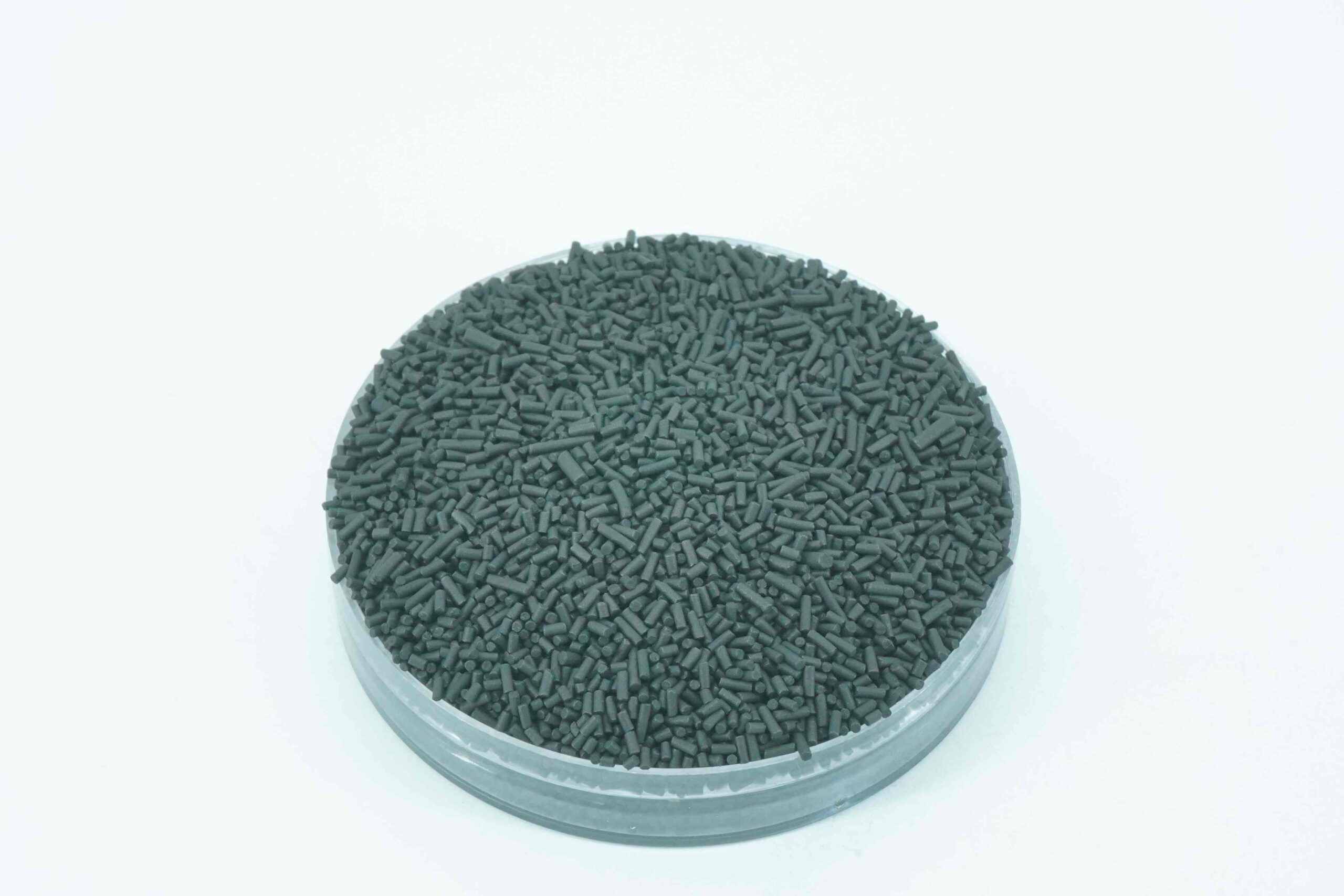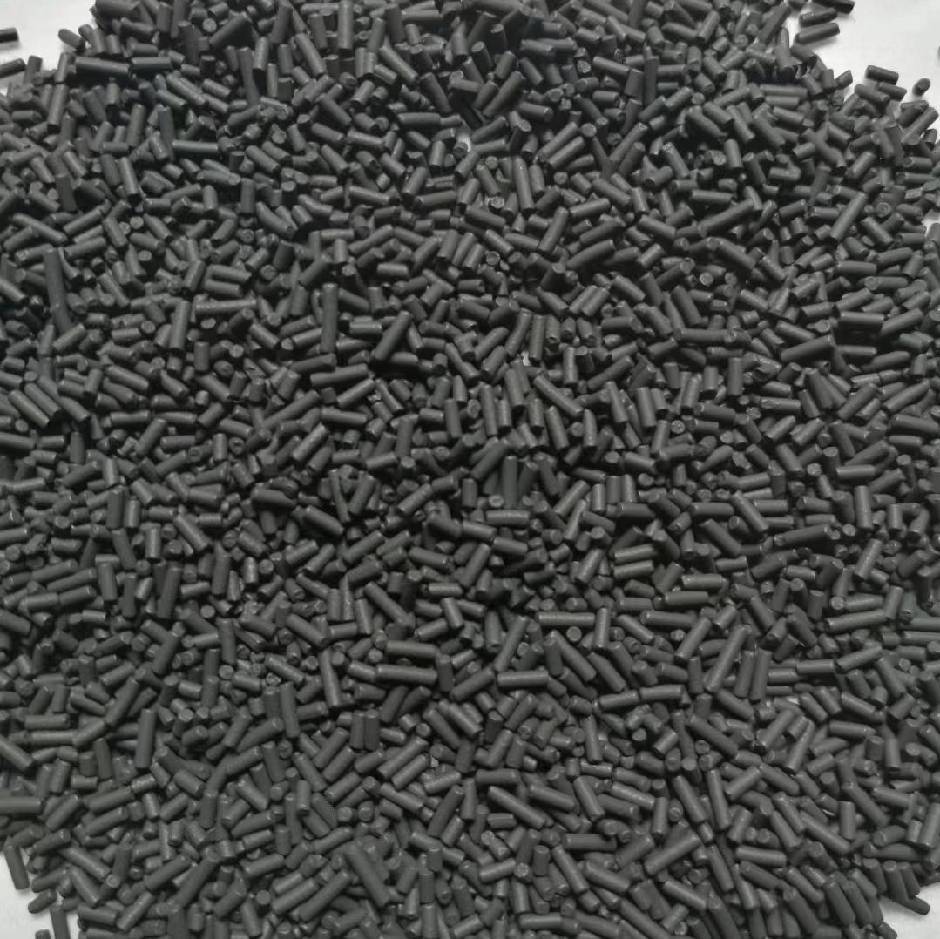
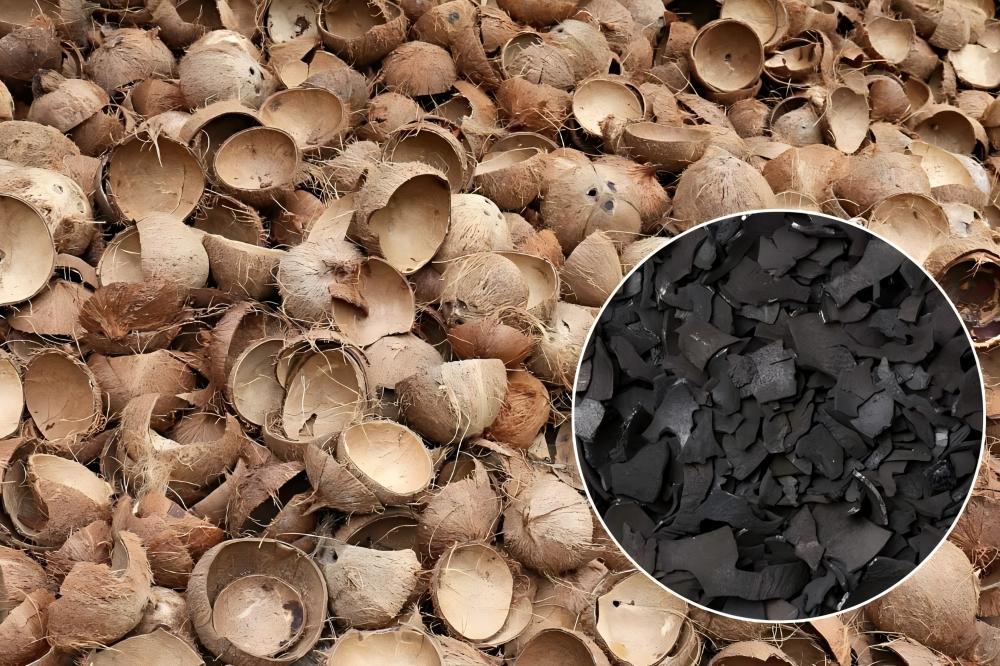
When choosing carbon molecular sieve materials, the challenge of balancing cost and performance often arises. YUANHAO Carbon Molecular Sieves (CMS) offer superior nitrogen purity and an exceptionally long service life. Market data shows strong market growth:
| Year | Market Size (USD Million) |
|---|---|
| 2026 | 172.72 |
| 2035 | 309.02 |
Recent trends reveal that while costs are on the rise, performance improvements are not always keeping pace, necessitating careful consideration.
Key Takeaways
- Choose high-purity, long-life carbon molecular sieve (CMS) materials. This will not only save you costs but also improve product performance.
- When choosing carbon molecular sieves, consider both initial costs and future cost savings. Inexpensive products may become more expensive in the future.
- Continuously learn about the latest carbon molecular sieve technologies and environmentally friendly methods. This will help you make more informed choices for your business.
Cost and Performance Factors in Carbon Molecular Sieve
Defining Cost in CMS Materials
CMS refers to carbon molecular sieves, not the Centers for Medicare & Medicaid Services (CMS). The cost of producing carbon molecular sieve materials in a factory is influenced by a variety of factors. YUANHAO’s carbon molecular sieve equipment requires upfront investment for purchase and installation. In addition, there are energy costs, maintenance costs, and equipment failure repair costs. After the carbon molecular sieves are disposed of, safe disposal costs must be paid, and environmental regulations must be met. The type of starting material and the production method of the carbon molecular sieve also affect the price. New technologies can help reduce the cost of carbon molecular sieve membranes.
| Cost Factor | Description |
|---|---|
| Initial Capital Expenditure | Procurement, installation, and integration expenses |
| Operational Costs | Maintenance, energy consumption, and downtime |
| Disposal Costs | Replacement and compliance with regulations |
| Energy Efficiency | Long-term savings from improved efficiency |
| Precursor Materials | Material selection impacts production costs |
| Manufacturing Processes | Production methods affect overall cost |
| Market Pricing Trends | Technological advances can decrease costs |
Performance Metrics for Carbon Molecular Sieve
Performance indicators help people understand the performance of carbon molecular sieves (CMS) in nitrogen production. YUANHAO’s carbon molecular sieves can efficiently produce high-purity nitrogen. Important indicators to focus on include gas separation performance, gas capacity, and strength. Pore shape and heat resistance are also crucial. These factors demonstrate that CMS performs exceptionally well in gas separation and has a long service life.
| Performance Metric | Description |
|---|---|
| Nitrogen Recovery Rate | Efficiency of nitrogen separation |
| Oxygen Concentration | Purity of nitrogen product |
| Separation Selectivity | Ratio of nitrogen to oxygen adsorption |
| Adsorption Capacity | Total gas adsorbed |
| Adsorption Kinetics | Speed of gas adsorption |
| Mechanical Strength | Durability and resistance to crushing |
| Pore Structure | Surface area and pore size distribution |
| Thermal Stability | Ability to withstand heat and regenerate |
Influencing Factors: Purity, Service Life, and Maintenance
Purity, lifespan, and maintenance costs are key to the value of carbon molecular sieves (CMS). YUANHAO’s CMS can produce nitrogen gas with near 100% purity, which is crucial for the medical and electronics industries. CMS have a lifespan of 5 to 8 years, eliminating the need for frequent replacements and saving costs.
Tip: Choosing high-purity, long-life CMS saves costs and allows for the production of higher-quality products.
Cost vs performance in CMS solutions

Comparing Entry-Level and Premium CMS Types
YUANHAO offers a variety of carbon molecular sieves for nitrogen production. CMS-220 is the basic model, while CMS-330 is a more advanced model. Each model is suitable for different applications and budgets. Cost and performance depend on factors such as initial investment, energy consumption, and service life.
The table below compares entry-level and high-end carbon molecular sieves with other materials:
| Aspect | Carbon Molecular Sieve (CMS) | Activated Carbon |
|---|---|---|
| Initial Investment | $200-400 per square meter | $50-150 per kilogram |
| Energy Consumption | 0.3-0.5 kWh/m³ | 0.8-1.2 kWh/m³ |
| Maintenance Lifespan | 10-15 years | 2-3 years |
| Total Cost of Ownership | Cost parity in 3-4 years | N/A |
| Market Pricing Trends | Decreasing costs | Stable pricing |
YUANHAO’s CMS-220 is good for normal nitrogen needs. CMS-330 gives higher purity and lasts longer. It is better for special uses. Both types help companies pick what fits their needs and money best.
Trade-Offs: Price, Purity, and Efficiency
Choosing between the basic and advanced CMS models involves trade-offs. The CMS-220 has a lower initial cost and is suitable for simple nitrogen operations. The CMS-330 is more expensive but provides purer nitrogen and has a longer lifespan, meaning you won’t need to replace it as frequently.
Businesses should consider price, purity, and performance holistically. For applications requiring high-purity nitrogen, the higher price of the CMS-330 may be worthwhile. In the long run, reduced energy consumption can lead to cost savings. YUANHAO’s CMS-330 helps reduce energy consumption and maintenance costs. The best choice depends on your nitrogen purity requirements and your budget.
Note: High-purity CMS like CMS-330 can make products better and cut down on waste in important industries.
Impact on Industrial Applications
For many businesses, the cost and performance of CMS (Refrigerant Control System) are crucial. YUANHAO’s CMS services assist companies in the food, pharmaceutical, and electronics industries.
- In the food packaging sector, CMS keeps food dry and fresh, prevents spoilage, and extends shelf life.
- In the pharmaceutical sector, CMS controls moisture in the air, ensuring the safety and efficacy of pharmaceuticals.
- In the electronics sector, CMS provides clean nitrogen gas to protect electronic components.
CMS outperforms traditional drying materials, offering greater capacity and faster drying speeds. Many companies choose CMS because it delivers superior drying results and long-term cost savings.
Tip: Companies should choose the right CMS for their work to get the best cost and performance.
Industry Trends in Carbon Molecular Sieve
Advances in Gas Separation Technology
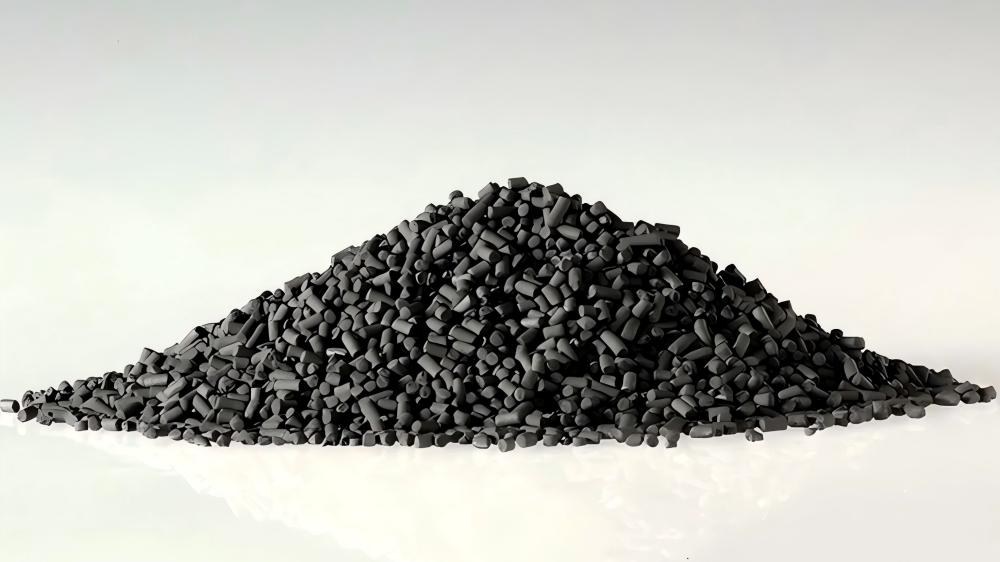
New technologies have revolutionized carbon molecular sieve (CMS) materials. Manufacturers now employ more advanced processes to create CMS with more suitable pore sizes, resulting in superior gas separation. Computer-aided design allows for pore sizes and shapes tailored to diverse application needs. These improvements enable companies to obtain purer and more efficient CMS. YUANHAO’s CMS utilizes these new technologies, achieving stable nitrogen adsorption and a longer lifespan. Today, higher demands are placed on the performance and lifespan of CMS, altering considerations of cost and performance.
- More advanced CMS manufacturing processes result in superior performance.
- Suitable pore sizes facilitate gas separation.
- Computer-aided design allows companies to customize CMS to specific needs.
Sustainability and Environmental Impact
Sustainability is paramount when selecting carbon capture and storage (CMS) materials. Yuanhao’s CMS contributes to the production of clean nitrogen fertilizer and reduces hazardous waste. Many companies seek more environmentally friendly CMS materials. They examine the production, use, and disposal methods of CMS materials.
- Companies are choosing more environmentally friendly CMS materials.
- They examine the production, use, and disposal methods of CMS materials.
- CMS materials are increasingly being used in carbon capture and storage.
- Relevant regulations are prompting companies to choose more environmentally friendly CMS materials.
Integration Challenges in Nitrogen Generation
Companies have problems when adding CMS to nitrogen systems. Rules make them use CMS that is better for the environment. They must follow strict rules to protect the planet. Companies need to pick the right CMS for their needs and how pure the nitrogen must be. New CMS lasts longer and gives steady results, so companies must plan for this. YUANHAO helps companies follow the rules and use CMS the right way.
Tip: Companies should pick trusted CMS providers to help with problems and get good results and greener solutions.
Organizational Insights: Cost and Performance in CMS Materials
Operational Costs and ROI
Companies consider numerous factors when selecting carbon molecular sieve materials. Output directly impacts power consumption and helps companies assess the value of their investment. Compressive strength indicates the carbon molecular sieve’s ability to withstand pressure, ensuring smooth production processes. Abrasion rate reflects the lifespan of the carbon molecular sieve during handling or use. Bulk density helps companies determine the amount of carbon molecular sieve used in the tower. A carbon molecular sieve may appear to perform well at first glance, but damage or poor performance can lead to greater losses.
- Output directly affects power consumption and return on investment.
- Compressive strength helps improve production efficiency.
- Abrasion rate reflects the lifespan of the carbon molecular sieve.
- Bulk density helps plan the amount of carbon molecular sieve used.
- Lifespan helps companies achieve long-term cost savings.
Tip: Companies should think about both the starting price and how much they will save later when picking CMS.
Common Pain Points in CMS Adoption
Many companies have problems when they start using CMS materials. They need to balance cost and how well CMS works. Some worry if CMS will stay strong when moved. Others find it hard to make systems that use CMS the best way. Companies also have to follow rules for safety and the environment. Picking the right CMS can fix these problems and help companies do better.
- CMS must be strong during moving and use.
- Good system design is important.
- Companies must follow safety and environment rules.
Real-World Examples from Key Industries
Industries such as pharmaceuticals, electronics, and food packaging have benefited from improved CMS technology. In the food and beverage industry, CMS technology keeps products dry and safe. Pharmaceutical companies use CMS technology to prevent product spoilage and comply with regulations. Electronic products also require CMS technology to remain dry, thus preventing spoilage and extending their lifespan. Gas separation and hydrogen purification also require CMS technology to obtain purified gases.
- The food and beverage industry uses CMS technology to keep products safe and dry.
- Pharmaceutical companies use CMS technology to prevent product spoilage and comply with regulations.
- Electronic products have longer lifespans and are less prone to spoilage.
- Gas separation and hydrogen purification require CMS technology to obtain purified gases.
Note: CMS materials help companies make better products and keep them safe.
YUANHAO carbon molecular sieves offer excellent value for money, producing high-purity nitrogen, with a long service life and minimal maintenance. Companies should consult experts and purchase high-quality products before buying carbon molecular sieves.
- Continuously learn about new regulations and environmental protection solutions.
- Use renewable resources whenever possible in the production of carbon molecular sieves.
- Closely monitor the latest developments in carbon molecular sieve technology.