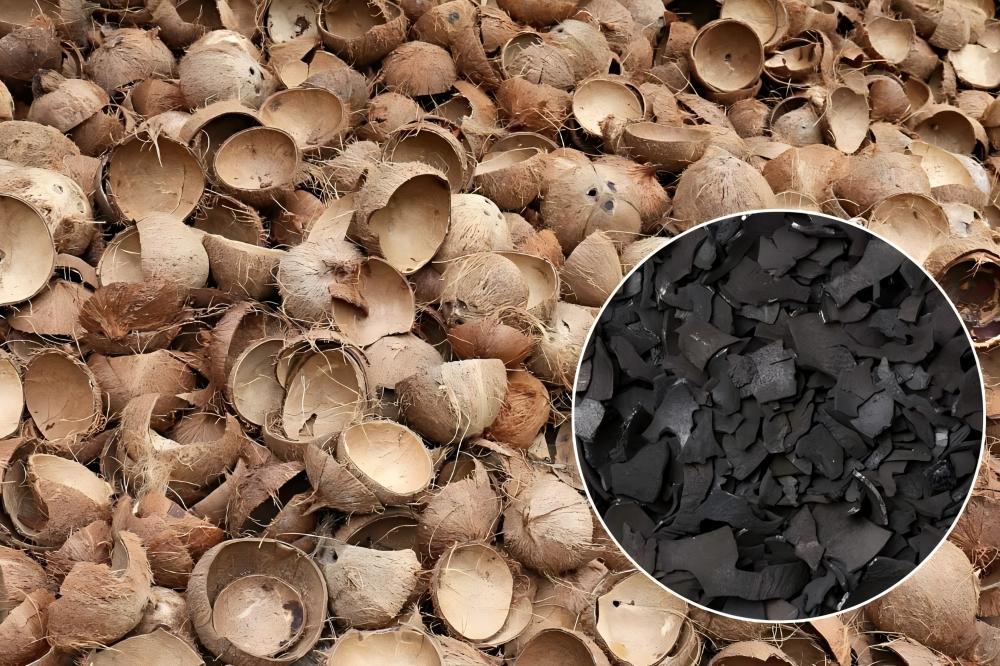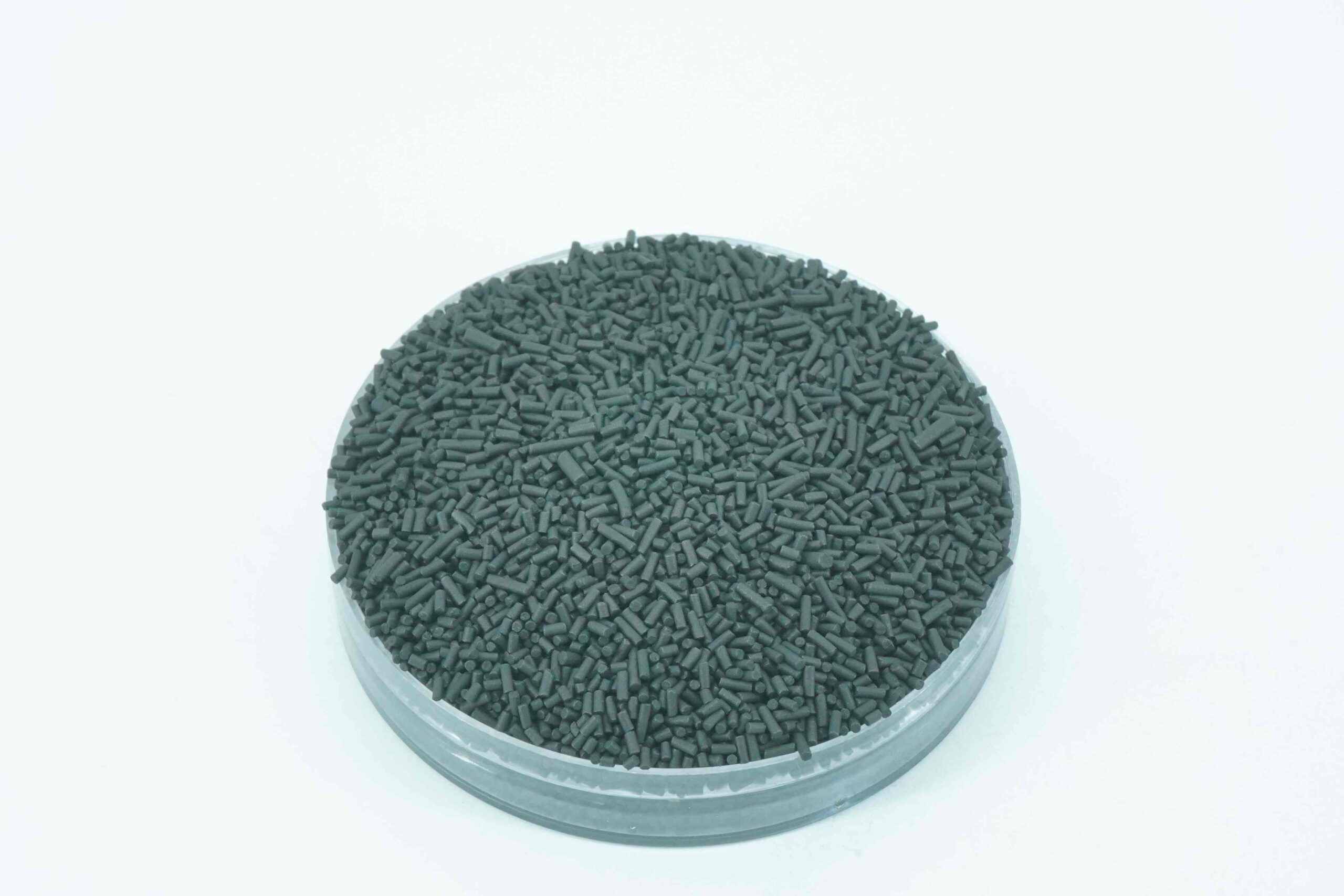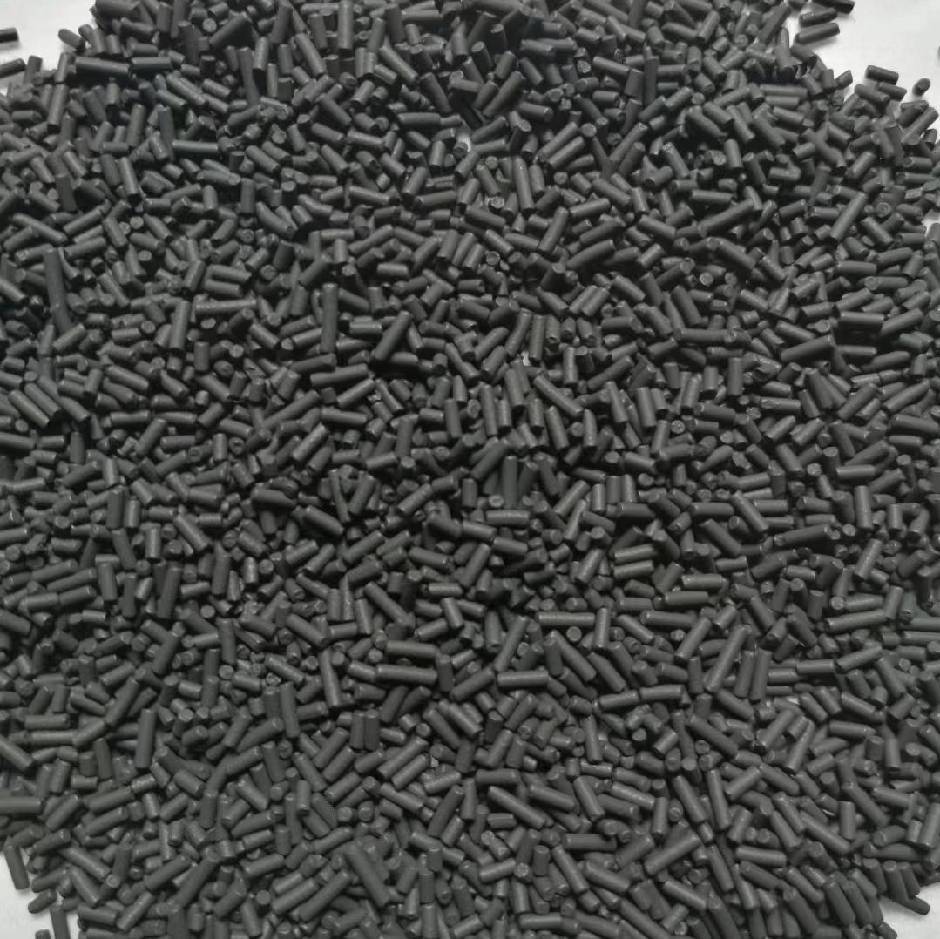

Understanding the specifications of each type of carbon molecular sieve is crucial. This helps in selecting the most suitable product for nitrogen production. Adsorption capacity and regeneration time affect nitrogen purity and machine operating efficiency. Physical properties such as strength and density help extend the product’s lifespan.
| Specification | YUANHAO CMS Value |
|---|---|
| Particle Size | 1.0–2.0 mm |
| Pore Size | 0.28–0.38 nm |
| Bulk Density | 680–700 kg/m³ |
| Compressive Strength | ≥70 N |
| Nitrogen Purity | Up to 99.999% |
| Adsorption Rate | High |
| Regeneration | Fast |
| Service Life | 5–8 years |
| Environmental Benefit | No harmful waste |
Key Takeaways
- Understanding the specifications of carbon molecular sieves helps you choose the right nitrogen production product. Important factors such as particle size, pore size, and sieve strength all affect its performance and lifespan. Obtaining high-purity nitrogen gas (up to 99.999%) is crucial for fields such as food preservation, pharmaceuticals, and electronics.
Carbon Molecular Sieve Specifications
Particle Size & Pore Size
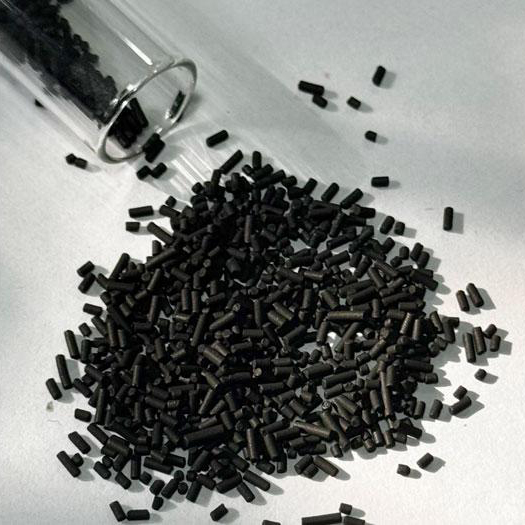
- Most commercially available carbon molecular sieves have particle widths between 1.8 and 2.1 mm.
- Yuanhao carbon molecular sieves have particle sizes ranging from 1.0 to 2.0 mm and pore sizes from 0.28 to 0.38 nanometers.
The size of each particle and its pore size are crucial for gas separation. By controlling the pore size, molecular sieves can selectively capture specific gas molecules. Oxygen molecules are smaller and easily enter the pores and are trapped; nitrogen molecules are larger and can pass through the pores and be collected. Particle size affects the velocity of gas through the molecular sieve and the required pressure. Smaller particles help improve the separation efficiency of the molecular sieve but may also lead to a greater pressure drop. Choosing the appropriate particle size and pore size helps PSA nitrogen generators achieve optimal performance.
Bulk Density & Strength
Bulk density refers to the volume of material within a given space. Yuanhao carbon molecular sieves have bulk densities between 680 and 700 kg/m³. Their compressive strength is at least 70 N, indicating the maximum force the molecular sieve can withstand before breaking.
These characteristics help extend the service life of the molecular sieve and maintain its performance under high pressure. High bulk density means more material can be trapped for gas. High compressive strength prevents the molecular sieve from breaking under rapid pressure changes in PSA systems. Good mechanical strength also protects the molecular sieve from damage caused by temperature changes or other factors during use.
Some common problems with carbon molecular sieves are issues with the bottom support, liquid getting into the system, and other operation troubles. The bottom support can break because of heating and cooling, which makes gaps that let sieve particles fall into the bottom dome. This can make channels in the bed, causing early leaks and damage to equipment below. To stop these problems, people should design and install the support well, load the sieve beds carefully, and use guard layers to keep out liquid drops.
Nitrogen Purity & Adsorption
Carbon molecular sieves separate gases based on their size and shape. Their carefully designed pore size enables highly efficient gas separation. Yuanhao carbon molecular sieves can produce nitrogen gas with a purity of up to 99.999%. This high-purity nitrogen is widely used in food storage, pharmaceuticals, and electronics.
- Nitrogen Purity: Carbon molecular sieves can produce nitrogen gas with a purity exceeding 99.999%.
- Reduced Energy Consumption: Optimized processes help reduce energy consumption in PSA systems.
The working principle of this molecular sieve is kinetic energy separation. Its tiny pores can capture smaller gas molecules such as oxygen, while larger nitrogen molecules are not captured. High porosity allows the molecular sieve to rapidly adsorb and release gases, thus producing more nitrogen gas faster. Optimized adsorption processes also help reduce energy consumption in PSA generators.
- Selective Adsorption: Carbon molecular sieves can capture smaller gas molecules such as oxygen while allowing larger nitrogen molecules to pass through, thereby achieving nitrogen purification.
- Rapid Adsorption and Desorption: The high porosity of CMS enables it to operate rapidly, thus facilitating rapid nitrogen production in PSA systems.
- High-Purity Nitrogen: CMS can produce nitrogen with a purity of up to 99.999%, almost completely removing oxygen.
- Energy Saving and Efficiency: Optimal adsorption processes help PSA nitrogen generators reduce energy consumption, thereby saving costs.
Regeneration & Service Life
Regeneration refers to the speed at which molecular sieves can be reused. Yuanhao carbon molecular sieves regenerate quickly, contributing to the efficient operation of the PSA cycle. Their lifespan is 5 to 8 years, requiring no frequent replacement.
To extend the lifespan of carbon molecular sieves in the PSA system, operators should pay attention to the following:
- Use a high-performance pretreatment system.
- Maintain stable and correct operating parameters.
- Correctly fill and maintain the molecular sieve.
- Replace filter cartridges regularly to protect the molecular sieve.
- Add carbon molecular sieve as needed to ensure normal system operation.
Furthermore, Yuanhao carbon molecular sieves offer environmental advantages. They do not produce any harmful waste and contribute to the production of clean nitrogen. Relevant regulations impose strict requirements on the production and selection of molecular sieves. Manufacturers must comply with regulations regarding air quality, waste treatment, water resource utilization, energy consumption, and product lifecycle testing.
| Regulatory Area | Impact on CMS Design and Selection |
|---|---|
| Air Quality Regulations | These rules limit emissions during production, which can change how sieves are made and how even they are. |
| Waste Management Regulations | These rules need special ways to handle dangerous materials, which changes how sieves are made and keeps batches the same. |
| Water Discharge Regulations | These rules limit what can go into water, which changes how water is used and cleaned during production. |
| Energy Efficiency Mandates | These rules make companies use greener methods, which can change how sieves are made and how even they are. |
| Lifecycle Assessment Requirements | These rules need full reports on environmental effects, so companies must check and control quality more. |
The carbon molecular sieve specification makes sure nitrogen is made in a way that is reliable, works well, and is good for the environment in many industries.
Types and Selection Guide

CMS Grades & Applications
Yuanhao manufactures carbon molecular sieves in various grades. Each grade is suitable for specific applications in a plant.
- CMS-220 is used to produce nitrogen to keep food fresh.
- CMS-240 is used in chemical plants to produce oxygen.
- CMS-260 is used in pharmaceutical plants to produce oxygen.
- CMS-280 is used in the electronics industry to prevent oxygen ingress.
- CMS-300 provides pure nitrogen for metal heating in PSA systems.
- CMS-330 provides nitrogen suitable for a variety of plant applications.
You need to select the appropriate grade based on your application. The grade you choose depends on the required nitrogen purity. Each grade has its unique characteristics to meet the needs of different plants.
Interpreting Data Sheets
Data sheets have important facts about carbon molecular sieve. They show numbers for particle size, pore size, bulk density, and strength. People look at these numbers to pick what works best for them.
| Parameter | What It Means | Why It Matters |
|---|---|---|
| Particle Size | Size of each granule | Affects flow and pressure |
| Pore Size | Width of tiny holes | Controls gas separation |
| Bulk Density | Mass per volume | Impacts adsorption capacity |
| Strength | Resistance to force | Ensures durability |
Tip: People sometimes have trouble measuring pore size or surface area. They also check how well the sieve picks gases. It is smart to use clear data and good testing tools.
Industry Standards & Testing
Several standards can help in evaluating the quality of carbon molecular sieves.
- ASTM D5742 applies to gas separation membranes.
- ASTM D6556 specifies test methods for molecular sieves.
- ISO 9276 is used to inspect particle size.
- ISO 15901 is used to measure pore size.
Tests include observing particle size, bulk density, hardness, and compressive strength. Specialized equipment such as electron microscopy and nitrogen testing helps in evaluating the performance of molecular sieves. Indicators such as adsorption capacity and breakthrough time can reflect the quality of the molecular sieve.
Knowing the specifications helps people choose the best product for making nitrogen. Buyers should look at how pure the nitrogen is, how fast it flows, and how long the product lasts.
Quick Checklist for Buyers:
- Be sure to verify whether the product originates from a manufacturer or a trading company.
- Check certification information.
- Inquire about delivery time.
- Ask about payment methods.
- Inquire about quality assurance.
- Confirm product delivery method.
- Ask if technical support is available.
Comparing product specifications and adhering to industry standards can increase product credibility and ensure optimal performance.