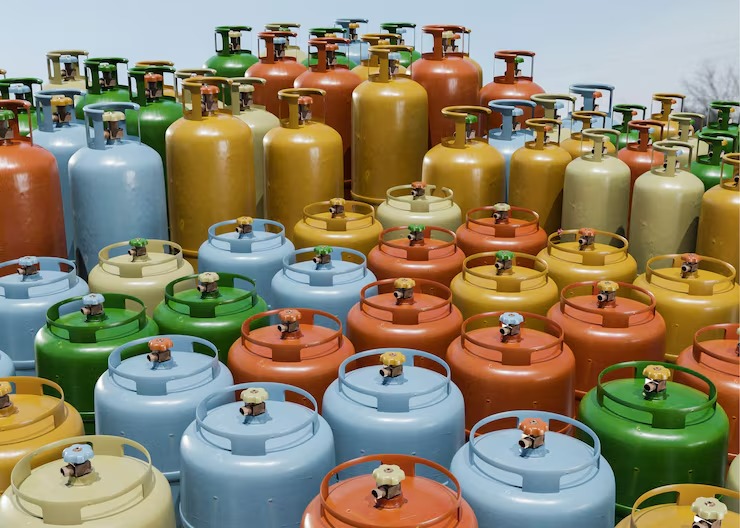
The principle behind the Pressure Swing Adsorption (PSA) process is that, under high pressure, gas molecules adhere to a solid surface—a process known as “adsorption.” The higher the pressure, the more gas adheres to the surface; conversely, when the pressure drops, the gas is released (desorbed).
The PSA process used for nitrogen generation functions much like a smart filter. It is akin to using a sieve to sort colored balls by size: the PSA process employs specialized materials to separate nitrogen from the other gases present in the air. Nitrogen is vital across many industries, serving both to enhance safety and as a key raw material for manufacturing a wide range of products.
| Nitrogen Compound | Use in Industry |
|---|---|
| Ammonia | Used to make fertilizers |
| Urea | Used a lot as fertilizer |
| Nitric Acid | Used in many factory processes |
| Ammonium Nitrate | Used often in fertilizers |
| Ammonium Sulfate | Used in farming |
The PSA (Pressure Swing Adsorption) process enables enterprises to easily obtain high-purity nitrogen, thereby meeting the needs of factories and laboratories. By utilizing adsorbents to capture other gases while allowing nitrogen to pass through, this process offers a proven solution for generating nitrogen on-site.
Key Takeaways
- The PSA (Pressure Swing Adsorption) process separates nitrogen from other gases. By utilizing pressure to adsorb specific gases onto solid materials, this process efficiently produces high-purity nitrogen.
- PSA nitrogen generators help businesses reduce costs. They provide a reliable, in-house nitrogen supply, eliminating the need for frequent purchases from external vendors.
- Regular maintenance—including the inspection of filters and various components—is essential. This ensures both nitrogen purity and the equipment’s continued optimal performance during long-term operation.
How the PSA Process Works
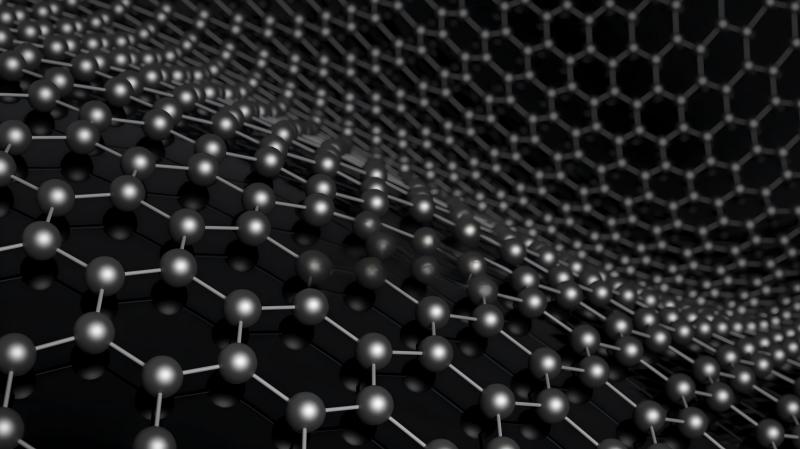
PSA Nitrogen Generation Steps
Nitrogen generators produce pure nitrogen using the Pressure Swing Adsorption (PSA) process. First, the equipment pressurizes the air, bringing gas molecules closer together to facilitate more effective nitrogen separation. The pressurized air stream passes through filters to remove impurities and moisture. Subsequently, the clean air enters an adsorption tower filled with carbon molecular sieves.
The PSA process involves a series of cyclic steps. During one phase, oxygen and moisture are adsorbed onto the molecular sieves, while nitrogen passes through unadsorbed and is discharged as the product gas. When the molecular sieves reach saturation, the system reduces the pressure to release the adsorbed gases, thereby regenerating the sieves. Through the continuous cycling of these steps, the nitrogen generator provides a steady supply of nitrogen.
| Step | Description | Contribution to Purity |
|---|---|---|
| Adsorption | Air goes into the tower under high pressure. | Oxygen and water are caught, so nitrogen can be separated. |
| Desorption | Pressure drops to let go of trapped gases and clean the sieve. | Keeps the sieve working, so nitrogen keeps coming. |
The generator operates at a pressure of 4 to 13 bar and a temperature of 10 to 25°C. Each cycle takes 45 to 90 seconds. These parameter settings help ensure nitrogen purity and guarantee sufficient nitrogen output.
| Parameter | Typical Range |
|---|---|
| Inlet Pressure | 4–13 bar |
| Temperature | 10–25°C |
| Cycle Time | 45 to 90 seconds |
Key Components of a Nitrogen Generator
The nitrogen generator consists of several key components:
- Adsorbers containing carbon molecular sieves are used to adsorb oxygen.
- A dehumidifier removes moisture to protect the molecular sieves.
- Filters purify the air before it enters the tower units.
- A control module uses sensors and valves to switch between the two columns.
- The generator is equipped with two pressure vessels that operate alternately; one vessel handles adsorption while the other undergoes regeneration. This ensures a continuous supply of nitrogen.
| Filtration Method | Contaminants Removed |
|---|---|
| Pre-Filtration | Tiny particles down to 0.01 micron |
| Post-Filtration | Leftover particles in the nitrogen stream |
Regular care keeps the generator working well. Workers look for leaks, check purity, and change filters every 8,000 hours. The air compressor and dryer need checks to stop water from building up.
| Component | Maintenance Schedule | Lifespan |
|---|---|---|
| Air Compressor | Check, clean, and oil often | Depends on use |
| Filters | Change every 8000 hours | Depends on use |
| Adsorption Tower | Check and fix often | Depends on use |
Role of Carbon Molecular Sieve
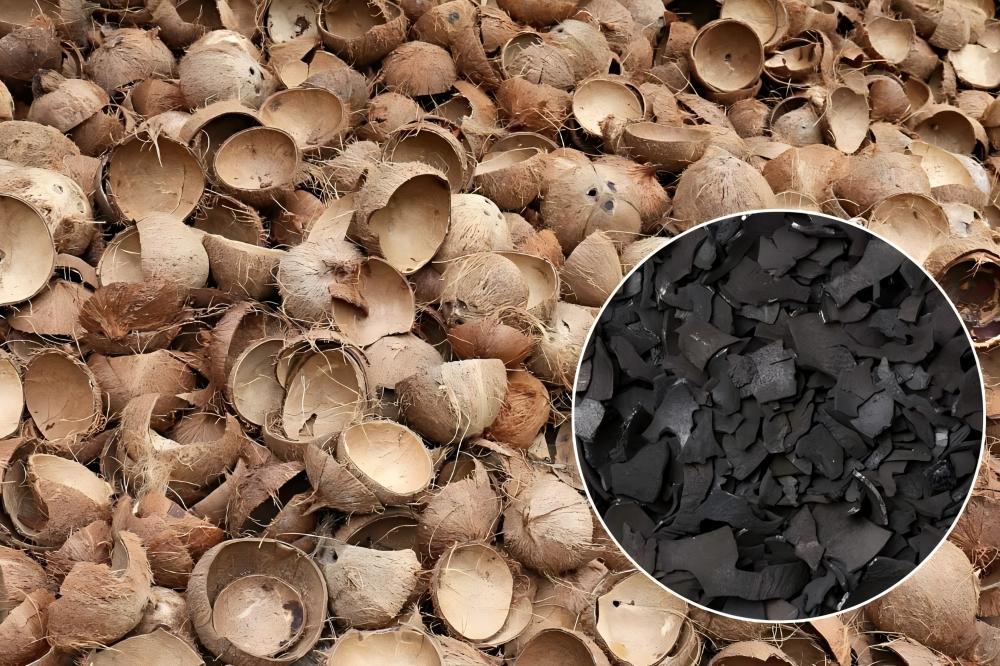
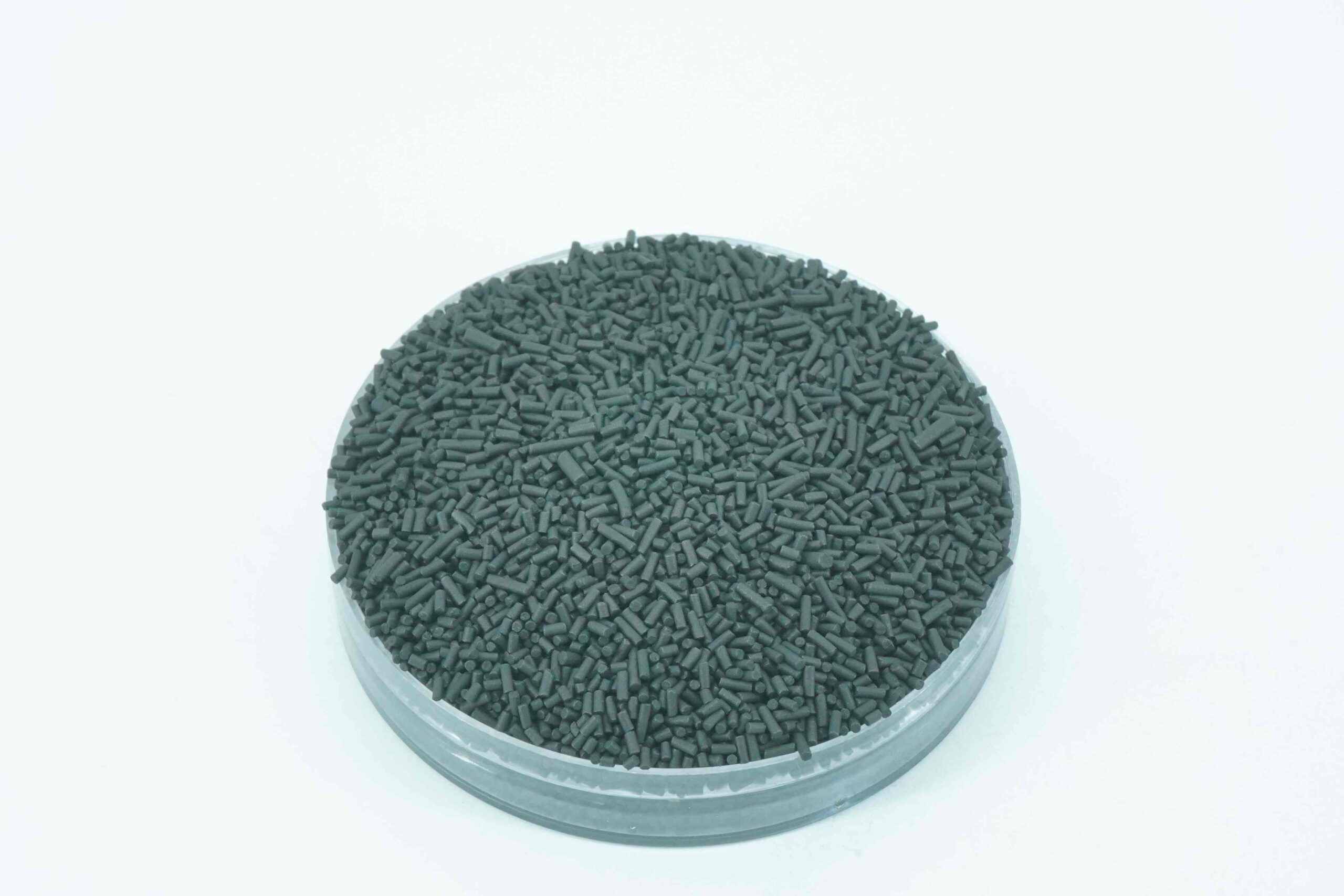
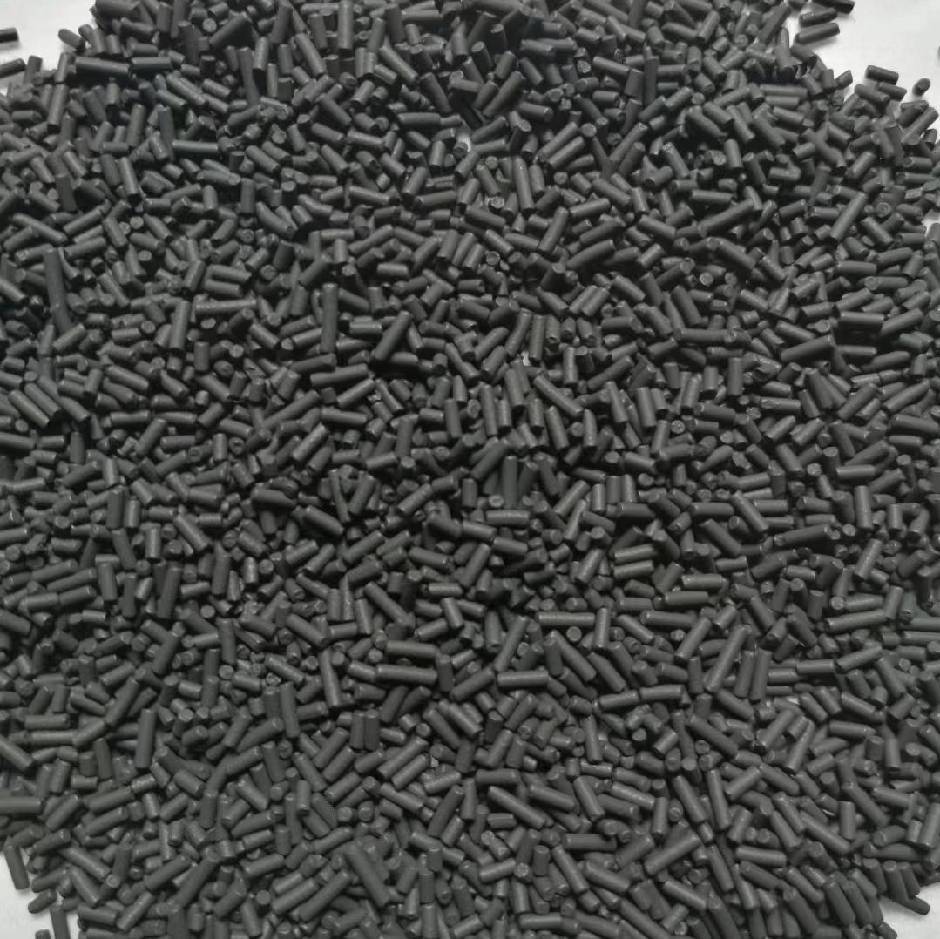
Carbon molecular sieves play a crucial role in pressure swing adsorption (PSA) processes. These sieves are filled with tiny pores; oxygen molecules rapidly enter these pores, whereas nitrogen molecules move more slowly and pass straight through. This characteristic enables nitrogen generators to effectively separate nitrogen from oxygen.
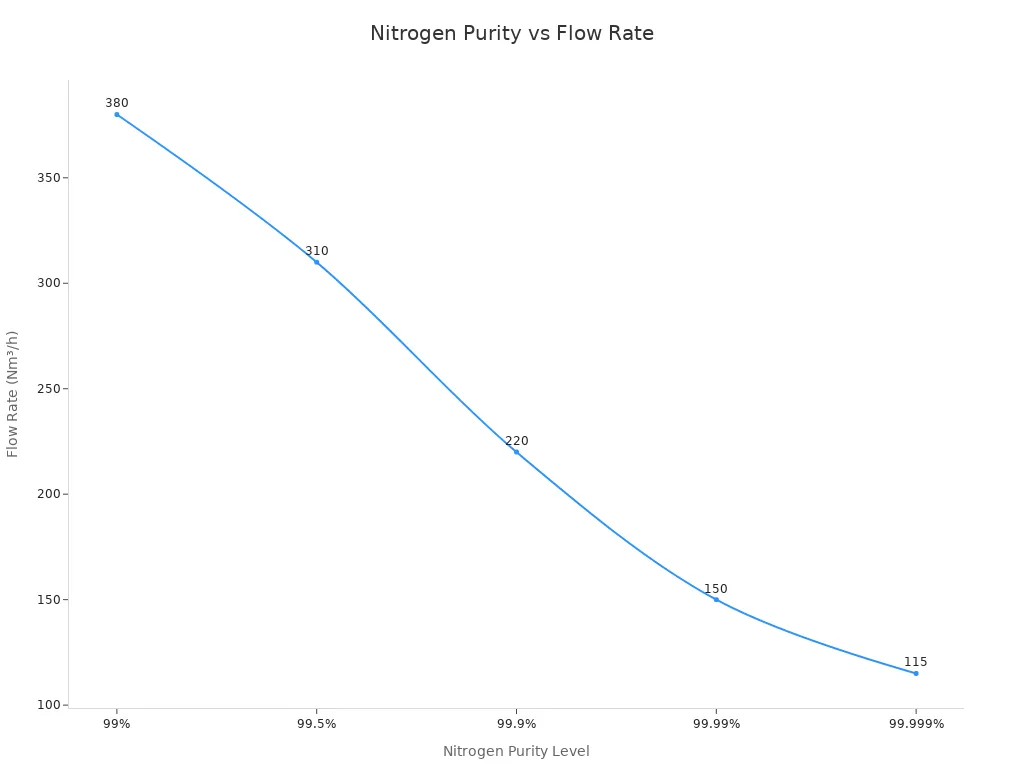
YUANHAO manufactures and markets high-performance carbon molecular sieves designed for nitrogen generators. Its CMS-220 and CMS-330 models are capable of producing nitrogen with purity levels ranging from 95% to 99.999%, with the CMS-330 model specifically engineered for high-purity nitrogen requirements and demanding operating conditions.
This nitrogen generator utilizes carbon molecular sieves to separate and produce high-purity nitrogen. These molecular sieves are robust, durable, and offer stable performance. YUANHAO provides both customized solutions and volume supply services to meet diverse requirements. The molecular sieves it manufactures are widely used for nitrogen generation in the electronics, packaging, and laboratory sectors.
Some nitrogen generators also incorporate nitrogen separation membrane technology, which further enhances nitrogen purity while reducing energy consumption. The combined use of carbon molecular sieves and separation membranes enables the equipment to meet a wide range of application needs.
The nitrogen generator offers a cost-effective, on-site nitrogen production solution. Through the synergy between the Pressure Swing Adsorption (PSA) process and YUANHAO molecular sieves, the equipment produces high-purity nitrogen suitable for various applications.
Benefits and Applications of PSA Nitrogen Generators
Advantages of PSA Nitrogen Generation
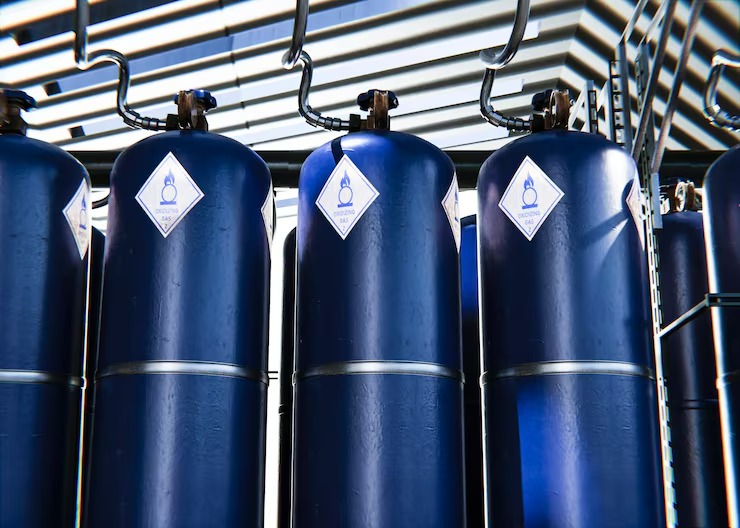
PSA (Pressure Swing Adsorption) nitrogen generators provide high-purity nitrogen directly at the point of use, helping businesses cut costs by nearly half and thereby enhancing cost-efficiency. On-site generation ensures a reliable nitrogen supply, eliminating dependence on external vendors. Real-time monitoring helps maintain efficient system operation and minimizes waste. The technology also benefits the environment by reducing the need for transport vehicles and eliminating the handling or storage of gas cylinders. Furthermore, PSA systems offer the flexibility to adjust nitrogen purity levels according to specific requirements.
PSA nitrogen generators use less energy and make more nitrogen. This helps the planet and lowers greenhouse gases.
| Aspect | Traditional Supply | On-Site Production |
|---|---|---|
| Cost per 100 cubic feet | Several dollars | Nearly 20 cents |
| Payback Period | N/A | 9 to 24 months |
| Ongoing Costs | Tank rental, delivery fees | Maintenance and energy costs |
Industrial Uses of PSA Nitrogen
Many industries utilize PSA (Pressure Swing Adsorption) nitrogen generators to meet various operational needs. YUANHAO’s CMS-220 model is suitable for tire inflation and basic warehousing, producing nitrogen with a purity of 95% to 97%. The CMS-240 model is designed for applications in packaging and garment manufacturing. Meanwhile, the CMS-330 model produces high-purity nitrogen with a purity exceeding 99.9%. Electronics manufacturers use high-purity nitrogen to prevent oxidation and rust during the soldering process, while pharmaceutical and chemical companies employ it to ensure production safety.
The PSA process for nitrogen helps industries get pure gas. YUANHAO’s carbon molecular sieves make the system work better. They also help save money.
| Contribution | Description |
|---|---|
| High Nitrogen Purity | YUANHAO’s CMS keeps nitrogen pure for factories. |
| Improved Operation | Good sieves help the system run well and last longer. |
New technology makes PSA systems easier to use and better for the planet. Many companies use these systems to get safe and steady nitrogen.
FAQ
What makes PSA nitrogen generators different from nitrogen cylinders?
PSA nitrogen generators make gas right where you need it. Nitrogen cylinders hold gas and must be brought to you. PSA systems keep making filtered nitrogen all the time for a steady supply.
How do carbon molecular sieves separate nitrogen molecules from air?
Carbon molecular sieves catch oxygen but let nitrogen go through. The sieves have tiny holes that sort gases by size and speed.
Can PSA systems run nonstop for industrial needs?
PSA systems can work all the time without stopping. They give factories and labs steady nitrogen. Many industries use PSA systems for nonstop filtered nitrogen.