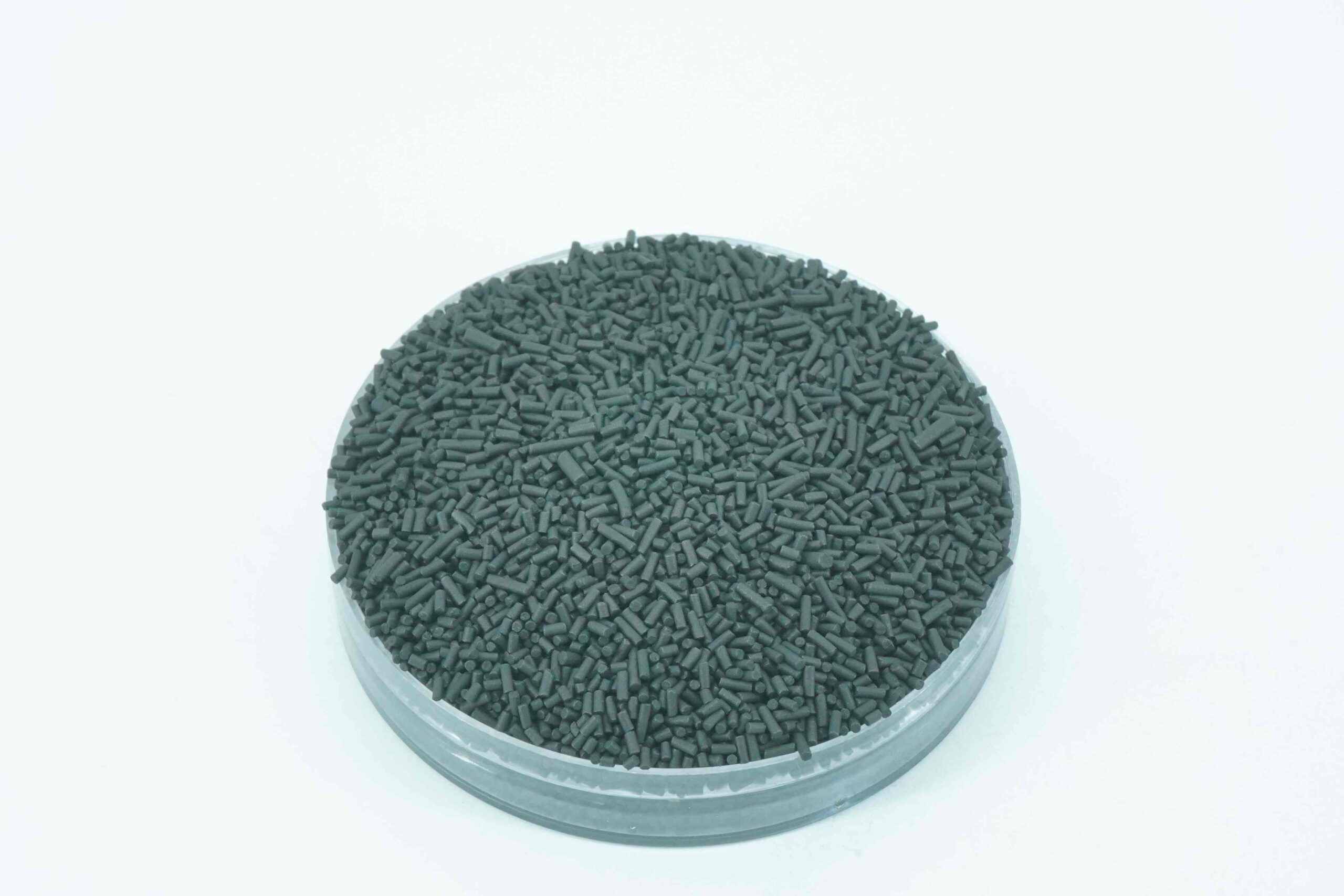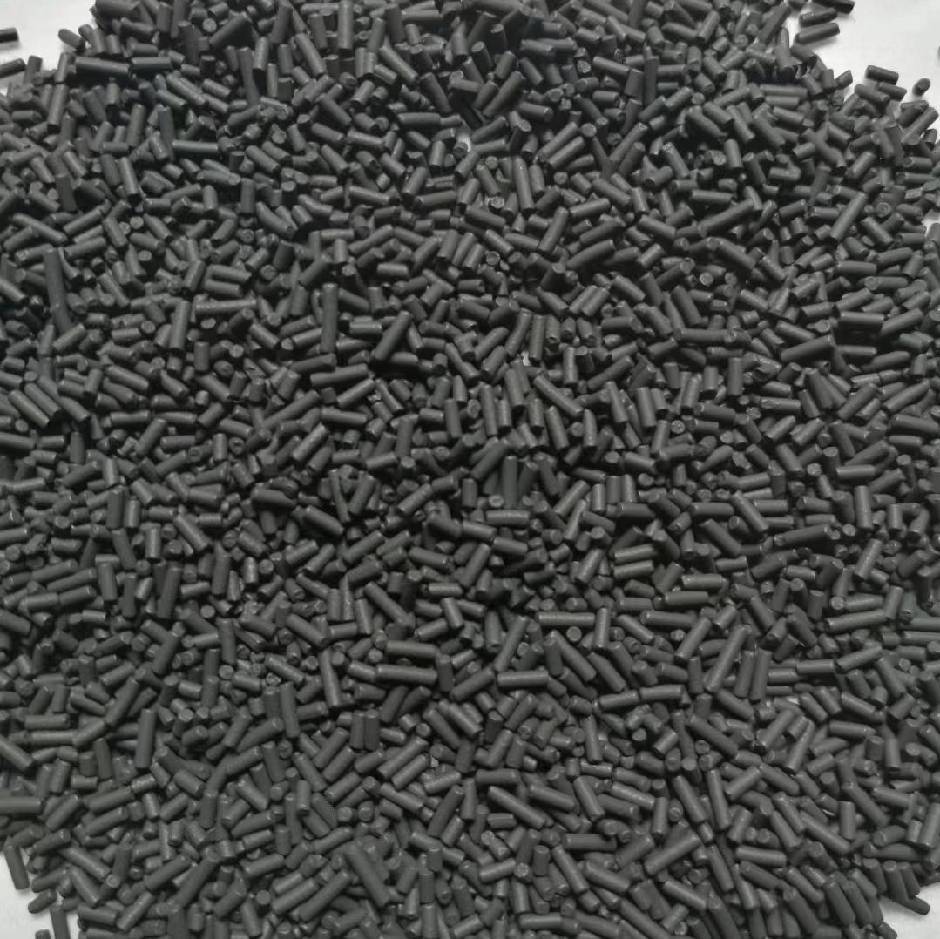
Carbon molecular sieve is a carbon-based material characterized by tiny pores.Factories use it for gas separation, primarily to produce nitrogen.Its pore size and gas-trapping properties facilitate the separation of gases such as oxygen and nitrogen.
YUANHAO manufactures and sells high-quality carbon molecular sieve materials for use by factories worldwide.
Key Takeaways
- Carbon molecular sieves feature extremely fine pores capable of separating gases such as nitrogen and oxygen, making them vital to many industries.
- Manufacturing carbon molecular sieves from coconut shells benefits the environment by helping to reduce carbon emissions; this not only protects the natural environment but also enhances product quality.
- Regular inspection and maintenance can extend the service life of carbon molecular sieves to over 10 years, ensuring optimal performance and cost savings.
Carbon Molecular Sieve Overview
Structure and Composition
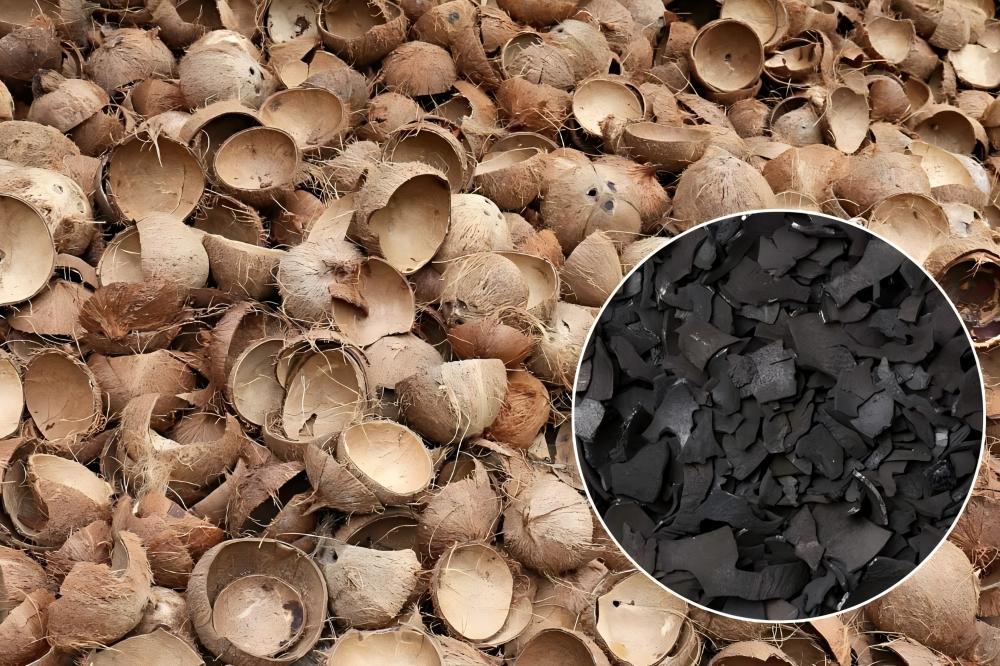
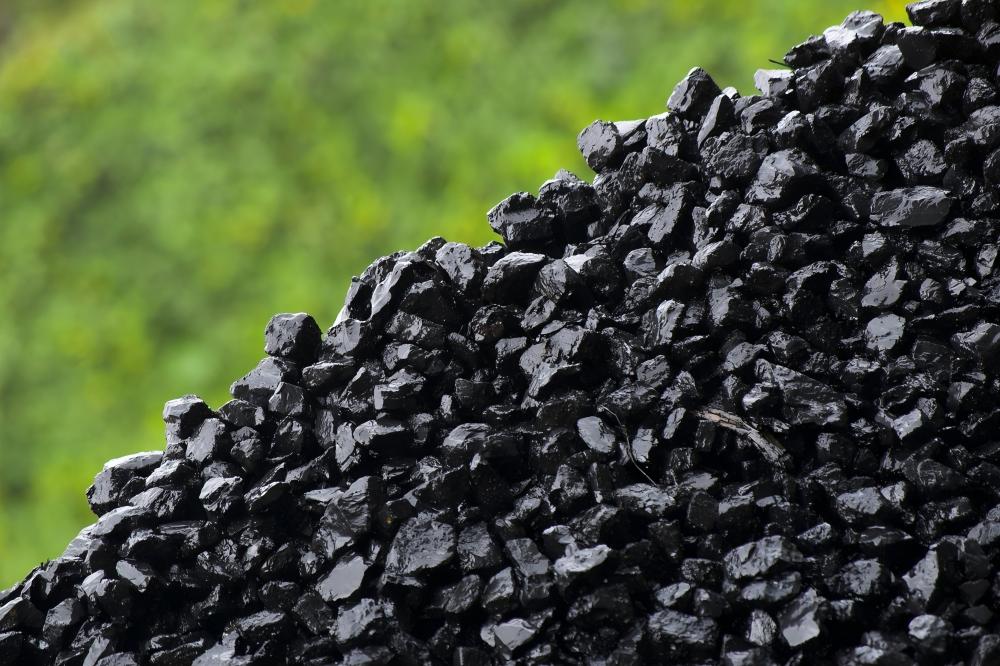
Carbon molecular sieves possess a unique structure that enables gas separation based on molecular size. Companies like YUANHAO employ novel processes to manufacture these materials, typically using raw materials such as coconut shells, coal, or polymers. The choice of raw material and the processing method directly influence the performance of the final product. For instance, using coconut shells not only facilitates the utilization of agricultural waste but is also more environmentally friendly; compared to using coal, this approach can reduce carbon emissions by up to 65%.
Note: Using coconut shells is good for the environment and makes a strong, reusable product.
Scientists use different ways to study the structure and makeup of carbon molecular sieves. These tests help companies make sure their products are high quality. The table below shows some main features and how experts check them:
| Feature Type | Description |
|---|---|
| Structural Characterization | Electron microscopes, Raman tools, and scattering tests show the shape and any problems. |
| X-ray Diffraction (XRD) | Shows how the crystals look and how the carbon layers are stacked. |
| Chemical Composition | Tests and spectroscopy check for carbon, hydrogen, oxygen, and nitrogen. |
YUANHAO is a top company that makes and sells many kinds of carbon molecular sieve products. Each type is used in different jobs and industries. The table below lists some main products and what they are used for:
| Product | Description | Applications |
|---|---|---|
| CMS-220 | Makes nitrogen well, good at trapping gases. | Food, storage, oil, and chemical factories |
| CMS-240 | Makes nitrogen quickly and efficiently. | Used in tougher work settings |
| CMS-260 | Gives more nitrogen, uses less air. | Chemical, water cleaning, paper, and printing |
| CMS-280 | Safe from explosions, resists fire and oxidation. | Used where safety is very important |
| CMS-300 | Best for high-level PSA systems, saves more nitrogen. | Laser welding, electronics, medical jobs |
| CMS-330 | Works super fast, gives very pure nitrogen. | Metal heating, new energy, and semiconductors |
Key Properties
The performance of carbon molecular sieves depends primarily on their pore structure and specific surface area—characteristics that enable the effective separation of gases such as oxygen and nitrogen. Their pore sizes are extremely small, ranging from a few angstroms to a few nanometers; this dimensional attribute allows them to trap specific gas molecules while permitting others to pass through. The unique nature of their pore size distribution distinguishes carbon molecular sieves from other materials, such as zeolites.
- Carbon molecular sieves possess a unique pore structure that enables gas separation based on the size and adsorption characteristics of gas molecules.
- Furthermore, they can sort gases based on the kinetic rates of the gas molecules.
- Their carbon-based composition imparts properties that set them apart from other types of molecular sieves.
Changes in temperature and pressure affect the performance of carbon molecular sieves. High temperatures may reduce pore selectivity, while excessive pressure can alter pore shape. Companies like YUANHAO strictly monitor the production process to ensure pores maintain optimal dimensions and shapes, thereby guaranteeing superior product performance in gas separation applications.
Innovative manufacturing processes have enhanced the strength and efficiency of carbon molecular sieves. These processes allow for more precise control over pore size, resulting in higher nitrogen purity and reduced energy consumption. YUANHAO leverages these advanced technologies to provide customized product solutions across a wide range of industries.
Tip: Pick the right carbon molecular sieve for your needs, like how pure you want the nitrogen and what conditions you have.
Gas Separation Mechanism with Carbon Molecular Sieves
Selective Adsorption Process
Carbon molecular sieves utilize their tiny pores to separate gases. Oxygen molecules can enter these small pores and become trapped, whereas nitrogen molecules, being larger, are not easily trapped. This process is known as selective adsorption.
The table below illustrates how carbon molecular sieves achieve gas separation:
| Aspect | Description |
|---|---|
| Microporous Structure | The tiny pores help the sieve pick some gases over others. |
| Pore Size Distribution | Pores that are almost the same size make the sieve better at picking, but can slow things down. |
| Temperature and Pressure | High heat or pressure can change the pores and how well the sieve works. |
| Moisture Sensitivity | Water in the air can fill the pores and make the sieve work less well. |
YUANHAO uses new technology to make carbon molecular sieves with exact pore sizes. Their products, like CMS-220 and CMS-300, are very good at splitting gases. These sieves can make nitrogen that is 99.999% pure. This is important for jobs that need very clean nitrogen.
Note: Picking a carbon molecular sieve with the right pore size helps companies get the best results for gas separation.
Nitrogen Generation Applications
Many companies use nitrogen made by carbon molecular sieve technology. Nitrogen from YUANHAO is very pure and reliable, so many industries use it. The table below shows some main industries and how they use nitrogen:
| Industry | Application Description |
|---|---|
| Food Packaging | Nitrogen keeps food fresh by pushing out oxygen and slowing spoilage. |
| Electronics Manufacturing | Nitrogen makes a clean space to stop parts from rusting or getting dirty. |
| Chemical Processing | Nitrogen stops bad reactions with oxygen during chemical work. |
| Marine Inerting | Nitrogen makes ship spaces safe by removing flammable air. |
| Pharmaceutical Manufacturing | Nitrogen keeps medicine safe and stable while making and packing it. |
| Laser Cutting | Nitrogen stops metal and plastic from burning when cutting. |
| Beverage Industry | Nitrogen helps keep drinks fresh when bottling. |
| Oil and Gas | Nitrogen lowers the chance of explosions during oil work. |
| Metallurgy | Nitrogen helps control the air during metal heating and shaping. |
These applications require nitrogen with a purity of up to 99.999%—a level of purity that is critical for the electronics, pharmaceutical, and food packaging industries. YUANHAO provides customized solutions across various sectors; its carbon molecular sieve products offer a service life of 5 to 8 years, helping enterprises save both time and costs.
Recommendation: Enterprises should partner with professional suppliers like YUANHAO to obtain high-quality carbon molecular sieve products that best meet their specific needs.
Advantages and Considerations of Carbon Molecular Sieves
Benefits Over Other Materials
Many enterprises choose carbon molecular sieves for gas separation due to their excellent performance and exceptional ability to selectively separate specific gases. Their unique pore structure enables the efficient separation of gases such as nitrogen and oxygen. Manufacturers can adjust pore sizes to meet specific requirements, achieving extremely high separation efficiency (with separation ratios exceeding 50:1 for certain gas combinations). Carbon molecular sieves operate at ambient temperatures, helping to save energy and reduce costs.
Key advantages include:
- Efficient separation of gases such as nitrogen, oxygen, hydrogen, and carbon dioxide.
- Rapid operation, increasing system throughput and productivity.
- High resistance to temperature and pressure, ensuring stable and reliable performance.
- Reusable after cleaning or thermal regeneration, minimizing waste generation.
- Available in various forms—such as films or hollow fibers—to suit diverse systems.
- Lower operating and maintenance costs compared to other materials.
YUANHAO produces carbon molecular sieves using coconut shells as raw material; this approach benefits the environment and supports resource recycling, thereby helping to reduce carbon emissions. The product can be reused 500 to 1,000 times while maintaining high performance.
Limitations and Maintenance
Taking care of carbon molecular sieves helps them last longer. Most last 3 to 8 years, and some last over 10 years if treated well. Changing filters and adding new material on time keeps things working.
| Factor | Description |
|---|---|
| Service Life | 3–8 years, sometimes over 10 years |
| Maintenance | Regular checks and filter replacement extend lifespan |
| Stability | High compressive strength and wear resistance |
To ensure optimal performance, operators should:
- Monitor the dew point to prevent moisture-related damage.
- Periodically check pressure, temperature, and gas flow rates.
- Regenerate (clean) the molecular sieve by heating it at appropriate intervals.
- Keep unused material dry and sealed.
- Maintain stable pressure and temperature conditions.
Compared to other types, carbon molecular sieves require less maintenance and do not involve the use of harsh chemicals. This makes them a more economical and safer choice for industrial gas separation applications.
Carbon molecular sieve technology enables highly efficient gas separation. It is not only energy-efficient but also offers excellent selectivity for specific gases. YUANHAO is a leading manufacturer of these materials, supplying high-quality products to industries such as food processing, petroleum, and water treatment. Engineers must not only understand the material’s operating principles but also select the appropriate product based on specific operational requirements.
FAQ
What is the main use of YUANHAO Carbon Molecular Sieve?
YUANHAO makes carbon molecular sieves to help make nitrogen. Many factories use these sieves to get very pure nitrogen. This nitrogen is used for food packaging, electronics, and chemical work.
How long does YUANHAO CMS last in industrial systems?
Most YUANHAO carbon molecular sieves work for 5 to 8 years. Taking good care of them helps them last longer. This also keeps the nitrogen pure.
Can YUANHAO supply custom CMS solutions for different industries?
Yes. YUANHAO can make special carbon molecular sieves for different jobs. They change the pore size and how the sieve works to fit what each factory needs.