To separate carbon dioxide (CO2) from methane (CH4), the industry employs technologies such as absorption, adsorption, membrane separation, and cryogenic distillation. Removing carbon dioxide is crucial for the purification of biogas and natural gas.
- Removing carbon dioxide helps improve biogas quality, making it more suitable for conversion into biomethane.
- This is the core component of the biogas purification equipment.
- The higher the methane content, the greater the value of the gas.
Key Takeaways
- Removing carbon dioxide improves the quality of methane, making it cleaner and easier to market.
- Membrane separation is the method that requires the least energy to remove carbon dioxide. This saves costs and benefits environmental protection.
- Selecting the optimal gas separation method depends on purity requirements, costs, and the intended application.
Overview of CO2/CH4 Separation Methods
Absorption Techniques
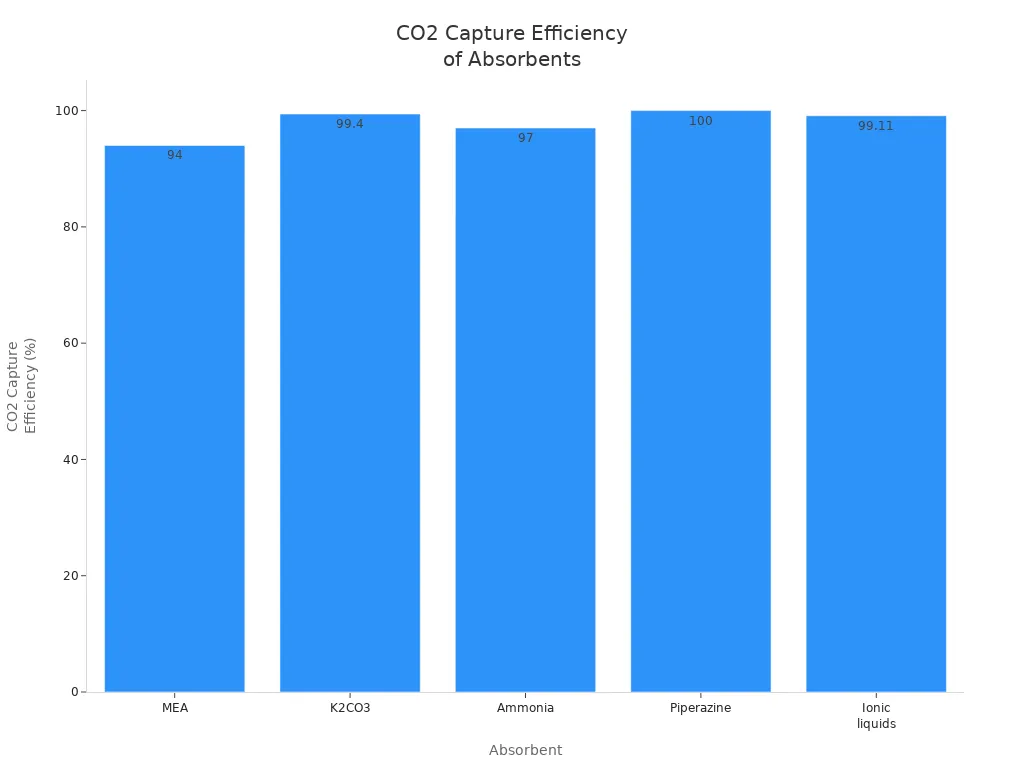
Absorption uses special liquids to take out CO2 from CH4. The liquid reacts with CO2 in different ways. Some liquids used are monoethanolamine (MEA), potassium carbonate (K2CO3), ammonia, piperazine, and ionic liquids. Each one works a bit differently and has its own strengths.
| Absorbent | Characteristics | CO2 Capture Efficiency | Notes |
|---|---|---|---|
| MEA | Very reactive, inexpensive | 94% | Quick absorption, high energy for regeneration |
| K2CO3 | Fixed-bed application | 99.4% | Effective, needs specific conditions |
| Ammonia | Sieve plate application | 95-99% | Forms solid compounds with CO2 |
| Piperazine | Stirred cell application | 100% | High efficiency, specific conditions |
| Ionic liquids | Double stirred cell application | 99.11% | Effective at moderate temperatures |
Amine-based absorption systems can catch 85% to 95% of CO2. MEA and other amines are used the most. These systems use a lot of energy to work again. Corrosion and breakdown can cause problems over time.
Adsorption Methods
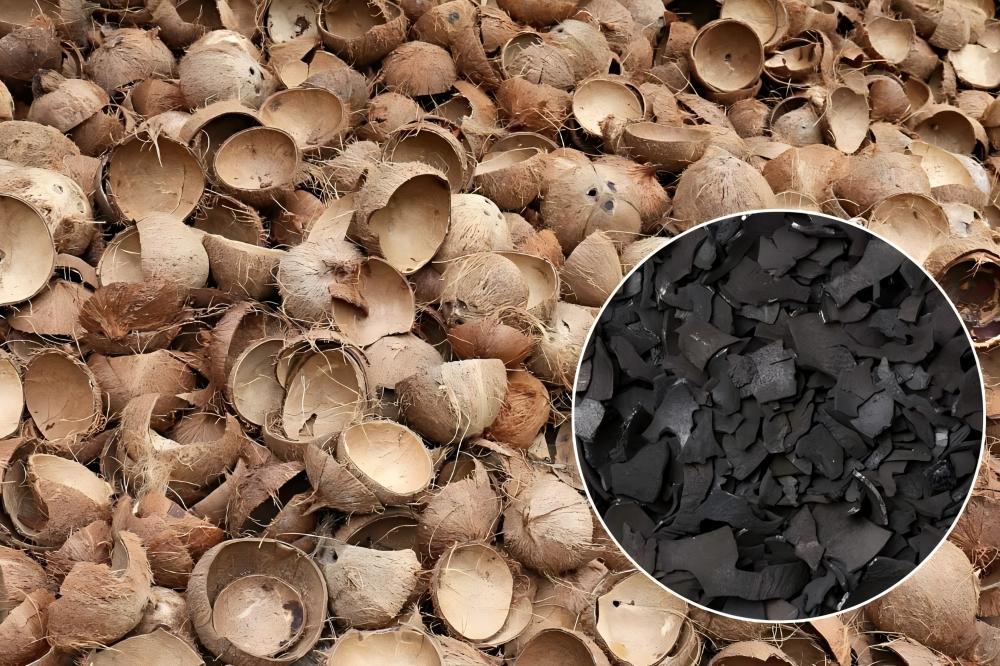
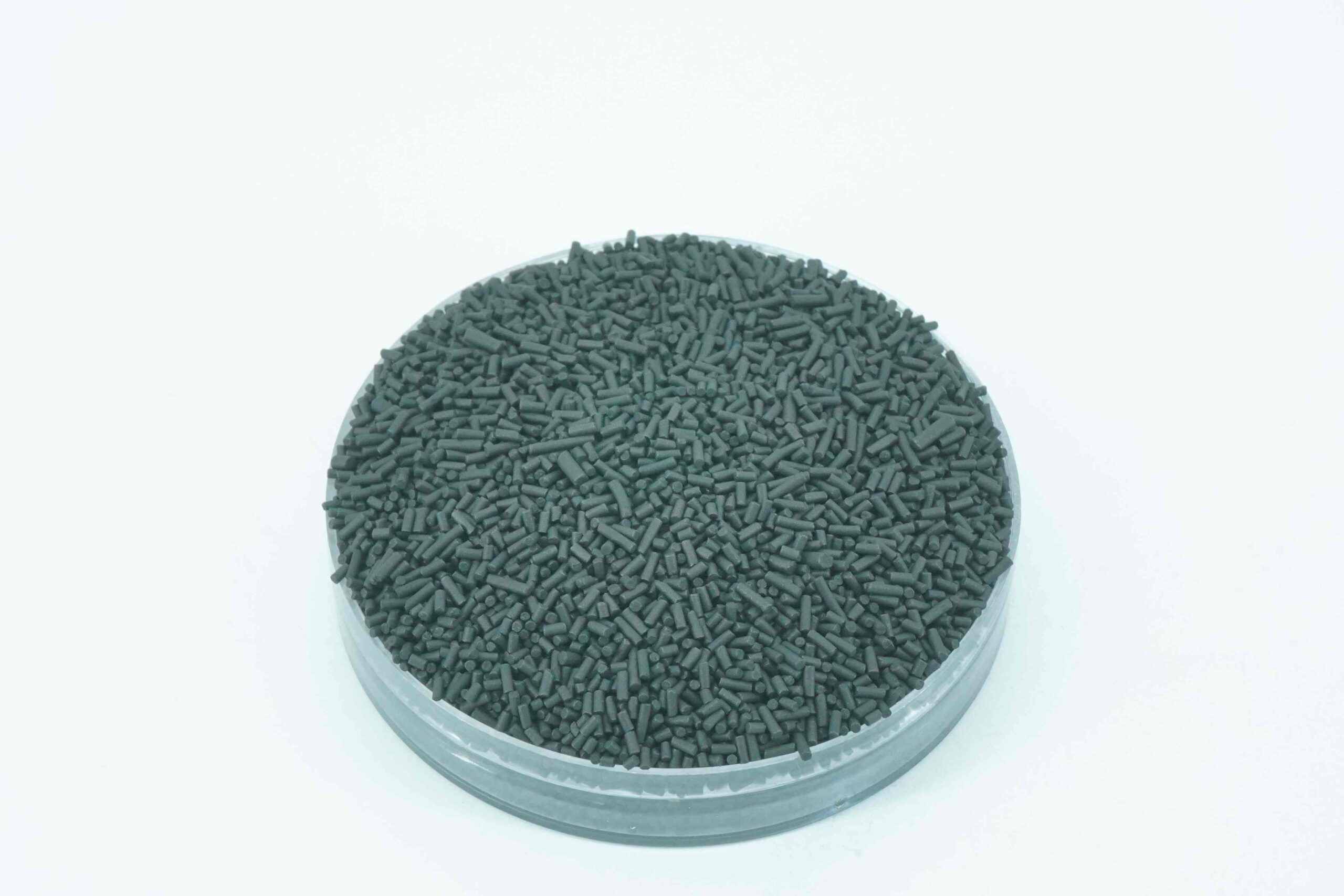
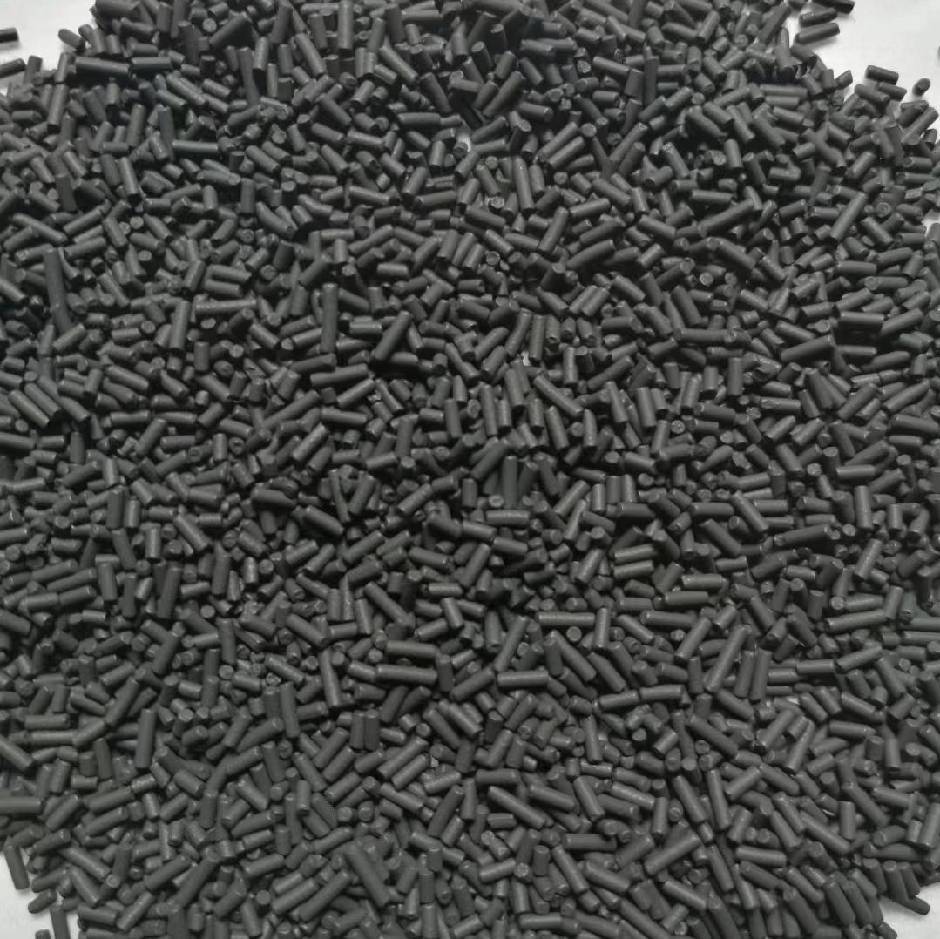
Adsorption technology utilizes solid materials to separate carbon dioxide (CO2) from methane (CH4), with carbon molecular sieves (CMS) playing a crucial role in this process. CMS produced by YUANHAO features pores of varying sizes—specifically, small pores with diameters ranging from 3 to 5 angstroms (Å)—a structure that facilitates the selective capture of specific gases. Pressure Swing Adsorption (PSA) technology leverages CMS to efficiently capture CO2.
- CMS enables the separation of CO2 from CH4 by capturing specific molecules.
- For conventional solvents, CO2/CH4 selectivity typically ranges from 10:1 to 25:1, whereas high-performance systems aim for ratios of 50:1 or even higher.
- Compared to zeolites, metal-organic framework (MOF) materials require less heat for regeneration and possess a superior capacity for capturing CO2.
- MOFs can be modified by adjusting their pore structures and functional groups to enhance their performance.
Membrane Separation
Membrane separation uses thin layers to split CO2 from CH4. Gas moves through the membrane based on size and how well it dissolves. Newer gas-liquid membrane contactors (MCs) help CO2 get absorbed and save energy.
| Feature | Description |
|---|---|
| Efficiency | MCs improve CO2 absorption, lowering energy use and costs. |
| Mass Transfer Rates | Large interfacial area promotes efficient gas transfer. |
| Challenges | Pore wetting, solvent selection, and fouling require solutions. |
| Comparison | MCs perform better than traditional packed columns in carbon capture. |
| Commercial Viability | Research continues to optimize performance for commercial use. |
Membrane technology is getting better. MCs move gases well and could help remove CO2 on a big scale.
Cryogenic Distillation
Cryogenic distillation separates gas mixtures by cooling them to extremely low temperatures. The process relies on the differing boiling points of carbon dioxide (CO2) and methane (CH4): CO2 boils at -78.46°C, whereas CH4 boils at -161.6°C. Operators obtain high-purity gases by adjusting parameters such as pressure and temperature. Research indicates that this process can yield CH4 with a purity of 97.12% and liquid CO2 with a purity of 99.92%.
Cryogenic distillation is energy-intensive, consuming over 2.5 gigajoules (GJ) of energy per tonne of CO2 processed, and involves multiple stages of gas compression and expansion. In contrast, supercritical fluid extraction consumes less energy—under 1.8 GJ per tonne of CO2—offering energy savings of approximately 30% compared to cryogenic distillation.
Cryogenic distillation works well for cleaning biogas but needs a lot of energy and careful control.
Comparing CO2 Separation Methods
Efficiency and Cost
Industries use different ways to separate CO2 from methane. Each way has good and bad points. The table below shows how they are different:
| Technology | Advantages | Disadvantages | Efficiency | Cost Level |
|---|---|---|---|---|
| Absorption | Works well with lots of CO2, used often | Needs big space, hard setup, uses lots of solvent | High | Medium-High |
| Adsorption | Saves money for big gas jobs | Needs more steps for clean gas, costs can go up | High | Medium |
| Membrane Separation | Splits CO2 fast, uses less energy, better for the planet | Costs more to run, may need more than one step | Moderate-High | Medium-High |
| Cryogenic Distillation | Makes very pure gases, good with lots of CO2 | Needs to be very cold, uses much energy, not for every job | Very High | High |
Membrane separation uses less energy and is better for the earth. Thin-film composite membranes can save up to half the energy. Cryogenic distillation works best but uses the most energy.
Application Suitability
Different application scenarios require different CO₂ separation methods; the end-use of the gas is a critical factor.
- Natural gas purification
- Processing high-sulfur gas
- Processing associated petroleum gas
- Upgrading shale gas quality
- Coke oven gas purification
Certain applications require high-purity methane:
- Pipeline transport: Requires 90%–95% methane purity
- Vehicle fuel: Requires at least 97% methane purity
- Liquid biomethane: CO₂ content below 25 ppm; hydrogen sulfide (H₂S) content below 4 ppm
Membrane separation and adsorption methods are suitable for applications requiring moderate purity; cryogenic distillation is optimal for achieving extremely high purity; absorption methods are commonly used in large-scale plants handling high CO₂ concentrations.
Environmental impact is another important consideration. Membrane separation consumes less energy and is more environmentally friendly, whereas absorption and adsorption methods often require greater quantities of water and chemical agents, potentially leading to more significant pollution.
Choosing the Right Method
The best method for separating carbon dioxide depends on cost, plant scale, and the required gas purity. Relevant tools can help in making the optimal choice. The table below illustrates two approaches to determining the best design:
| Optimization Method | Cost-Optimal Design | Purity-Recovery Constraints |
|---|---|---|
| NSGA-II | ✅ | ✅ |
| Sobol Sampling | 🔵 | ❌ |
NSGA-II can meet both cost and purity needs. Sobol sampling may not always make gas pure enough and is less flexible.
Tip: Always check if the method works for your job. Some ways only work well in certain situations.
Example: CO2 Removal by Adsorption
- Inject the gas mixture into a vessel containing carbon molecular sieves.
- Apply pressure to cause the molecular sieves to adsorb carbon dioxide.
- Extract the gas with the higher methane content.
- Reduce the pressure to release the carbon dioxide from the molecular sieves.
- Repeat the above steps to sustain the process.
This method is known as Pressure Swing Adsorption (PSA) and is an effective technique for separating carbon dioxide and methane. It is suitable for medium- to large-scale projects.
CO2/CH4 separation uses absorption, adsorption, membrane separation, and cryogenic distillation. These methods are chosen based on how pure the gas needs to be, how much it costs, and how big the job is. Membrane technologies are becoming more popular.
- The worldwide market for gas separation membranes could be worth USD 6.47 billion by 2036.
- Saving energy and helping the planet are reasons for this growth.
FAQ
What is the most energy-efficient method to separate CO2 from CH4?
Membrane separation needs less energy than other ways. Many companies pick this method because it saves energy. It also helps the environment more than other methods.
Can carbon molecular sieves remove CO2 from methane?
Yes. Carbon molecular sieves can catch CO2 molecules. Methane can go through the sieves without getting trapped. This works well in pressure swing adsorption systems.
Why do industries remove CO2 from methane gas?
- CO2 makes methane gas less valuable.
- Taking out CO2 makes the gas cleaner.
- Pure methane is safer and works better as fuel.