Carbon molecular sieve (CMS) is an essential material for mining operations. Mine crews rely on this specialized carbon medium to carry out gas separation tasks. It protects underground workers and speeds up daily extraction workflows. By adjusting underground gas compositions, mines can avoid safety hazards and maintain consistent production. This technology also improves operational efficiency and supports environmental protection targets.
Key Takeaways
- Carbon molecular sieve removes hazardous gases from mine air to create a safer working environment.
- This material enables mining operators to meet environmental regulations and cut pollutant emissions.
- Deploying carbon molecular sieve reduces operating expenses and boosts overall mine productivity.
What is carbon molecular sieve
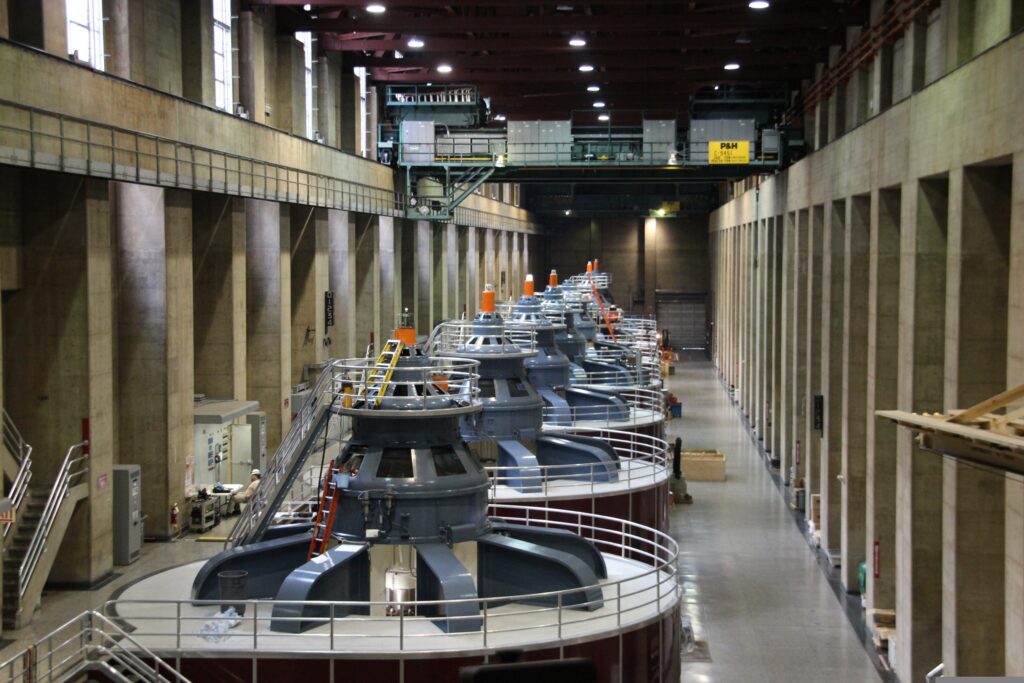
Structure and Properties
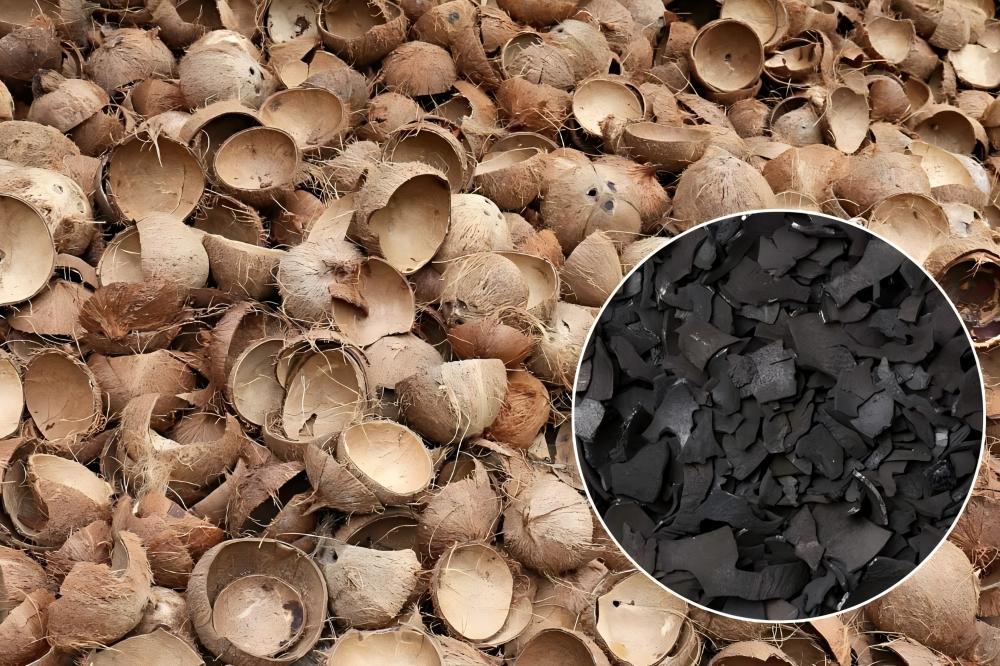
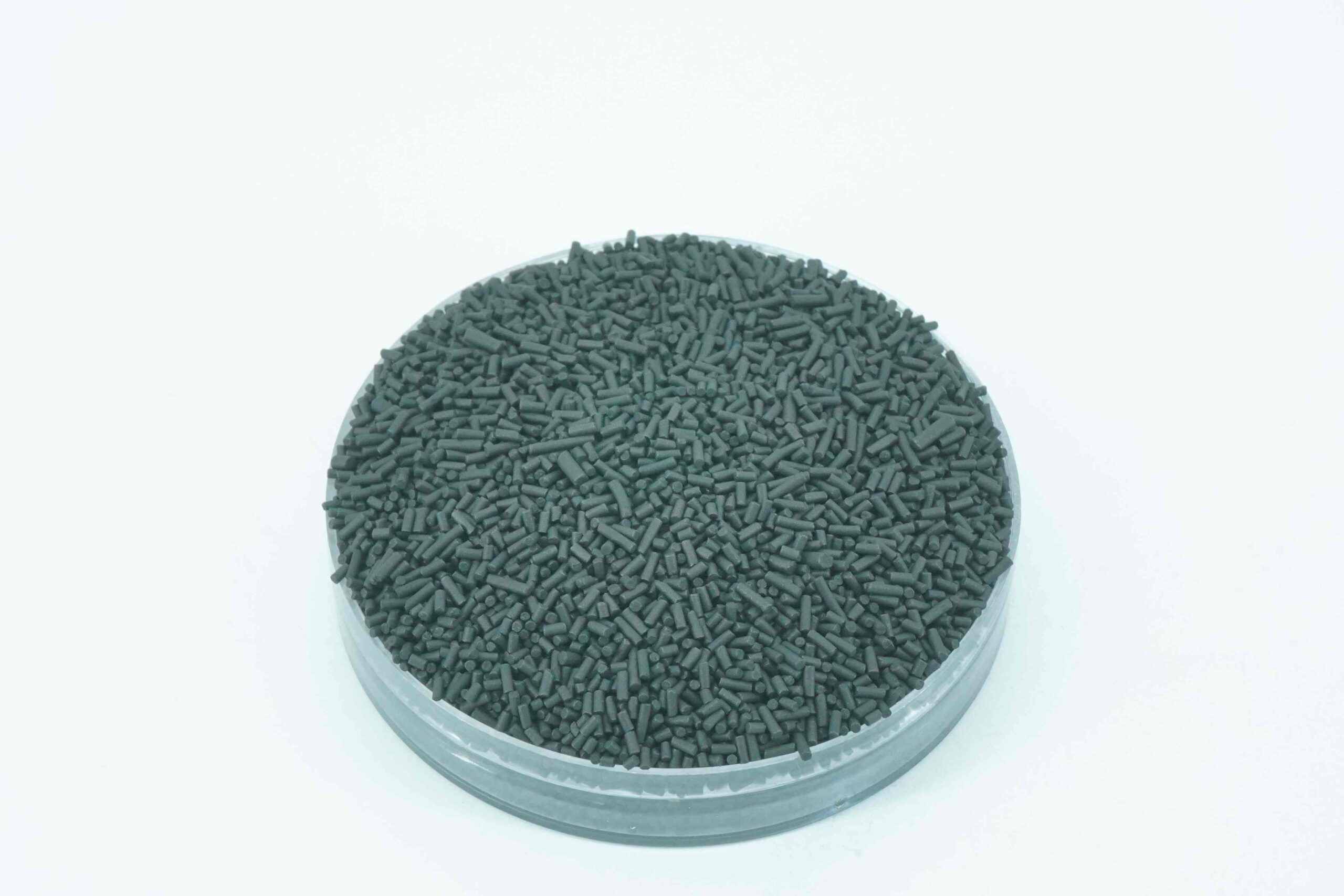
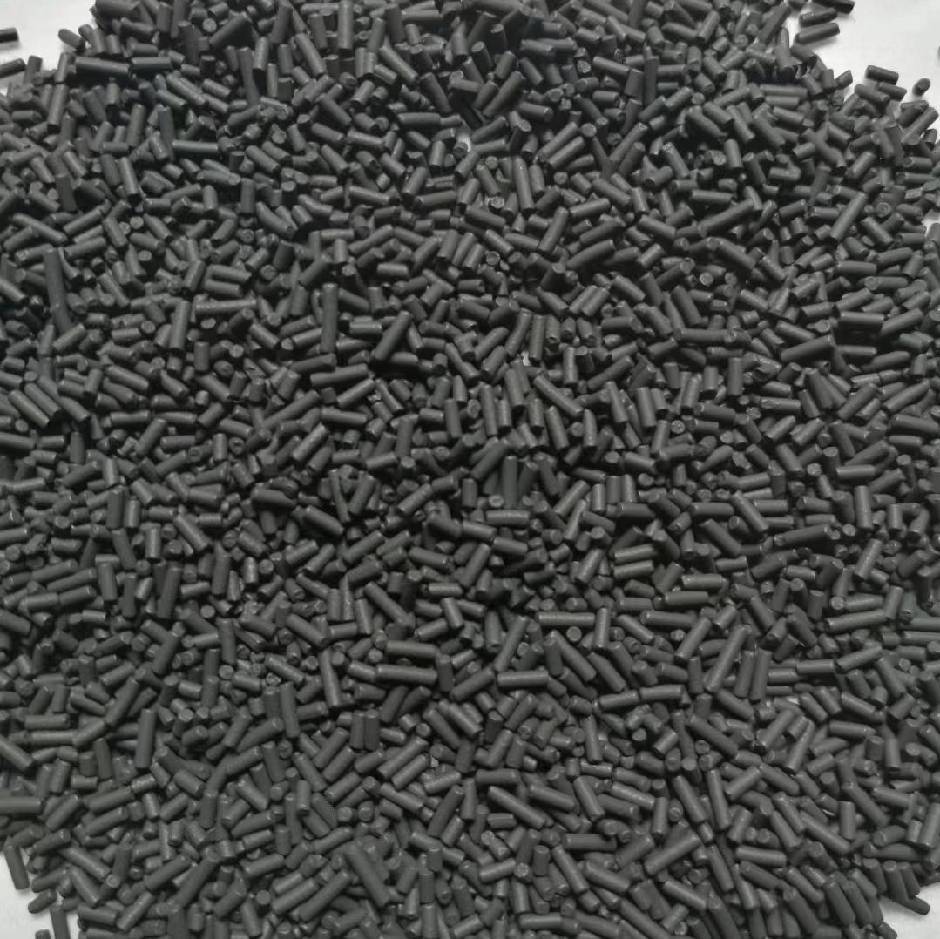
Carbon molecular sieve is a carbon-based adsorbent material. Manufacturers like YUANHAO produce it through refined manufacturing processes that precisely control the size and shape of internal micro-pores. These pores are extremely tiny, ranging from 3 to 5 angstroms across.
Below is a breakdown of its key performance traits:
| Characteristic | Detailed Description |
|---|---|
| Pore Size Distribution | Micro-pores measure 3–5 angstroms, ideal for sorting gas molecules by dimension |
| Surface Chemistry | Custom surface modifications deliver selective adsorption toward target gases |
| Production Workflow | Carbonization and activation steps tune pore dimensions and internal channel layout |
The ultra-small pore scale cannot be fully mapped with standard testing gear. Specialized lab equipment is required to measure total surface area accurately. Manufacturers may also add modifying agents during production to further boost the CMS’s separation performance.
How CMS Enables Gas Separation
Carbon molecular sieve features dense micro-pores less than 2 nanometers wide. Small gas molecules pass through these openings freely, while larger molecules get blocked. This size-based filtering mechanism makes CMS widely used for gas treatment in mining and other industrial sectors.
Within pressure swing adsorption (PSA) nitrogen generators, CMS relies on kinetic separation to work:
- Oxygen molecules diffuse rapidly and get trapped inside the micro-pores.
- Nitrogen molecules move much slower and flow straight through the sieve bed.
This process yields high-purity nitrogen for a wide range of industrial uses.
YUANHAO supplies custom-sized and bulk carbon molecular sieve built for PSA nitrogen production. Its CMS products serve metal recycling, energy production and mining sites alike. Tweaks to surface treatment and pore sizing allow the material to fit diverse industrial operating conditions.
Applications of Carbon Molecular Sieve in Mining
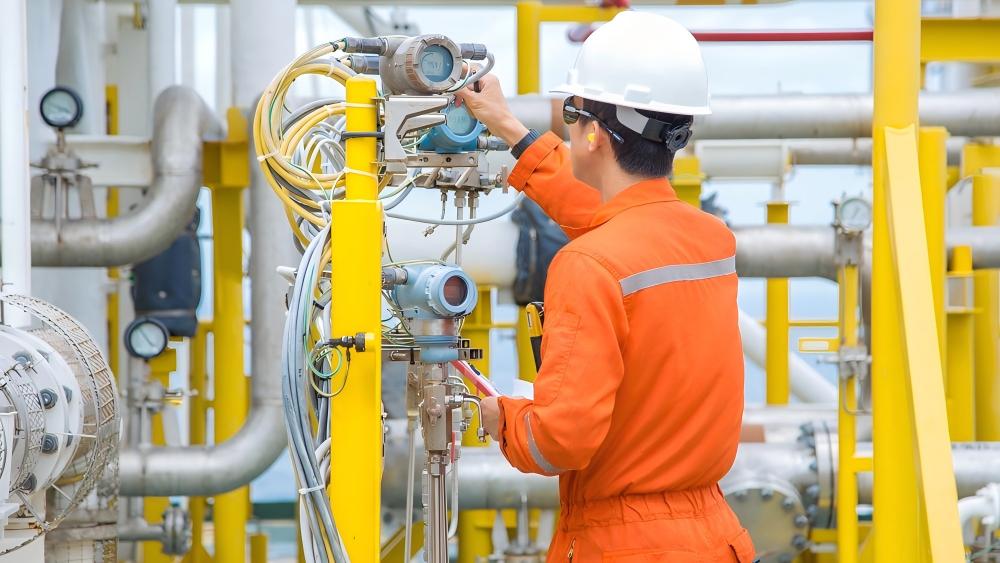
Gas Separation Technologies in Mining
Gas separation technology keeps mining work safe and efficient, with carbon molecular sieve acting as the core component of these systems. Its selective pores filter out dangerous underground gases such as carbon dioxide and methane to purify mine ventilation air.
Mines install CMS beds inside ventilation systems to capture toxic impurities and clean circulated air. The material also purifies raw natural gas by stripping contaminants that would otherwise disrupt mining machinery.
Key advantages of carbon molecular sieve for gas separation:
- High adsorption capacity for specific target gases
- Custom-tailored micro-pores optimized for targeted gas filtering
- Fully regenerable and reusable after desorption cleaning
- Stable performance amid harsh underground conditions including dust, moisture and high heat
Over the past decade, more mining sites have adopted carbon molecular sieve to recover methane. The shift stems from its reliable performance and cost efficiency. Updated environmental rules now require mines to control methane discharge, and CMS helps operators comply while lowering greenhouse gas output.
YUANHAO develops mining-specific carbon molecular sieve lines with strong nitrogen purification and gas separation capabilities. Operators can adjust connected equipment to modify output gas purity levels, lifting both underground safety and overall mine output.
Fire Prevention and Safety
Fire suppression ranks as one of the top safety priorities for underground mines. Carbon molecular sieve mitigates fire risks by regulating underground gas ratios. In coal mines, PSA systems paired with CMS separate nitrogen from regular air to form inert underground zones. Lower oxygen levels stop open flames and eliminate the risk of gas explosions.
The sieve traps flammable gases like methane to shield underground miners. Operators can quickly adjust gas processing parameters if underground conditions shift unexpectedly.
Mining facilities favor carbon molecular sieve for steady, round-the-clock operation in rough underground environments. YUANHAO’s CMS products stand out for durable build quality and seamless integration with mine fire protection setups.
Purification and Environmental Impact
Gas purification represents another major CMS function in mining. It extracts carbon dioxide and water vapor from raw natural gas, improving fuel quality and stabilizing on-site energy supplies.
Carbon molecular sieve also helps mines satisfy environmental compliance standards. It captures harmful emissions and supports site-based carbon capture projects. The table below outlines major global carbon regulations and their carbon capture requirements for mining:
| Regulation | Overview |
|---|---|
| EU Emissions Trading System | Operators pay fees for carbon output, creating incentives to cut emissions |
| EU Carbon Capture Directive | Establishes safety standards for underground carbon storage projects |
| China National Carbon Trading Market | Sets management rules for carbon capture technology implementation |
| Japanese Carbon Capture Compliance Audits | Verifies safe operation of carbon capture and storage facilities |
| Paris Agreement | Guides national governments to create structured carbon capture policies |
| ISO International Standards | Defines standardized procedures for carbon capture operations |
Carbon molecular sieve also supports metal recycling workflows. It generates inert atmospheres during high-temperature treatment and cleaning, preventing metal oxidation and preserving recycled material quality.
Mine operators carefully calculate total investment costs, production improvement gains and payback periods when rolling out CMS equipment. For example, thermal processing systems fitted with carbon molecular sieve typically deliver full investment returns within 18 to 24 months.
YUANHAO’s carbon molecular sieve helps mining sites meet strict environmental codes while streamlining production. Its optimized structural design meets rigid industry benchmarks and raises overall mine throughput.
Challenges and Trends of Carbon Molecular Sieve in Mining
Operational and Economic Barriers
Mining sites face unique challenges when deploying carbon molecular sieve underground. Adsorbent beds must run continuously, yet dust, water and high temperatures degrade carbon materials over time. Facilities need regular regeneration or full replacement of CMS beds to maintain consistent gas separation efficiency. This recurring work adds labor, material costs and production downtime.
Upfront pricing also creates financial hurdles. High-performance carbon molecular sieve carries a significant purchase cost, forcing mine managers to balance initial spending against long-term operational benefits. Some sites invest in complete upgraded equipment to match advanced CMS technology. Careful advance planning maximizes return on investment.
Innovations in Gas Separation Technologies
Ongoing technical upgrades keep advancing carbon molecular sieve for mining use. Research teams redesign internal pore structures to speed up gas sorting and boost separation precision. Leading manufacturers develop new production methods to extend CMS service life and improve resistance to corrosive underground air mixtures.
YUANHAO and other top suppliers produce carbon molecular sieve that satisfies safety and environmental regulatory demands. Teams continuously test blended carbon formulas to upgrade gas separation performance. More mining operations will adopt advanced CMS materials in the coming years, supporting safer extraction and lower pollution. Industry trends confirm carbon molecular sieve will remain an irreplaceable core material across mining.
- Carbon molecular sieve helps mines be safer and cleaner.
- This special carbon lets mines split gases and keeps workers safe.
- Companies get better results and follow rules with this tool.
- New ways to use carbon keep making mining better.
- Many experts think carbon will help make mining safer in the future.
FAQ
What is the main purpose of carbon molecular sieve in the mining industry?
Carbon molecular sieve helps split gases in mines. This makes mines safer and helps them work better. It lets mines control the air and lower dangers underground.
How does YUANHAO’s carbon molecular sieve support environmental compliance?
YUANHAO’s carbon molecular sieve traps bad gases. This helps mines follow green rules and keeps their work cleaner.
Can carbon molecular sieve be reused in mining applications?
Workers can wash and use carbon molecular sieve again. Doing this saves materials and keeps gas systems working right.