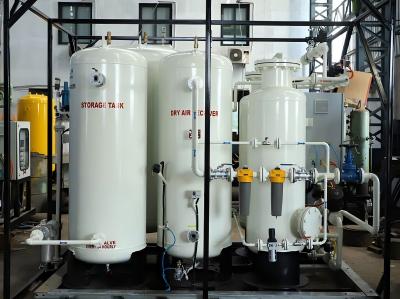
Operators frequently encounter several common problems when using PSA nitrogen generators. These problems include:
- Low nitrogen purity
- Pressure fluctuations
- Insufficient flow rate
- Frequent regeneration problems
Understanding these problems helps users maintain smooth machine operation and prevent malfunctions. The table below lists the impact of each problem on the system and corresponding measures to help resolve them:
| Fault Type | Impact on System | Recommended Action |
|---|---|---|
| Pressure switch failure | Internal pressure goes up, machine may break | Keep pressure switches working right |
| Solenoid valve failure | Machine gets too hot, fire could happen | Check solenoid valves often |
| Capacitor failure | Short circuits, motor gets too hot | Watch capacitors and change them if needed |
| Over-voltage | Temperature goes up, parts may get hurt | Use relays and disconnects on time |
| Over-temperature | Machine could break, fire could happen | Use cooling and good air flow |
It is important to know how nitrogen generators work. Carbon molecular sieves play a big part in this. This helps people fix problems better. YUANHAO is a top supplier of good carbon molecular sieves for these machines.
Key Takeaways
- Regular maintenance is essential. Clean the filters frequently. Inspect components to prevent malfunctions. This contributes to smooth machine operation.
- Early detection of common faults is vital. Check for low nitrogen purity. Monitor pressure changes. Address problems before they escalate.
- Use high-quality carbon molecular sieves. They improve nitrogen purity. They contribute to better system operation. This saves costs and improves performance.
PSA Nitrogen Generator Overview
Pressure Swing Adsorption Principle
Pressure Swing Adsorption (PSA) nitrogen generators extract nitrogen from the air using PSA technology. The process operates at pressures ranging from 5 to 10 bar (g). Two containers work alternately. One container is filled with dry compressed air. As the pressure increases, the internal carbon molecular sieve adsorbs oxygen and other gases. Nitrogen then passes through these gases into a storage tank. While one container is working, the other releases pressure, preparing for the next cycle. This cycle repeats continuously, ensuring a constant production of nitrogen.
PSA nitrogen generators use adsorption to catch gases. This way, industries can get very pure nitrogen for many jobs.
Key Components and Carbon Molecular Sieve
A nitrogen generator consists of many important components, the main ones including:
- Air compressor
- Dryer and filter
- Two adsorption tanks
- Carbon molecular sieve (CMS)
- Control valve and sensors
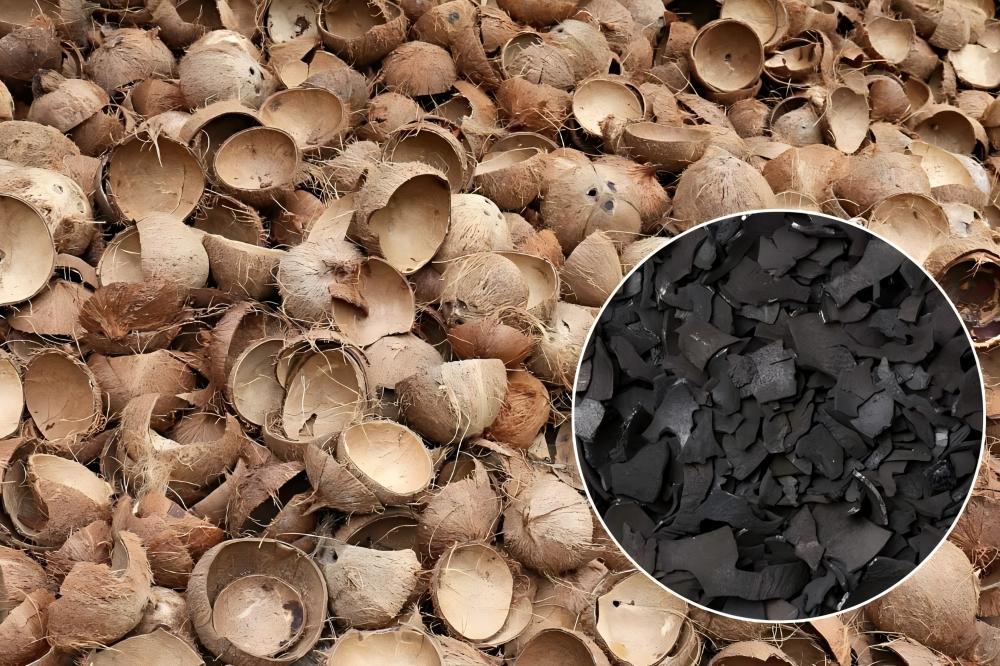
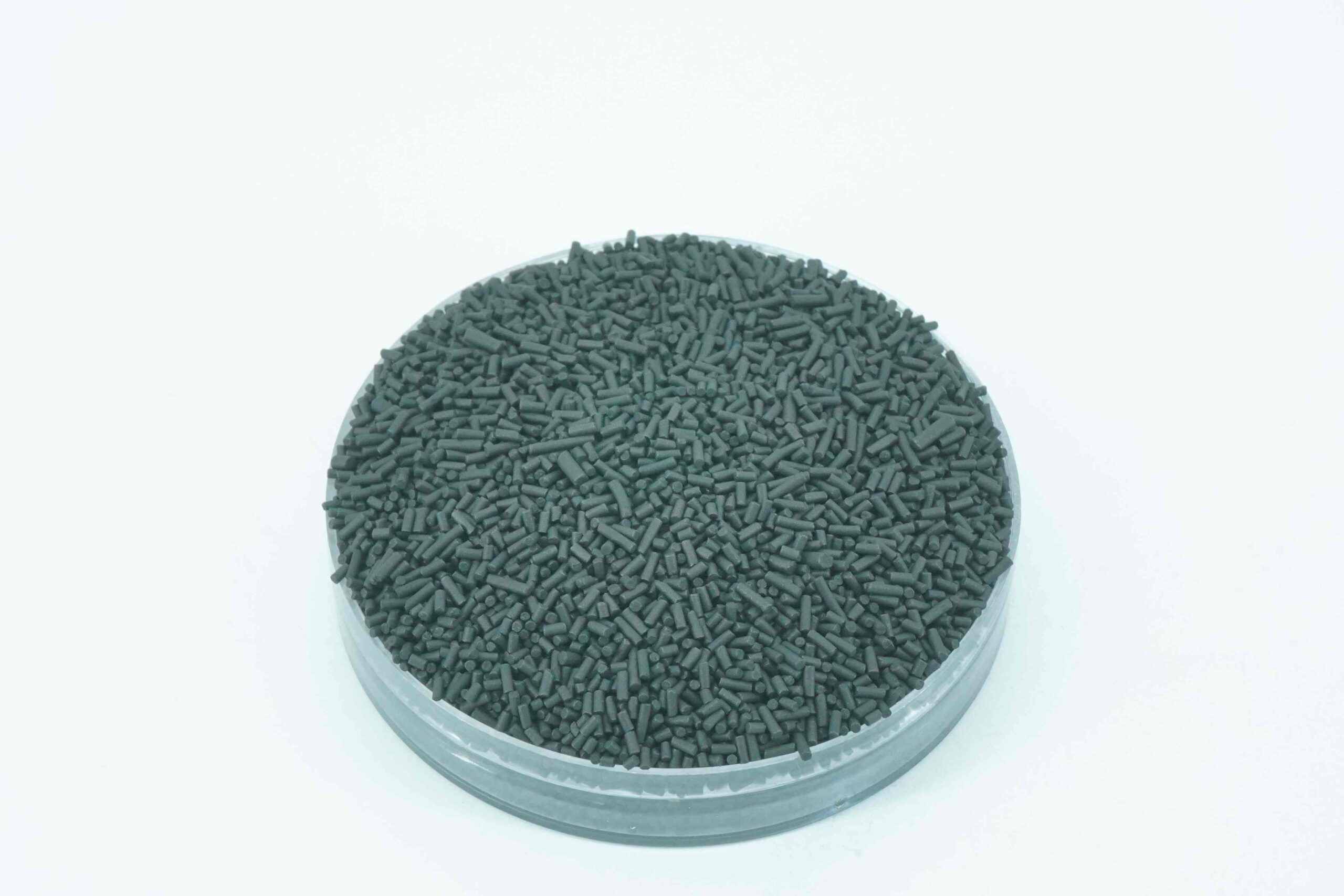
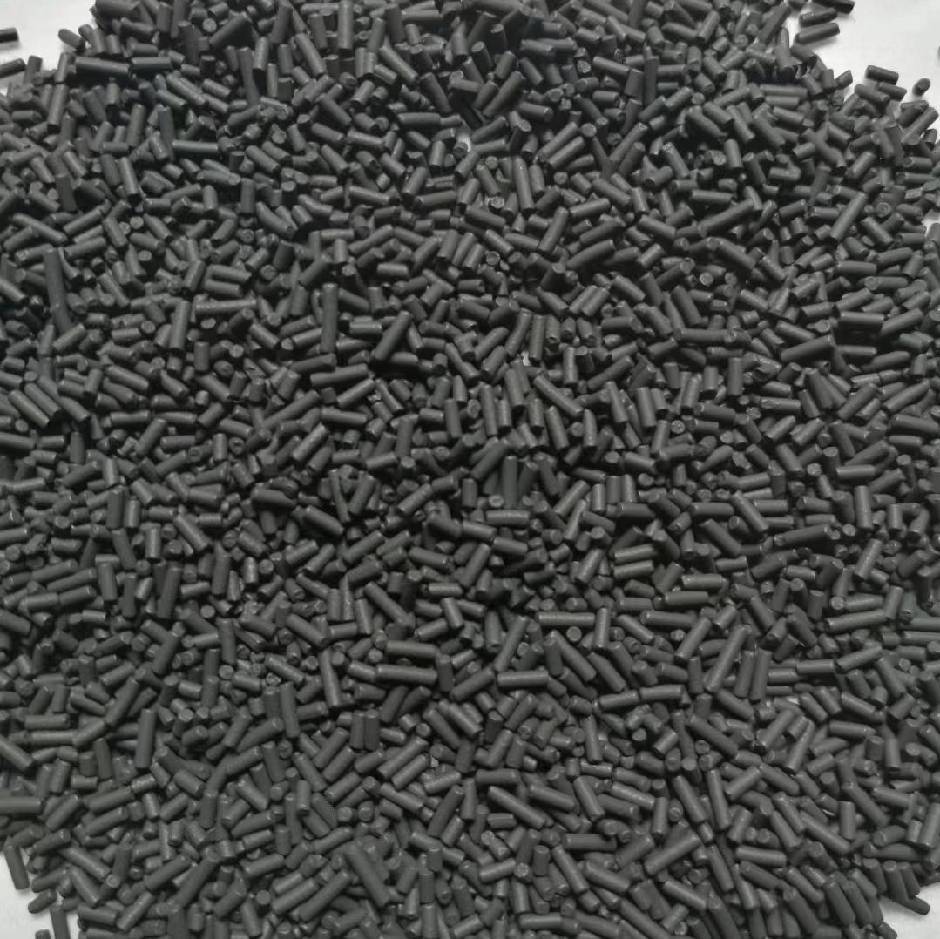
The carbon molecular sieve is the most important component. It adsorbs oxygen, allowing nitrogen to pass through. The quality of the carbon molecular sieve determines the purity of the nitrogen. Yuanhao offers a variety of carbon molecular sieves to meet different needs. Its products can produce nitrogen with purities ranging from 95% to 99.999%. Yuanhao’s carbon molecular sieves are highly efficient and have a long service life, contributing to the efficient operation and energy savings of PSA nitrogen generators.
| Feature | Standard CMS | Premium CMS |
|---|---|---|
| Nitrogen Purity | Less than 99.999% | Up to 99.999% |
| System Efficiency | Normal efficiency | Better efficiency |
| Operational Costs | Higher | Lower |
Common Faults in PSA Nitrogen Generators
Compressor Overrun Faults
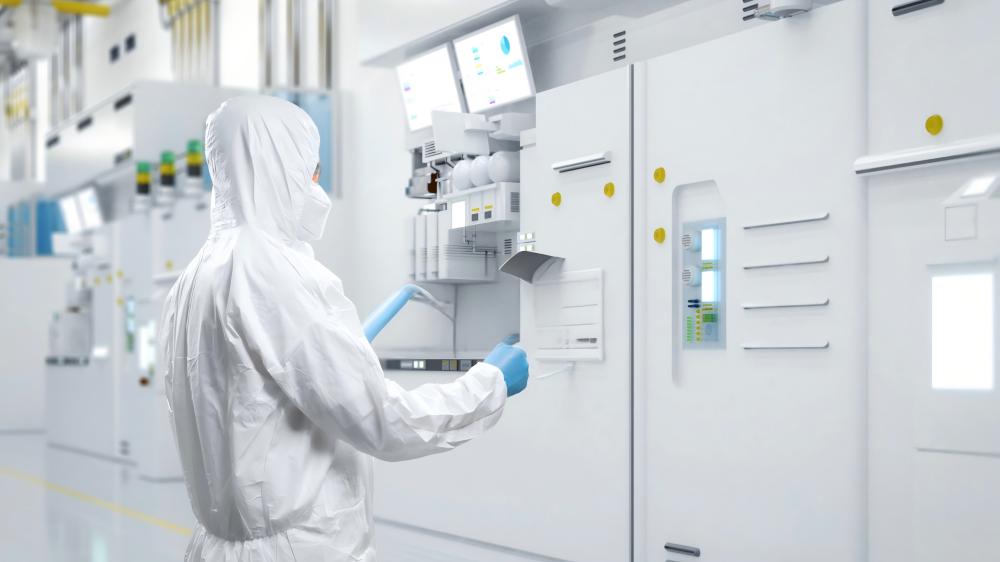
Compressor overload failure refers to an air compressor running for too long. This can cause the compressor to overheat and potentially damage the system. Operators typically discover this type of failure when the compressor fails to stop or overheats. Problems may include clogged filters, excessive nitrogen demand, or leaking solenoid valves.
Possible Causes:
- Dirty air filters block air.
- High nitrogen demand makes the compressor work harder.
- Leaks in the intake pipeline waste air.
Step-by-Step Solutions:
- Check and clean air filters often.
- Look for leaks in pipelines and fix them.
- Watch how long the compressor runs and change nitrogen demand if needed.
- Change broken solenoid valves.
Doing regular maintenance stops compressor overrun faults and keeps the psa nitrogen generator working well.
Low Nitrogen Purity Issues
Low nitrogen purity is a common problem in nitrogen generators. This problem hurts industries that need pure nitrogen. If purity drops, production can stop and products may not be good. Operators notice low nitrogen purity when the output is less than needed.
Common Causes of Low Nitrogen Purity:
- Sudden changes in gas feedstock.
- Adsorbent material gets old or worn out.
- Equipment breaks or leaks, or pressure changes.
Effective Corrective Actions:
- Adjust control valves or raise pressure to fix gas feedstock.
- Change old adsorbent materials like carbon molecular sieves.
- Check and fix broken equipment.
| Industry/Application | Acceptable Nitrogen Purity Levels |
|---|---|
| Ultra-high Purity (UHP) | 99.999% with strict impurity limits |
| Pharmaceutical Grade | 97-99.99% |
| Oil & Gas Grade | 95-99% |
| Food & Beverage Grade | 98-99.5% |
Good carbon molecular sieves from YUANHAO help keep nitrogen purity steady and stop purity problems.
Pressure Drop Faults
Pressure drop faults make air pressure unstable in the psa nitrogen generator. These faults lower nitrogen output and cause more regeneration issues. Operators see pressure changes when the system cannot keep the right pressure.
Possible Causes:
- Pipelines or filters are blocked.
- Valves or connections leak.
- Molecular sieves are old or damaged.
Step-by-Step Solutions:
- Check pipelines and filters for blocks.
- Look at valves for leaks and change broken parts.
- Change old carbon molecular sieves.
Watching pressure helps find faults early and keeps nitrogen generators working well.
Adsorption Tower Blockages
Adsorption tower blockages are common and slow down nitrogen flow and system work. These faults make it hard to remove oxygen and lower nitrogen output. Operators may need to lower purity to keep the flow.
Effects of Adsorption Tower Blockages:
- Nitrogen flow rate goes down.
- Nitrogen output is less than what is needed.
- Purity must be lowered to keep supply.
Step-by-Step Solutions:
- Check adsorption towers for blocks.
- Clean or change blocked parts.
- Use good carbon molecular sieves to stop blocks.
YUANHAO sieves fight dust and moisture, helping stop adsorption tower blockages and other faults.
Valve and Barometer Failures
Valve and barometer failures happen often in psa nitrogen generators. These faults make pressure change and mess up nitrogen production. Operators see these problems when valves stick or barometers show wrong numbers.
Possible Causes:
- Valves leak inside.
- Valves get stuck or break.
- Barometers do not work right.
Step-by-Step Solutions:
- Check valves for leaks or sticking.
- Change broken valves and barometers.
- Check control systems for mistakes.
Fixing problems fast stops downtime and keeps nitrogen generators working well.
Carbon Molecular Sieve Collapse or Wear
Collapse or wear of carbon molecular sieves is a big fault that hurts nitrogen purity and system work. Bad filling and packing make sieves wear out faster and work less well. High air pressure wears sieves out, while low pressure makes adsorption take longer.
Impact of Sieve Collapse or Wear:
- Nitrogen purity goes down.
- Adsorption works less well.
- More maintenance is needed.
How High-Quality Sieves Help:
- Better at fighting dust and moisture.
- Stronger adsorption.
- Last longer and work steady.
| Issue | Solution/Recommendation |
|---|---|
| Low nitrogen purity | Change CMS often and keep air filters clean to stop this problem. |
| Pressure fluctuations | Watch CMS for signs of damage or dirt. Change CMS every 2–5 years. |
| Regeneration issues | Change CMS if nitrogen purity drops or if the system cannot regenerate well. |
YUANHAO carbon molecular sieves help stop faults from collapse or wear and keep nitrogen purity steady.
Air Leakage and Low Inlet Pressure
Air leakage and low inlet pressure are common faults that hurt psa nitrogen generator work. These faults make pressure change and lower nitrogen output. Operators see these problems when the system cannot reach the right pressure.
Common Sources:
- Air compressor problems or leaks in intake pipeline.
- Gas pollution blocks molecular sieve holes.
- Molecular sieves are old or damaged.
- Valves break or leak inside.
- Pipelines, mufflers, or filters are blocked.
- Control system breaks.
- Purity or flow settings are wrong.
Detection and Repair Steps:
- Check intake pipelines and compressors for leaks.
- Clean or change blocked filters and mufflers.
- Change old molecular sieves.
- Check valves and control systems for problems.
- Change settings to match purity and flow needs.
Checking often and using good sieves from YUANHAO help stop air leakage and low inlet pressure faults.
Pressure Swing Adsorption Troubleshooting
Identifying PSA System Faults
Operators need effective methods to troubleshoot problems with PSA nitrogen generators. They can use various tools and techniques to identify faults early. Some useful tools include:
- HAZOP software can identify hazards in the system and pinpoint the potential root causes of problems.
- Fault tree analysis helps break down large problems into smaller ones and shows how one problem leads to another.
- Computer simulation can display how the system operates and where potential failures might occur.
- Probabilistic risk analysis helps predict when the system might fail, such as when multiple components fail simultaneously or a software error occurs.
These methods can help operators identify the causes of insufficient flow, low purity, or pressure drop. Early problem detection ensures the safe and efficient operation of the system.
Step-by-Step Troubleshooting Guide
Operators can use simple guidelines to troubleshoot insufficient flow and other common problems. The following steps will help you achieve optimal results using these tools:
- Understand how the compressor works. If excess air needs to be purged, the system may run longer.
- When using nitrogen to ensure the piping is safe, purge the oxygen first. The system will initially run longer to purge the oxygen.
- Check the nitrogen purity setting. Ensure the regulator maintains the correct pressure to guarantee nitrogen purity.
- Check the oxygen vent. Remove any foreign objects obstructing gas flow.
- Check for water traps in the piping. Water can accumulate in low-lying areas, reducing nitrogen purity.
- Maintain the air filter. Replace the filter regularly to protect nitrogen components.
- Set the vent regulator correctly. This keeps the pressure stable and prevents poor venting.
Operators should perform these steps every time they encounter insufficient flow or other problems. Careful checks ensure proper system operation and help prevent downtime.
Equipment Maintenance for PSA Nitrogen Generators
Routine Maintenance Tasks
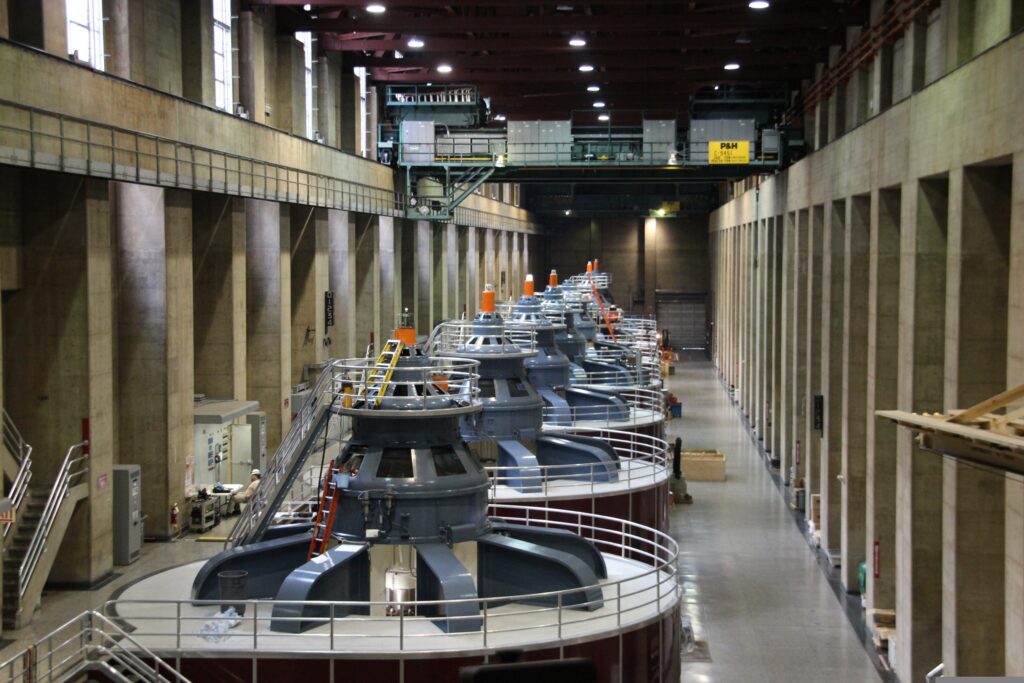
Regular maintenance helps nitrogen generators operate efficiently and prevents sudden malfunctions. Operators need to follow a pre-established maintenance schedule, regularly cleaning, inspecting, and replacing the adsorbent. These tasks extend the lifespan of the PSA nitrogen generator and reduce the risk of malfunctions due to improper maintenance.
- Operators need to clean the filters and adsorption containers to remove dust and moisture.
- They will inspect the machine’s operation to identify problems early.
- Replacing the adsorbent with a material such as Yuanhao carbon molecular sieve ensures proper machine operation and the production of pure nitrogen.
- Training helps operators learn how to use the nitrogen generator and how to troubleshoot simple problems.
Regular maintenance keeps the machine safe and working well. It also saves money and makes nitrogen generators more reliable.
| Maintenance Practice | Impact on Fault Reduction |
|---|---|
| Watching how the machine works | Finds problems fast so they can be fixed quickly. |
| Keeping the machine clean | Stops damage and helps the machine last longer by keeping out water and oil. |
| Making the work area better | Helps the machine last longer by keeping it in good shape and stopping early breaks. |
| How often to do maintenance | Checking every month, cleaning every few months, and fixing big things once a year lowers problems. |
Preventive Measures for Common Faults
Proactive preparation helps prevent common problems and ensures efficient machine operation. Operators should follow these steps to maintain the nitrogen generator in good condition:
- Use a dryer and drain water properly to improve air quality.
- Use a protective cover to protect the machine from severe weather and equip outdoor components with heaters.
- Establish winter start-up and shutdown procedures.
- Use a daily checklist to identify potential hazards early.
Operators using high-quality components, such as Yuanhao carbon molecular sieves, can extend the machine’s lifespan, avoid improper maintenance, and reduce downtime. Regular maintenance ensures efficient machine operation and improves the performance of the nitrogen generator.
Doing regular maintenance and fixing problems fast helps a psa nitrogen generator work well. When operators fix things quickly, they stop long breaks and keep nitrogen good. Good carbon molecular sieves, like YUANHAO’s, help the system use less energy and save money. If there is a hard problem, experts can help keep the machine safe and working right.
- Checking the machine often and writing down what happens helps find problems early.
- Workers who know what to do can fix problems fast and stop big delays.
| Factor | Impact on Performance |
|---|---|
| Productivity | Better with good sieves |
| Maintenance Costs | Less with good parts |
| System Efficiency | Higher with the right materials |