To maintain a nitrogen generator, users must follow safety procedures. These procedures help ensure proper generator operation and safety. Regular maintenance extends the lifespan of the equipment and improves its performance. Using high-quality carbon molecular sieves, such as YUANHAO’s series, can improve efficiency. Simple maintenance tasks allow users to maintain their nitrogen generators at home. For more complex issues, professional assistance is required. Service programs provide support and peace of mind. Good maintenance includes inspecting components, cleaning, and routine testing. If you are unsure how to maintain your nitrogen generator, please contact a professional for maintenance.
Key Takeaways
- Regular maintenance of your nitrogen generator is crucial. This ensures safe operation, improves performance, and extends its lifespan.
- You should inspect the filter and replace it as needed. Clean filters maintain nitrogen purity and avoid costly repairs.
- Seek professional assistance if you encounter problems. If you notice leaks, unusual noises, or a drop in nitrogen purity, you need professional help.
Service a nitrogen generator: steps
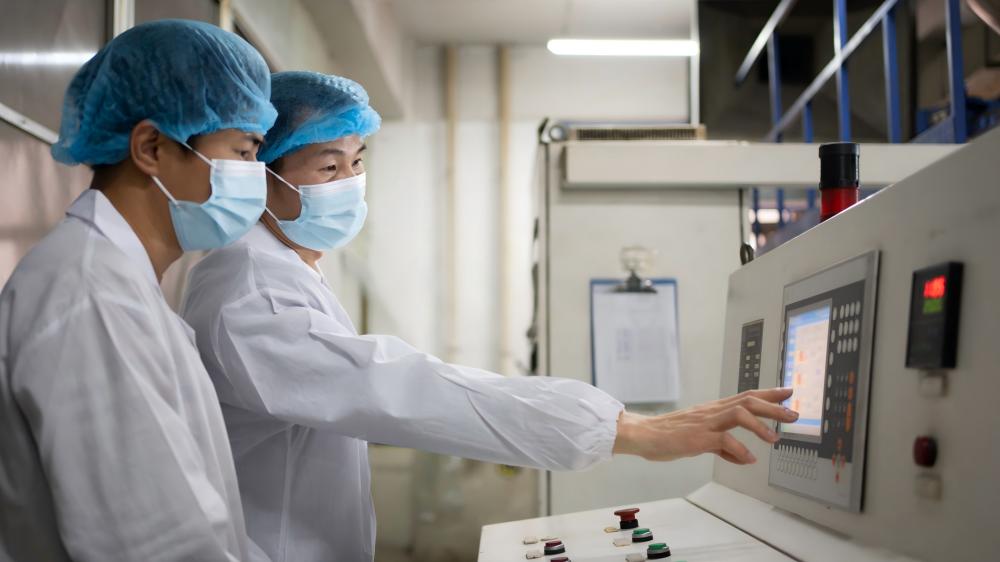
Check operation and shut down safely
Before starting, ensure the nitrogen generator is functioning correctly. Wipe away external dust and dirt. Wear gloves and safety goggles for your safety. If the system is digitally controlled, save all important data.
Safe shutdown is crucial. Always follow safety rules to prevent accidents. The following table lists important safety steps:
| Safety Procedure | Description |
|---|---|
| Establish and review emergency shutdown procedures | Operators should know how to shut down the nitrogen generator safely. |
| Ensure emergency shutdown systems are functional | Regular testing makes sure shutdown systems work in emergencies. |
| Train personnel on emergency response | Training helps staff act quickly and safely during emergencies. |
Turn off the generator and let out the gas. Make sure all pressure gauges show zero before you start any work. This keeps everyone safe from sudden gas release.
Inspect and replace filters
Filters help keep the nitrogen generator clean and in good working order. Check the filters for dirt or damage each time you maintain the nitrogen generator. Dirty filters can cause numerous problems:
- Reduced nitrogen purity
- Reduced nitrogen production
- Increased energy consumption
- System malfunctions and high repair costs
- Clogged filters reduce airflow velocity and pressure
If your filter appears dirty or worn, replace it. Use a filter appropriate for your generator. Record the time of each filter replacement to track maintenance.
Tip: Checking filters often stops bigger problems and keeps things running well.
Recalibrate sensors
Sensors are used to detect the purity and pressure of the gas inside the nitrogen generator. Over time, sensor performance may degrade. Regular calibration ensures accurate and reliable readings, guaranteeing safety.
Calibration primarily involves two steps. First, the device is zeroed in a gas-free environment. Then, the sensor is adjusted using a special gas. An impact test is used to check if the sensor responds to the gas. A full calibration should be performed annually. This helps ensure the nitrogen generator’s operational accuracy.
Service valves and connections
Vacuum and connections are responsible for delivering gas. They must function properly to ensure safety. Check for the following signs of problems:
- Solenoid valve not working
- Valve components stuck due to dirt or lack of lubrication
- Hydraulic actuator leaking
- Unusual noises or vibrations
Daily maintenance includes:
- Checking for leaks, rust, or unusual sounds
- Checking for wear on hoses and fittings
- Checking pipes and valves for leaks or rust
- Lubricating valve stems
- Tightening any loose parts
Replacing damaged parts immediately. Addressing problems early prevents leaks and ensures proper operation of the nitrogen generator.
Change carbon molecular sieve
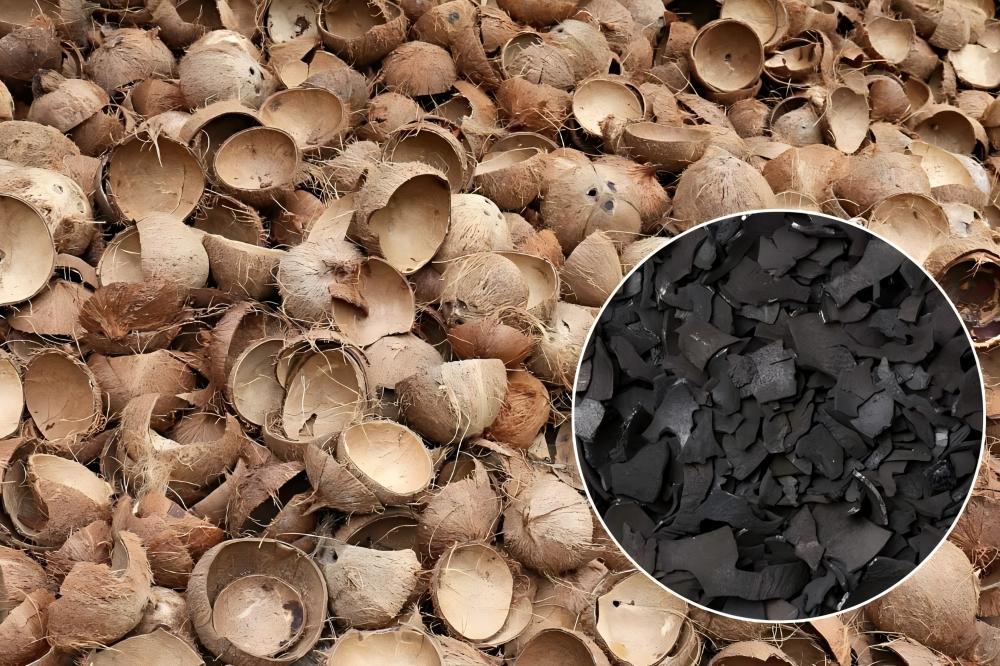
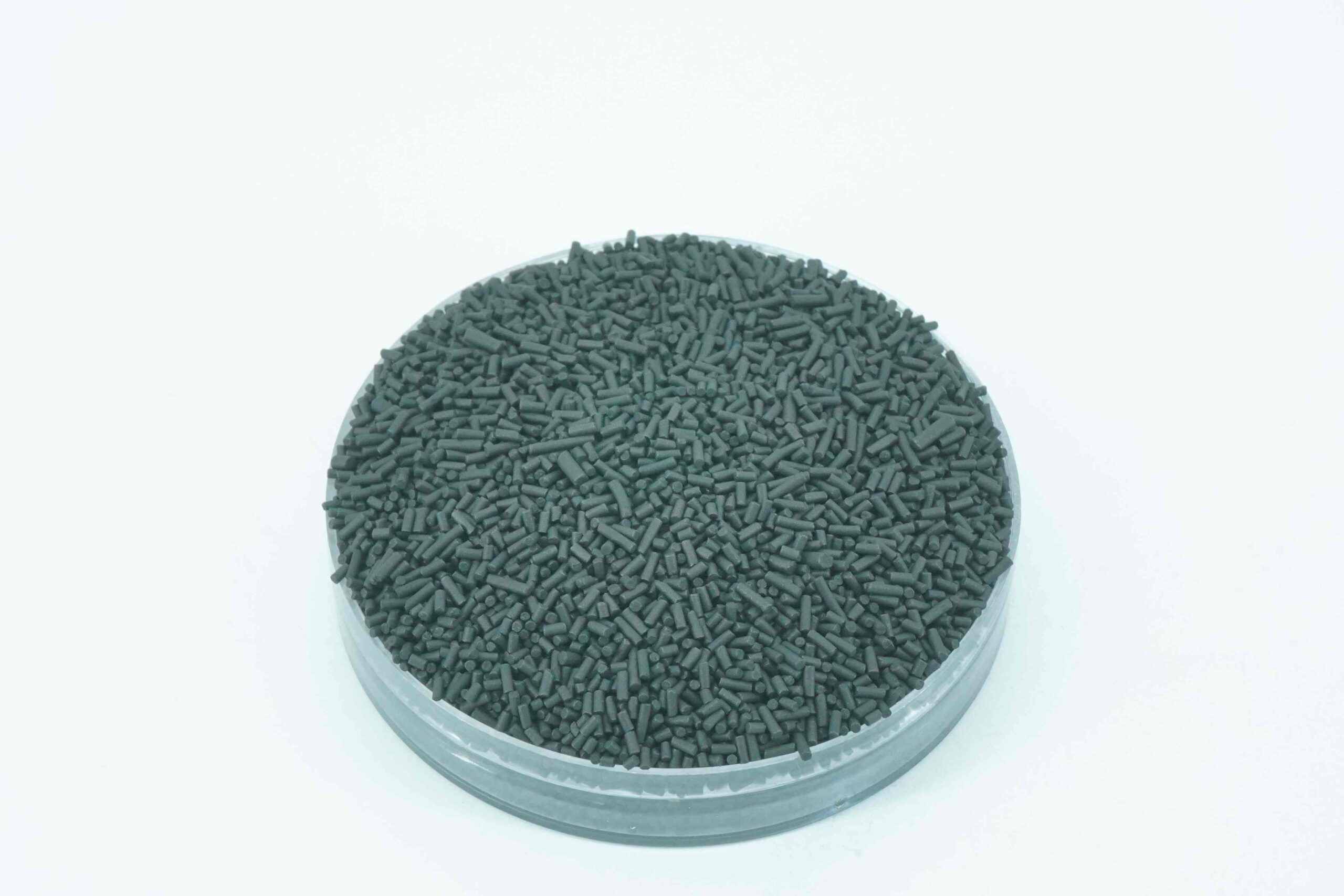
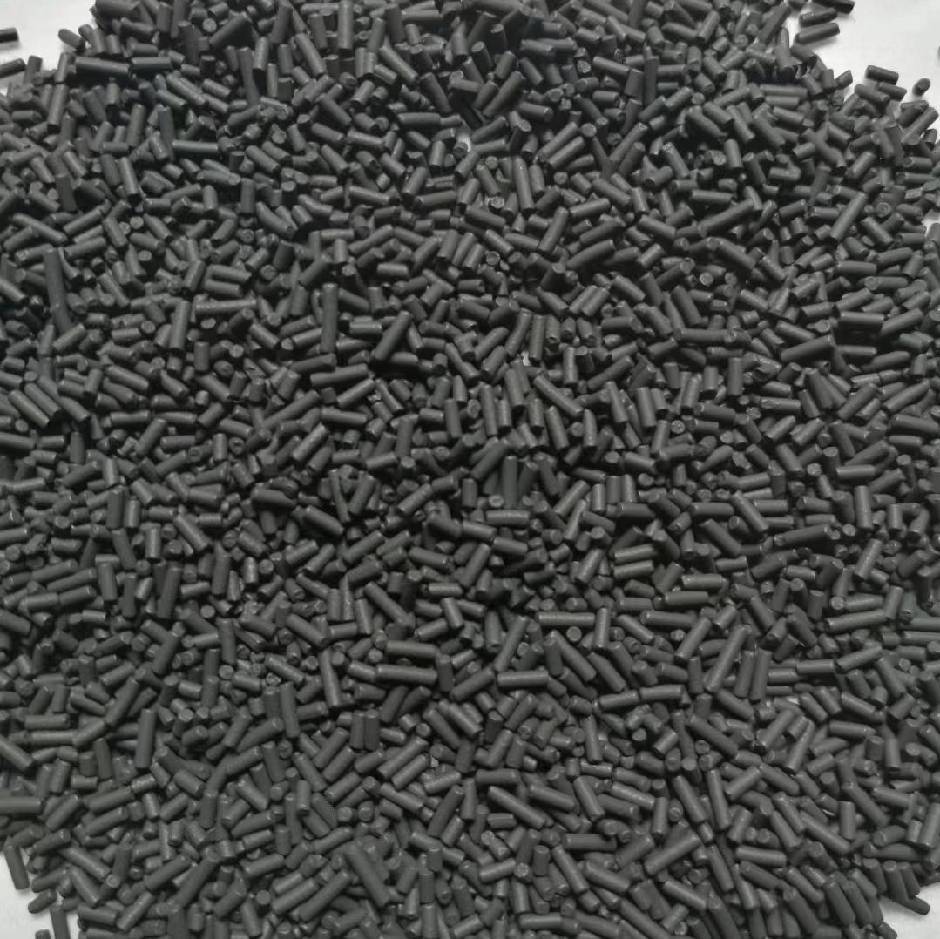
The carbon molecular sieve (CMS) is a key component of a nitrogen generator, used to separate nitrogen from other gases. After a period of time, the adsorption capacity of the CMS decreases, requiring replacement. Using a high-quality CMS, such as YUANHAO’s carbon molecular sieve, can maintain nitrogen purity and extend its service life.
The steps for replacing the CMS are as follows:
- Stop the gas supply. Release all pressure until the pressure gauge reading is zero. Turn off the power.
- If necessary, disconnect the nitrogen line and remove the tower cover.
- Remove the old CMS and clean the tower.
- Inspect the wire mesh and brown gasket for damage.
- Ensure the tower is clean to prepare for installing the new CMS.
- Place a brown gasket at the bottom of the tower, add a 5 cm thick layer of activated alumina, and then fill with the new CMS.
- Use a hammer or tool to compact the CMS. For better coverage, fill the tower to 5-10 cm above the top.
- After filling, please reset all settings.
- Check for leaks and ensure the system is properly sealed.
Wear protective equipment and keep away from water sources during operation. After opening the gas tank, purge with dry nitrogen to remove humid air. Replace any damaged parts to maintain nitrogen purity.
Note: Always use good CMS, like YUANHAO’s series, for the best nitrogen generator service.
Write down all maintenance steps to keep track and not miss anything. Regular nitrogen generator service keeps the system safe and working well.
Nitrogen generator maintenance: schedule and tips
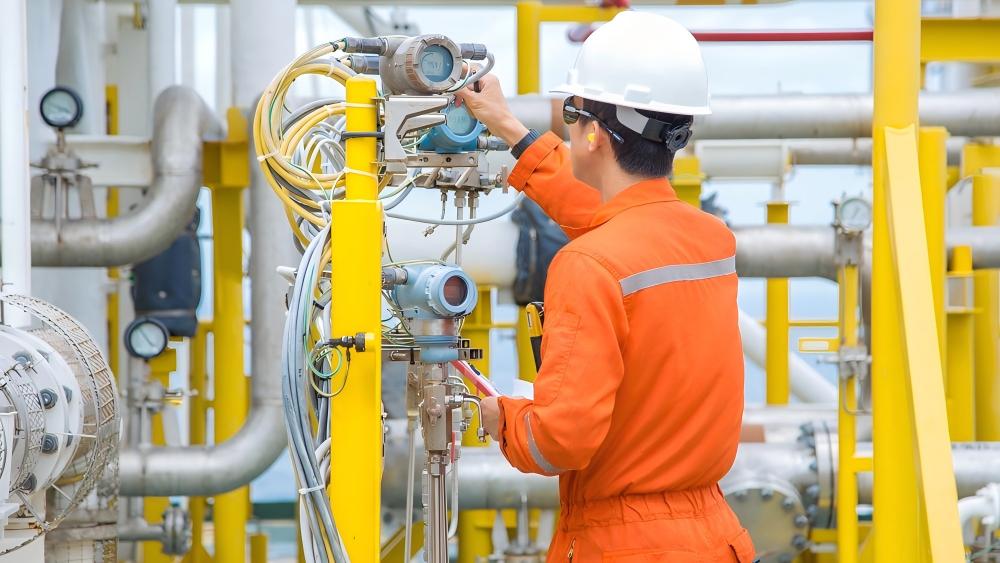
Recommended service intervals
Nitrogen generator maintenance follows a set schedule. Each part needs care at different times. The table below shows how often to service each part:
| Component | Recommended Service Interval |
|---|---|
| Carbon filters | Once a year |
| Coalescing filters | Every six months |
| Particulate filters | Every three months |
| Valves and oxygen sensors | Every three years |
Most nitrogen generators need a partial refill every three to five years. This refill is about 10–15%. The exact time depends on how much the generator runs. It also depends on air quality and how well users do maintenance.
Service times can change if people use the generator more. The environment matters too. If the generator is used a lot, it needs more service. Hot places or high mountains can lower output by 10–20%. These places may need shorter times between maintenance.
Importance of regular maintenance
Regular maintenance of the nitrogen generator ensures system safety. Neglecting maintenance allows oxygen to enter the machine, leading to internal rust. Rust can cause metal fractures or holes, and over time, this damage can cause the generator to stop working.
Failure to maintain the generator can lead to stress corrosion cracking, damaging components such as turbine blades. If users forget to perform routine maintenance, downtime may occur. Downtime not only causes operational losses but also financial damage.
A sound maintenance plan helps avoid downtime and ensures the generator operates smoothly. The table below illustrates how regular maintenance works:
| Cost Implication | Description |
|---|---|
| Reduced Nitrogen Purity | Product quality gets worse |
| Increased Energy Consumption | Costs go up |
| Unplanned Downtime | Lost work time and money |
| Costly Repairs | Emergency fixes cost more |
| Equipment Lifespan | Regular care makes equipment last 10–15 years |
Tip: Doing planned maintenance helps avoid expensive repairs. It also keeps the generator running longer.
Nitrogen gas generator: environment and operation
The environment affects nitrogen generator maintenance. Temperature, humidity, and dust all matter. The table below explains these factors:
| Environmental Factor | Impact on Performance |
|---|---|
| Temperature | Needed for keeping purity |
| Humidity | Should stay under 80% for best results |
| Ambient Conditions | Affect nitrogen generation and purity |
Room temperature should be less than 95 degrees Fahrenheit. Humidity must stay below 80%. Dust can block filters and lower nitrogen purity. Users should keep the area clean and dry. Put the nitrogen gas generator in a spot that is easy to reach. A dust-free place stops damage and helps the generator work well.
Note: Watching pressure and temperature helps find problems early. It keeps the generator working its best.
When to call a professional
Some maintenance jobs need a trained technician. Users should call a professional if they see these signs:
| Indicator | Description |
|---|---|
| Signs of leaks | Bubbles show up when using soapy water on connections |
| Reduced nitrogen purity | Purity drops below normal |
| Unusual noises | Strange sounds during use |
| Need for regular checks | Routine checks show damage |
Other warning signs include the presence of water, oil, or moisture inside the filter housing. If purity decreases or the generator makes unusual noises, contact a professional. Technicians can assist with scheduled maintenance and troubleshooting.
Service plans offer many benefits. They provide regular maintenance to ensure efficient generator operation. Service plans help identify problems early, reducing downtime. Performing maintenance along with other equipment saves time and simplifies the process.
Tip: Maintaining proper maintenance records helps track inspections, repairs, and parts replacements. Good records facilitate the identification of patterns and planning for future maintenance.
Routine checks help detect problems before they escalate. Daily checks can detect leaks or unusual noises. Weekly checks of purity and flow can indicate wear on parts. Monthly checks ensure all major components are functioning well.
Doing regular nitrogen generator maintenance makes it work better and last longer. Checking the generator often helps stop problems. Using good parts, like YUANHAO’s carbon molecular sieves, stops rust and damage. Taking care of the generator with smart tools can help it last up to 20 years. Service plans and regular checkups keep the generator working its best.
FAQ
How often should carbon molecular sieves be replaced?
Most people replace their carbon molecular sieves every three to five years. If the nitrogen generator is used frequently, it may need to be replaced more often. Poor air quality will also lead to more frequent replacements.
What are the signs that a nitrogen generator needs maintenance?
Unusual noises, decreased nitrogen purity, or leaks all indicate that the nitrogen generator needs maintenance. Regularly checking the nitrogen generator helps to detect these problems early.
Can users maintain nitrogen generators themselves?
Users can perform some simple maintenance tasks, such as replacing filters and cleaning. However, complex repairs or calibrations should be performed by trained technicians to ensure safety and achieve good results.