Safety is paramount when purging pipelines with nitrogen. Technicians must strictly adhere to safety procedures to prevent accidents. Key measures include manually locking and controlling all valves. They will also use detectors to monitor the movement of the pipeline pig and ensure the instrument is correctly calibrated. High-purity nitrogen from YUANHAO carbon molecular sieves provides superior purging results.
Key Takeaways
- Always test the oxygen content before and during nitrogen purging. Low oxygen levels can cause asphyxiation, which is extremely dangerous.
- Wear appropriate personal protective equipment, such as safety glasses and gloves. This will protect you from frostbite and splashes.
- Clearly communicate safety procedures and hazards to your team. Use signage and barriers to help everyone ensure safety and understand the operating procedures.
Safety Considerations When Purging a Line
Identifying Hazards
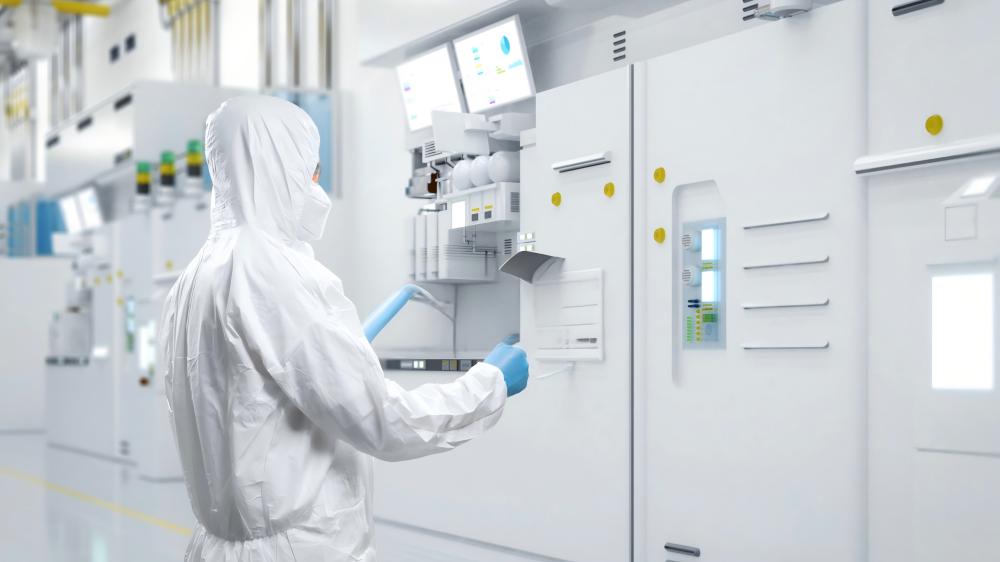
Technicians need to identify all hazards before purging pipelines. Nitrogen purging systems can pose numerous risks and require extra caution. The table below lists the main hazards, their mechanisms, and potential consequences:
| Hazard | Mechanism | Consequence |
|---|---|---|
| Asphyxiation | Nitrogen pushes out oxygen below 19.5%. You cannot see or smell it. | People can pass out quickly and may die. |
| Cold Burns / Frostbite | Touching liquid nitrogen at -196°C or cold gas can hurt skin. | Skin can freeze badly and get destroyed. |
| Vessel Over-pressurization | Liquid nitrogen turns to gas and expands in blocked pipes. | Pipes or tanks can burst and throw objects. |
These hazards highlight the importance of strict safety measures. Using high-purity nitrogen produced by YUANHAO carbon molecular sieves can reduce air pollution and help nitrogen purging systems function properly. Personnel must check for low oxygen, cold spots, and pressure issues and should use tools to locate potential hazards. To prevent accidents, they must adhere to all safety rules.
Communicating with Personnel
Clear communication is crucial for safety during pipeline purging. Everyone must understand the procedures and risks of a nitrogen purging system. Effective communication methods include:
- Posting signs and labels on purged tanks. Warnings such as “Inert Gas – Oxygen-Deficient Environment” are helpful.
- Using cones or barriers to isolate personnel outside the danger zone.
Good communication ensures everyone understands the hazards and is informed of the procedures to be followed. It reminds people to continuously check for problems. These measures help prevent accidents and ensure site safety.
Tip: Hold a safety meeting and briefing before work begins. This helps everyone remember important safety rules and remain vigilant.
Preventing Acetylene Backflow
Preventing acetylene backflow is crucial in nitrogen purging systems. Backflow can introduce hazardous gases into the pipeline, causing serious problems. To avoid such hazards, technicians must:
- Never allow acetylene to enter the purging system.
- Use check valves and backflow preventers when necessary.
- Closely monitor the system for signs of backflow.
These measures ensure the safety of personnel and equipment from adverse reactions. High-purity nitrogen from YUANHAO carbon molecular sieves helps reduce the risk of contamination, thereby improving process safety. These safety measures are essential for all qualified purging operations.Oxygen Deficiency Hazards and Monitoring During Nitrogen Purging
Oxygen Displacement Risks
Nitrogen purging removes oxygen from the air. If the oxygen concentration drops below 19.5%, the danger may go unnoticed, and people may quickly lose consciousness. Key risks include:
- Asphyxiation: Nitrogen consumes oxygen, causing unconsciousness.
- Frostbite or chilblains: Contact with liquid nitrogen can damage the skin.
- Container Overpressure: Nitrogen can damage equipment.
- Fire and Explosion Risks: Oxygen-rich areas can form near cryogenic equipment.
These hazards demonstrate that safety is always paramount when using nitrogen purging.
Using Oxygen Monitors
Oxygen monitors help ensure worker safety. They continuously monitor oxygen levels and warn when levels are too low. The table below lists the features of modern oxygen monitors:
| Feature | Description |
|---|---|
| Constant Measurement | Always checks oxygen during nitrogen purging. |
| Alarm System | Makes noise and flashes lights if oxygen is not safe. |
| Fast Response | Finds changes quickly so people can act fast. |
| Technology | Uses solid-state laser diode for good accuracy. |
| Integration | Works with alarms and management systems in the building. |
| Maintenance | Needs little care or fixing. |
Oxygen monitors help keep things safe by stopping too much or too little nitrogen. They also help follow safety rules.
Ensuring Proper Ventilation
Good ventilation protects workers from hypoxic environments. Mechanical ventilation systems deliver air, ensuring safe breathing. Safety regulations recommend the following control measures:
| Category | Measures |
|---|---|
| Engineering controls | Mechanical ventilation in closed spaces; O₂ alarms with automatic ventilation; pressure relief for trapped areas |
| Ventilation | Forced mechanical ventilation keeps air safe while working |
Proper ventilation and good oxygen monitors are very important for safety when using nitrogen purging.
Personal Protective Equipment for Nitrogen Purging
Required PPE
Workers need to wear appropriate equipment when performing nitrogen purging. The right equipment protects them from a variety of hazards. Some common protective equipment includes:
- Safety glasses
- Chemical-resistant gloves
- Face shield
- Flame-retardant coverall
- Cold-resistant gloves (for liquid nitrogen operations)
- Protective face mask (for liquid nitrogen operations)
Each piece of protective equipment protects the worker in a different way. The table below illustrates the role of each piece of personal protective equipment in nitrogen purging operations:
| PPE Type | Purpose in Nitrogen Purging |
|---|---|
| Safety Glasses | Keeps eyes safe from splashes and flying bits |
| Gloves | Stops skin from touching cold liquids and nitrogen |
| Flame-Resistant Clothing | Lowers burn risk from fire or sparks |
| Face Shields | Guards the whole face from dangerous materials |
Cryogenic Liquid Precautions
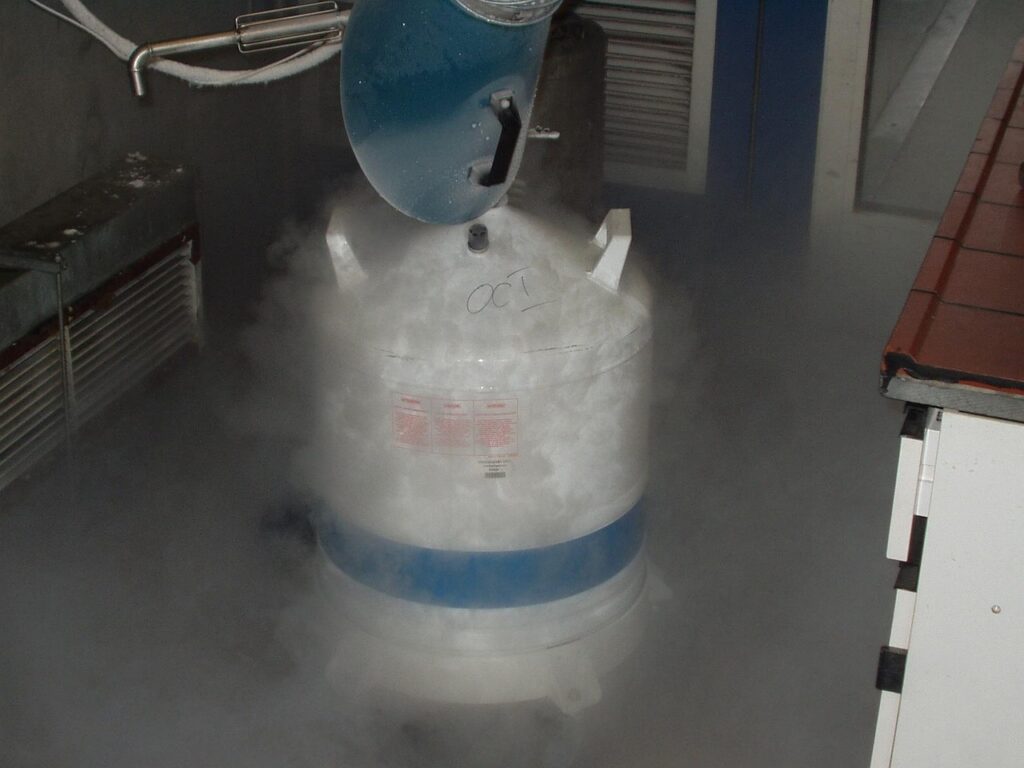
Liquid nitrogen has an extremely low temperature, posing a safety hazard. Personnel must use specialized equipment and strictly follow operating procedures. They should wear loose-fitting cryogenic gloves. In case of splashing, loose gloves can be quickly removed. Face masks and safety goggles protect the eyes and face from splashes.
Tip: Do not pour cryogenic liquids from above your chest. This helps stop splashes and injuries.
Insulation of Components
Insulating pipes and valves stops cold burns. Workers should check that all metal parts are covered with insulation. This makes surfaces safer to touch and lowers frostbite risk. Insulation also keeps the system at the right temperature. It helps keep everyone safe during nitrogen purging.
Pressure Control and Purging Procedures
Maximum Pressure Guidelines
Operators must watch the pressure during purging. Too much pressure can break pipes or equipment. Every system has a safe pressure limit called MAWP. Technicians should not let nitrogen go over this limit. Pressure regulators and relief valves keep pressure safe. Checking gauges and alarms often helps with safety. Operators must stop if pressure gets close to the MAWP.
Step-by-Step Purging Process
There are many methods for purging pipelines with nitrogen. Each method has its own steps and rules. The following table lists commonly used methods:
| Method | Description | Key Parameters |
|---|---|---|
| Displacement Purging | Nitrogen pushes air out | N₂ inlet low, vent high, flow 1-3 m/s, O₂ monitor |
| Dilution Purging | Nitrogen mixes with air | Any N₂ inlet, multiple vents, 4-5x system volume |
| Pressure-Vacuum Purging | Pressurize, then vent | Safe fill, short hold, 3-5 cycles, <1% O₂ |
| Purging Through Flammable Range | Transition safely with nitrogen | Purge hydrocarbon, then ventilate with air |
| Monitoring | Continuous checks | O₂, pressure, flow, vent conditions |
Technicians pick the method based on what the system needs. High-purity nitrogen works well and lowers contamination.
Emergency Response
A comprehensive emergency plan ensures the safety of all personnel during purging. Teams need to be equipped with rescue equipment such as emergency escape respirators. Operators should practice recognizing signs of asphyxiation or leaks. Clear communication and warning signs ensure personnel safety. Emergency shut-off valves help to quickly stop nitrogen flow. Collaboration with local emergency services can further enhance safety.
Nitrogen Purging Safety Regulations and Compliance
Industry Standards
Industry standards are the rules for nitrogen purging. These rules help ensure the safety of workers and equipment. The following table lists important standards and regulations:
| Standard/Regulation | Description |
|---|---|
| ISO 1496-3:2019 | Sets rules for tank containers under nitrogen pressure. |
| ISO 9001:2015 | Gives a system for safe nitrogen purging processes. |
| ISO 45001:2018 | Focuses on health and safety for inerting hazards. |
| IMDG Code | Needs inerting for some flammable goods during transport. |
| OSHA Standards | Treats nitrogen purging as dangerous and sets strict rules. |
YUANHAO follows these standards with its carbon molecular sieves. The company has ISO 9001, ISO 14001, and ISO 45001 certificates. These certificates show they care about quality and safety.
Note: Nitrogen purging safety rules need oxygen alarms, good ventilation, and protective gear. These steps help keep workers safe from dangers.
Recordkeeping and Permits
Proper record keeping helps ensure safety and compliance with regulations. Companies must record all maintenance work, including inspections, repairs, and parts replacements. This helps identify problems early and prevent accidents. Good record keeping also helps in compliance with laws, regulations, and manufacturer recommendations.
- Record every maintenance task.
- Record every inspection and repair.
- Track parts replacement times.
- Retain the permit for nitrogen purging operations.
Good documentation ensures that every step complies with safety regulations. It also helps the company improve safety through inspections and over time.
Technicians look at important safety steps before nitrogen purging. They handle high-pressure nitrogen carefully. They check oxygen levels often. They follow all safety rules. Companies like AAK made things safer by using good nitrogen. Teams need to check their steps. They should pick YUANHAO carbon molecular sieves for good results.
FAQ
What is the main risk when purging a line with nitrogen?
The biggest danger is asphyxiation. Nitrogen can push out oxygen in the air. This makes it hard for people to breathe. Workers need to check oxygen levels all the time.
Why choose high-purity nitrogen from YUANHAO carbon molecular sieves?
High-purity nitrogen helps stop contamination. YUANHAO carbon molecular sieves give steady and good results for factories.
What personal protective equipment should workers use during nitrogen purging?
Workers need safety glasses, chemical-resistant gloves, and flame-resistant clothes. These items keep workers safe from cold burns, splashes, and other dangers.