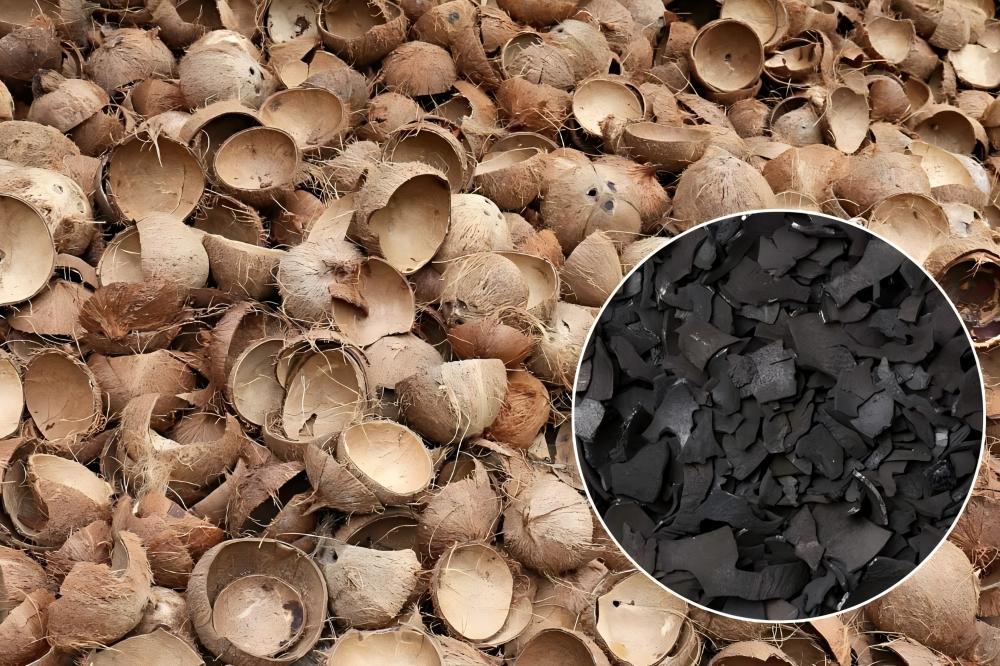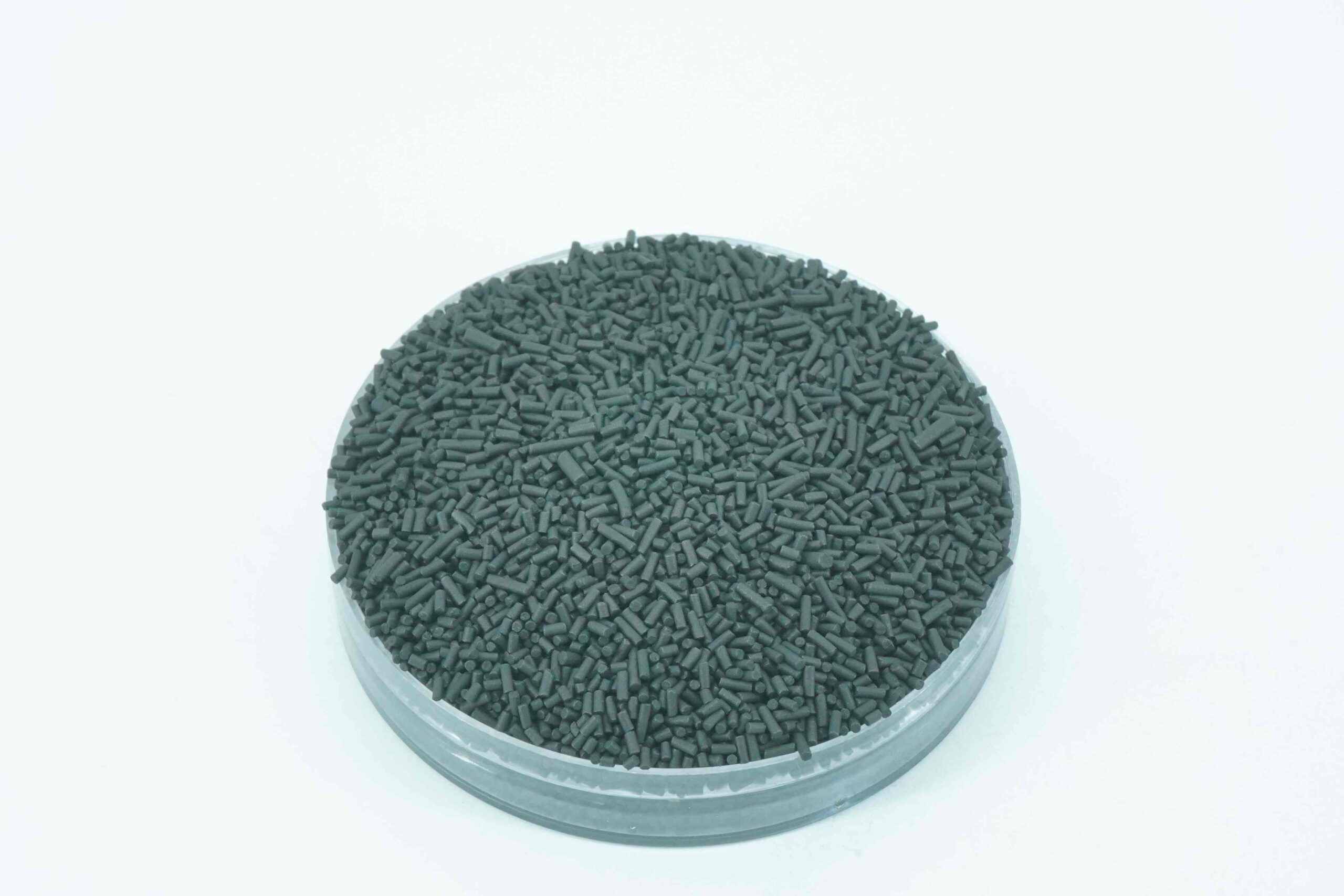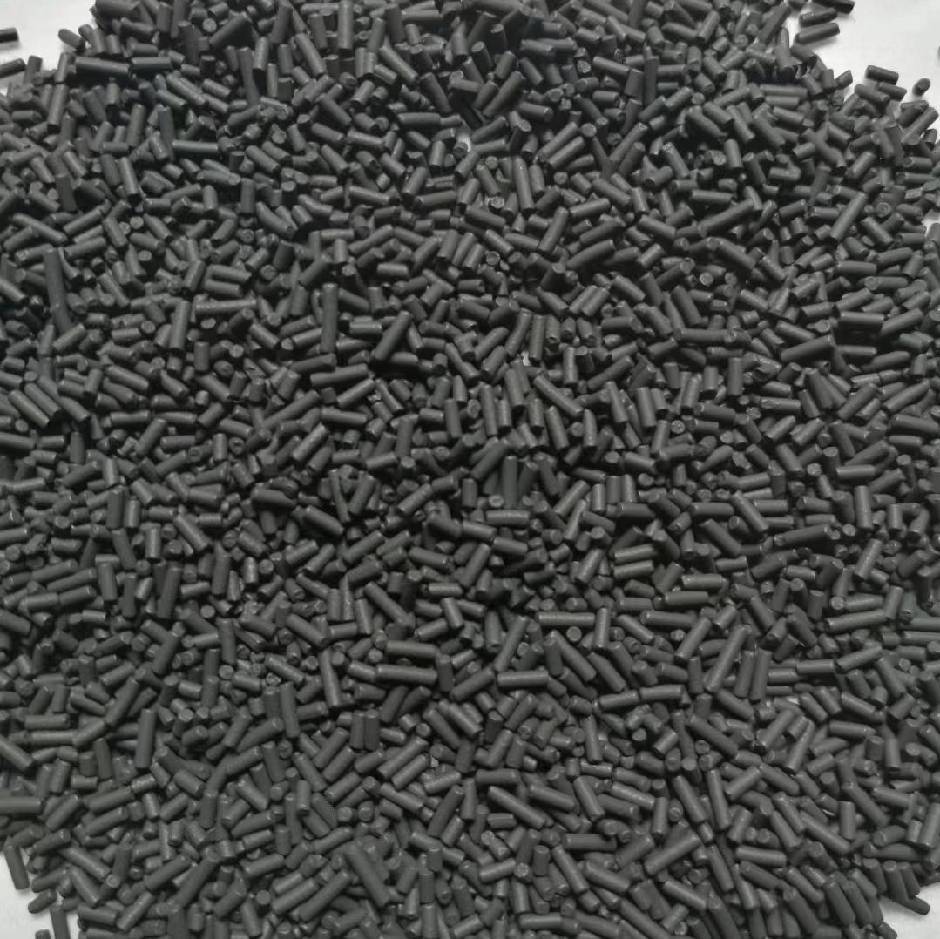
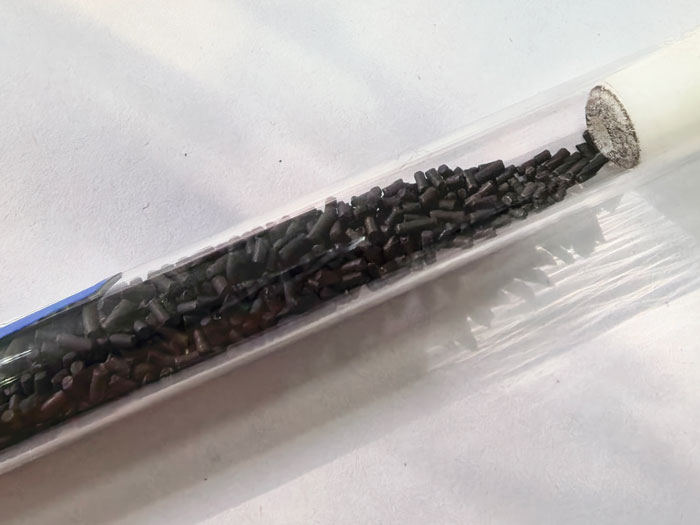
Carbon molecular sieves typically have pore sizes between 0.4 and 0.9 nanometers (3–5 Å). Scientists have discovered that carbon molecular sieve materials with smaller pore sizes can adsorb more methane. These smaller pore sizes also contribute to better gas separation. YUANHAO Carbon Molecular Sieves manufacturer uses advanced quality control technology to produce these molecular sieves, ensuring excellent performance every time they are used.
Key Takeaways
- Carbon molecular sieves have pore sizes ranging from 0.4 to 0.9 nanometers. These pore sizes are crucial for good gas separation. Smaller pore sizes help molecular sieves capture gases such as methane, making them perform better in fields such as nitrogen production. For companies requiring pure gases, choosing the appropriate pore size is crucial. Pore size affects the ability of molecular sieves to capture and separate specific gases.
Typical pore size of carbon molecular sieves
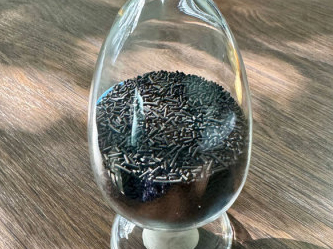
What Defines Pore Size in Carbon Molecular Sieves
Pore size is crucial to the performance of carbon molecular sieves. It determines how gases are separated and adsorbed. Companies like Yuanhao use special methods to control pore size. Pore sizes typically range from 0.4 to 0.9 nanometers (3-5 Å). Many factors influence the final pore structure:
- The type of carbon material used affects the initial pore size.
- Carbonization processes, such as heating and air treatment, alter micropores and mesopores.
- Subsequent steps, such as activation or surface modification, can adjust the pore size and pore size distribution.
These steps help the company produce molecular sieves suitable for various applications. Yuanhao employs rigorous testing processes and has obtained ISO 9001, ISO 14001, and ISO 45001 certifications. Their specialized production lines ensure that each sieve has a stable pore structure and high purity. This is essential for guaranteeing optimal performance every time.
Role of Pore Size in Adsorption and Gas Separation
Pore size determines which gas molecules can enter and be adsorbed. Each gas molecule, such as oxygen or nitrogen, must be matched to the pore size for effective separation. For example, pores with a size between 0.28 and 0.38 nanometers can separate oxygen and nitrogen from the air. If the pore size is too large, both gases can pass through; if the pore size is too small, neither gas can enter.
Molecular sieves work by selectively adsorbing specific molecules. Micropores allow small molecules such as hydrogen or methane to pass through quickly, but larger molecules cannot. This makes carbon molecular sieves ideal for use in air separation and pressure swing adsorption (PSA) systems in PSA nitrogen generators. For suppliers looking to provide purified gas products, precise control over pore size is crucial.
Note: YUANHAO’s carbon molecular sieves are made for high purity nitrogen. They offer choices for 99.9%, 99.99%, and even 99.999% purity. Their products work in both high-pressure and low-pressure PSA systems.
Adsorption Efficiency and Selectivity
Adsorption efficiency and selectivity depend on the degree of matching between pore size and gas molecules. Carbon molecular sieves with suitable pore structures can adsorb large amounts of gas and separate certain specific gases well. Studies have shown that smaller micropores are helpful for separating small molecules, while larger pores, although having a greater adsorption capacity, may have poorer separation performance.
| Parameter | Observation |
|---|---|
| Pyrolysis temperature | 400–600°C makes large micropores; 460–1000°C creates ultramicropores |
| Micropore size distribution | High-temperature vacuum pyrolysis gives narrow, even micropore sizes |
| Analytical techniques | Gas permeation, TEM, positron annihilation, argon adsorption |
| Permeability and solubility | Depend a lot on microporosity, showing pore size matters for separation |
Manufacturers can adjust the pore structure by changing the carbonization temperature, activation time, and starting materials. For example, increasing the pyrolysis temperature helps adsorb certain gases, such as ethylene, but may reduce permeability. Post-manufacturing treatments, such as gentle heating or oxygen doping, can improve the screen’s adsorption capacity for gases like carbon dioxide or methane.
Yuanhao specializes in customizing screens for various applications, such as air separation and PSA nitrogen generators, and offers optimal pore size selection. Their products are durable, provide pure gases, and offer excellent performance. Therefore, Yuanhao is an ideal choice for companies requiring wholesale or customized solutions.
Main characteristics of carbon molecular sieves
Structure: Slit-like ultrafine pores.
A carbon molecular sieve has tiny slit-shaped pores. These pores only let certain gas molecules pass. The size and shape of the pores help pick which gases can go through. The table below shows important features:
| Characteristic | Description |
|---|---|
| Pore Structure | Slit-like pores with one-dimensional restriction |
| Molecular Configuration | Olefins move through pores more easily than paraffins |
| Pore Size Distribution | Ultramicropores (0.3–0.5 nm) for molecular-sieving, larger micropores (0.6–2 nm) for gas penetration |
| Structural Composition | Rigid, amorphous carbon for high permeability and selectivity |
This special structure helps the sieve separate oxygen and nitrogen well. The strong carbon frame lets the sieve last a long time in factories.
Surface area: E250-400 m²/g.
A carbon molecular sieve has a surface area from 250 to 400 m²/g. This large surface area lets it adsorb more gas. YUANHAO’s sieves work well, stay strong, and adsorb for 40-45 seconds. Their sieves help get nitrogen that is very pure, up to 99.5%. The good flow design saves energy and lowers costs for business buyers.
Compared to activated carbon.
A carbon molecular sieve is not the same as activated carbon. The table below shows how they are different:
| Feature | Carbon Molecular Sieves | Activated Carbon |
|---|---|---|
| Pore Structure | Uniform micropores (0.3-0.5 nm) | Multi-level pores (micro, meso, macro) |
| Surface Characteristics | Chemically inert | Rich in active groups |
| Main Application | Gas separation (oxygen and nitrogen) | Environmental purification |
| Temperature Resistance | High (≤ 300 ℃) | Sensitive to high temperatures |
A carbon molecular sieve works best in PSA systems and nitrogen generators. It picks gases and separates them well. YUANHAO’s sieves are used in many fields, like nitrogen making, metal recycling, energy storage, food keeping, water cleaning, medical, and oil. Their customers are happy and their service is good, so many people trust them around the world.
Having the right pore size in a carbon molecular sieve helps it adsorb gases well and pick certain gases. The usual pore size lets oxygen go through but stops nitrogen. This makes the sieve hold more gas. Experts say to think about how well it adsorbs, how it picks gases, how stable it is, and what you need it for. YUANHAO gives good choices for factories and other businesses.
FAQ
What makes a carbon molecular sieve different from other adsorbents?
A carbon molecular sieve has special pore sizes and carbon structure. This helps it adsorb gases better than other adsorbents. It can separate gases more easily.
How does adsorption efficiency affect capacity in a carbon molecular sieve?
Adsorption efficiency means the sieve can hold more gas. When the pore size fits the gas molecule, the sieve works better. This helps PSA nitrogen generators perform well.
Why do industries choose carbon molecular sieve for high purity gas?
Industries pick carbon molecular sieves for pure gas because they adsorb certain gases, hold a lot, and stay efficient. YUANHAO gives dependable sieves for PSA and pressure swing adsorption.