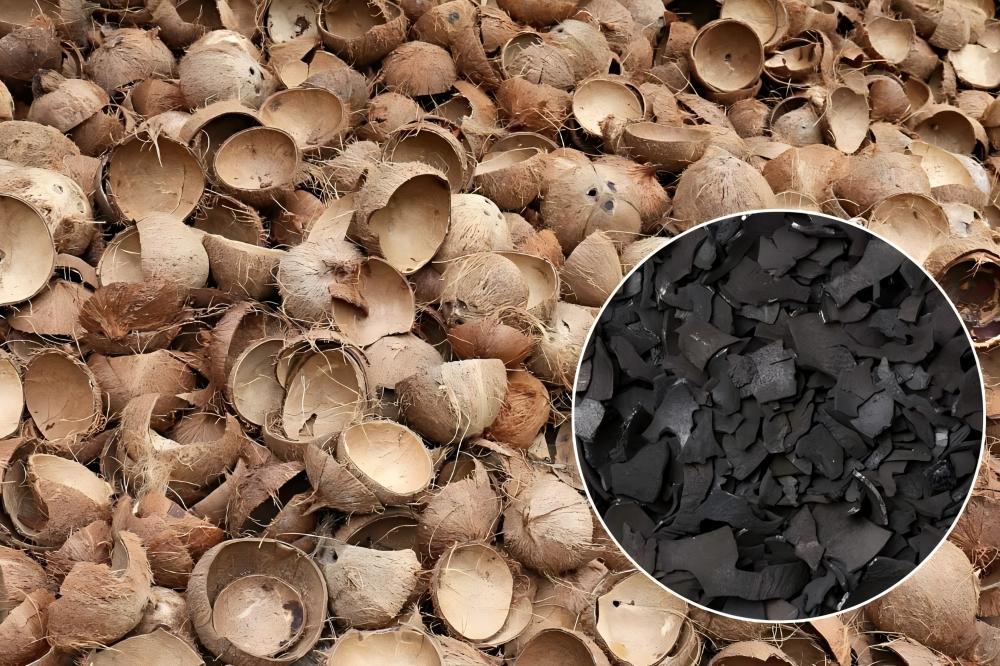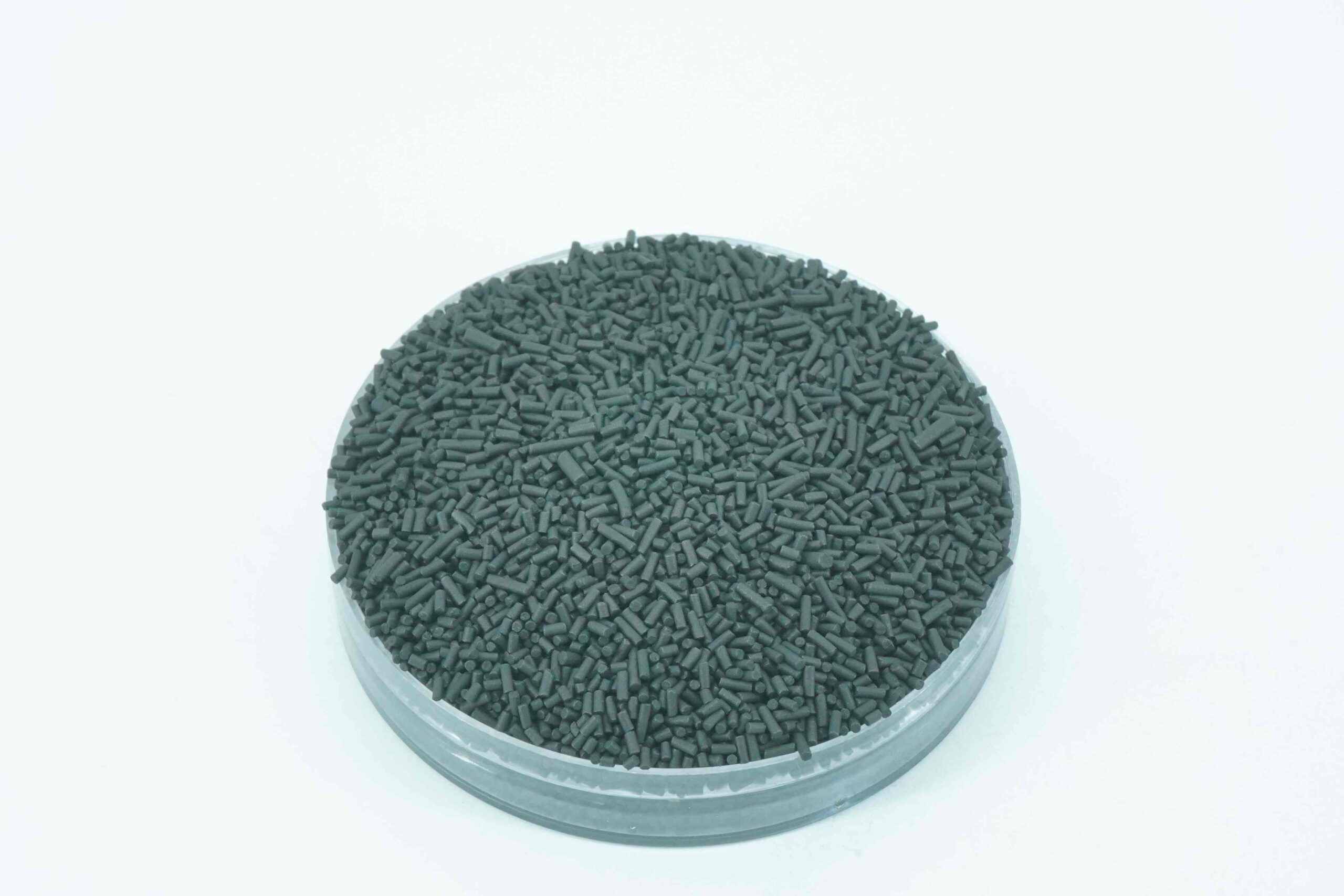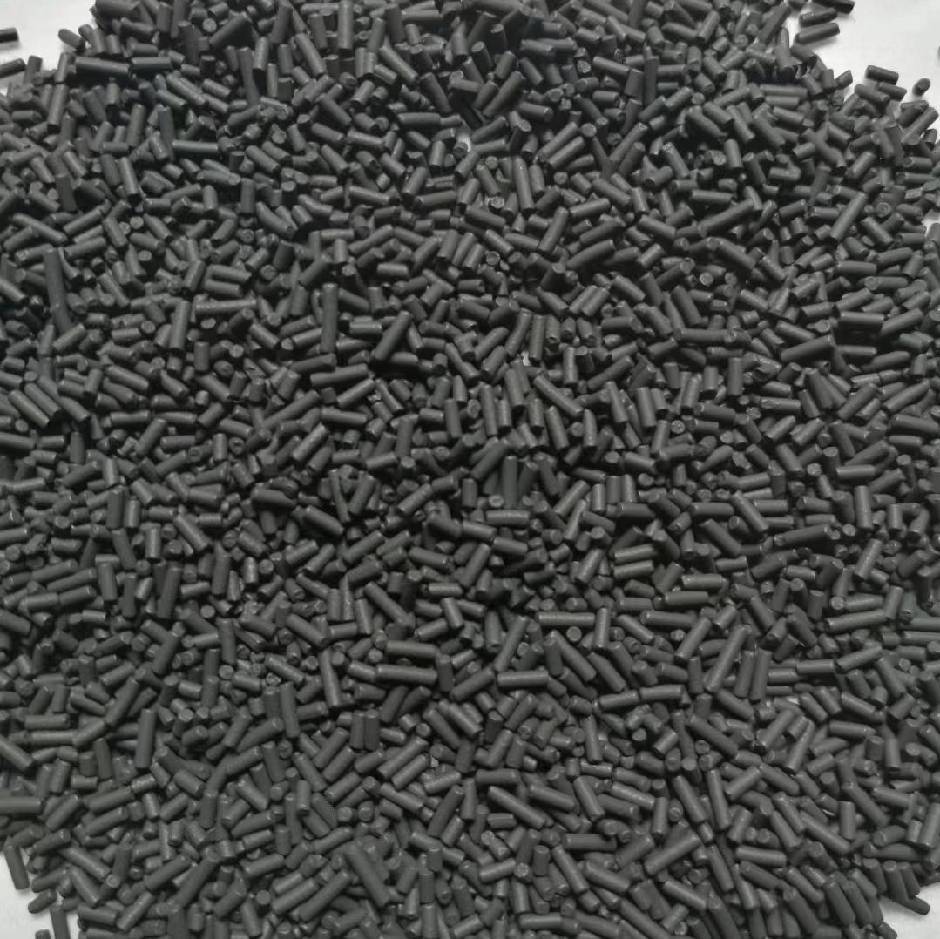
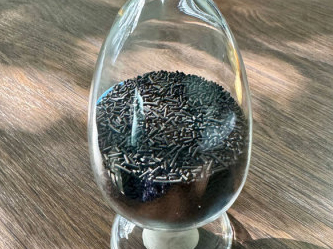
Carbon molecular sieves come in various grades and are widely used in technical fields. Each grade of carbon molecular sieve has a unique surface and pore structure. Factories select the appropriate grade based on specific needs to achieve optimal results. The applications of carbon molecular sieves are extensive, including petrochemical separation, hydrogen purification, medical oxygen production, air purification, semiconductor manufacturing, biogas purification, and methane recovery.
- The petrochemical industry requires highly selective carbon molecular sieves.
- Hydrogen purification requires carbon molecular sieves that allow gas to pass through.
- The medical device industry requires carbon molecular sieves capable of capturing nitrogen.
- Environmental applications require carbon molecular sieves with specific pore sizes.
- The semiconductor industry requires high-purity carbon molecular sieves.
YUANHAO possesses advanced technology and innovative concepts, offering a variety of carbon molecular sieve products.
Key Takeaways
- Choosing the appropriate carbon molecular sieve grade is crucial. It helps achieve optimal results in numerous application areas, such as petrochemical separation and medical oxygen production. —YUANHAO offers a variety of grades of carbon molecular sieves. Each carbon molecular sieve is designed for a specific application, ensuring pure and efficient gas separation. Understanding the characteristics of each grade of carbon molecular sieve, such as pore size and adsorption capacity, helps companies select the carbon molecular sieve best suited to their needs.
Carbon molecular sieve overview
What is a carbon molecular sieve
YUANHAO is a leading manufacturer of carbon molecular sieves, holding ISO 9001, ISO 14001, and ISO 45001 certifications, and possessing numerous invention patents and utility model patents. This reflects YUANHAO ‘s emphasis on innovation and product quality.
| Certification/Innovation | Description |
|---|---|
| ISO 9001 | Quality management system certification |
| ISO 14001 | Environmental management system certification |
| ISO 45001 | Occupational health and safety management system |
| Invention and Utility Patents | Secured through continuous process improvement |
Carbon molecular sieves have a special structure, with their surface covered by tiny pores called micropores. The size of these pores is typically between 0.28 and 0.38 nanometers. These pores allow materials to separate gases based on their size and velocity. Molecular sieves are manufactured in factories by controlling heating and altering pore size. This gives them the special ability to trap specific gases.
- Adsorption capacities range from 8% to 15% (by weight).
- Pore size helps to selectively separate specific molecules.
- This design enables them to separate gases very well.
How molecular sieve grades differ
The differences in molecular sieve grades lie in their pore shape and surface morphology. Manufacturers achieve suitable pore sizes by improving the manufacturing and processing methods of molecular sieves. This allows small molecules to pass through while blocking larger molecules. The materials and processes used affect the performance of the molecular sieve.
- Molecular sieve grades with smaller pore sizes can separate gases more efficiently.
- Some grades of molecular sieves can hold more gas.
- Additional post-processing steps can further reduce the pore size to meet the needs of specific applications.
Why grades matter in industry
Choosing the appropriate molecular sieve grade helps improve work efficiency and produce high-quality products. Each application requires a suitable molecular sieve to balance gas adsorption capacity and separation efficiency. For example, the electronics industry requires high-purity nitrogen. Molecular sieves are also needed in food packaging to maintain food freshness.
| Application Sector | Common Uses |
|---|---|
| Electronics Manufacturing | High-purity nitrogen for semiconductor fabrication and component assembly processes. |
| Food Packaging | Nitrogen packaging to extend shelf life and maintain product quality. |
| Pharmaceuticals | Medical oxygen concentrators and pharmaceutical manufacturing processes requiring precise gas separation. |
| Oil and Gas | Efficient separation of methane from natural gas streams and recovery of valuable hydrocarbons. |
Tip: Using the right molecular sieve grade can help pressure swing adsorption systems work better and make gases more pure.
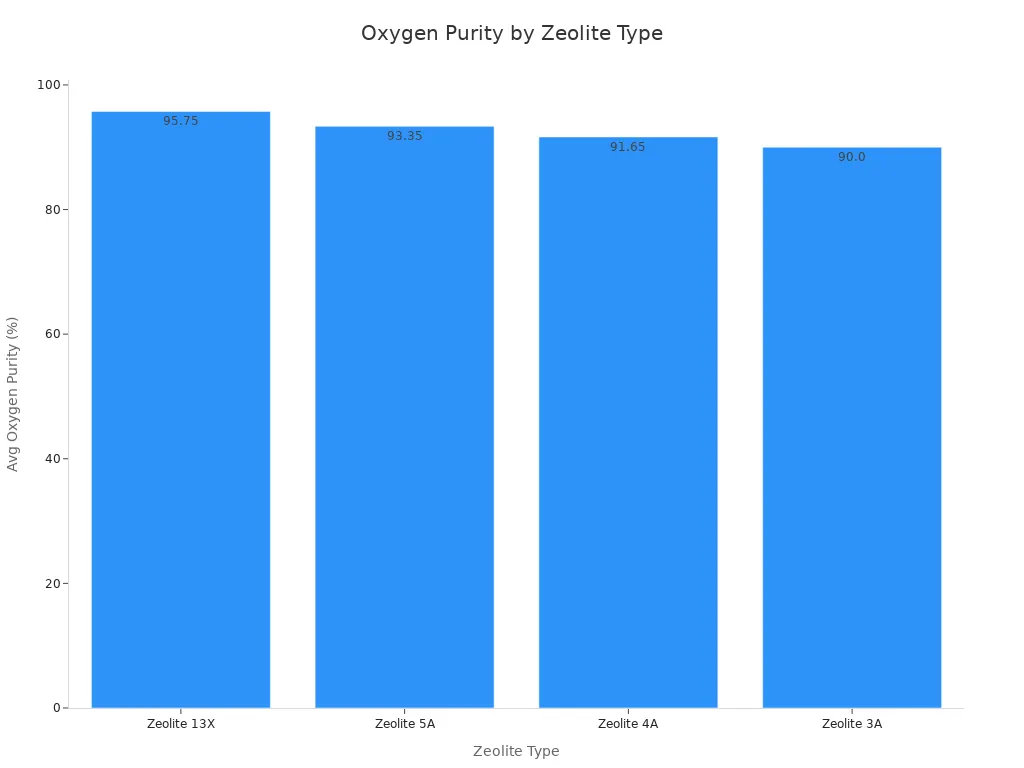
Choosing the best grade gives the best results for each use.
Carbon Molecular sieve grades and applications

Common grades and their properties
Carbon molecular sieve grades have special features for different jobs. YUANHAO makes grades like CMS-220, CMS-240, and CMS-260. Each one works in its own way in factories.
YUANHAO ‘s CMS-220 is suitable for preparing basic nitrogen. CMS-240 is used in food packaging, electronics, and laboratories. CMS-260 is designed for high-volume production in metal and chemical plants.
YUANHAO also produces CMS-300, with particle sizes between 0.3 and 0.4 nanometers. This grade produces high-purity nitrogen. The company can tailor grades to meet customer needs for applications requiring high pressure, large particle size, low air consumption, and high nitrogen yield.
Note: Picking the right grade helps each job work its best.
Adsorption performance and purity levels
How well a sieve works depends on many things. These include selectivity, how fast gas moves, hardness, pore shape, and how much it can hold. YUANHAO’s sieves are made to do well in all these ways.
| Metric | Description |
|---|---|
| Selectivity | Preferential adsorption of one gas over another, crucial for high-purity nitrogen production. |
| Diffusion Rate | Speed of gas movement in the sieve, affecting adsorption and desorption efficiency. |
| Hardness and Abrasion | Resistance to wear, ensuring long-term stability and preventing blockage. |
| Pore Structure | Includes pore size, volume, and distribution, critical for performance. |
| Adsorption Capacity | Amount of gas adsorbed per unit mass, impacting production efficiency. |
| Recovery Rate | Ratio of nitrogen in the product to total nitrogen in raw air, important for energy efficiency. |
| Compressive Strength | Ability to withstand pressure without breaking, preventing system damage. |
| Attrition Rate | Rate at which particles break down, affecting operational efficiency. |
YUANHAO’s sieves can make nitrogen that is 99.5% to 99.999% pure. The company has food-safe sieves with pores from 0.33 to 0.38 nanometers. These meet ISO 22000 and HACCP rules. They are great for keeping food fresh and can make food last four times longer.
CMS-220 and CMS-240 work differently in PSA systems. CMS-240 makes more nitrogen and has better N2/Air numbers at every level.
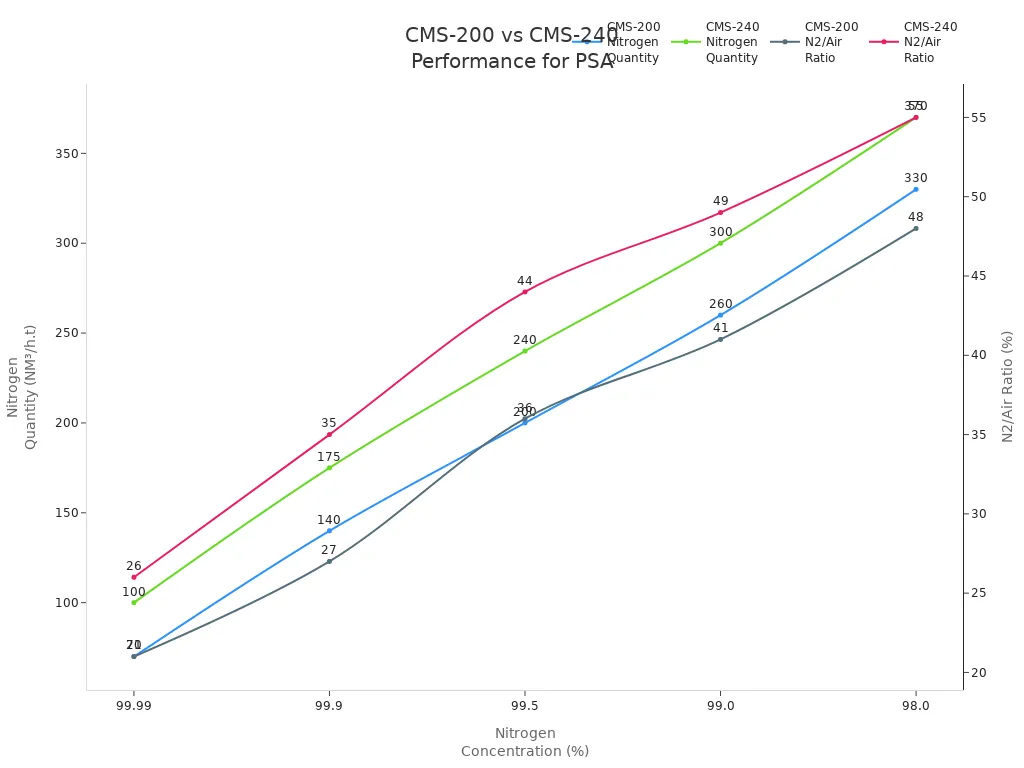
Tip: Fast absorption and good selectivity help get pure gases and save energy.
Application scenarios by grade
YUANHAO’s sieves are used in many fields. CMS-220 is used in PSA nitrogen machines for making nitrogen on site. It is used in food packaging, electronics, and chemicals. CMS-220 also takes oxygen out of air to make safe gases. This is important for heating metals and making medicine. The grade also cleans hydrogen for fuel cells and oil plants. It raises methane in biogas for power and heat.
| Application Scenario | Description |
|---|---|
| Nitrogen Preparation | Used in PSA nitrogen generators for on-site industrial nitrogen preparation. |
| Air Separation | Removes oxygen from compressed air for inert gas production. |
| Hydrogen Purification | Removes impurities from hydrogen, essential for petrochemical processes and fuel cells. |
| Biogas Purification | Increases methane concentration from biogas, enabling its use in power generation and heating. |
Specialized molecular sieves are used to preserve food. These sieves produce nitrogen gas with a purity of 99.5% to 99.999%, helping fruits and vegetables retain their color and vitamin content. They also inhibit pests and slow down the spoilage of grains and oils, thus aiding in storage.
Molecular sieves help purify wastewater. They remove harmful substances such as organic waste and heavy metals. The tiny pores of the molecular sieve trap these substances, making the water clearer and less odorous. YUANHAO molecular sieves are reusable, saving money and being environmentally friendly.
Medical oxygen concentrators require highly efficient molecular sieves. CMS systems produce oxygen with a purity of 90% to 95%, consuming 60% to 70% less energy than activated carbon. For large users, the cost of both is essentially the same after 3-4 years. Cleaner oxygen means less subsequent cleaning work.
Comparison with other adsorbents
Molecular sieve technology is better than other adsorbents. YUANHAO’s carbon molecular sieves have high selectivity and can hold a lot. Zeolites and activated carbon do not work as well.
| Material | Selectivity | Capacity (mmol/g) | Comments |
|---|---|---|---|
| Carbon Molecular Sieves | >100 | >2 | High selectivity and capacity, optimized for specific gas separations. |
| Zeolites | <20 | Varies | Lower selectivity, effective for certain applications. |
| Activated Carbon | <20 | Varies | Limited selectivity, used for broader adsorption applications. |
Molecular sieves 3a, 4a, and 5a are common types. Molecular sieve 3a can remove moisture from gases and liquids. Molecular sieve 4a is suitable for drying and cleaning. Molecular sieve 5a can separate different types of paraffin wax.
Carbon molecular sieves are best suited for separating small molecule gases such as carbon dioxide and methane. Their uniform pore size allows them to selectively adsorb specific molecules. Zeolites, such as 13X and 5A, are strong and widely used, but water can degrade their performance.
For medical oxygen, molecular carbon sieves are superior to activated carbon.
| Advantage | Carbon Molecular Sieves (CMS) | Activated Carbon |
|---|---|---|
| Pore Size | 3-5 Angstroms | N/A |
| Oxygen Purity | 90-95% | N/A |
| Energy Consumption (kWh/m³) | 0.3-0.5 | 0.8-1.2 |
| Cost Parity Time (Years) | 3-4 | N/A |
- CMS systems save a lot of energy.
- They make cleaner oxygen, so less cleaning is needed later.
- CMS costs the same as activated carbon after 3-4 years.
Callout: YUANHAO’s sieves give steady results in many jobs. Their products can be changed to fit needs for purity, pressure, and size.
Picking the right molecular sieve grade makes gases cleaner and saves energy. Each molecular sieve grade has its own pore size and how much gas it can hold. Factories use molecular sieve to get nitrogen, oxygen, and biogas. YUANHAO gives molecular sieve choices for many kinds of work. Their molecular sieve products follow tough rules and fit what customers want.
- Pick the molecular sieve grade for the job you need.
- YUANHAO makes sure their molecular sieve works well.
FAQ
What is the main difference between CMS-220 and CMS-240?
CMS-240 makes more nitrogen than CMS-220. It also works for a longer time. CMS-200 is good for simple nitrogen jobs. Factories pick CMS-240 when they want better results and longer use.
How pure can nitrogen get using YUANHAO carbon molecular sieves?
YUANHAO sieves can make nitrogen very pure. The purity can be from 99.5% to 99.999%. These grades are safe for electronics, food, and medical work.
Can YUANHAO customize carbon molecular sieve grades for special needs?
YUANHAO can make special grades for different jobs. They change pore size, pressure, and particle size to fit what each factory needs.