Operators can address CMS ash/dust emissions from nitrogen generators by implementing enhanced pre-filtration, regular maintenance, and selecting high-quality CMS from reputable suppliers. These measures ensure optimal generator performance and protect critical components. The table below illustrates how each maintenance step contributes to improved system functionality:
| Maintenance Aspect | Impact on Performance |
|---|---|
| Pre-Filtration System | Prevents contaminants like dust, oil, and water from obstructing the molecular sieve. |
| Molecular Sieve Performance | Maintains nitrogen purity and high output by protecting the sieve. |
| System Integrity | Regular checks of valves and compressors enhance nitrogen separation efficiency. |
Adopting these practices extends the lifespan of the nitrogen generator and helps companies maintain product quality.
Key Takeaways
- Use a more efficient pre-filtration system to prevent contaminants from damaging the carbon molecular sieve (CMS) and maintain nitrogen purity.
- Choose high-quality CMS from reputable suppliers to reduce the possibility of dust and particulate matter escaping and affecting the normal operation of the nitrogen generator.
- Regularly inspect valves, compressors, and filters to ensure smoother system operation and extend the lifespan of the nitrogen generator.
- Closely monitor nitrogen purity to meet relevant regulations and prevent equipment damage due to dust.
- Improve the filtration system and clean components promptly to address dust issues and continuously produce high-quality nitrogen.
Causes of CMS Ash/Dust Emission
Poor CMS Quality
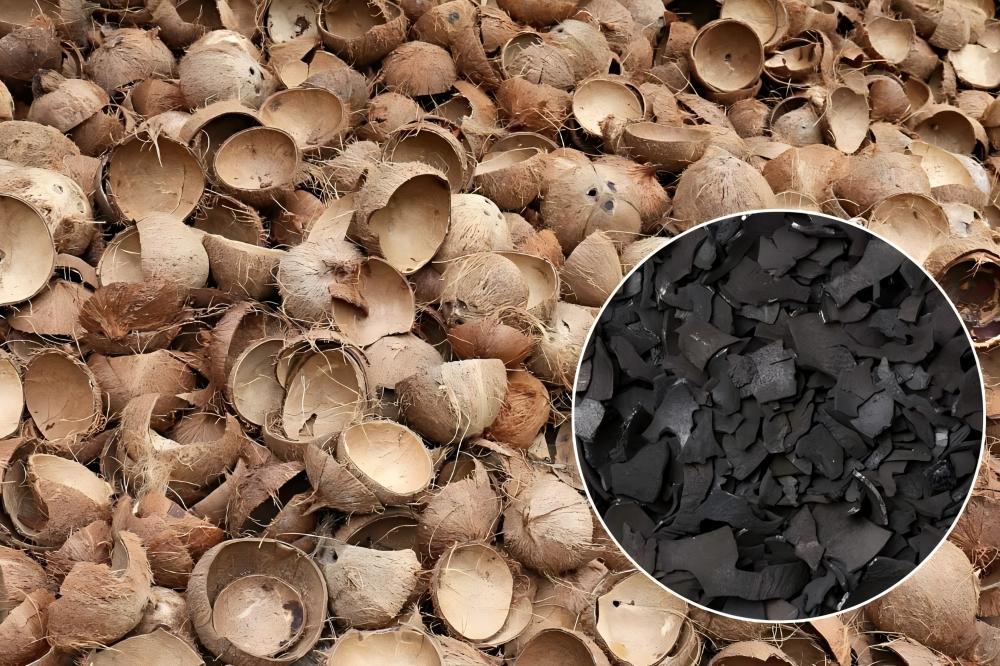
Many suppliers indicate that poor-quality carbon dust (CMS) is the primary cause of carbon dust emissions from PSA nitrogen generators. If the adsorbent is insufficiently strong, it cannot withstand pressure changes within the nitrogen generator. This insufficient strength causes the carbon dust to break down, releasing carbon dust.
- When the carbon dust cannot withstand the pressure, the adsorbent breaks down, allowing dust to enter the system.
- When impurities react with the carbon dust, adsorbent poisoning occurs, making it brittle and more prone to dust generation.
Operators who choose high-quality carbon dust from reputable suppliers can reduce the likelihood of these problems. Purchasers and manufacturers should check the quality of carbon dust before installation.
Inadequate Filtration
Filtration is crucial for preventing CMS dust emissions. If the filtration system fails to effectively remove contaminants, dust and oil can enter the PSA nitrogen generator. These particles can damage the CMS and reduce nitrogen production efficiency.
Tip: Use an advanced filtration system to ensure CMS safety and guarantee nitrogen purity.
A good filtration system removes particles before they reach the CMS. Suppliers recommend regular filter inspections to ensure proper functioning. Custom solutions can utilize pre-filters with 0.01-micron dry filters for optimal protection.
Improper Operation
Improper operation also causes cms ash/dust emission. Operators who run the generator wrong increase the risk of CMS breaking down. Fast pressure changes, wrong cycling, or skipping maintenance make the CMS wear out.
The table below shows common mistakes and what happens:
| Operational Mistake | Effect on CMS |
|---|---|
| Rapid pressure changes | More dust comes out |
| Skipped maintenance | CMS does not last long |
| Incorrect cycling | Nitrogen purity drops |
Manufacturers say staff should be trained and follow supplier rules to avoid these problems. Regular maintenance and checking help CMS last longer and make the nitrogen generator work better.
The impact of CMS Ash/Dust Emission on PSA nitrogen generators
Reduced Nitrogen Purity
Ash and dust generated by CMS reduce the purity of nitrogen. When these particles leave the CMS bed, they can clog the membrane, making gas separation difficult. Operators will notice a decrease in nitrogen quality. Even small amounts of dust can reduce purity by 5%. Suppliers emphasize that monitoring purity levels is crucial to ensure nitrogen meets relevant standards. Some systems use dedicated sensors to continuously monitor purity.
Note: Keeping nitrogen pure helps protect other equipment and keeps products safe.
Equipment Wear and Downtime
Dust generated by the CMS accelerates wear on generator components. Valves, compressors, and diaphragms can all be scratched. Buyers typically request proof of downtime caused by dust. Studies show that poor filtration can increase maintenance frequency by 20%. Worn parts can cause the generator to stop working, increasing maintenance costs. Suppliers recommend regular system inspections to prevent dust buildup.
| Component | Impact of CMS Dust | Maintenance Frequency |
|---|---|---|
| Valves | More scratches | Weekly |
| Compressors | Work less well | Monthly |
| Membrane Separation | System works worse | Quarterly |
Increased Maintenance Needs
The ash and dust generated by the CMS means more work is needed to keep the generator running. Operators need to clean the filters and membranes more frequently. Many manufacturers report that dust has increased their maintenance frequency by 30%. Customized solutions can help reduce long downtime and extend generator uptime. Suppliers recommend using high-quality CMS to reduce dust generation and maintain stable nitrogen concentrations.
Tip: Plan regular checks to keep the system working well and nitrogen pure.
Preventing CMS Ash/Dust Emission
Air Prefiltration and Dry Filters
Air pre-filtration helps protect the carbon molecular sieve in the nitrogen generator. Operators use special coalescing filters to remove oil and fine particles from the air. These filters remove virtually all particles, even those as small as 0.01 microns. Clean air prevents the emission of ash/dust from the carbon molecular sieve and maintains the stability of the pressure swing adsorption process. The supplier recommends regular inspection and replacement of the filters to keep the air clean and extend the generator’s lifespan.
- Coalescing filters remove oil and water vapor.
- Particulate filters capture dust and solid particles.
- Adsorption filters adsorb trace amounts of gas.
| Filter Type | Replacement Frequency |
|---|---|
| Particulate Filters | Every 6-12 months |
| Coalescing Filters | Every 6-12 months |
| Adsorbing Filters | Every 6-12 months |
Operators who follow these steps make sure nitrogen gas is always produced. This also lowers downtime. Clean air helps gas separation work well and keeps the CMS safe.
Regular Maintenance Practices
Routine maintenance ensures proper operation of the nitrogen generator. Technicians inspect valves, compressors, and filters to prevent dust buildup. Scheduled cleaning and filter replacement maintain clean air and reduce CMS ash/dust emissions. The maintenance team monitors nitrogen purity and checks the CMS for signs of wear. The supplier recommends logging filter replacements and system checks.
Tip: A maintenance log helps operators identify problems early and prevent sudden malfunctions.
Regularly maintained generators produce high-quality nitrogen and maintain stable gas separation. Wholesale suppliers sometimes offer customized maintenance solutions based on specific needs. Regular system checks help extend the CMS’s lifespan and improve generator reliability.
Choosing Quality CMS
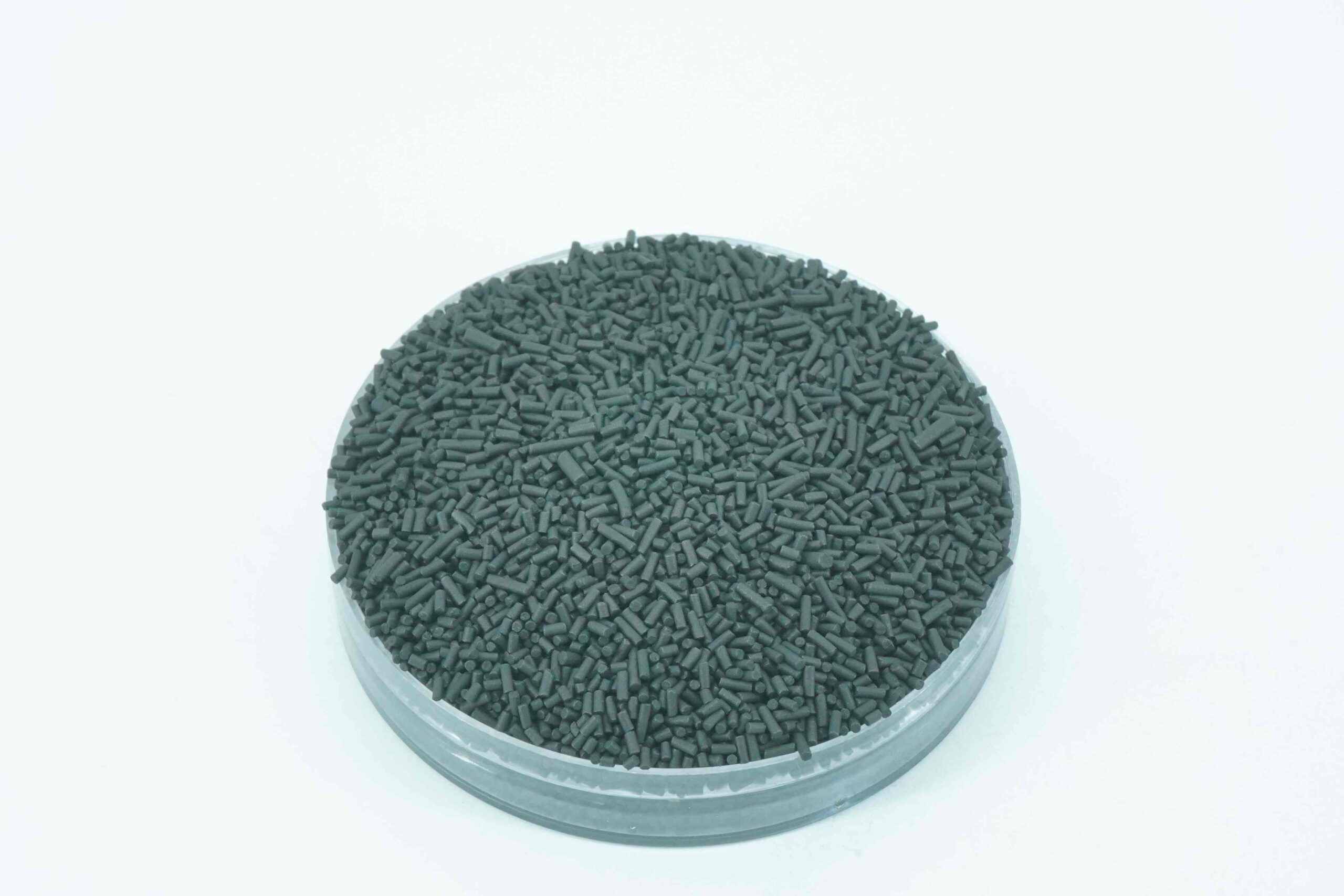
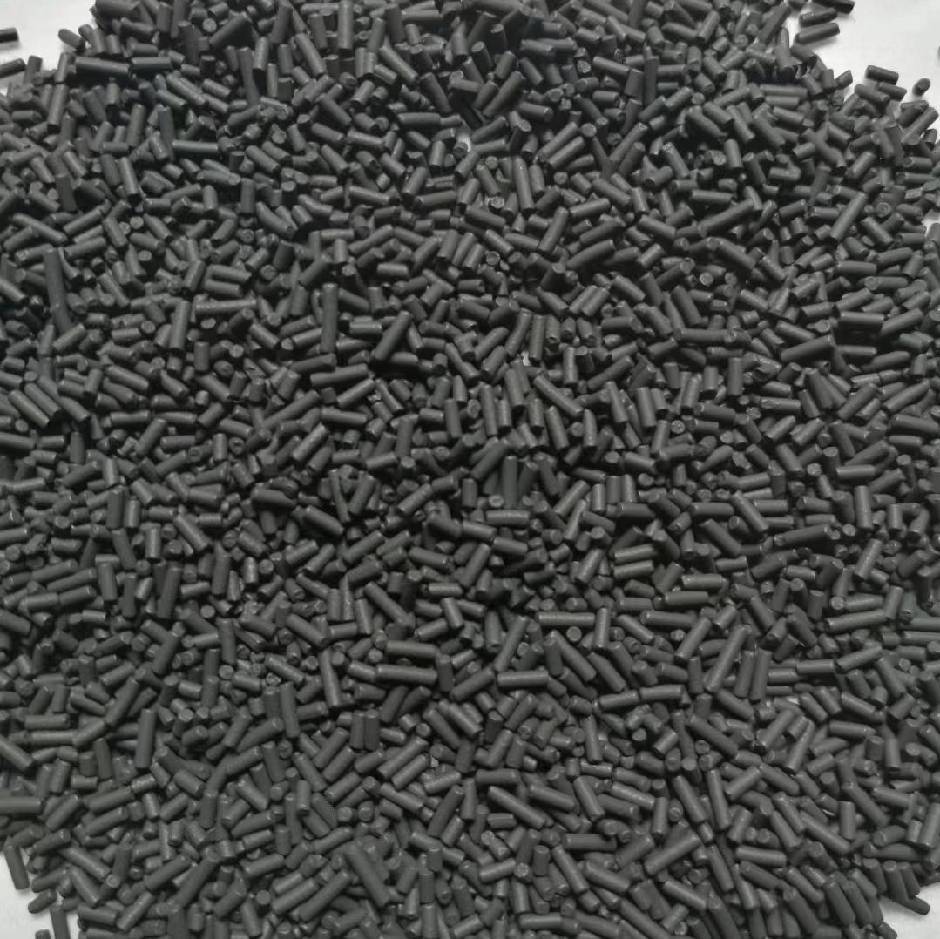
Choosing high-quality carbon molecular sieves (CMS) is crucial for preventing carbon molecular sieve dust emissions. Manufacturers and suppliers state that carbon molecular sieves should possess high strength and good selectivity. These characteristics help reduce dust and improve gas separation efficiency. YUANHAO carbon molecular sieves are specifically designed for PSA nitrogen generators. Yuanhao is a trusted supplier with over ten years of experience. Their carbon molecular sieves are high in purity, have a long service life, and ensure stable production performance.
| Characteristic | Description |
|---|---|
| High Selectivity | Separates O₂ and N₂ very well. |
| High Specific Surface Area | Has lots of space inside for adsorption. |
| Hydrophobicity | Does not adsorb much water vapor, works well in humid places. |
| High Mechanical Strength | Handles pressure changes, does not break easily. |
| Good Chemical Stability | Stays strong against acids, alkalis, and heat. |
| High Economic Efficiency | Costs less, starts up fast, and saves money. |
Different CMS grades change how long the generator lasts and how well it works. Operators who pick CMS-B grade can use it for up to 15 years. It gives the best productivity and needs less air. Wholesale suppliers like YUANHAO offer custom solutions to make nitrogen generators work better and lower maintenance costs.
| CMS Grade | Lifespan (Years) | Efficiency (Productivity/Air Demand) |
|---|---|---|
| CMS-A | 2 | High productivity at short cycles |
| CMS-B | 15 | Highest productivity, lowest air demand |
| CMS-D | <1 | Poor separation effectiveness |
Manufacturers and suppliers say buying quality CMS keeps nitrogen pure and makes production reliable. Operators who use advanced CMS get better gas separation and less downtime.
Solutions for Existing CMS Ash/Dust Issues
When operators see cms ash or dust in a nitrogen generator, they must act fast. This keeps nitrogen gas pure and helps the generator work well.
Upgrading Filtration Systems
Manufacturers state that higher-quality filters can prevent dust from entering the CMS bed. Operators can use advanced filters to capture extremely fine particles and oil contaminants. These filters protect the CMS and help maintain stable nitrogen production. Regular inspection and replacement of filters ensures proper generator operation.
Tip: Higher-quality filters can reduce maintenance costs by 20% and extend generator life.
Cleaning and Replacing Components
If dust gets inside, operators should clean the system step by step:
- Turn off the nitrogen generator and let out the gas safely.
- Open the manhole on the adsorption tower and take out powder and broken cms.
- Check dryers and filters for problems. Fix or change any bad parts.
- Put in new cms, reload it, and pack it evenly.
- Change settings like pressure time and heat to stop future problems.
These steps help the generator work better and keep making good nitrogen gas.
Monitoring and Early Detection
Finding problems early stops big issues. Operators should use tools to check nitrogen purity and watch for pressure changes. Looking at important parts like air heaters and dust collectors can show early damage or leaks. Suppliers like YUANHAO give help, check equipment, and offer service after buying. These services help find problems, plan repairs, and keep nitrogen production steady.
Note: Talking to a trusted cms supplier like YUANHAO gives expert help, custom fixes, and good support for long-lasting generator use.
Manufacturers and suppliers can stop CMS ash and dust by taking some steps. They need to pick strong CMS to separate oxygen well. Good filters keep oil and dust away from the CMS. Doing regular maintenance helps the system work better and break less. Checking the system often stops big repairs and keeps nitrogen pure. Wholesale buyers who follow these tips use their equipment longer and have fewer problems. Experts can help make custom plans for better results and long-lasting machines.
FAQ
What causes CMS ash or dust in PSA nitrogen generators?
Manufacturers say ash or dust happens for a few reasons. Poor CMS quality, weak filters, or using the generator wrong can cause problems. Suppliers say to use good carbon molecular sieves and strong filters. This helps stop ash or dust from forming.
How often should operators replace filters in PSA nitrogen generators?
Most suppliers say to change particulate, coalescing, and adsorbing filters every 6 to 12 months. Changing filters often keeps nitrogen pure. It also protects the CMS from dust.
Can using YUANHAO Carbon Molecular Sieves reduce maintenance costs?
Yes. Wholesale buyers see that YUANHAO Carbon Molecular Sieves are strong and stable. This means less dust comes out. It also means less maintenance and longer equipment life.
What steps should operators take if they notice CMS dust emission?
Operators should turn off the generator right away. They need to clean the adsorption tower and replace any broken CMS. Upgrading filters is also important. Talking to a trusted supplier gives the right help and custom fixes.
Why is regular maintenance important for PSA nitrogen generators?
Regular maintenance stops dust from building up. It keeps nitrogen pure and helps avoid expensive repairs. Checking the system on a schedule makes the CMS and generator last longer.