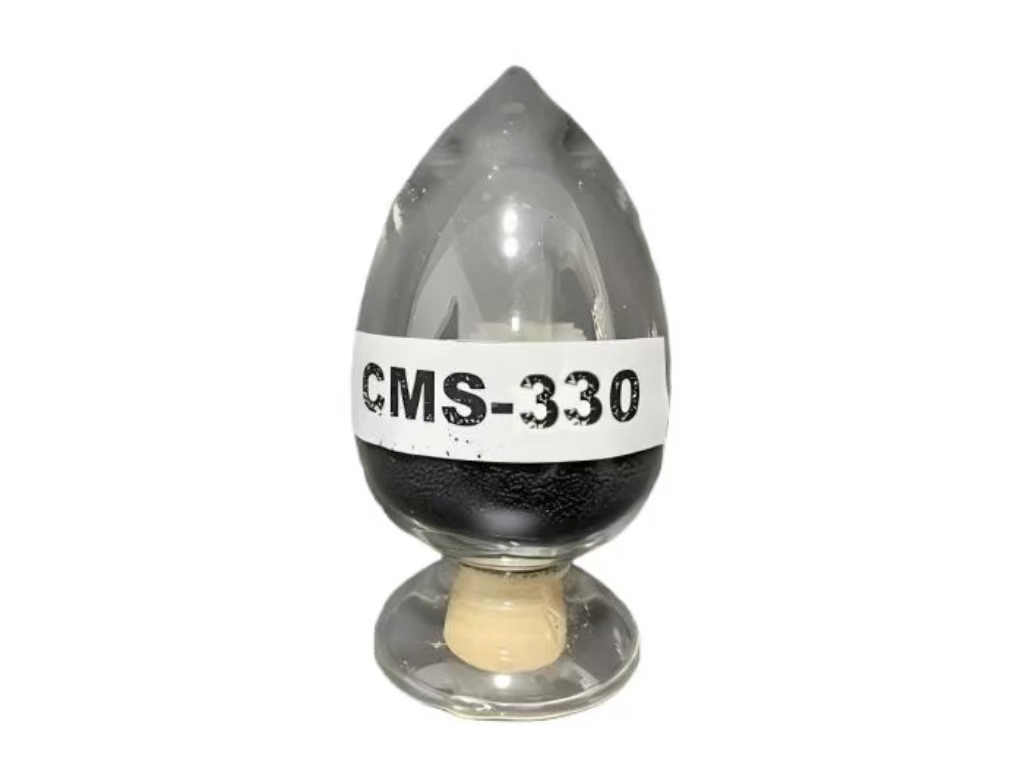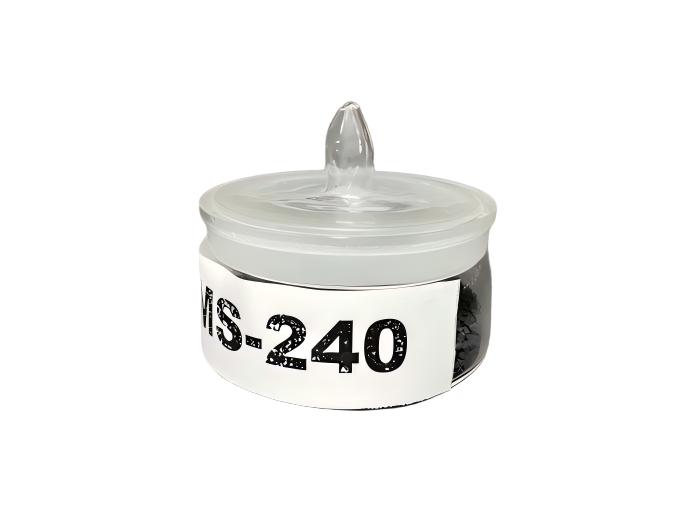
Delamination — the separation of adjacent layers within a carbon molecular sieve (CMS) — degrades gas separation performance and shortens service life. It occurs when internal stresses exceed the bonding strength between material layers.
Thermal stress from rapid temperature swings during regeneration is the primary cause, with mechanical fatigue, chemical attack, and manufacturing defects also contributing to failure. This guide breaks down the underlying mechanisms of each failure mode, explains how material and process choices influence durability, and shares actionable prevention strategies for both operators and CMS manufacturers.
Key Takeaways
- Fast temperature changes during regeneration create thermal stress, the leading driver of layer separation in CMS materials.
- Repeated pressure cycling and vibration cause mechanical fatigue that weakens interlayer bonds over thousands of cycles.
- Moisture and acidic gases degrade binders and attack the carbon framework, accelerating delamination over time.
- Pyrolysis and forming defects create inherent weak points that become initiation sites for layer separation.
- Delamination can be slowed dramatically with slow regeneration ramps, dry feed gas pretreatment, and careful material handling.
1. Thermal Stress: The Leading Cause of Delamination
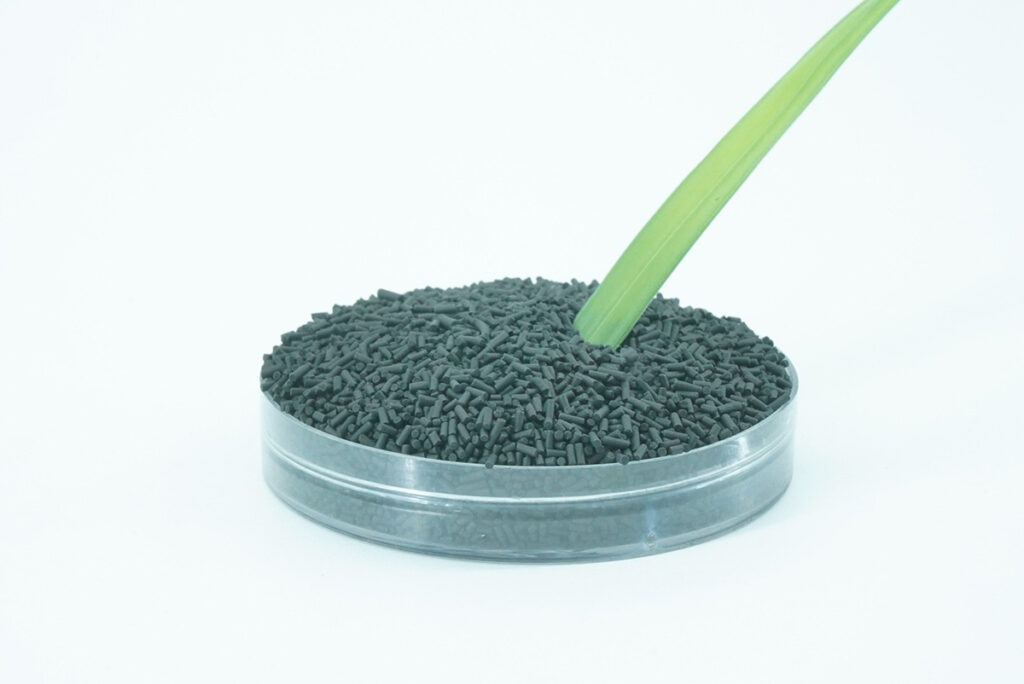
Thermal stress accounts for the majority of CMS delamination failures. Every regeneration cycle causes the material to expand and contract, and mismatched thermal behavior between adjacent layers builds stress at the interface.
Thermal Expansion Mismatch
CMS membranes typically pair a thin selective carbon layer with a porous support layer. These two materials have different thermal expansion coefficients: when heated, each layer grows by a different amount; when cooled, they shrink at different rates. The bond between layers must absorb this uneven movement.
Over repeated cycles, fatigue accumulates at the interface. Microcracks form first along the layer boundary, and once a crack propagates through the selective layer, gas bypasses the separation structure and performance drops sharply. The same effect occurs within bulk CMS pellets, where binder regions and carbonized domains expand at different rates.
Rapid Temperature Swings During Regeneration
In pressure swing adsorption (PSA) systems, fast heating and cooling create steep thermal gradients across each pellet: the outer shell heats or cools before the inner core. This adds transient shear stress on top of the steady expansion mismatch stress.
Each regeneration cycle acts as a small fatigue load. After thousands of cycles, cumulative damage causes layer separation. Slower, more controlled temperature ramps reduce the gradient and drastically extend service life.
How Pyrolysis Temperature Shapes Structural Stability
Pyrolysis temperature directly controls the turbostratic carbon structure and how it responds to thermal cycling. Higher temperatures produce a more compact, tightly stacked structure with greater rigidity, but also lower gas permeability.
| Parameter | Pyrolysis at 600 °C | Pyrolysis at 700 °C |
|---|---|---|
| Turbostratic structure | Graphene-like amorphous strands with micro/ultramicropores | More compact, denser structure |
| Average stacking number (N) | Lower | Increases |
| Crystallite thickness (Lc) | Lower | Increases |
| Layer plane size (La) | Smaller | Increases |
| Pure gas permeability | 3–5× larger than precursor | O₂/CO₂ drops 10–50%; N₂/CH₄ falls 44%/67% |
Controlled carbonization paired with proper precursor stabilization produces a more predictable, thermally stable material. Stabilization is a critical quality gate: a consistent, slow ramp prevents skin-core defects and reduces inherent weak points that fail under thermal cycling.
2. Mechanical Fatigue & Physical Impact
Thermal stress often initiates microcracks, but mechanical loads propagate them and accelerate full layer separation.
Repeated PSA Pressure Cycling
PSA beds pressurize and depressurize many times per day. Each cycle squeezes and relaxes the CMS pellet, causing small amounts of flexure in the material. Individually, each bend is negligible; over thousands of cycles, it accumulates as fatigue damage.
Cracks initiate at pre-existing weak points and spread along layer boundaries. CMS membranes in the same bed experience identical cyclic loading, so fatigue-resistant bonding and a dense, uniform structure are critical design requirements. Inlet-side materials see the steepest pressure swings and require extra inspection attention.
Vibration, Transport & Handling Damage
Shock and vibration during shipping and installation are common sources of hidden damage. Truck vibration, rough loading, or impact can create microcracks at layer interfaces that are invisible on inspection but spread rapidly once the material enters service. Edges of CMS membranes are particularly vulnerable to impact damage.
Once installed, compressor and piping vibration add steady low-level stress. Proper vessel mounting and vibration isolation reduce this load. Higher-quality, more uniformly stabilized CMS material handles transport shock better than defect-prone material, but careful handling is always required.
3. Chemical Attack & Contamination
Chemical impurities in the feed gas attack interlayer bonding from within, weakening the interface long before any visible damage appears.
Moisture & Acidic Gas Exposure
Water vapor is a ubiquitous feed impurity. It adsorbs onto the CMS and penetrates the binder phase, causing slight swelling. During regeneration, drying shrinks the binder again. This repeated wet-dry cycle gradually loosens bonds between adjacent layers.
Acidic gases such as CO₂ and sulfur compounds add a second degradation pathway: they react with reactive sites on the carbon surface and with binder components. Reaction products occupy volume and push layers apart from the inside out. Operators can drastically slow this damage by drying feed gas and removing acid impurities upstream.
Binder Degradation
The binder holds carbon particles and layers together as a cohesive structure. Strong acids and oxidizing agents can break chemical bonds within the binder itself, causing it to become brittle, powdery, and lose adhesive strength. Layer separation follows quickly. In severe cases, the attack can extend beyond the binder and degrade the carbon framework itself, leading to pellet disintegration.
Material selection should always match binder chemistry to the expected gas composition. For acidic service, a chemically resistant binder formulation is required. Stabilization during manufacturing creates a more uniform binder cure, but it cannot compensate for a fundamentally incompatible gas environment.
4. Manufacturing Defects & Material Inconsistencies
Defects created during production act as built-in failure initiation points. They often determine where and how quickly delamination occurs in service.
Carbonization & Pyrolysis Defects
Pyrolysis converts polymer precursor into disordered carbon through thermal decomposition, condensation, and aromatization. Volatile byproducts are released, and the polymer chains rearrange into turbostratic stacked carbon plates.
Carbonization temperature controls the degree of structural order and defect density, as measured by Raman spectroscopy:
| Pyrolysis Temperature | Raman Observation | Structural Meaning |
|---|---|---|
| 800 °C | D and G bands present, shallow valley | Higher defect density, less ordered matrix |
| 900 °C | Valley begins to deepen | Balance of defects and ordering |
| 1000 °C | Deeper valley | Fewer defects, extended sp² domains |
| 1100 °C | Deepest valley, reduced D–G separation | Most ordered graphitic structure, lowest defect density |
Raising temperature from 800 to 1100 °C reduces defect density and improves structural integrity, but excessive heat can cause partial pore collapse. Too many defects in the carbon layer greatly increase susceptibility to delamination under cyclic load.
Forming & Binder Distribution Flaws
Extrusion and forming inconsistencies create weak zones. Uneven binder distribution leaves areas with poor interlayer bonding that crack first under pressure cycling.
Crush strength is a common quality metric for bulk CMS pellets. For example, CMS-280 grade material has a rated crushing strength of ≥80–100 N per piece, providing high abrasion resistance and longer service life in PSA operation. Low-strength particles break down into fines that block valves and increase pressure drop. Buyers can use crush strength, pore size verification (0.28–0.38 nm), and moisture content (<0.8%) as incoming inspection criteria.
How to Prevent CMS Delamination
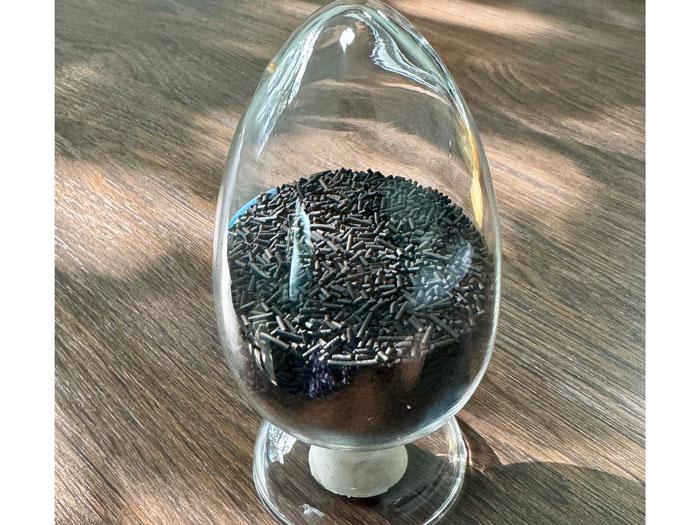
Delamination cannot be eliminated entirely, but its onset can be delayed dramatically by addressing both operational practices and material quality.
Optimize Operating & Regeneration Conditions
- Slow regeneration temperature ramps: Gradual heating and cooling reduce thermal gradients across pellets, eliminating the largest source of interface stress.
- Dry feed gas and control dew point: Removing moisture eliminates wet-dry cycle damage to the binder.
- Remove acidic impurities upstream: Pretreatment prevents chemical attack on binder and carbon surfaces.
- Reduce mechanical vibration: Isolate vessels from compressor and piping vibration.
- Handle material carefully: Use proper packaging for shipping, inspect shipments on arrival, and store material dry and undisturbed.
Improve Manufacturing & Material Quality
- Use high-stability PAN precursor: A thermally stable precursor yields a stronger, more uniform carbon structure.
- Implement controlled stabilization: A slow, consistent stabilization profile prevents skin-core defects and reduces reactive edge sites.
- Optimize carbonization: Controlled pyrolysis balances defect density, pore structure, and structural rigidity.
- Ensure uniform binder distribution: Consistent forming processes eliminate weak bonding zones.
- Consider protective coatings: Surface coatings can improve moisture and chemical resistance for harsh service environments.
FAQ
What causes the first crack in a carbon molecular sieve?
Thermal stress initiates nearly all initial cracks. Rapid heating and cooling during regeneration cause adjacent layers to expand and contract at different rates, building stress at the interface until microcracks form. Mechanical and chemical factors then propagate those cracks over time.
How does precursor stabilization affect layer bonding?
A well-controlled stabilization process prevents skin-core defects and produces a more uniform density material with fewer inherent weak points. Poor stabilization creates internal defects that become delamination initiation sites under cyclic load.
Can a CMS membrane fail without visible damage?
Yes. Impact during transport often creates hidden microcracks that are not visible externally. Pressure cycling then propagates these cracks along layer boundaries, causing separation performance to drop while the material appears intact. Regular performance monitoring catches early damage before visible failure occurs.
Which operating conditions accelerate delamination the most?
Fast regeneration temperature ramps, wet feed gas, and acidic impurities are the three biggest operational accelerants. Compressor vibration and frequent pressure cycling also contribute. Slow ramps and feed gas pretreatment are the most impactful steps operators can take.
How does carbonization temperature affect structural integrity?
Higher carbonization temperatures generally reduce defect density and produce a more ordered, rigid carbon structure. Excessively high temperatures, however, can collapse pore structure. Controlled carbonization paired with proper stabilization creates the most durable balance of separation performance and mechanical integrity.