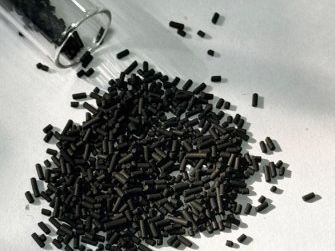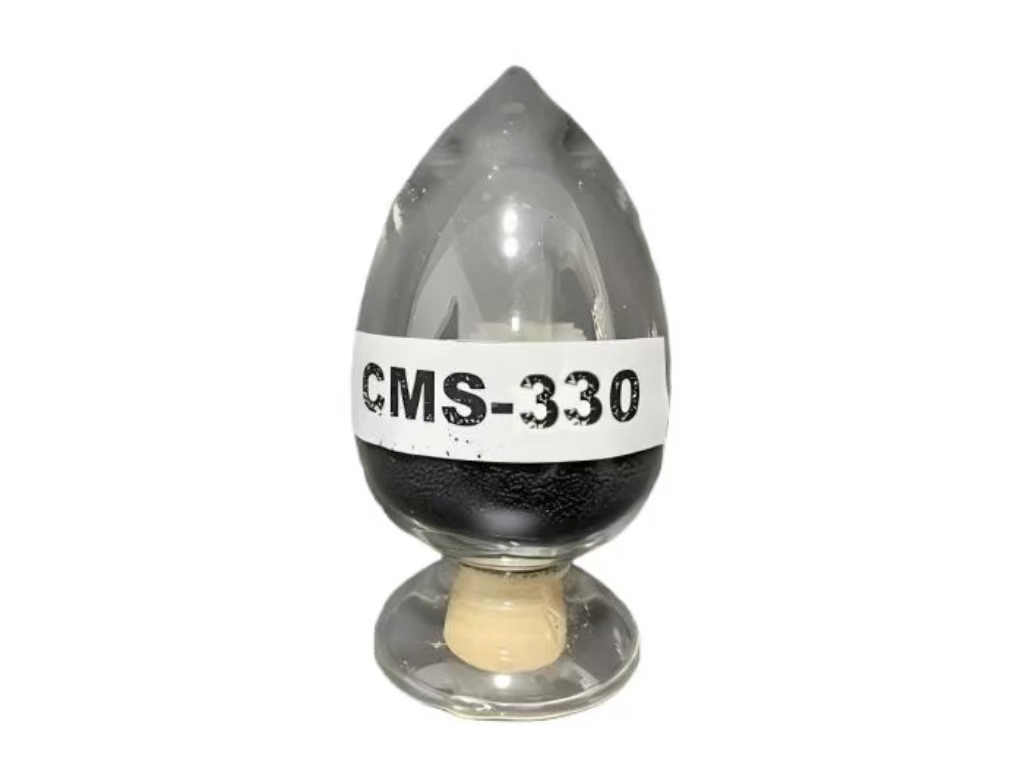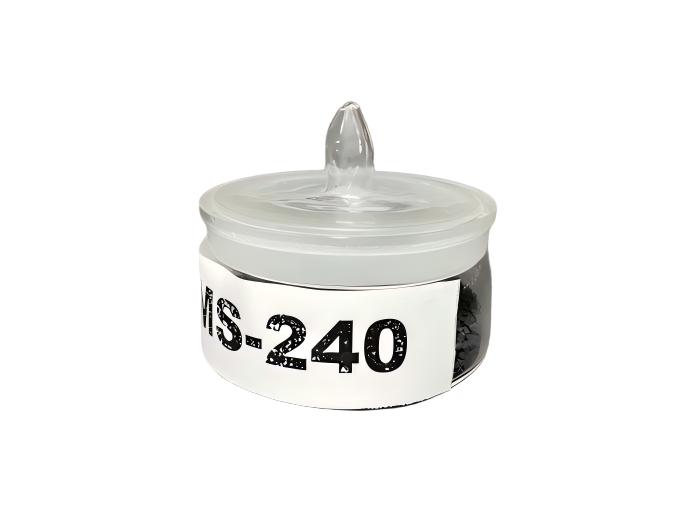
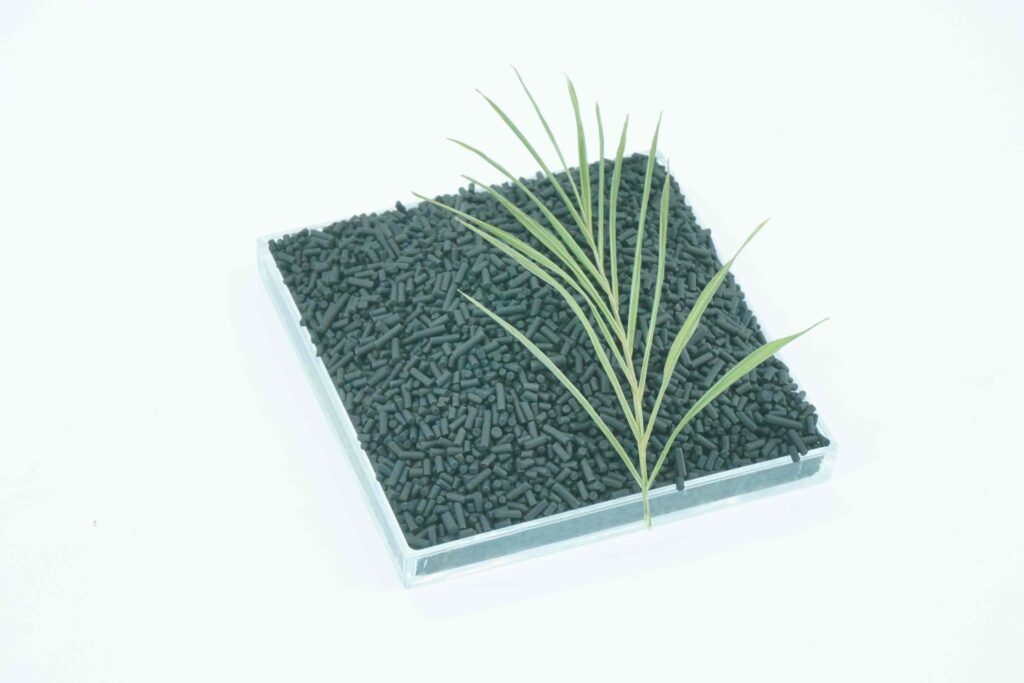
Strict, repeatable control over carbonization and activation conditions is the single most critical precaution in carbon molecular sieve (CMS) manufacturing. High-temperature heat treatment directly determines the pore selectivity, mechanical hardness, and gas separation performance of the final product. Even minor drift in temperature or furnace atmosphere can weaken adsorption efficiency and shorten service life.
Risks exist across every production stage — from raw material sourcing to post-treatment, screening, testing, and regulatory compliance. A lapse at any step degrades finished CMS performance. When controlled properly, the process delivers fewer batch failures, consistent gas separation results, and safe, compliant operations for nitrogen generation and other high-demand applications.
Key Takeaways
- Tight control of carbonization and activation parameters is the foundation of consistent CMS quality.
- Precursor selection and standardized preprocessing directly determine pore structure uniformity and separation selectivity.
- CMS must be kept dry and free of oil contamination to prevent pore blockage and permanent capacity loss.
- Documented SOPs and routine in-process checks ensure batch-to-batch consistency and regulatory compliance.
- Every production stage impacts final adsorption performance and long-term gas separation reliability.
1. Raw Material Selection and Handling for Carbon Molecular Sieve
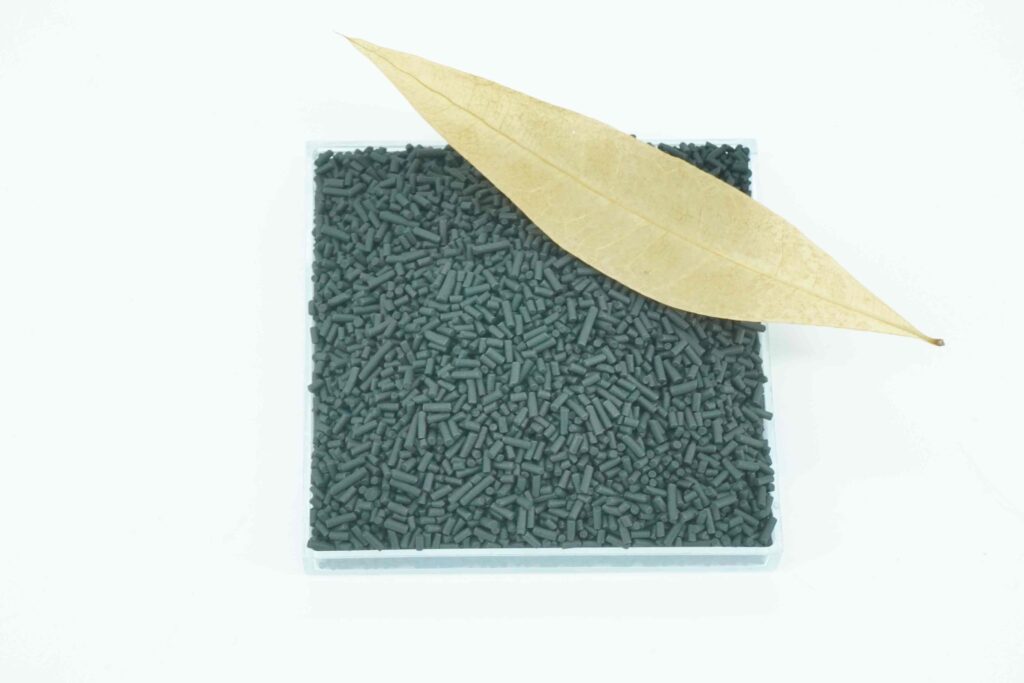
Precursor choice sets the baseline for pore structure and separation behavior. CMS is typically produced from coal, coconut shell, or synthetic polymers, each of which carbonizes differently and yields distinct adsorption properties.
| Precursor Type | Pore Structure & Performance Notes |
|---|---|
| Coal, coconut shell | Forms slit-shaped pores around 20 Å, delivering higher gas separation selectivity than standard activated carbon |
| Coal tar pitch, polymer resins | Higher batch-to-batch compositional variation; requires standardized preprocessing to stabilize pore structure |
Uniform input material is a prerequisite for uniform output. Controlled grinding, purification, and preprocessing steps minimize feedstock variability before the material enters the furnace.
Storage and handling precautions
- Moisture control: Store raw materials and intermediate products in sealed, dry conditions. At relative humidity above 65 %, water molecules compete for adsorption sites and can reduce CMS performance by up to 30 %. The optimal storage humidity range is 20–40 % RH.
- Oil and liquid water prohibition: Oil and free liquid water must be excluded at every handling stage. Liquid water immediately fills adsorption sites and reduces capacity; oil causes permanent pore clogging, especially during thermal regeneration. Oil-laden gas must never come into contact with the CMS bed.
2. Carbon Molecular Sieve Carbonization Temperature and Atmosphere Control
Carbonization (pyrolysis) forms the carbon skeleton and initial pore network of the CMS. This stage requires precise furnace control to deliver uniform pore size distribution and consistent mechanical strength.
Small temperature fluctuations during pyrolysis shift the final pore size distribution and specific surface area of the material. Uncontrolled heating creates uneven pores, which in turn cause unpredictable selectivity and variable performance across batches.
Core control requirements
- Strictly regulate furnace temperature, heating rate, and protective atmosphere across the full pyrolysis cycle.
- Use calibrated, continuously monitored temperature sensors to detect drift early.
- Maintain consistent furnace pressure and gas composition to ensure uniform reaction conditions.
Stable carbonization creates a homogeneous carbon matrix with evenly distributed initial pores, which is the necessary foundation for precise activation in the next stage.
3. Carbon Molecular Sieve Activation Degree and Pore Structure Control
Activation is the process that fine-tunes pore opening dimensions and ultimately determines gas separation selectivity. This step refines the initial pore network from carbonization into the size-specific sieve structure that differentiates CMS from ordinary activated carbon.
Critical control points
- Precisely control activation intensity (temperature, time, and activating agent flow) to target the exact pore opening size required for the intended separation application.
- Verify that activation is uniform across the full bed to avoid performance gradients within a single batch.
- For regenerated CMS, strictly enforce defined regeneration temperatures. Excessive heat widens pore openings permanently, destroys size selectivity, and reduces adsorption capacity.
Activation is the stage that turns porous carbon into a functional molecular sieve. Even small deviations in activation degree can shift separation efficiency enough to make the product unfit for its intended use.
4. Carbon Molecular Sieve Post-Treatment and Contamination Prevention
After thermal processing, CMS goes through screening, grading, and final handling. This stage protects the finished pore structure from damage and contamination before packaging and shipment.
Post-processing precautions
- Screen and grade finished CMS to ensure uniform particle size, which supports even gas flow and consistent bed performance in use.
- Package finished product immediately in sealed, moisture-barrier containers to prevent moisture uptake during storage and transit.
- Maintain strict separation between processing areas for different CMS grades to avoid cross-contamination.
Contamination risk mitigation
- Moisture: Reseal opened drums immediately. Keep finished product in controlled-humidity storage to preserve adsorption capacity.
- Oil and grease: Ensure all handling equipment, containers, and transfer systems are free of oil residue. Oil contamination is largely irreversible once it penetrates the pore structure.
- Liquid water: Prevent direct contact with liquid water at all stages. Vapor-phase humidity is less damaging than free liquid, but both reduce effective adsorption capacity.
5. Carbon Molecular Sieve Quality Control and Batch Consistency
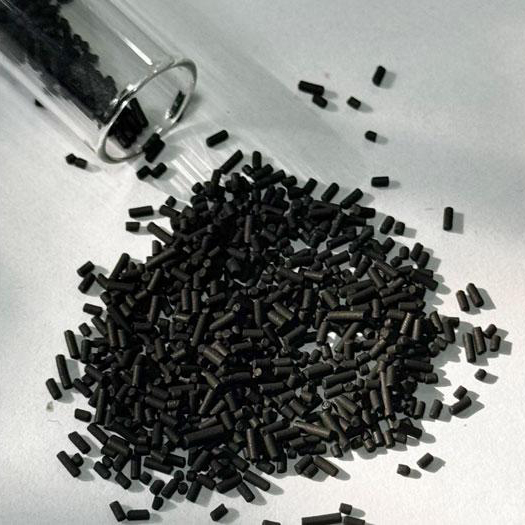
Systematic quality control is the only way to guarantee repeatable CMS performance across production runs. It turns artisanal furnace operation into a scalable, reliable manufacturing process.
Core QC practices
- Document all production parameters in formal standard operating procedures (SOPs), covering raw material inspection, furnace settings, activation parameters, and post-treatment steps.
- Perform in-process checks at each stage: feedstock composition verification, real-time furnace temperature and atmosphere monitoring, and finished-product adsorption performance testing.
- Maintain full batch traceability, so that any performance drift can be traced back to a specific process parameter and corrected quickly.
Routine quality audits catch process drift before out-of-spec product reaches customers. For high-volume production, statistical process control (SPC) methods further stabilize output and reduce batch failure rates.
6. Carbon Molecular Sieve Production Safety and Environmental Compliance
High-temperature thermal processing and chemical handling create specific safety and environmental obligations for a CMS manufacturer. These precautions help protect workers and surrounding ecosystems.
Key requirements
- Workplace safety: Implement proper safeguards for high-temperature furnace operation, including thermal protection, gas leak detection, and emergency shutdown procedures.
- Emission control: Collect and treat pyrolysis off-gas and activation exhaust to meet local air quality regulations.
- Waste management: Dispose of process waste, spent screening material, and off-spec product according to hazardous waste rules where applicable.
- Regulatory alignment: Ensure production practices and product specifications meet relevant industry and market standards for industrial adsorbents.
FAQ
Why does moisture damage carbon molecular sieves before use?
Water molecules compete with target gases for adsorption sites inside the narrow CMS pores. At relative humidity above 65 %, performance can drop by up to 30 %. Opened drums should be resealed immediately, and storage should be maintained at 20–40 % RH.
How does precursor choice affect CMS gas separation performance?
Coal and coconut shell feedstocks form slit-shaped pores around 20 Å, giving CMS better size selectivity than ordinary activated carbon. Synthetic polymers and coal tar pitch have higher batch-to-batch variability, so they require standardized preprocessing to deliver consistent pore structure.
What happens if carbonization temperature drifts during production?
Even small temperature swings during pyrolysis shift the pore size distribution and specific surface area of the finished CMS. Stable, repeatable furnace settings are required to produce uniform pores and predictable separation selectivity run after run.
Why is oil contamination strictly prohibited in CMS beds?
Oil blocks the narrow micropores of carbon molecular sieves, and the damage becomes worse during thermal regeneration. Blocked pores permanently lose adsorption capacity and weaken separation efficiency. Oil-containing gas must never be fed into a CMS separation bed.
How do manufacturers ensure consistent CMS quality across batches?
Consistency comes from documented SOPs covering every production stage: raw material handling, furnace parameters, activation control, screening, and final testing. Routine in-process checks catch drift early, and full batch traceability supports root-cause correction if issues arise.