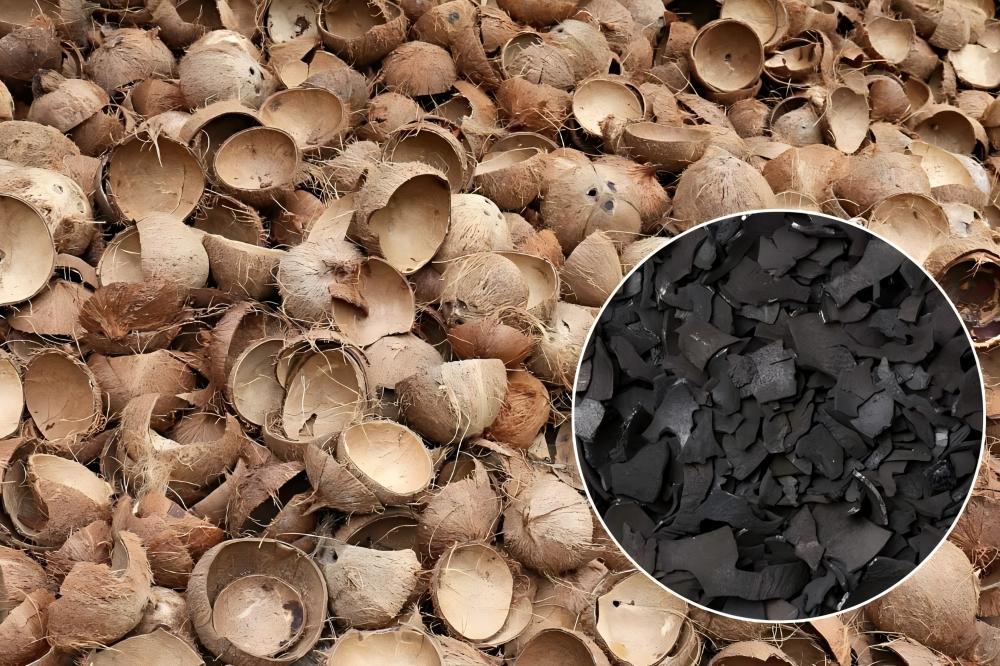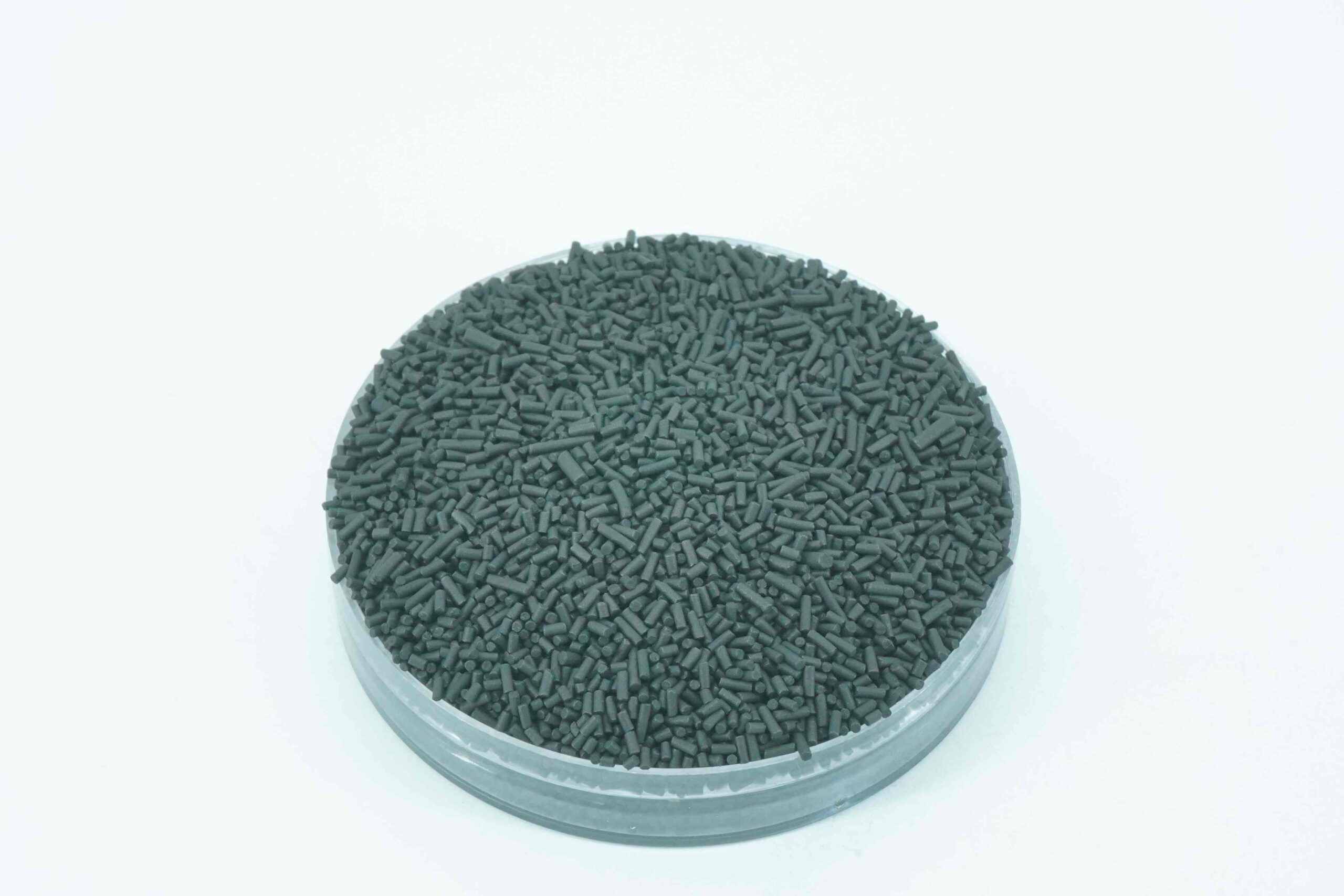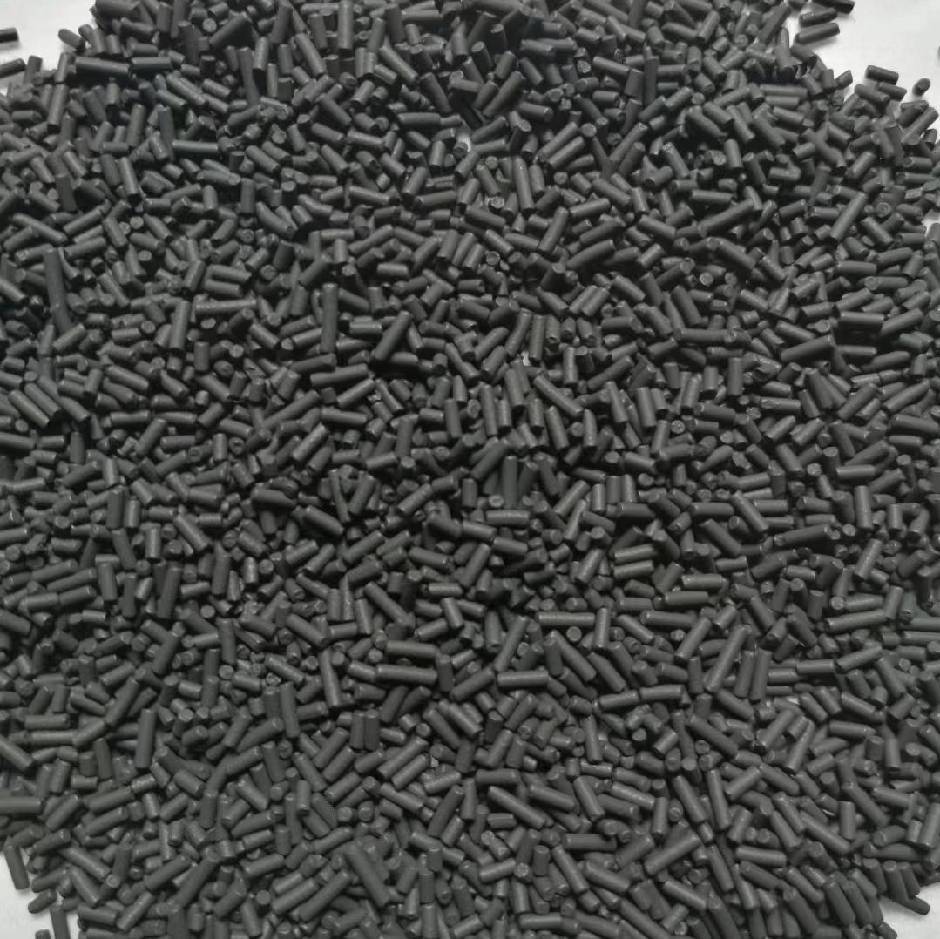
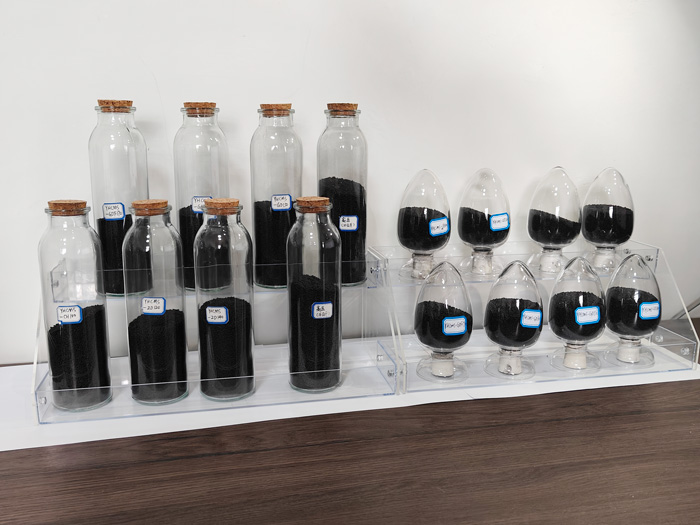
Carbon molecular sieves are a special type of material. They can separate gas molecules based on size, primarily used for nitrogen production. Their tiny, uniform pores rapidly trap oxygen molecules, while nitrogen molecules cannot. This makes carbon molecular sieves crucial in gas separation. Many companies utilize carbon molecular sieves to obtain pure nitrogen for product manufacturing and packaging.
- In 2025, the carbon molecular sieve market was valued at $1.07 billion.
- Experts predict that the market size will reach $1.13 billion by 2026.
- They believe that the market size is expected to reach $1.71 billion by 2032, maintaining steady annual growth.
Key Takeaways
- Carbon molecular sieves can separate gas molecules based on size, thus producing pure nitrogen.
- The extremely small pores of carbon molecular sieves allow for the trapping of smaller oxygen molecules, while larger nitrogen molecules can pass through.
- Using carbon molecular sieves for pressure swing adsorption (PSA) can rapidly produce nitrogen, saving energy and costs.
- Carbon molecular sieves can produce high-purity nitrogen, with purities reaching up to 99.999%. This is crucial for electronics and food packaging.
- Using carbon molecular sieves instead of traditional methods can reduce carbon emissions and help protect the environment.
How Carbon Molecular Sieve Works
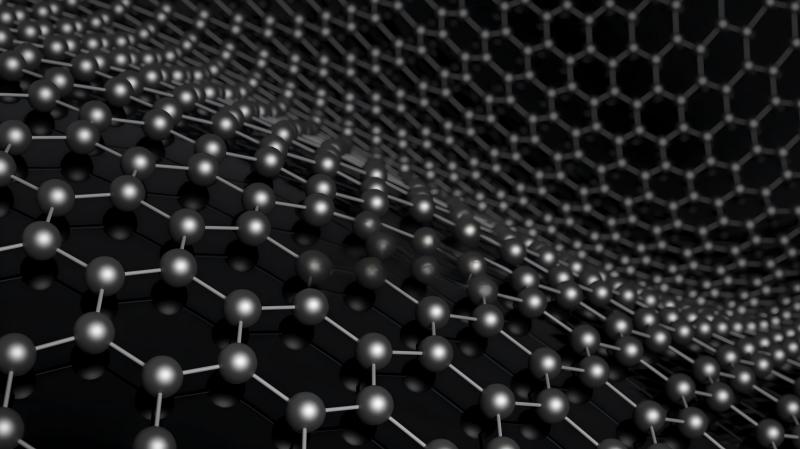
Principle of Molecular Sieving
Carbon molecular sieves separate gases using the molecular sieve principle. This means they classify gases based on the size and velocity of molecules. Oxygen molecules are smaller and move faster than nitrogen molecules. When air passes through a molecular sieve, oxygen is initially trapped in the tiny pores. Nitrogen molecules are larger and move slower, so they pass through the molecular sieve. This helps the molecular sieve efficiently collect nitrogen.
- PSA technology utilizes adsorption. This means gas molecules are adsorbed onto the surface of the molecular sieve.
- Molecular sieves have fine and uniform micropores. These micropores help to selectively separate specific gases.
- Kinetic selectivity allows molecular sieves to distinguish different gases based on their diffusion rates.
| Principle | Description |
|---|---|
| Selective Adsorption | Smaller molecules go through pores, but bigger ones cannot. |
| Molecular Diffusion Rates | Speed differences help split oxygen and nitrogen. |
| Pore Size | Pores between 0.28-0.38 nm let oxygen in fast but slow down nitrogen. |
Structure and Pore Size
The structure of carbon molecular sieves is crucial for gas separation. Molecular sieves have a network of tiny pores called micropores. The size and shape of these pores are precisely controlled. If the pore size is too small, only extremely small molecules can enter. If the pore size is too large, the molecular sieve cannot effectively separate gases.
Most commercially available molecular sieves have pore sizes between 0.3 and 0.7 nanometers. This size facilitates the passage of oxygen while preventing nitrogen from entering. The uniformly distributed pore size allows molecular sieves to separate gases efficiently. The shape and size of the pores determine which gases can enter the sieve.
| Component | Kinetic Diameter | Behavior |
|---|---|---|
| Oxygen (O2) | Smaller | Moves in fast and sticks to the sieve. |
| Nitrogen (N2) | Larger | Moves in slowly and comes out as product gas. |
PSA Nitrogen Generation
Pressure Swing Adsorption (PSA) utilizes carbon molecular sieves to produce nitrogen. PSA works by alternately applying high and low pressures. Under high pressure, compressed air enters a tank containing molecular sieves. Oxygen is adsorbed into the pores. Nitrogen is discharged as a product gas. When the pressure drops, the sieve releases oxygen, preparing for nitrogen production again.
The PSA nitrogen production process steps are as follows:
- Compressed air enters the sieve bed.
- Oxygen is retained in the pores because it permeates more easily.
- Nitrogen is discharged as a product gas.
- Pressure drops to expel oxygen and clean the sieve.
YUANHAO carbon molecular sieves are crucial in pressure swing adsorption (PSA) systems. These molecular sieves operate at high speeds and can produce nitrogen with a purity of up to 99.999%. YUANHAO offers a variety of sieve sizes to meet different needs, including standard and ultra-fast cycling. These molecular sieves operate at room temperature and low pressure, offering excellent performance and cost-effectiveness.
PSA systems with Carbon Molecular Sieve help companies get pure nitrogen fast and safely. The process saves energy and helps keep things clean.
Key Features of Carbon Molecular Sieve
Microporous Structure
Microporous structure is crucial for gas separation. Each particle contains numerous tiny, uniform pores. These pores allow smaller gas molecules to pass through while blocking larger ones. This helps to better separate gases such as oxygen and nitrogen. Scientists have found that uniformly distributed pores result in better sieving. YUANHAO produces sieve particles with a size of 1.0–2.0 mm, a bulk density between 670 and 690 g/L, and a moisture content of less than 1%. This ensures unobstructed pores, making them readily available.
Selectivity and Purity
Selectivity means the sieve can tell gases apart by size and speed. The special pore sizes in Carbon Molecular Sieve make this happen. The sieve uses kinetic selectivity to separate gases by how fast they move. Oxygen molecules are smaller and move into the pores quickly. Nitrogen molecules are bigger and move slower, so they stay outside. This helps the sieve make nitrogen with very high purity.
- Engineers make the pore sizes fit the difference between oxygen and nitrogen.
- Controlling the micropore structure during production makes separation better.
- The sieve can make nitrogen that is up to 99.999% pure. This high purity is needed for electronics, food packaging, and medical devices.
YUANHAO has different sieves like CMS-220, CMS-240, and CMS-330. Each type is made for different needs for speed and purity.
Stability and Service Life
Stability and long service life make carbon molecular sieves ideal for businesses. YUANHAO molecular sieves have a service life of 5-8 years. This means businesses do not need frequent replacements. Their robust structure is not easily damaged and can function normally even under pressure variations. This saves costs and reduces maintenance or replacement expenses.
YUANHAO carbon molecular sieves help maintain a clean environment. These molecular sieves operate at room temperature and are more energy-efficient than traditional methods. This helps reduce carbon emissions and helps businesses comply with environmental regulations.
| Environmental Benefit | Carbon Molecular Sieve | Traditional Methods |
|---|---|---|
| Energy Consumption | Reduced | High |
| Carbon Emissions | Lower | High |
| Operating Temperature | Ambient | Cryogenic |
These features show why Carbon Molecular Sieve is a great choice for safe, efficient, and green nitrogen generation.
Applications of Carbon Molecular Sieve
Nitrogen Generation
Many companies use carbon molecular sieves to produce nitrogen. This helps them obtain high-purity nitrogen quickly and safely. Food packaging uses nitrogen to extend the shelf life of food. Electronic factories use nitrogen to prevent parts from rusting. Chemical plants use nitrogen for fire extinguishing and safety. YUANHAO produces different types of carbon molecular sieves, such as CMS-220 for general purposes and CMS-330 for producing high-purity nitrogen. Each type of carbon molecular sieve has a different operating speed and purity level.
This nitrogen technology can help businesses save costs and improve efficiency.
| Industry | Application Description |
|---|---|
| Chemical & Petrochemical | Used to stop explosions and rust, and saves money with PSA systems. |
| Food & Beverage Packaging | Used to keep food fresh longer and gives steady nitrogen on-site. |
| Electronics & Semiconductor | Used to stop rust in soldering and keeps cleanrooms clean. |
| Pharmaceuticals & Healthcare | Used to keep drugs safe and for pure medical gases. |
| Metal Processing & Heat Treatment | Used for making metal stronger and better, and saves money. |
| Oil & Gas & Energy | Used to clean pipes and help get more oil with nitrogen. |
| Automotive & Aerospace | Used for filling tires and making fuel tanks safer from fire. |
Gas Purification
Carbon molecular sieves play a crucial role in gas purification. They can remove harmful gases and impurities from air and other gases. In pharmaceutical plants, they help maintain the cleanliness and purity of gases. They can remove substances such as methane, carbon dioxide, water vapor, and sulfur. This ensures product safety and compliance with stringent production standards.
| Contaminant | Context of Removal |
|---|---|
| Methane | Taken out during hydrogen making to clean gas. |
| Carbon Dioxide | Removed from hydrogen and natural gas to make gas better. |
| Water Vapour | Taken out from natural gas to stop rust and protect pipes. |
| Nitrogen | Removed in natural gas to make it more pure. |
| Sulfur Compounds | Taken out from natural gas to keep it safe and good. |
| Volatile Organic Compounds | Collected from waste gas to help the environment. |
| Hydrogen Sulfide | Removed from biogas to make better fuel. |
| Other Impurities | Taken out in factories to make very pure gas. |
Industrial and Emerging Uses
Many industries are exploring new uses for this material. Natural gas plants use it to purify natural gas. Hydrogen plants use it to produce pure hydrogen. Air separators use it to produce oxygen and nitrogen. Environmental companies use it to capture carbon and remove harmful chemicals from the air. These applications help businesses improve operational efficiency, save energy, and comply with regulations.
- Purifying Natural Gas
- Producing Pure Hydrogen
- Separating Air into Various Gases
- Protecting the Environment by Capturing Carbon and Removing Harmful Chemicals
YUANHAO keeps making new sieves to help these growing industries.
Advantages and Comparison
Benefits Over Alternatives
Many companies pick Carbon Molecular Sieve to make nitrogen. It has clear benefits over old ways. PSA systems with this material help save money and energy. They do not need costly liquid nitrogen deliveries. Making nitrogen on-site cuts costs and lowers pollution from trucks. Companies can plan their spending and avoid surprise bills. The system works fast, so factories do not wait for gas.
| Benefit | Description |
|---|---|
| PSA Advantage | Cuts costs by not needing pricey liquid nitrogen deliveries. |
| Cost-Effective Solution | Making nitrogen on-site is cheaper than old methods. |
| Sustainability | Less pollution because there are no delivery trucks. |
| Predictable Operating Costs | Fixed costs and little upkeep save money over time. |
| Improved Operational Efficiency | Nitrogen is ready when needed, so work does not stop. |
CMS vs. Zeolites and Silica Gel
Carbon molecular sieves (CMS) perform better than zeolites and silica gel. CMS efficiently separates oxygen and nitrogen, making it ideal for producing high-purity nitrogen for electronics and medical applications. CMS rapidly absorbs and releases gases, allowing for rapid nitrogen production. Zeolites, on the other hand, strongly adsorb nitrogen, making the production of high-purity nitrogen more difficult. Silica gel is primarily used for drying gases, not for separating oxygen and nitrogen.
- CMS can produce nitrogen with a purity exceeding 99.9%.
- Zeolites absorb water and nitrogen, which reduces their gas separation performance.
- Silica gel is best suited for drying gases, not separating them.
Choosing the Right Material
Choose the best material based on your needs. Engineers will consider pore size, surface area, and the material’s manufacturing process. CMS has special pores that can trap certain gases. Zeolites are not suitable for pure nitrogen because they also rely on nitrogen trapping. Activated carbon can remove odors and some dirt, but it is not as effective as CMS for nitrogen production.
Tip: If you need very pure nitrogen fast, CMS is usually best. For drying or taking out other things, use silica gel or activated carbon.
Carbon molecular sieves are crucial in the field of gas separation. They help companies efficiently produce pure nitrogen and support the implementation of clean energy initiatives. Many companies choose carbon molecular sieves because they can produce high-purity nitrogen, have a long service life, and low energy consumption. YUANHAO provides high-quality products that meet stringent standards and is happy to answer technical questions.
| Year | Market Size (USD Billion) | CAGR (%) |
|---|---|---|
| 2025 | 1.07 | N/A |
| 2026 | 1.13 | N/A |
| 2032 | 1.71 | 6.91 |
- People want CMS more to help stop climate change.
- Rules for clean air and less pollution make more people use it.
- YUANHAO always gives good quality and expert help.
If a company wants to make nitrogen in a safe and green way, they should look at YUANHAO’s carbon molecular sieve.