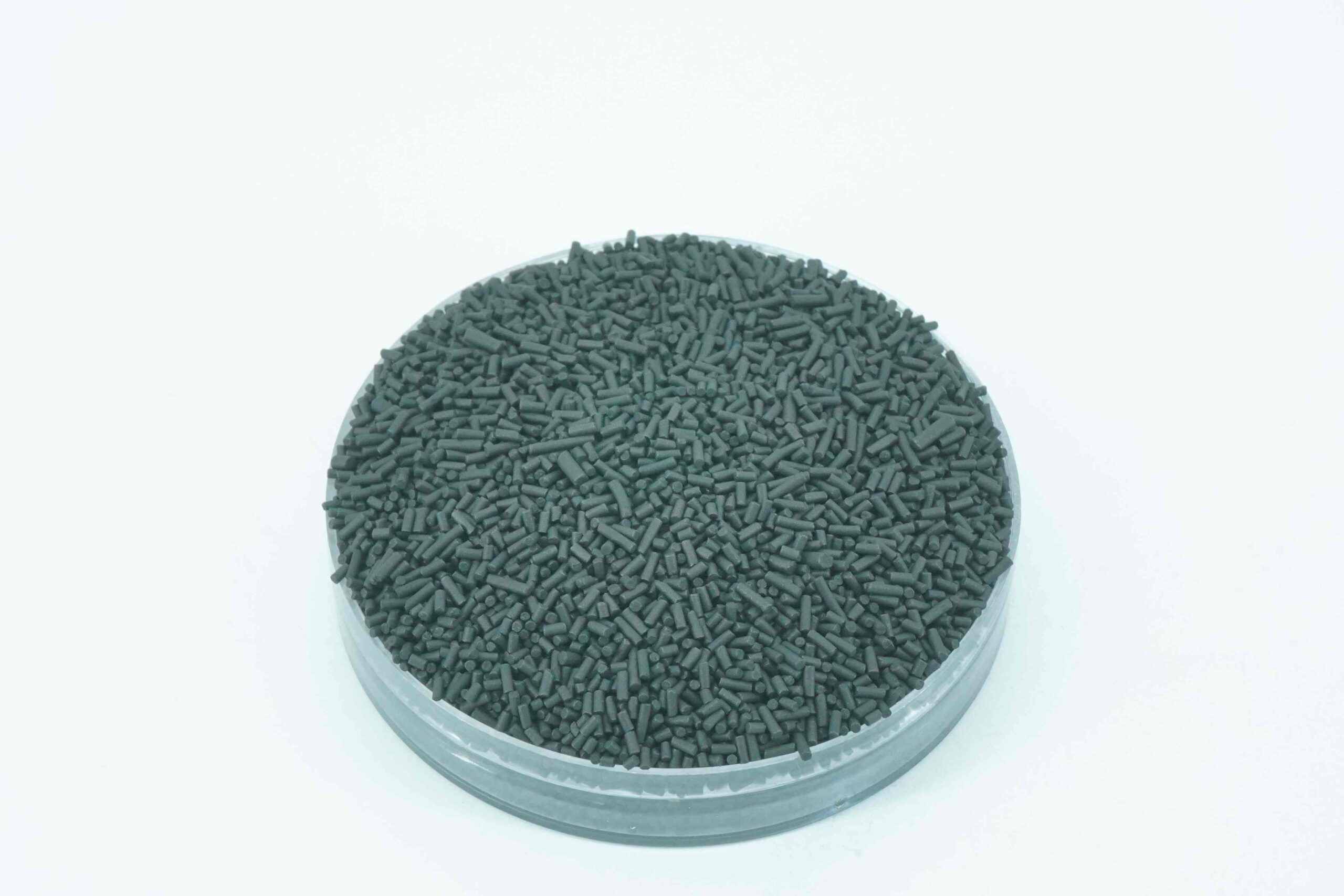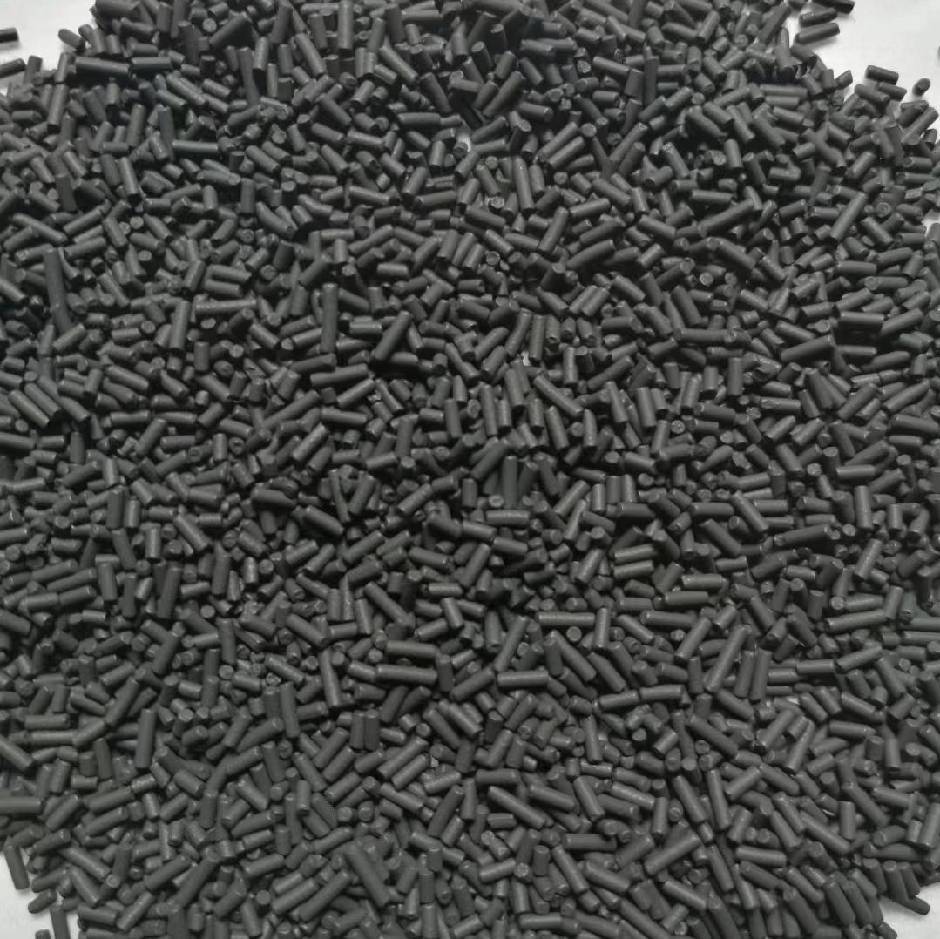
Carbon molecular sieve technology has revolutionized gas separation. It allows for greater control over molecular motion. Recent research indicates its rapid adoption in the electronics, pharmaceutical, and renewable energy sectors. The market size is projected to reach $172.72 million by 2026 and grow to $309.02 million by 2035.
| Metric | Value |
|---|---|
| Market Size in 2026 | USD 172.72 million |
| Projected Market Size in 2035 | USD 309.02 million |
| CAGR (2026-2035) | 6.1% |
| Key Industries | Electronics, Pharma, Renewable Energy |
These new improvements help performance and make scaling easier. They also help the environment by making selectivity and efficiency better.
Key Takeaways
- Carbon molecular sieve technology facilitates better gas separation. This is crucial for electronics and pharmaceutical companies.
- The pore size of carbon molecular sieve membranes can be varied. This allows for the selective separation of specific gases and enables their rapid passage. This makes gas separation faster and more efficient.
- Hybrid membranes combine organic and inorganic materials. They have a longer lifespan and lower long-term operating costs.
Carbon molecular sieve structure and principles
Microporous architecture and selectivity
Carbon molecular sieves are ideal materials for gas separation. They possess tiny pores smaller than 2 nanometers. These pores allow only specific gases to pass through, giving the material high selectivity. Selectivity for CO₂/CH₄ and other gas pairs depends on the size and shape of the molecules. Even small variations in gas molecule size can significantly affect their passage rate through the sieve.
| Structural Feature | Description |
|---|---|
| Unique Pore Structure | Microporous with pore diameters less than 2 nanometers, allowing selective passage of small gas molecules while blocking larger ones. |
| Kinetic Selectivity | Separates gases based on diffusive speed; smaller molecules pass more rapidly than larger ones, affecting adsorption rates. |
| Adsorption Mechanism | Gas molecules adhere to the CMS surface via van der Waals forces, with varying strength based on gas type and size, influencing overall gas separation efficiency. |
Carbon molecular sieve often works better than zeolites or metal-organic frameworks. It is especially good for hard separations.
Kinetic separation in PSA nitrogen production
Pressure swing adsorption (PSA) utilizes carbon molecular sieves to separate gases. It takes advantage of differences in gas migration velocities. The pore size of the molecular sieve is matched to the gases to be separated. Oxygen molecules migrate faster than nitrogen molecules within the pores.
- The carbon molecular sieve separates gases based on their size and adsorption rate.
- Nitrogen is captured because it is larger than oxygen.
- Controlling the circulation time and pressure can improve gas separation efficiency.
- Small changes in gas size can lead to significant changes in the gas adsorption rate.
This method makes carbon molecular sieves play an important role in the preparation of pure nitrogen.
Advances in carbon molecular sieve membranes
Tunable pore size for targeted gas separation
Scientists are using carbon molecular sieve membranes to separate difficult-to-separate gases. These membranes have variable, tiny pore sizes that match the size of different gas molecules. This facilitates the separation of carbon dioxide/methane, crucial for natural gas and carbon capture. Engineers enhance membrane performance by altering the pore size, allowing one gas to pass through while blocking another, thus improving selectivity and permeability.
A common method for altering pore size is the use of specialized nanoparticles. For example, adding aluminum fluoride (Al-F3) nanoparticles can change the pore size. The table below illustrates how this method can help separate gases:
| Method | Resulting Selectivity H2/CH4 | Resulting Selectivity CO2/CH4 |
|---|---|---|
| Use of Al-F3 nanoparticles to modulate pore size | 192.6 | 58.4 |
| Improvement over untreated samples | 128% higher | 93% higher |
These data demonstrate that carbon molecular sieve membranes exhibit high selectivity for carbon dioxide/methane. Changing the pore size also improves gas permeability, allowing more gas to pass through the membrane more quickly, thus accelerating separation and increasing efficiency.
Laboratory tests show that carbon molecular sieve membranes possess excellent permeability. For example, the carbon dioxide permeability of the HCB membrane reaches 10,860 Barrer, significantly higher than the 32.4 Barrer of the BPPO membrane. The selectivity for carbon dioxide/nitrogen is also improved, reaching 19.9 for the HCB membrane and 16.6 for the BPPO membrane. With the addition of specific chemicals, the selectivity for carbon dioxide is further improved to 36.3, and for the HCB-DETA membrane to 31.1. These results all exceed the upper limit set in 2008 for energy-efficient polymer gas separation membranes.
Hybrid and composite membrane innovations
Recent advances in carbon molecular sieve membranes include hybrid and composite types. These membranes combine organic and inorganic components, thereby improving performance. Some membranes now contain individual zinc atoms, which aids in the separation of carbon dioxide/methane. This improves membrane selectivity and increases permeability.
Hybrid carbon molecular sieve membranes address the problems inherent in older membranes. They are able to withstand highly corrosive chemicals and operate continuously in harsh environments. This is extremely useful in natural gas plants where the air may be acidic. Companies like Shell produce hybrid membranes with longer lifespans, requiring less frequent replacement.
The table below illustrates how advanced designs improve gas permeability and selectivity:
| Membrane Type | CO2 Permeability (Barrer) | CO2/N2 Selectivity |
|---|---|---|
| BPPO | 32.4 | 16.6 |
| HCB | 10,860 | 19.9 |
| HCB-PEI | 9,800 | 36.3 |
| HCB-DETA | 8,900 | 31.1 |
These data demonstrate that hybrid and composite carbon molecular sieve membranes outperform traditional materials. This is crucial for carbon dioxide/methane separation and other difficult-to-separate gas applications.
Hybrid carbon molecular sieve membranes also contribute to long-term cost savings. While their initial cost is higher, they consume less energy and have a longer lifespan. They require minimal maintenance and can operate for 10-15 years or more. This translates to fewer replacements, resulting in financial savings. Large-scale gas separation units can achieve cost parity with older systems within just a few years, thanks to these advantages.
Note: Carbon molecular sieve membranes are now seen as high-performance membrane materials. They are important in membrane separation technology for industries that need reliable and efficient gas separation.
Carbon molecular sieve synthesis and material development

Raw materials and precursor selection
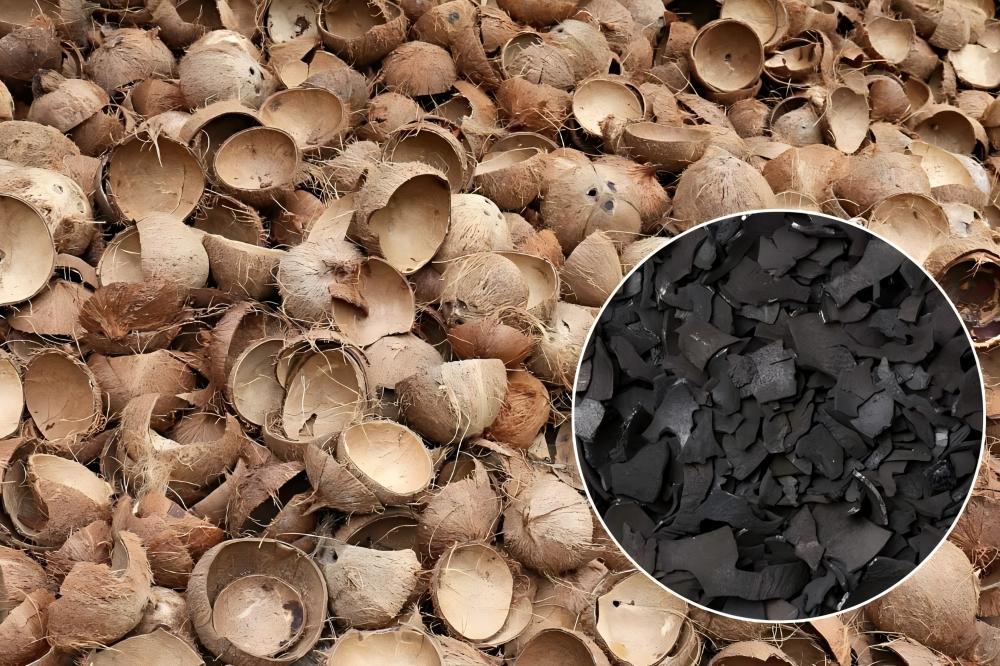
Choosing the right raw materials is crucial for producing high-performance carbon molecular sieves. Scientists use materials such as coconut shells, coal, or synthetic polymers. Different raw materials affect the pore size and performance of the molecular sieve. Coconut shells are a more environmentally friendly option, helping to reduce carbon emissions.
Carbonation of polymer precursors can shape the pore shape and surface area. Activation and heating also alter their structure. These steps affect the efficiency of the molecular sieve in separating gases and also change its permeability. The table below lists common polymer precursors and their properties:
| Polymer Precursor | Properties and Notes |
|---|---|
| Polyimides | High thermal stability, easy to process |
| Polyacrylonitrile (PAN) | Common for membrane production |
| Polyfurfuryl Alcohol (PFA) | Good for gas separation |
| Phenolic Resins | Suitable for membrane synthesis |
| Polyphenylene Oxide (PPO) | Used in membrane production |
| Polyetherimide (PEI) | High-performance characteristics |
| Cellulose | Natural and sustainable precursor |
Precision pore control techniques
Controlling pore size is very important. It helps make the sieve work better. Scientists change carbonization temperature and activation time. They also pick different precursors to control pore size. Small pores help the sieve separate gases better. Big pores let more gas pass through. Finding the right balance is important for gas separation.
Tip: Changing the process steps lets engineers tune permeability for different gases.
When pore size matches the target gas, permeability stays high. Selectivity stays strong too. This makes the sieve useful for many jobs. It can be used for air cleaning and hydrogen production. Controlling permeability helps industries save energy. It also makes them more efficient.
Carbon molecular sieve performance and application fields
Air and natural gas separation
Carbon molecular sieve technology helps industries separate gases from air and natural gas. These materials have special pores that allow certain gases to pass through while blocking others. In air separation, the membrane allows oxygen to pass through quickly while blocking nitrogen, thus obtaining pure nitrogen or pure oxygen. Plants use these gases in steelmaking, food packaging, and electronics manufacturing.
These membranes operate effectively at room temperature. They are less energy-intensive and less expensive than traditional methods. Due to their high circulation speed, the system can run multiple times a day. Workers can easily clean and reuse the sieves. This makes them ideal for continuous gas separation.
In natural gas processing, membranes can remove moisture, carbon dioxide, and other harmful substances. This improves the quality of methane and prevents pipelines from rusting. High permeability means more gas can pass through quickly. This helps companies meet stringent gas purity standards.
Key properties of carbon molecular sieves in air and natural gas separation include:
- High selectivity for gases such as nitrogen, oxygen, hydrogen, and carbon dioxide
- Good stability under high temperature or pressure
- Availability in various forms, such as membranes and hollow fiber membranes
- Low operating and maintenance costs
| Application Area | Industries Involved |
|---|---|
| Nitrogen Generation | Electronics, Pharmaceuticals, Food Packaging, Metal Processing |
| Natural Gas Processing | Conventional Natural Gas Purification, Biogas Upgrading |
Hydrogen purification and petrochemical uses
Hydrogen purification is another important application of carbon molecular sieve membranes. These membranes utilize differences in molecular size and shape to separate hydrogen from other gases. Their high permeability and selectivity make them ideal for producing pure hydrogen. Fuel cell manufacturers and chemical plants use this technology to produce hydrogen with a purity exceeding 99.99%.
In petrochemical plants, carbon molecular sieve membranes help separate valuable chemicals and isomers. This improves process efficiency and saves energy. Furthermore, carbon molecular sieve membranes reduce pressure drop, thereby reducing the energy required for gas delivery. These improvements make carbon molecular sieves play a significant role in energy conservation during gas separation.
Workers can use these membranes to remove trace amounts of water, carbon monoxide, and hydrocarbons from gases. This helps the final product meet stringent quality standards. Carbon molecular sieve membranes can be reused with simple cleaning or heating, making them highly practical in industrial settings.
| Application Area | Description |
|---|---|
| Petrochemical Refining and Specialty Chemicals | Helps separate isomers and valuable chemicals, making the process better and using less energy. |
| Hydrogen Purification | Takes out impurities from hydrogen for clean energy uses. |
Environmental and emerging applications
Carbon molecular sieve membranes are now being used in emerging environmental and advanced technology fields. They play a crucial role in energy storage and carbon capture. These applications require materials capable of separating gases such as carbon dioxide from air or factory exhaust.
Water treatment plants utilize carbon molecular sieves to remove organic chemicals and pharmaceuticals from water. Their effectiveness surpasses that of conventional activated carbon. This membrane can also remove harmful substances, helping to purify wastewater.
In pharmaceutical and biotechnology plants, this membrane helps purify drugs and separate important molecules. Its powerful gas separation capabilities make it ideal for separating chiral compounds and other sensitive substances.
Some new applications include:
- Carbon capture to reduce greenhouse gas emissions
- Energy storage systems requiring clean gases
- Nuclear wastewater treatment to remove radioactive materials
Note: More companies want advanced carbon molecular sieve systems. This is because they need better gas separation and ways to save energy.
| Application Area | Description |
|---|---|
| Pharmaceutical and Biotechnology | Used for cleaning drugs, separating chiral compounds, and isolating biomolecules because of their selectivity. |
| Water Treatment and Environmental Remediation | Good at removing organic chemicals, medicines, and endocrine disruptors from water, and works better than regular activated carbon. |
Using carbon molecular sieve membranes in these areas shows they are flexible and work well. Scientists are still working to make them even better. This will help make industry cleaner and more efficient.
Carbon molecular sieve scalability and sustainability
Scalable production methods
Factories must produce large quantities of carbon molecular sieve membranes. This is because the demand for gas separation is increasing. Companies are using continuously running machines and employing new reactor designs to produce more membranes. Automation helps ensure consistent quality across batches. These methods enable factories to produce more membranes while reducing costs.
Many industries require systems capable of rapidly producing large quantities of membranes. They need membranes with high permeability and high selectivity. Engineers are leveraging artificial intelligence to improve membrane production methods, thereby better controlling pore size and increasing production speed and efficiency.
- Producing more membranes helps save money and time.
- Artificial intelligence helps produce membranes with suitable permeability.
- Pressure swing adsorption (PSA) technology using carbon molecular sieve membranes can save energy and costs.
- Portable gas separation devices make these systems more accessible to a wider range of people.
Environmental impact and regulatory alignment
Making and using carbon molecular sieve membranes affects the environment. Life cycle checks show these membranes work well and save energy. The table below compares carbon molecular sieve and activated carbon:
| Aspect | Carbon Molecular Sieve (CMS) | Activated Carbon (AC) |
|---|---|---|
| Operational Efficiency | Superior selectivity and energy efficiency | Lower efficiency in gas separation |
| Energy Consumption | Reduced energy consumption at lower pressure | More energy-intensive processes |
| Manufacturing Burden | More controlled and energy-intensive production | Less energy-intensive, uses renewable feedstocks |
| Regeneration Potential | Limited regeneration options | Excellent regeneration potential |
| End-of-Life Considerations | Requires sophisticated disposal approaches | Established recycling infrastructure |
Carbon molecular sieve membranes meet today’s environmental rules for gas separation. The market wants cleaner products and better technology. Many companies use these membranes in renewable energy projects to follow the law. Scientists keep working to make them even better. This makes carbon molecular sieve important for future gas separation.
Hybrid carbon molecular sieve membranes perform better in gas separation. They help factories improve production efficiency and reduce energy consumption. These membranes also help protect the environment. In the future, scientists will focus their research on the following areas:
- Improving the strength and lifespan of carbon molecular sieve membranes
- Using intelligent design and technology to separate more gases in a single pass