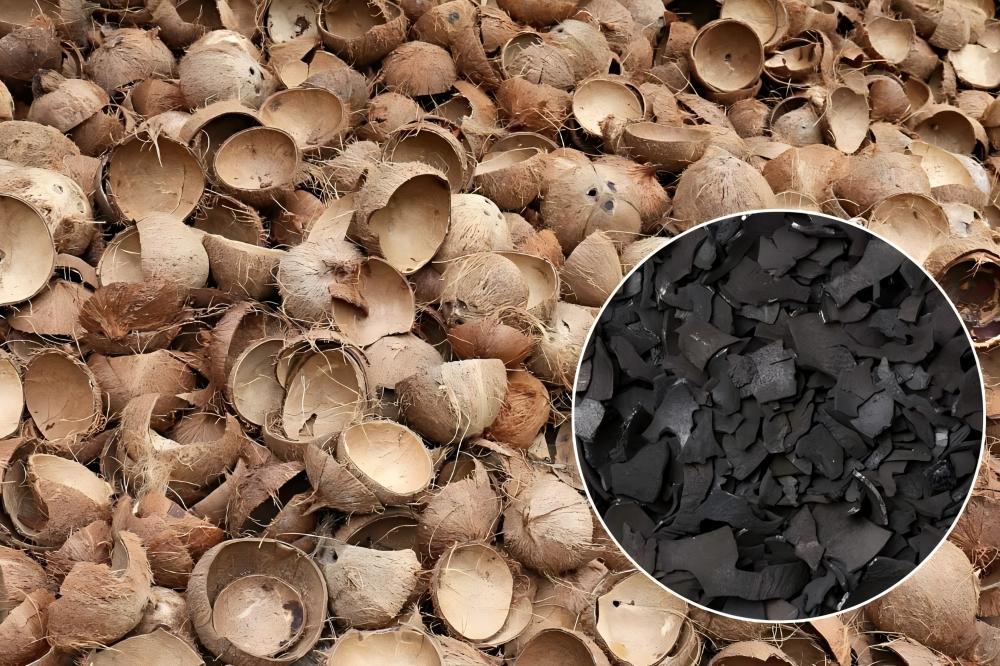
Industries want clean ways to capture CO₂ and purify hydrogen. YUANHAO gives new gas separation technology using carbon molecular sieve products.
- The world needs more clean energy as countries try for net-zero emissions.
- Hydrogen is a clean energy choice and helps use less fossil fuel.
- Tough environmental rules make clean gas separation important in power and cement industries.
- Companies look for clean methods to keep the future safe.
Key Takeaways
- Carbon molecular sieves can trap CO₂ and clean hydrogen. They are very important for clean energy.
- YUANHAO carbon molecular sieve manufacturer uses new technology to control pore size and surface treatments. This helps separate gases better.
- Using carbon molecular sieves can lower emissions, save energy, and cut costs in many industries.
Carbon molecular sieve properties and gas separation
Structure and pore size
Carbon molecular sieves have a special structure. This structure contributes to their efficient gas separation. The material has many tiny pores. These pores act like miniature tunnels. Only specific gas molecules can pass through them. Typical pore sizes range from 3 to 5 angstroms (Å). This size facilitates the separation of gases with similar molecular sizes.
- YUANHAO’s carbon molecular sieves have pore sizes between 0.28 and 0.38 nanometers, corresponding to the 3 to 5 Å range.
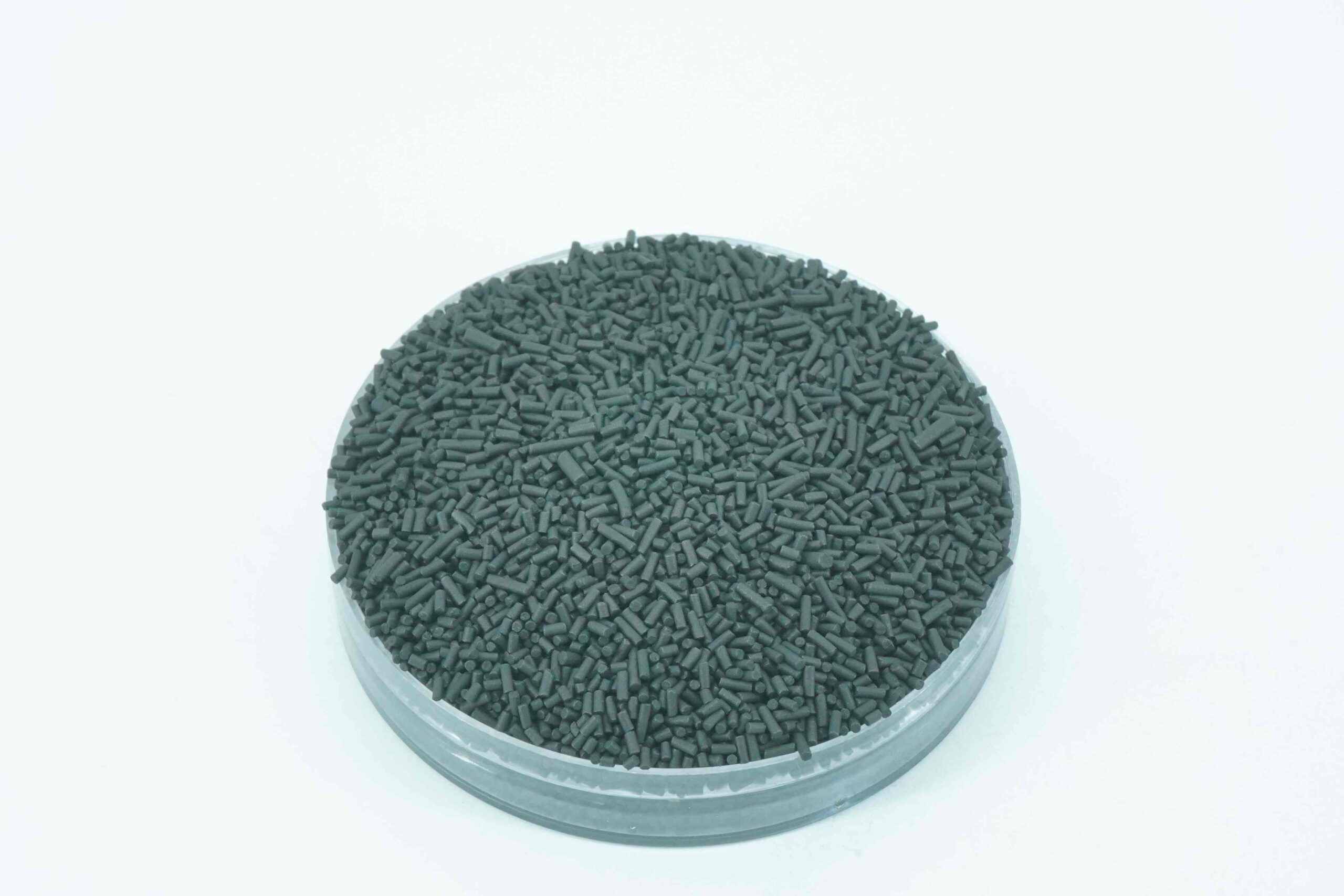
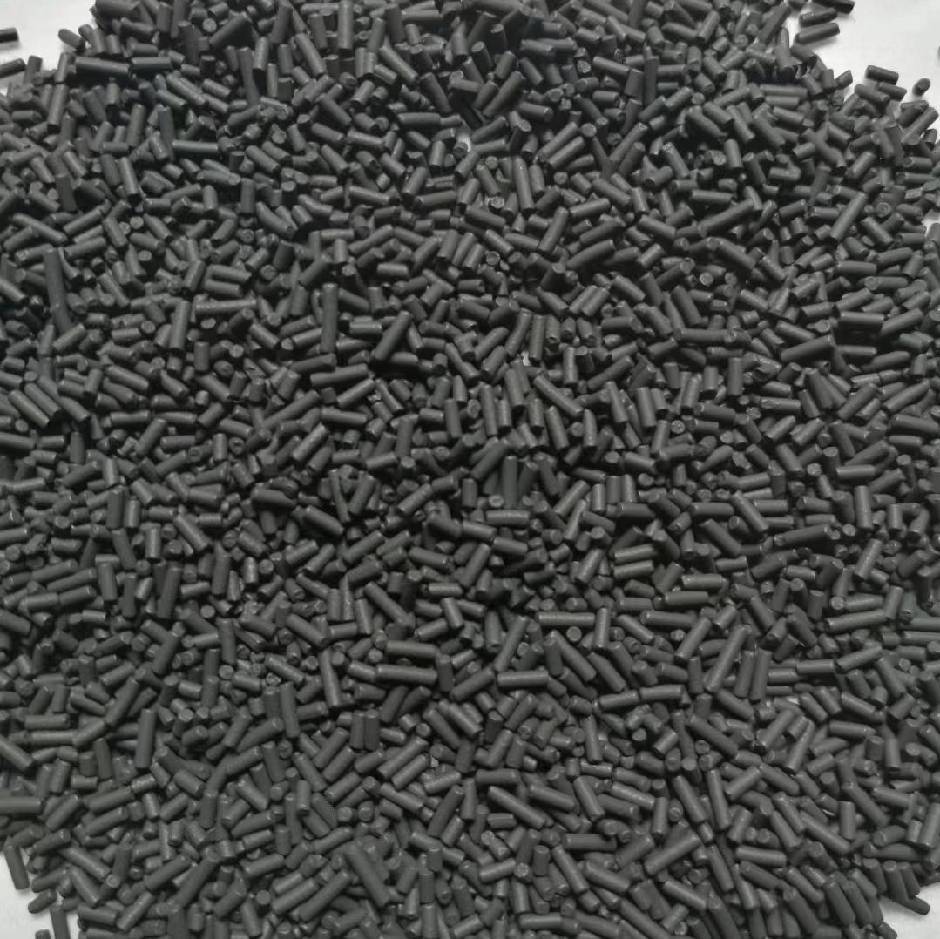
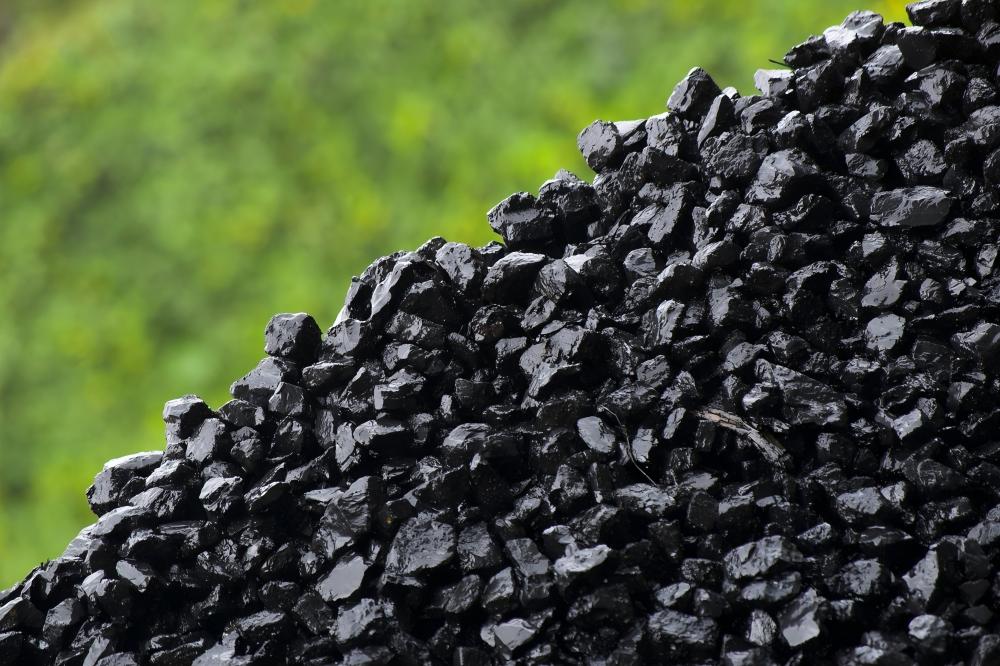
- These molecular sieves are black and cylindrical. This shape helps them fit tightly into the gas system.
- The larger surface area provides more space for gas molecules to contact the molecular sieve.
Scientists can modify the pore size and surface area of carbon molecular sieves. This allows them to create molecular sieves specifically designed for separating specific gases, such as carbon dioxide or hydrogen. The ability to control these parameters makes this material valuable in many fields.
Gas separation mechanism
Carbon molecular sieves have a special structure. This structure contributes to their efficient gas separation. The material has many tiny pores. These pores act like miniature tunnels. Only specific gas molecules can pass through them. Typical pore sizes range from 3 to 5 angstroms (Å). This size facilitates the separation of gases with similar molecular sizes.
- YUANHAO’s carbon molecular sieves have pore sizes between 0.28 and 0.38 nanometers, corresponding to the 3 to 5 Å range.
- These molecular sieves are black and cylindrical. This shape helps them fit tightly into the gas system.
- The larger surface area provides more space for gas molecules to contact the molecular sieve.
Scientists can modify the pore size and surface area of carbon molecular sieves. This allows them to create molecular sieves specifically designed for separating specific gases, such as carbon dioxide or hydrogen. The ability to control these parameters makes this material valuable in many fields.
Note: The adsorption capacity of a carbon molecular sieve depends on the size of the gas molecules and the sieve’s structure. This lets people design sieves for many gas separation jobs.
Role in co2 capture
Carbon molecular sieves play a crucial role in capturing carbon dioxide from gas mixtures. Their high selectivity and adsorption capacity make them an ideal choice. YUANHAO carbon molecular sieves can capture large quantities of carbon dioxide with lower energy consumption than other materials.
The table below compares the performance of carbon molecular sieves and titanium-based materials in carbon dioxide capture:
| Metric | Carbon Molecular Sieves (CMS) | Titanium-based Materials |
|---|---|---|
| Adsorption Capacity (mmol/g) | 3-5 | 4-7 |
| Selectivity (CO2/N2) | >50:1 | Varies |
| Manufacturing Cost ($/kg) | 15-25 | 80-120 |
| Operational Lifetime (years) | 2-3 | Shorter under humid conditions |
| Regeneration Temperature (°C) | 80-120 | 150-200 |
| Energy Consumption (GJ/ton CO2) | 2.5-3.2 | 3.8-4.5 |
The table shows that carbon molecular sieves exhibit higher selectivity for carbon dioxide. They also have lower energy consumption and lower cost. Furthermore, they perform well under humid conditions and have a longer service life in practical applications.
Another table illustrates the advantages of carbon molecular sieves in gas separation:
| Aspect | Carbon Molecular Sieves (CMS) | Notes |
|---|---|---|
| Energy Profiles | Excels in pressure swing adsorption (PSA) processes | Higher regeneration temperatures (200-400°C) lead to energy consumption of 4-7 MJ/kg. |
| Mechanical Robustness | Allows for aggressive cycling conditions | Potentially offsets higher individual cycle energy costs through improved throughput. |
| Tolerance to Impurities | Better tolerance to impurities and moisture | Reduces preprocessing energy requirements. |
| Performance Consistency | Maintains consistent performance over extended periods | Reduces energy penalties associated with performance degradation. |
| System-Level Energy Efficiency | Compared to MOFs, CMS systems have lower auxiliary energy costs due to less stringent conditions | MOFs may increase total system energy consumption by 15-25% due to humidity control needs. |
YUANHAO’s carbon molecular sieve helps with sustainable CO₂ capture. The material does not make harmful waste. It can be used again many times. This makes it a smart pick for industries that want to lower their carbon footprint and follow strict rules.
Hydrogen Purification and Industrial Uses of Carbon Molecular Sieves
Hydrogen purification process
Hydrogen purification is crucial for producing pure hydrogen. Many industries use Pressure Swing Adsorption (SPAS) to obtain pure hydrogen. This process utilizes carbon molecular sieves to separate hydrogen from other gases. The steps are simple and repeatable:
- Adsorption: Impure hydrogen passes through a bed of carbon molecular sieves. The sieves adsorb unwanted gases, while pure hydrogen passes through.
- Purge: The system pressure is reduced. The molecular sieves release the adsorbed impurities. This step cleans the molecular sieves, preparing them for the next cycle.
- Pressure Increase: The system pressure is increased again. The molecular sieves are ready for the next cycle.
YUANHAO offers a variety of carbon molecular sieves for this application. CMS-220 is suitable for conventional hydrogen production systems. CMS-240 is suitable for fast cycles. CMS-300 performs best in advanced hydrogen purification. These products help businesses obtain pure hydrogen with lower energy consumption and costs.
Impurities removed by carbon molecular sieve
A carbon molecular sieve takes out many impurities during hydrogen purification. Removing these contaminants is important for making pure hydrogen. The table below shows which impurities the sieve can remove and how well it works:
| Gas/Impurity | Molecular Sieve Type | Remarks |
|---|---|---|
| Water Vapor (H₂O) | 3Å, 4Å | Great at removing moisture; often used in hydrogen purification. |
| Carbon Dioxide (CO₂) | 4Å, 5Å, 13X | Good at catching CO₂ from hydrogen streams. |
| Carbon Monoxide (CO) | 5Å, 13X | Catches CO, which is found in SMR hydrogen. |
| Light Hydrocarbons | 5Å, 13X | Removes methane, ethane, propane, and other light hydrocarbons. |
| Nitrogen (N₂) | 5Å, 13X | Selectively caught in certain setups. |
| Oxygen (O₂) | 5Å, 13X | Removes small amounts of oxygen. |
| Sulfur Compounds (H₂S) | 13X | Catches hydrogen sulfide and other sulfur compounds. |
| Ammonia (NH₃) | 13X | Removes ammonia in hydrogen purification. |
This process helps industries meet strict quality rules. Pure hydrogen is needed for fuel cells, electronics, and making chemicals. YUANHAO’s CMS products make this possible by removing even tiny amounts of unwanted gases.
Industrial uses and benefits
Many industries employ hydrogen purification technologies to support the production of clean hydrogen. Power plants, cement plants, steel mills, and petrochemical companies all require purified hydrogen. These industries use carbon molecular sieves for optimal results.
Carbon molecular sieves are crucial for hydrogen purification in plants. They help companies improve hydrogen production efficiency. The table below compares the environmental impact of using carbon molecular sieves with traditional methods:
| Aspect | Carbon Molecular Sieves (CMS) | Traditional Methods |
|---|---|---|
| Manufacturing Emissions | 2.5-4.2 tons CO2/ton CMS | Higher emissions |
| Energy Reduction | 30-50% less energy | Standard energy use |
| Lifecycle Emissions | 70-80% fewer emissions | Higher lifecycle emissions |
| Water Usage | 60% reduction | More water used |
| Durability | 5-8 years performance | Needs more replacements |
| Material Recovery | >85% recovery | Lower recovery rates |
This table shows carbon molecular sieves lower emissions, save energy, and use less water. They last longer and can be recycled. YUANHAO’s CMS-220, CMS-240, and CMS-300 products help industries reach their clean hydrogen goals. These products support a greener future by making hydrogen production safer and more sustainable.
Tip: Picking the right carbon molecular sieve can make hydrogen purification better and help industries save money.
Carbon Molecular Sieves for CO₂ Capture and Hydrogen Purification
Enhancing co2 capture efficiency
To improve the efficiency of carbon molecular sieves in carbon dioxide capture, various industries have adopted different methods. Scientists enhance their performance by modifying materials:
- Surface treatment can increase the amount of carbon dioxide captured by molecular sieves.
- Adding other substances can enhance the strength and effectiveness of molecular sieves.
- Mixing materials helps extend the lifespan of molecular sieves and maintain their toughness.
- Metal oxides help molecular sieves capture more carbon dioxide.
- Some plant-based molecular sieves have special carbon dioxide pores.
- Using templates helps construct pores that can effectively separate gases.
Regeneration methods are crucial for maintaining high carbon dioxide capture rates. The table below lists some common regeneration methods:
| Regeneration Technique | Description |
|---|---|
| Thermal Regeneration | Heating the sieve removes carbon dioxide and makes it work again. |
| Chemical Treatments | Chemicals help the sieve stay strong and work better. |
| Protective Coatings | Coatings protect the sieve from water and dirt. |
| Pressure Swing Desorption | Changing pressure lets the sieve release trapped gases. |
| Temperature Swing Desorption | Changing temperature helps remove stuck gases. |
| Vacuum Desorption | Making a vacuum pulls out gases and refreshes the sieve. |
YUANHAO makes sure their sieves keep working well for a long time, even after many times of cleaning.
Improving hydrogen purification performance
New improvements make carbon molecular sieves better for cleaning hydrogen. Scientists add metal oxides and treat the surface to help the sieve pick up hydrogen. Mixing materials makes the sieve stronger and helps gases move faster. Cleaning methods and coatings help the sieve last longer and keep working.
Pressure swing adsorption uses the special features of carbon molecular sieves to clean hydrogen. These systems make pure hydrogen and use less energy. YUANHAO’s products, like CMS-220, CMS-240, and CMS-300, help industries use new ways to clean hydrogen and build cleaner energy systems.
Real-world applications and economic factors
Many industries now use carbon molecular sieves to capture carbon dioxide and clean hydrogen. The Paris Agreement and net-zero goals make carbon capture more important. Power plants, cement factories, steel makers, and chemical companies use sieves to work better.
The table below shows money factors that affect using sieves:
| Economic Factor | Explanation |
|---|---|
| High Production Costs | Making sieves costs a lot, so some industries use them less. |
| Shift Toward On-site Nitrogen Generation | More companies make nitrogen themselves with sieves, so they buy less from others. |
| Technological Advancements in Key Industries | Electronics and healthcare need very clean gases, so they use more sieves. |
| Emphasis on Renewable Energy | Clean energy and biogas need sieves for making energy cleaner. |
The market for carbon molecular sieves keeps growing. New technology and the need for clean solutions help this growth. Carbon capture and hydrogen production create new chances. YUANHAO’s strong products help industries follow rules and save money, making sieves a smart choice for separating gases and capturing carbon dioxide.
- Carbon molecular sieves help companies capture co2 and clean hydrogen.
- YUANHAO is a leader with new ways to capture co2 and purify hydrogen.
- Some big improvements are better control of pore size, stronger composite structures, and smart ways to treat surfaces.
- More research and working together will help make co2 capture and hydrogen purification better for a cleaner world.