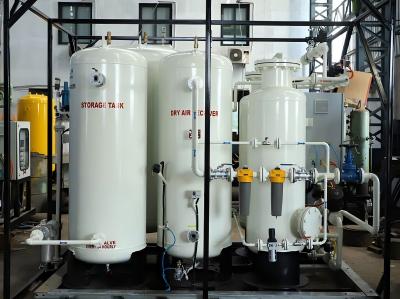
A PSA plant for‑nitrogen produces nitrogen gas right on‑site, using well‑known pressure swing adsorption technology. This system extracts nitrogen out of compressed air with carbon molecular sieve (CMS) adsorbent, delivering a steady, cost‑effective stream of high‑purity nitrogen to your production floor. Once you install an on‑site nitrogen generator, your facility no longer needs to keep paying recurring bills for delivered liquid nitrogen or high‑pressure gas cylinders.
These on‑site nitrogen systems cover a wide production range, from below 2,000 scfh all the way up to more than 60,000 scfh. Nitrogen purity can be freely adjusted between 95% and 99.9995%. Running a PSA nitrogen generator gives you reliable, on‑demand gas supply, cuts unexpected production downtime and removes your dependence on third‑party gas deliveries.
In this article, we break down how PSA technology actually works, walk you through its biggest operational benefits, cover common real‑world industry applications and share practical guidance on selecting a properly sized system.
Key Takeaways
- Producing nitrogen on‑site with PSA technology can cut your nitrogen‑related operating costs by roughly 50 % compared with gas delivered to your facility.
- Purity settings range widely from 95 % to 99.999 %, allowing you to fine‑tune gas quality to match your exact process requirements.
- On‑site nitrogen generation eliminates delivery delays and inventory management headaches, ensuring your production always receives a stable gas supply.
- Most PSA nitrogen systems pay back their initial capital investment within 9 to 24 months, delivering long‑term savings year‑after‑year once fully paid off.
How a PSA Plant Works
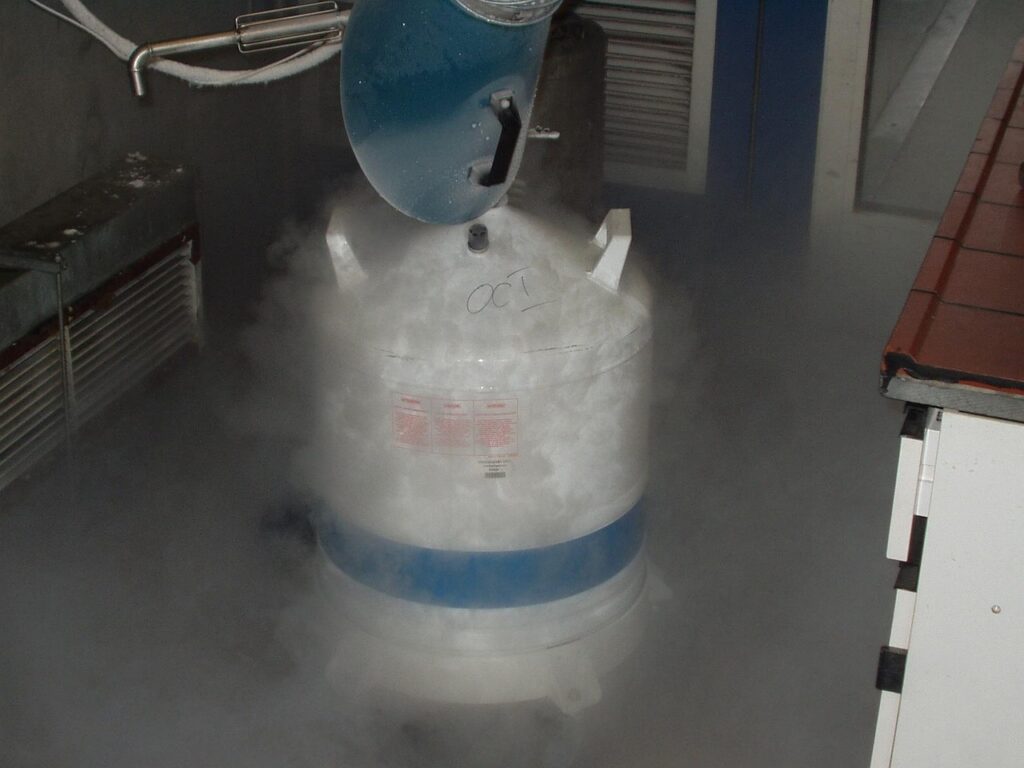
The working principle of a PSA nitrogen plant is straightforward yet highly effective. Compressed process‑air flows into pressure vessels loaded with carbon molecular sieve (CMS). These sieve pellets act like micro‑scale separation filters, trapping oxygen molecules while letting nitrogen pass through freely. The resulting nitrogen gas is ready to feed directly into your factory processes. YUANHAO manufactures premium‑grade CMS materials capable of delivering nitrogen purity levels ranging from 95 % up to 99.999 %, supporting a broad spectrum of industrial gas requirements.
The Core Principle of Pressure Swing Adsorption
Pressure swing adsorption separates mixed gases by taking advantage of kinetic diameter differences between individual gas molecules. Oxygen molecules have a kinetic diameter of 0.346 nm, smaller than nitrogen molecules at 0.364 nm. Because of this size gap, oxygen diffuses much faster into the tiny micropores of carbon molecular sieve particles.
YUANHAO CMS beads feature tightly controlled micropore sizes between 3‑5 Å, a micropore volume of 0.15‑0.25 cm³/g and a specific surface area from 250 to 400 m²/g. These physical properties create ideal conditions for selective oxygen adsorption.
The microporous structure of CMS traps oxygen selectively while allowing nitrogen gas to flow through, making nitrogen purity as high as 99.9999 % achievable. This separation mechanism is specially optimized for nitrogen‑oxygen separation, delivering consistent high‑purity nitrogen supply even under harsh, demanding industrial operating conditions.
Your PSA system’s separation efficiency is sensitive to operating parameters. Temperatures above 150 °C expand micropores and reduce molecular‑size differences, lowering oxygen selectivity. Operating pressure above 10 bar triggers competitive‑adsorption effects, forcing larger gas molecules into sieve pores. Pressures lower than 1 bar create insufficient driving force, resulting in poor gas‑mass transfer. A well‑tuned PSA nitrogen generator maintains optimized working parameters to maximize nitrogen‑oxygen separation efficiency.
The Two-Vessel Cycle: Adsorption and Regeneration
Nearly all standard PSA nitrogen generators use two adsorption vessels that constantly swap working roles. While one tower adsorbs oxygen out of incoming compressed air, the second vessel goes through a regeneration cycle by depressurizing and releasing trapped oxygen back to atmosphere. This alternating workflow creates continuous nitrogen output with zero production interruptions.
During the adsorption phase, compressed air enters the active tower at preset working pressure. Oxygen molecules get captured inside CMS micropores, and nitrogen flows out as finished product gas. Typical adsorption cycle times run between 80‑120 seconds, striking a good balance between gas‑production output and long‑term sieve efficiency. YUANHAO‑produced CMS pellets deliver single‑particle mechanical strength exceeding 100 N, which protects them against cracking caused by repeated pressure‑swing cycles.
Regeneration happens when the second vessel reduces internal pressure, allowing previously trapped oxygen to escape. This repeated shift between high adsorption pressure and low regeneration pressure is exactly where the “pressure swing” name originates. The adsorption‑regeneration loop runs non‑stop to deliver a continuous supply of high‑quality nitrogen.
Real‑world performance benchmarks highlight PSA efficiency. Nitrogen recovery rates sit between 85‑95 %, depending on your target purity level. Optimized PSA units consume 0.25‑0.35 kWh/Nm³, while standard generators running at 99.5 % purity consume 0.35‑0.45 kWh/Nm³. These energy‑consumption figures make PSA a very cost‑effective gas‑generation solution for mid‑range nitrogen‑purity applications.
The service life of your carbon molecular sieve depends heavily on the quality of incoming feed air. With complete air pretreatment that removes oil, moisture and contaminants, premium CMS can last for 5‑8 years. Poor‑quality feed air carrying oil droplets or water vapor will shorten sieve service‑life down to just 2‑3 years. High mechanical strength is one of the most critical durability indicators; weak, low‑quality sieve pellets crumble into fine dust, clog piping and create unwanted pressure‑drop across your system. YUANHAO CMS materials are certified to ISO 9001, ISO 14001 and ISO 45001 standards, maintaining stable performance in tough industrial environments. This reliable adsorbent performance, paired with energy‑saving cycle operation, establishes pressure swing adsorption as a trusted solution for on‑site nitrogen production.
Benefits of a PSA Nitrogen Generator
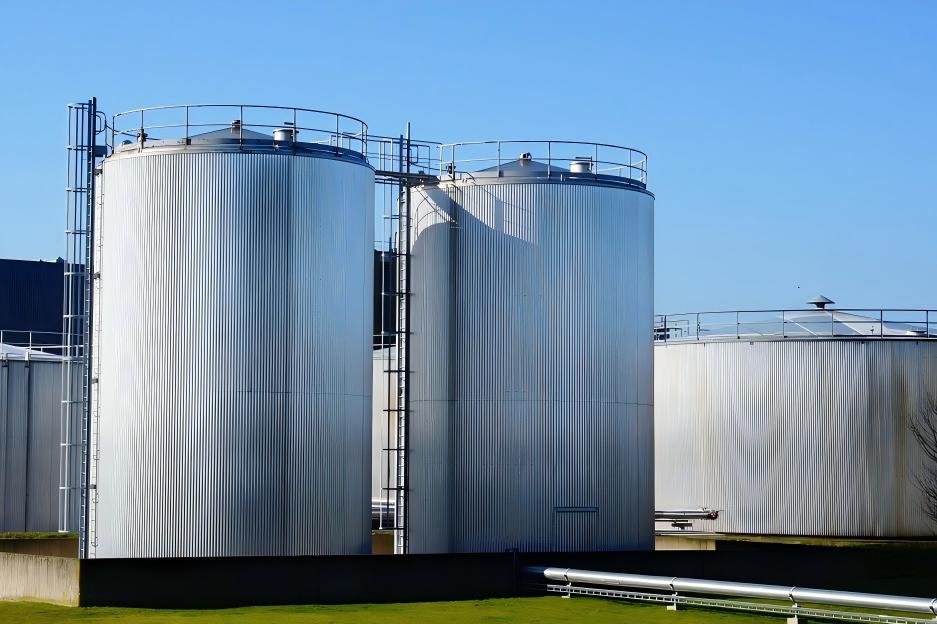
Installing a PSA plant for nitrogen completely transforms the way manufacturing facilities manage their gas supply. Instead of ordering gas cylinders or scheduling large liquid‑nitrogen deliveries, factories produce nitrogen gas on‑demand right on‑site. This shift unlocks substantial long‑term financial savings and operational improvements.
Cost Savings and Return on Investment
The operating‑cost gap between delivered nitrogen and on‑site PSA generation is significant. Bulk liquid nitrogen costs $0.50‑$1.50 per CCF before extra surcharges are added. High‑pressure nitrogen cylinders cost $6‑$10 per CCF. By comparison, a PSA nitrogen generator produces the same gas volume for roughly $0.20 per CCF. Plants consuming large nitrogen volumes can save thousands of dollars every single year.
Independent industry studies confirm these financial gains. One report from an on‑site gas supplier documented a PSA nitrogen system paying for itself within 17 months, delivering $25,000 in annual savings versus delivered gas. Nitro Quanta’s market analysis shows facilities with steady, consistent nitrogen demand usually achieve full payback within 2‑4 years. After reaching payback, your running costs drop sharply; you will only cover electricity and routine maintenance fees, cutting long‑term nitrogen expenses by around 50 %.
| Metric | Delivered Nitrogen | On-Site PSA Generator |
|---|---|---|
| Cost per 100 cubic feet | Several dollars | ~$0.20 |
| Payback period | N/A | 9-24 months |
| Post-payback cost | High (includes delivery, rental, hazmat fees) | Cut in half (maintenance + energy only) |
PSA nitrogen generators remove all the work related to ordering, transporting and storing nitrogen gas. You avoid risks caused by supplier delivery delays and volatile nitrogen market pricing, gaining full operational control, greater reliability and predictable long‑term budgeting.
Energy‑efficiency improvements add further savings. YUANHAO CMS adsorbents are engineered to work well with standard 80‑120 second adsorption cycles, lowering energy consumption for every cubic‑meter of nitrogen produced. Each pellet maintains mechanical strength above 100 N, resisting breakage from repeated pressure cycles, extending adsorbent service‑life and lowering long‑term replacement costs.
On‑site PSA nitrogen generation also delivers environmental benefits. Eliminating gas‑delivery truck journeys cuts fossil‑fuel‑based transport emissions. This makes PSA on‑site production a greener supply option compared with cryogenic‑produced nitrogen or cylinder gas deliveries.
Purity Control and Supply Reliability
A PSA nitrogen generator delivers uninterrupted, high‑purity nitrogen output. Under normal operating conditions, gas‑purity fluctuation can be kept within ±0.5 %. Plant operators can freely adjust nitrogen purity anywhere between 97 % and 99.999 %, matching gas quality to their exact process needs.
Purity adjustment is simple to carry out. Changing intake‑air flow directly modifies output nitrogen purity. Maintaining adsorption pressure between 0.6‑0.8 MPa delivers the most consistent separation results. Operators can tweak gas quality quickly without complicated configuration work.
Real‑world uptime statistics demonstrate PSA reliability. China Steel Corp. recorded a 99.2 % uptime rate on their PSA nitrogen system with well‑designed backup arrangements. Air Liquide field tests found 98‑99 % system availability when generators receive scheduled preventive maintenance. Properly maintained PSA equipment provides continuous nitrogen flow that keeps your whole production line running.
Stable, contaminant‑free on‑site nitrogen also removes pipeline‑pollution risks that could ruin lab test results or disrupt manufacturing workflows. Your team saves valuable work‑hours spent scheduling deliveries, tracking cylinder inventory and managing hazardous gas storage tanks. With on‑site nitrogen generation, your facility takes complete ownership of its gas‑supply chain.
YUANHAO’s CMS adsorbents support this high level of operational reliability through strict quality management. Its manufacturing processes are backed by ISO 9001, ISO 14001 and ISO 45001 certifications, alongside 3 invention patents and 10 utility‑model patents. This solid engineering foundation guarantees stable adsorbent performance under demanding industrial conditions.
For factories seeking predictable gas costs, consistent nitrogen purity and non‑stop gas supply, PSA on‑site nitrogen systems deliver all three advantages at once. Fast investment payback, low post‑payback running costs and dependable gas output make on‑site PSA generation a smart strategic upgrade for modern‑day production facilities.
Applications Across PSA Key Industries
On‑site PSA nitrogen plants serve a wide‑ranging set of industrial sectors. The chemical industry represents the largest nitrogen consumer, using inert nitrogen gas to boost site safety. Pharmaceutical nitrogen consumption is growing rapidly, with nitrogen used to safely store and process raw drug materials. Food‑and‑beverage manufacturers have rising nitrogen‑blanketing requirements, while electronics workshops and metal‑processing plants rely on nitrogen for specialized thermal‑treatment jobs.
Food and Beverage: Blanketing and Purging
Nitrogen blanketing displaces oxygen inside food packaging, slowing oxidative spoilage and extending product shelf‑life. Snacks and baked goods retain crispness; edible oils resist rancidity; fresh‑cut fruits and vegetables ripen more slowly while preserving color; meat and dairy products see reduced bacterial growth, staying fresh longer inside refrigeration.
Food‑grade nitrogen does more than protect finished goods inside packaging. It can also be added during production to create lighter, fluffier mayonnaise. As a safe, inert processing gas, nitrogen may reduce reliance on chemical preservatives, helping maintain food safety during shipping and long‑term warehouse storage.
European Union food‑safety regulations specify that nitrogen used for food packaging must reach at least 99 % purity, limiting residual oxygen content to under 1 %. This standard ensures nitrogen performs its anti‑spoilage function safely and reliably.
One large‑scale snack‑manufacturing company installed a PSA nitrogen generator on‑site for its packaging production‑line. The system supplied consistent high‑purity nitrogen, cutting food spoilage losses and slashing nitrogen supply costs by nearly half. Their generator reached full payback within 18 months. On‑site generation removes delivery charges, cylinder rental costs and long‑term supplier contracts. Most food‑processing facilities earn back their PSA equipment investment within just a few years.
Chemical and Oil & Gas: Inerting and Safety
Nitrogen tank blanketing is a well‑established fire‑prevention practice for chemical‑storage vessels. Most tank‑blanketing operations run comfortably with nitrogen‑purity levels between 95 % and 99.5 %. Specifying unnecessarily high purity will only drive‑up operating costs. For flammable tank atmospheres, nitrogen purity from 95 %‑98 % is usually enough to suppress combustion risks.
Pipeline purging projects in oil‑and‑gas sites demand careful nitrogen‑flow control. Dry nitrogen is fed into pipelines at a steady flow‑rate matched to pipe dimensions. Gas flowing too fast causes turbulent air‑nitrogen mixing, wasting nitrogen and creating safety hazards. Site technicians monitor differential pressure across pipeline sections to spot leaks or accidentally‑opened valves. Industrial safety codes commonly require residual oxygen levels below 1 % after purging, with even stricter oxygen limits for specialized high‑risk jobs. Oxygen sensors installed at vent outlets confirm safe atmospheric conditions before workers begin downstream tasks. Vent stacks must be positioned away from low‑lying ground pockets where heavy nitrogen gas can accumulate. Nitrogen venting can produce noise levels exceeding 120 dBA, so temporary silencers are often fitted during purging operations.
YUANHAO carbon molecular sieves deliver cost‑effective nitrogen separation solutions for chemical and oil‑and‑gas customers. As a leading global CMS manufacturer and supplier, YUANHAO delivers high‑purity nitrogen generation solutions that satisfy strict industrial safety requirements while keeping long‑term gas‑production costs under control.
Comparing PSA with Alternatives and Selecting a System
Choosing your nitrogen supply solution means understanding how each generation technology performs. Three mainstream nitrogen‑production technologies dominate the market: pressure swing adsorption (PSA), membrane separation and cryogenic distillation. Each option is suited to different purity targets and gas‑flow‑rate requirements.
PSA vs. Membrane vs. Cryogenic Nitrogen
| Technology | Purity Range | Flowrate Capacity | Energy Use |
|---|---|---|---|
| Membrane | 95% – 99.5% | Below 3,000 Nm³/h | 0.15–0.25 kWh/m³ |
| PSA | 95% – 99.9995% | Above 10,000 Nm³/h | 0.25–0.35 kWh/m³ |
| Cryogenic | Above 99.9995% | Very high | Highest per unit |
Membrane systems consume less power at medium purity levels, because they do not require adsorption‑regeneration cycles. However, membrane separation quickly hits its performance ceiling when you need ultra‑high‑purity nitrogen. Cryogenic distillation delivers the highest possible nitrogen purity, yet carries very high energy costs, especially for smaller gas‑flow requirements, due to heavy refrigeration loads.
A PSA plant for nitrogen sits neatly in the middle ground. It delivers nitrogen purity ranging from 95 % to 99.9995 % at moderate energy consumption. When running at 95 % purity, a PSA generator uses roughly 0.22 kWh per Nm³ of gas produced. Cranking purity all the way up to 99.999 % multiplies your energy consumption by a factor of 3 to 5. This wide purity‑adjustment window makes PSA technology the top pick for most general‑purpose industrial nitrogen applications.
Key Factors for Sizing and Implementation
Four core parameters must be evaluated when you select a PSA nitrogen generator: target nitrogen purity, required gas flow‑rate, outlet working pressure and sieve particle specifications. Your purity target directly defines long‑term energy‑consumption costs. Required flow‑rate determines how many adsorption vessels and how much CMS adsorbent material you will need.
Different industrial‑processes call for different outlet gas pressures. YUANHAO supplies high‑pressure CMS‑based PSA systems rated for 1.0‑1.6 MPa, alongside low‑pressure variants working at 0.5‑0.6 MPa. The optimal adsorption pressure for efficient nitrogen‑oxygen separation hovers around 0.7 MPa. Sieve particle diameter is another important design variable. YUANHAO offers carbon molecular sieve pellets measuring 1.2‑1.5 mm in diameter, allowing system designers to strike a practical balance between gas‑diffusion speed and overall system pressure drop.
Third‑party quality certifications provide strong proof of a manufacturer’s reliability. YUANHAO holds ISO 9001, ISO 14001 and ISO 45001 management‑system certifications, plus three invention patents and ten utility‑model patents covering its sieve‑production technology. These credentials deliver consistent quality assurance, which is especially valuable for wholesale buyers ordering custom‑tailored nitrogen‑generation solutions for harsh industrial environments.
A PSA plant for nitrogen delivers on‑site gas generation using pressure swing adsorption and carbon molecular sieve adsorbents. This proven technology brings major operational cost savings, precise nitrogen‑purity control between 95 %‑99.999 % and reliable non‑stop gas production. Factories break free from third‑party gas‑delivery contracts and gain far greater operational independence.
Picking out the right PSA nitrogen generator requires careful assessment of your purity goals, flow‑rate demands and unique process‑specific requirements. Every industry carries distinct gas‑specification standards that shape your ideal system layout.
On‑site nitrogen generation is a forward‑thinking investment for production‑facilities aiming to boost efficiency and achieve full gas‑supply self‑sufficiency. Manufacturers like YUANHAO offer custom process assessments to match PSA generator performance with your real‑world operational requirements. Consulting with experienced gas‑generation specialists will help you select the nitrogen system that perfectly fits your production workflow.
FAQ
How much does a PSA plant for nitrogen cost to operate?
Running a PSA plant for nitrogen costs about $0.20 per 100 cubic feet of gas. This price covers energy and upkeep. Delivered liquid nitrogen runs $0.50 to $1.50 per CCF. Cylinders cost even more. Most factories earn back their investment within 9 to 24 months.
What purity levels can a PSA nitrogen generator achieve?
A PSA nitrogen generator gives purity from 95% up to 99.999%. Getting higher purity takes more energy. At 95% purity, the system uses about 0.22 kWh per Nm³. Pushing purity to 99.999% raises energy use by 3 to 5 times. Operators change intake air to set output purity.
How long do carbon molecular sieves last?
Carbon molecular sieves last 5 to 8 years when feed air is cleaned well. Poor air with oil or water cuts lifespan to 2 to 3 years. YUANHAO’s CMS products hold strength above 100 N per piece, so they resist damage from repeated pressure swings. Clean input air greatly extends sieve life.
How does PSA compare to membrane or cryogenic systems?
PSA fits mid-range purity needs from 95% to 99.9995%. Membrane systems only reach 99.5% purity but use less energy. Cryogenic plants hit above 99.9995% purity but need the biggest upfront investment. PSA balances cost, purity, and reliability for most industrial jobs.
What factors determine the right system size?
Required purity, flowrate, and pressure set system size. YUANHAO offers high-pressure models at 1.0–1.6 MPa and low-pressure options at 0.5–0.6 MPa. Particle size spans 1.2–1.5 mm diameter. Operators should match these specs to their production needs for best results.