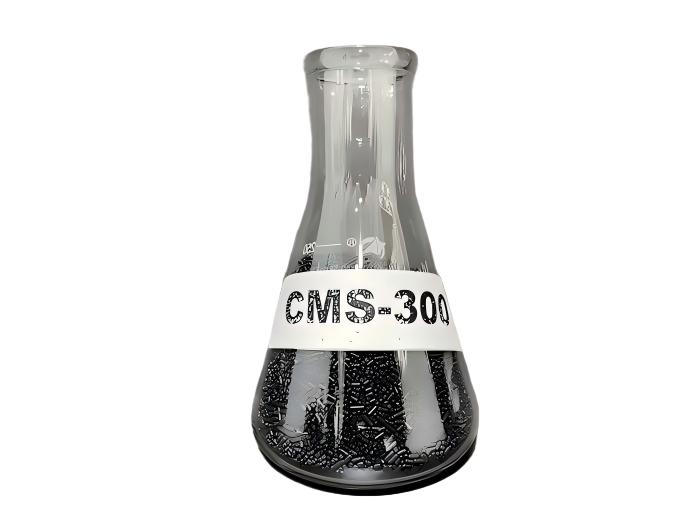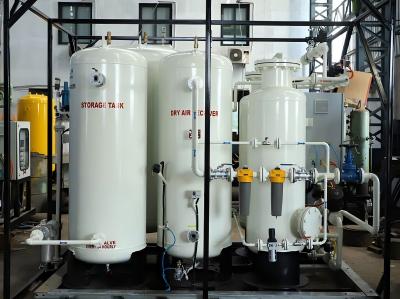
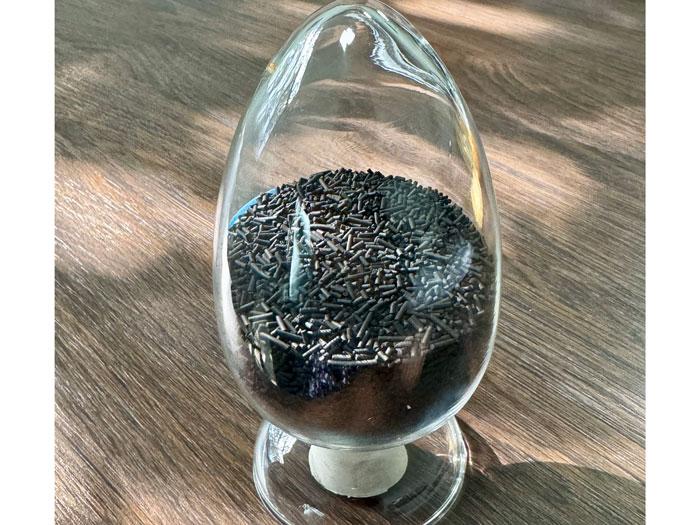
Carbon molecular sieve (CMS) performance depends on more than the material itself. Pore structure, surface area, operating conditions, bed loading, and feed gas quality all affect how effectively CMS separates oxygen from nitrogen and how long it remains effective. Pressure, temperature, and PSA cycle time influence adsorption capacity and nitrogen output, while moisture, oil, and other contaminants can accelerate performance loss.
Understanding these factors helps operators maintain stable nitrogen purity, improve CMS utilization, and extend sieve service life.
Key Takeaways
- Pore structure determines how effectively CMS separates oxygen from nitrogen through kinetic selectivity.
- Surface area and micropore volume affect oxygen adsorption capacity and overall CMS performance.
- Pressure, temperature, and cycle time must be properly controlled to maintain stable nitrogen purity and output.
- Proper bed loading promotes even airflow and helps prevent channeling and particle damage.
- Clean, dry feed air protects CMS from moisture, oil, and contaminants that can reduce adsorption capacity and shorten service life.
Carbon Molecular Sieve Structural and Manufacturing Factors
Pore Size and Micropore Structure
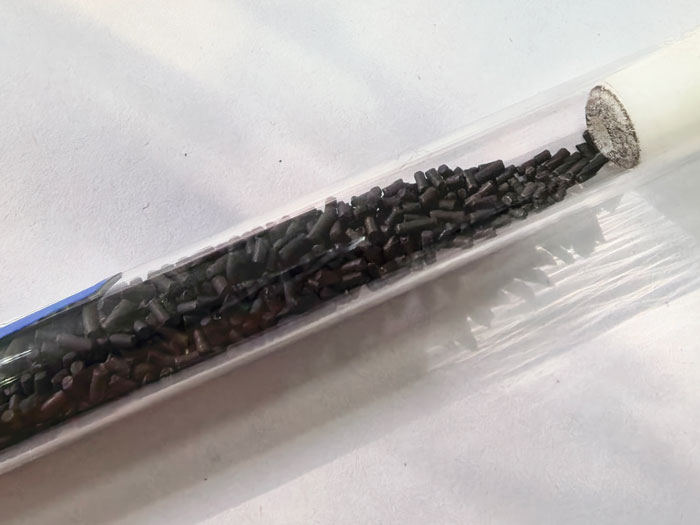
The pore structure of a carbon molecular sieve determines its ability to separate oxygen from nitrogen. Precisely controlled micropores create differences in molecular diffusion rates, allowing oxygen to diffuse into the pores faster than nitrogen and providing the kinetic selectivity needed for gas separation.
A narrow and consistent pore size distribution improves kinetic selectivity. If the pores are too large or their size distribution is too broad, the difference in diffusion rates becomes less effective, which can reduce nitrogen separation efficiency.
Surface Area and Micropore Volume
Surface area and micropore volume influence the number of effective adsorption sites and the overall adsorption capacity of CMS. A well-developed microporous structure provides more effective adsorption sites and pore volume for oxygen during the high-pressure stage of PSA operation.
Manufacturing conditions such as precursor material, carbonization temperature, and activation process affect the final pore structure. Choosing a reliable CMS manufacturer with consistent production processes can help ensure predictable carbon molecular sieve performance.
Carbon Molecular Sieve Operating Conditions
Operating Pressure and Temperature
Operating pressure directly affects the adsorption capacity of CMS. Within the appropriate PSA operating range, higher pressure generally provides more favorable conditions for oxygen adsorption. However, operating outside the recommended range can reduce separation efficiency and increase mechanical stress on the system.
Temperature also affects adsorption behavior. Excessive temperature can reduce adsorption capacity and weaken the difference in diffusion rates between oxygen and nitrogen. Maintaining stable operating conditions helps keep nitrogen purity and production performance consistent.
Adsorption and Desorption Cycle Time
Cycle timing affects both nitrogen output and CMS utilization. During adsorption, the CMS needs enough time to selectively adsorb oxygen. During desorption, sufficient time is required to release the adsorbed oxygen and regenerate the bed.
If the cycle is too short, the CMS may not be fully utilized. If it is too long, production efficiency can decrease. The appropriate cycle time therefore depends on the CMS grade, operating pressure, nitrogen purity target, and PSA system design.
Bed Loading and Gas Distribution
How the CMS is loaded into the adsorption vessel can also affect performance. Uneven packing, excessive voids, or loose particles can create uneven airflow and channeling.
Uniform particle distribution helps compressed air contact the CMS bed more evenly. Proper loading also reduces particle movement and attrition during repeated pressure changes, helping maintain stable pressure drop and separation performance.
Feed Gas and Environmental Factors
Moisture, Oil, and Other Contaminants
Feed gas quality is one of the most important factors affecting CMS service life. Moisture can compete with oxygen for adsorption sites, while oil aerosols, oil vapor, and other hydrocarbons can block micropores and reduce effective adsorption capacity.
Liquid water can also cause physical damage to CMS particles, leading to cracking, dust formation, and increased pressure drop. Oil contamination is particularly difficult to reverse because hydrocarbons can remain on the carbon surface and block pore entrances.
A suitable pretreatment system with filtration and drying helps protect the CMS from these contaminants.
Feed Air Dew Point
A low feed-air dew point helps minimize moisture entering the CMS bed. If the compressed air contains excessive moisture, water can occupy adsorption sites and interfere with oxygen separation.
Maintaining a consistently low dew point is therefore important for both nitrogen purity and CMS longevity. Dew-point performance should be monitored together with product purity and other operating parameters.
FAQ
Can poor air quality damage a carbon molecular sieve?
Yes. Moisture, oil, hydrocarbons, and particulate contamination can reduce adsorption performance and shorten CMS service life. Proper compressed-air pretreatment helps protect the sieve.
Does CMS performance change with different nitrogen purity requirements?
Yes. Higher nitrogen purity generally requires tighter control of PSA operating conditions and CMS performance. The appropriate CMS grade and cycle settings should match the required purity level.
Why does nitrogen purity decrease when a CMS bed becomes worn?
As CMS loses adsorption capacity, it removes less oxygen during each adsorption cycle. More oxygen remains in the product stream, which can gradually reduce nitrogen purity.
How can operators tell when CMS performance is declining?
Common indicators include declining nitrogen purity or flow, changes in pressure drop, and changes in normal cycle performance. Comparing these trends with historical operating data can help identify gradual degradation.
Does CMS particle size affect PSA performance?
Yes. Particle size influences gas-flow resistance, pressure drop, and mass transfer within the adsorption bed. The appropriate particle size depends on the CMS grade and PSA system design.