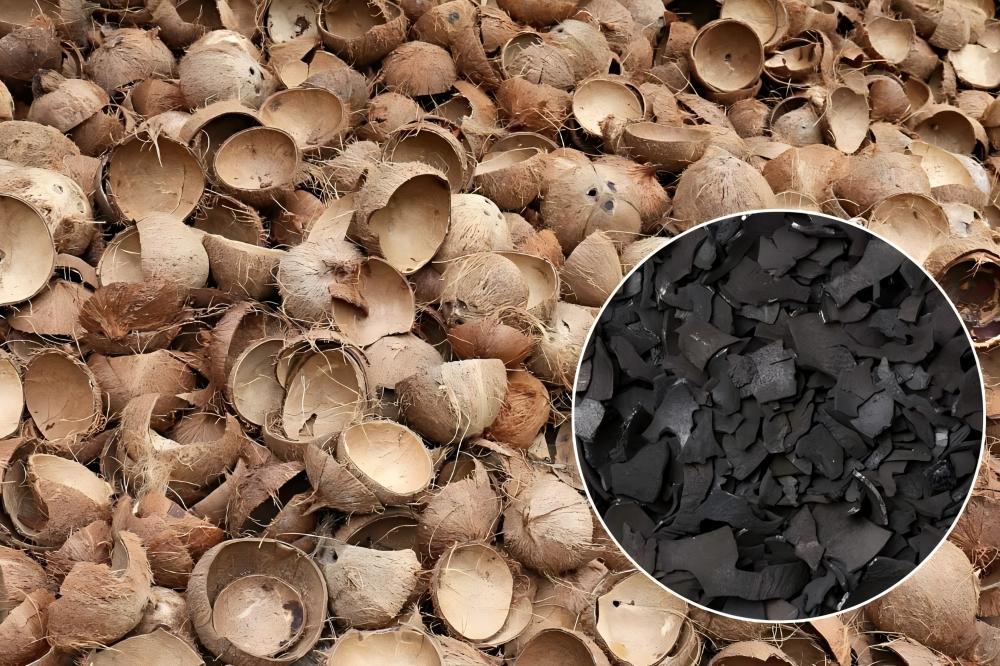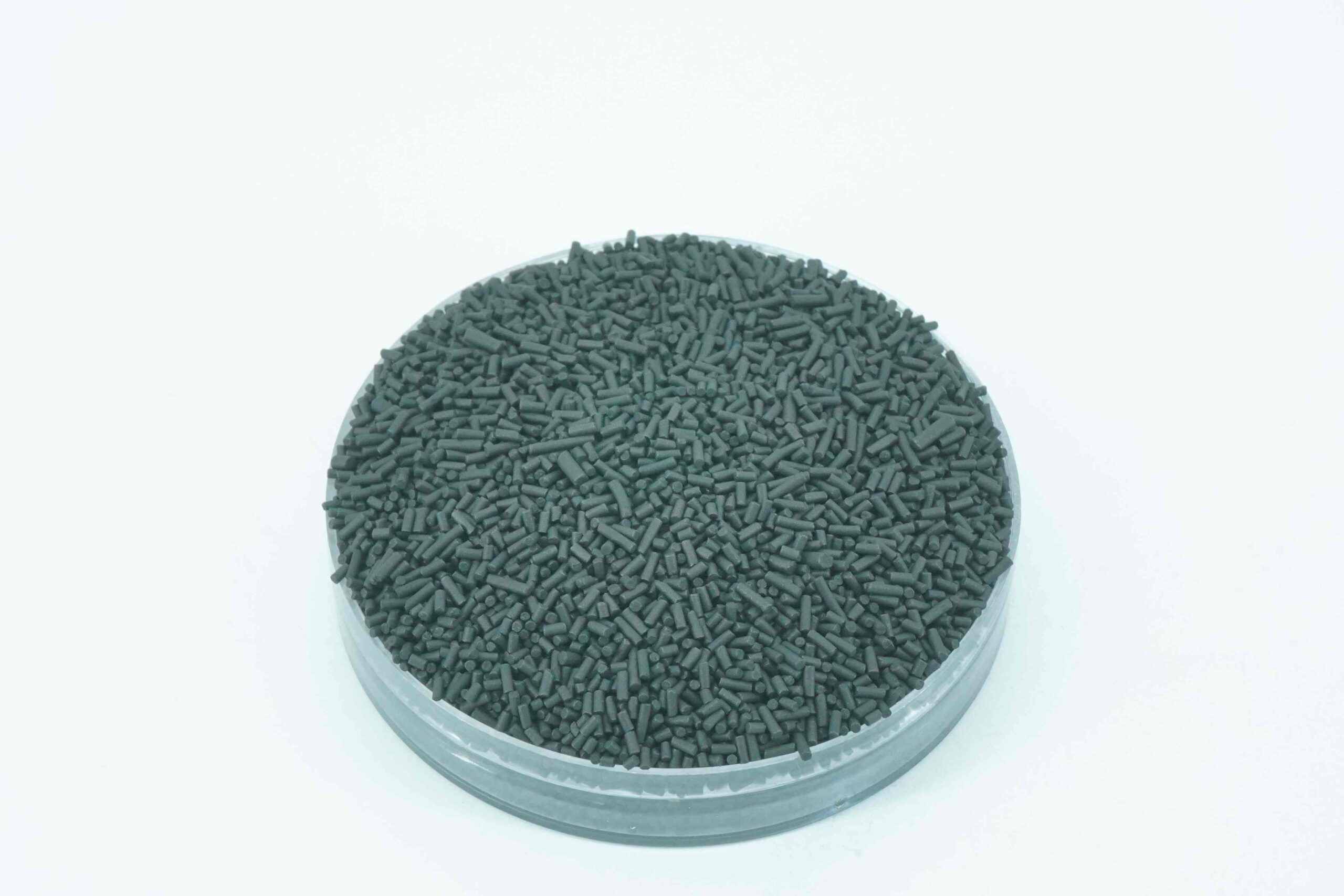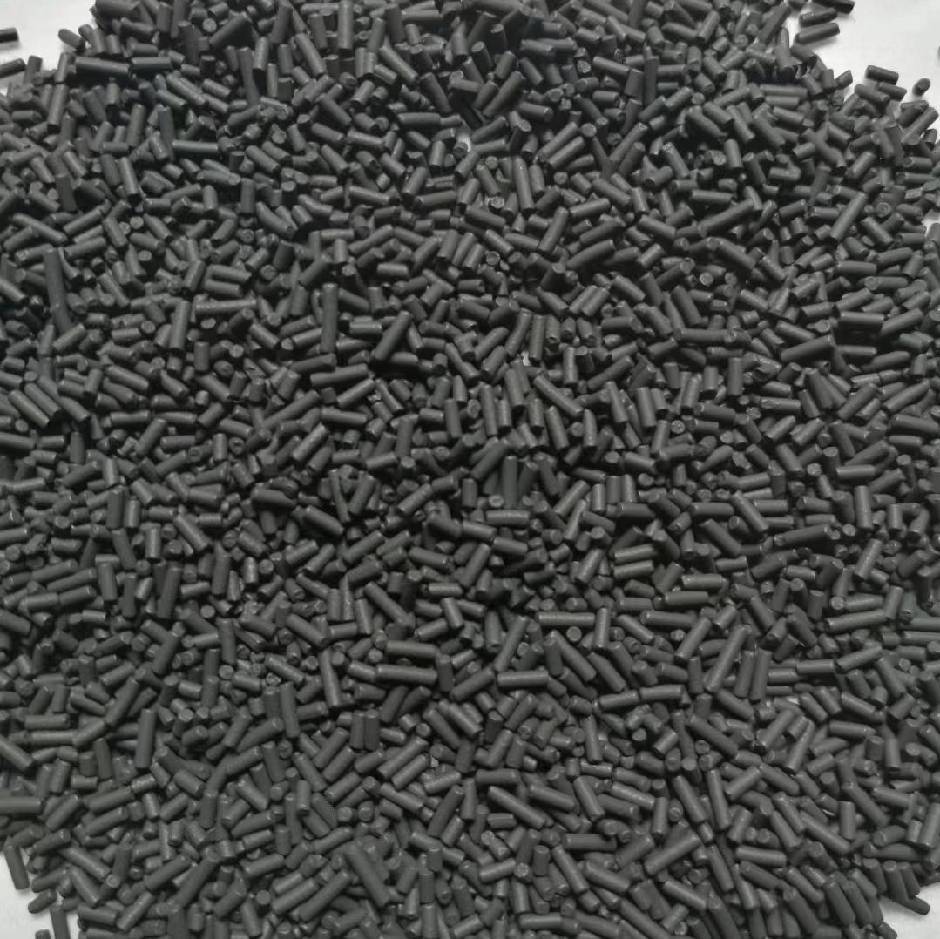
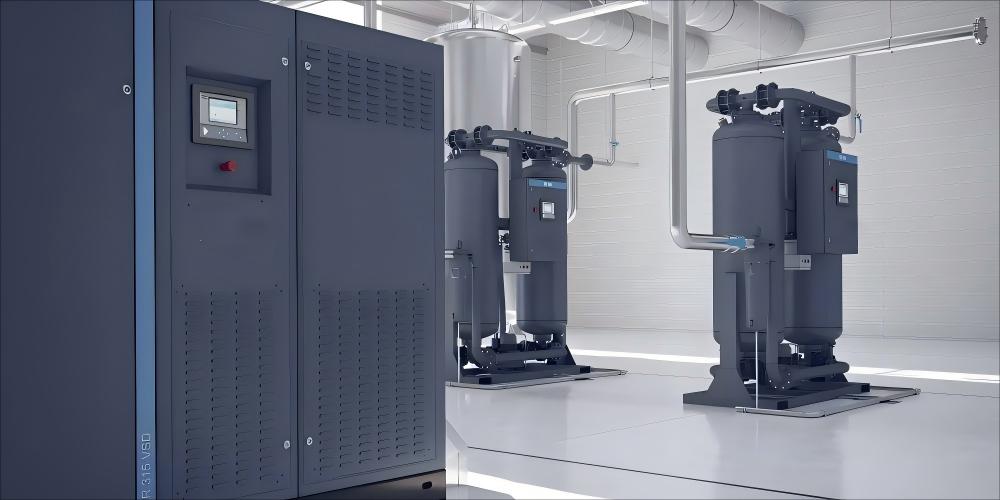
Nitrogen generators may encounter several common problems, such as low purity, pressure fluctuations, and reduced flow. Addressing these issues promptly is crucial for ensuring optimal system performance. Carbon molecular sieves play a key role in this process, their special design improving nitrogen separation efficiency. Furthermore, they reduce energy consumption and maintain system stability across various industries.
Key Takeaways
- Regular maintenance of nitrogen generators is essential. You should inspect filters, valves, and carbon molecular sieves to ensure they are functioning properly.
- Nitrogen purity will decrease if the inlet is dirty or the equipment is aging. Keeping the air clean and replacing parts promptly helps maintain high purity.
- Pressure fluctuations can affect nitrogen output. Regularly inspect valves and seals to prevent leaks and maintain stable pressure.
Common Problems in Nitrogen Generators
Nitrogen generators may encounter several problems that affect their operation. These problems include low nitrogen purity, pressure fluctuations, and insufficient flow. Timely detection of these problems helps maintain nitrogen purity and avoid sudden shutdowns.
Low Nitrogen Purity
Low nitrogen purity is a common problem with nitrogen generators. Users typically observe a decrease in nitrogen purity when contaminants enter the system or when equipment ages. There are several reasons for this problem:
- Equipment aging and deterioration of molecular sieve performance.
- Improper operation can lead to incomplete gas separation.
- Poor-quality feed gas can introduce impurities.
- Aging molecular sieves can allow moisture and contaminants to seep in.
- Poor valve sealing can cause impurities to mix into the nitrogen.
- Excessive oil mist and moisture in the feed gas can reduce purity.
- Poor flow and pressure control can affect the separation process.
Tip: Clean compressed air is very important for keeping nitrogen pure. Dust, particles, and moisture in the air can make purity go down and production drop.
Unclean feed gas can introduce impurities and clog the molecular sieve. Clogging reduces nitrogen production efficiency and purity. High concentrations of contaminants can also cause test reports to show a decrease in production, so production claims may be inaccurate.
Fluctuating Pressure
Pressure fluctuations are another problem faced by nitrogen generators. Pressure fluctuations can cause uneven nitrogen output and affect the quality of high-purity nitrogen. Some common causes include:
- Air leaks can cause pressure drops and interfere with gas separation.
- Damaged valves can lead to improper pressure control.
- Problems with the pressure regulator can cause system instability.
Note: Pressure changes often mean equipment is worn out or needs fixing. Checking the system often helps stop sudden drops in performance.
Pressure fluctuations can also damage molecular sieves, making it more difficult to obtain high-purity nitrogen. If the pressure is unstable, impurities can remain in the gas, leading to decreased purity.
Insufficient Flow Rate
Insufficient flow is a problem affecting nitrogen generator test reports. The flow rate must match the generator’s normal operating capacity. Common causes of insufficient flow include:
- Improper operation can lead to uneven gas distribution.
- Unstable pressure control can damage molecular sieves or leave impurities.
- Clogged filters can obstruct airflow and reduce nitrogen production.
- Leaks can reduce pressure and production.
- Aging adsorbents can cause nitrogen production to decrease over time.
Tip: Doing regular maintenance and changing filters and molecular sieves on time helps keep nitrogen flowing and pure.
Equipment wear and tear can lead to a decrease in nitrogen purity and yield. As molecular sieves age, contaminants and moisture can seep in, causing a drop in efficiency. Filter clogging and leaks can also reduce flow rates, making it difficult to obtain high-purity nitrogen.
Troubleshooting Tips for Nitrogen Generator Issues
Diagnosing Purity Problems
If the nitrogen generator produces nitrogen with low purity, users should follow these simple steps. First, the carbon molecular sieve needs to be checked. This material helps separate nitrogen from the air. The table below lists methods to check if it is functioning correctly:
| Method of Assessment | Purpose |
|---|---|
| Capacity test runs | See how much water it can hold and how long it lasts |
| Analysis of spent samples | Look for dust, color changes, or cracks |
| Bulk-crushing strength | Test if the particles are still strong |
| Thermometric gravimetric | Measure how much water it holds and if it still works |
| Pyrolysis combustion | Check if there is too much coking |
| Mercury porosity | See if the pores are still good or damaged |
If the sieve looks old or broken, changing it may help purity. Operators should also look for water or oil in the air supply. Clean air helps the nitrogen generator work better.
Fixing Pressure Fluctuations
Pressure changes can make the nitrogen generator not work right. To fix this, start by checking valves and seals. The table below lists parts and what to do:
| Component Type | Action Required |
|---|---|
| Solenoid Valve | Fix or change if it does not work |
| Piping Valves | Fix or change if they leak |
| Return Air Valve | Adjust to get the best pressure |
| Valve Seals | Check and change if they are worn out |
It is important to check valve seals often. Leak tools can help find small leaks. Fixing leaks fast keeps the nitrogen generator working well.
Resolving Flow Rate Drops
If the flow rate drops, there is a problem. To fix it, check filters, air pressure, and the compressor. The table below shows what could be wrong and how to fix it:
| Potential Causes | Solutions |
|---|---|
| Clogged filters | Change the filters |
| Insufficient inlet air pressure | Check and set the right pressure |
| Worn compressor | Get the compressor serviced |
Dirty filters often make the flow go down. Filters catch dust and dirt. Doing regular maintenance stops blockages and keeps the nitrogen generator running well.
Doing regular maintenance is very important for keeping nitrogen generators working well and lasting longer, just like the manufacturer says.
These tips help users fix common problems and keep their nitrogen generator working great.
Maintenance Challenges and Solutions
Routine Maintenance Tasks
Regular maintenance helps nitrogen generators operate efficiently and extends their lifespan. Operators should follow these simple steps to prevent problems before they occur. Here are some points to note:
- Check the machine daily. Check for leaks, listen for unusual noises, and keep the work area clean.
- Observe the machine’s operation weekly. Record nitrogen purity, flow rate, and compressor parameters.
- Check components monthly. Check the air filter, compressor oil, and safety tools.
- Check the air inlet and outlet. Ensure there are no blockages.
- Monthly monitor pressure and temperature values. Early detection of abnormal changes can prevent larger problems.
Tip: Looking at the machine often helps find leaks, rust, or odd noises before they get worse.
Preventing Equipment Failures
Many equipment failures are caused by neglect of maintenance. When molecular sieves age, their ability to remove impurities decreases, leading to reduced nitrogen purity. If valve seals are worn or damaged, gas may leak. These leaks alter pressure and flow, causing the system to malfunction.
Most problems can be resolved by keeping air filters clean and replacing worn parts. Personnel should also check for leaks and ensure all valves are functioning properly. Overheating can occur if the machine is overloaded or poorly ventilated. Good airflow and regular machine inspections can prevent this.
Doing regular maintenance keeps the nitrogen generator from breaking down and helps it work all the time.
Technical Issues in Nitrogen Generators
Carbon Molecular Sieve Problems
Carbon molecular sieves are crucial in nitrogen generators. They help separate nitrogen from other gases. If the molecular sieve malfunctions, the purity of the nitrogen will decrease. Air pollution or clogged filters can cause the molecular sieve to malfunction. Old or damaged molecular sieves may not work effectively. Operators should check the molecular sieve for dust, cracks, or discoloration. They should also test the gas capacity of the molecular sieve. If the molecular sieve is not working properly, it needs to be replaced. Clean air and regular checks ensure the molecular sieve is functioning correctly.
Valve and Barometer Failures
Vacuum and barometers help control gas flow and pressure. If a valve is damaged, the system may leak gas. This can cause a rapid drop or change in pressure. Sometimes, the absorber tank cannot reach the correct pressure value. Damaged solenoid valves or poor connections can cause this. Operators should repair or replace damaged valves. A well-functioning barometer helps the system operate normally.
Tip: Use soapy water to find small leaks in pipes and valves. Fixing leaks early stops bigger problems.
Compressor and Dryer Issues
Compressors and dryers are used to remove moisture from the air. Excessive moisture reduces nitrogen quality and causes rust. If the dryer malfunctions, water can enter the nitrogen generator, damaging the screen. Improper filter maintenance can lead to a drop in system pressure. The table below shows the impact of these problems on the system:
| Issue Type | Impact on Efficiency |
|---|---|
| Moisture | Lowers nitrogen quality, causes corrosion, affects flow |
| Inadequate drying | Damages sieve beds, lets water into the generator |
| Poor filter maintenance | Causes pressure drops, lowers system performance |
Checking the dryer often and changing filters keeps the nitrogen generator working well. Watching pressure numbers helps workers know when to change filters.
PSA Nitrogen Generator Contamination and Heat Issues

Sources of Contamination
PSA nitrogen generators will experience problems if harmful substances get inside. These substances will reduce the purity of the nitrogen and may damage critical components. Contamination mainly occurs through the following pathways:
- Oxygen contamination, reducing nitrogen purity.
- Water vapor ingress, potentially causing rust or clogging filters.
- Hydrocarbons adhere to components, reducing system performance.
- Dust or dirt can clog filters and damage carbon molecular sieves.
Management needs to regularly check for these issues. Maintaining clean air and timely filter replacement helps ensure system safety. By controlling these issues, management can protect the nitrogen generator and keep the nitrogen clean.
Managing Excessive Heat
Too much heat can cause lots of problems in a PSA nitrogen generator. High heat can hurt the carbon molecular sieve and make less nitrogen. Workers use different ways to control heat and keep things working right.
| Solution | Description |
|---|---|
| Upgrade Cooling Systems | Makes it easier to get rid of extra heat. |
| Dynamic Optimization | Changes how the machine works to keep it running well. |
| Regular Maintenance | Checks parts often to stop overheating. |
Workers also try to keep the adsorption tower cool. They make the compressor work better and watch the temperature in the work area. These steps help stop overheating and keep the nitrogen generator safe.
Tip: Good airflow and checking the machine often can stop heat problems before they get bad.
Liquid Nitrogen Generator vs PSA Nitrogen Generator
Key Differences
A liquid nitrogen generator and a PSA nitrogen generator both make nitrogen, but they do it in different ways. The table below shows how they are not the same:
| Comparison Item | PSA Nitrogen Generator | Liquid Nitrogen Generator |
|---|---|---|
| Nitrogen Source | Makes nitrogen from compressed air | Uses high-pressure cylinders or tanks |
| Supply Method | Makes nitrogen when needed | Needs refilling and replacement |
| Nitrogen Purity | Can adjust purity up to 99.999% | Purity depends on the supplier |
| Operating Cost | Lower cost over time | Higher cost because of refills and transport |
| Maintenance | Needs little maintenance | Needs regular refilling and checks |
| Safety | Safe and easy to control | Risks from high pressure or very cold liquid |
| Space Requirement | Small and easy to install | Needs space for tanks or cylinders |
| Environmental Impact | Saves energy, no transport needed | More transport means more emissions |
| Application Scale | Good for labs and factories | Best for small or short-term use |
| Supply Stability | Gives steady supply | Can run out during replacement |
Note: A liquid nitrogen generator needs more room and careful use because it is very cold and under pressure.
Common Problems Compared
Both types of liquid nitrogen generators can malfunction, but for different reasons.
- Liquid nitrogen generators are prone to problems in heavily polluted air. Old components and improperly installed tools can also cause them to stop working.
- PSA systems may experience issues with purity or flow rate variations. They may issue false alarms or require further inspection of pressure and sensors.
- Liquid nitrogen generator malfunctions are typically caused by poor air quality and aging components. PSA systems are more prone to problems with control systems and sensors.
- Both types of liquid nitrogen generators require regular inspection, but if a component fails, the malfunction may last longer.
Tip: Keeping the air clean and checking parts often helps both systems work better.
Nitrogen generators do their best when people find problems early and do regular maintenance. The table below shows good ways to help:
| Strategy | Benefit |
|---|---|
| Use quality carbon molecular sieves | Fewer problems, works better |
| Watch purity and flow | Find problems before they get worse |
Picking good parts and sticking to a maintenance plan helps the system stay strong.
FAQ
What causes a decrease in nitrogen purity in a nitrogen generator?
If the air entering the generator is unclean, the nitrogen purity will decrease. Old carbon molecular sieves will have poor filtration. Valve malfunctions can also reduce purity. Regular maintenance helps keep the nitrogen clean.
How often should operators check the filters and molecular sieves?
Operators should check the filters and molecular sieves monthly. Clean components help the generator operate efficiently and prevent problems with flow and purity.
Can pressure changes damage the nitrogen generator?
| Issue | Effect |
|---|---|
| Pressure drops | Makes less nitrogen |
| Pressure spikes | Can break equipment |
When pressure changes, the generator may not work right. It can also hurt the equipment.