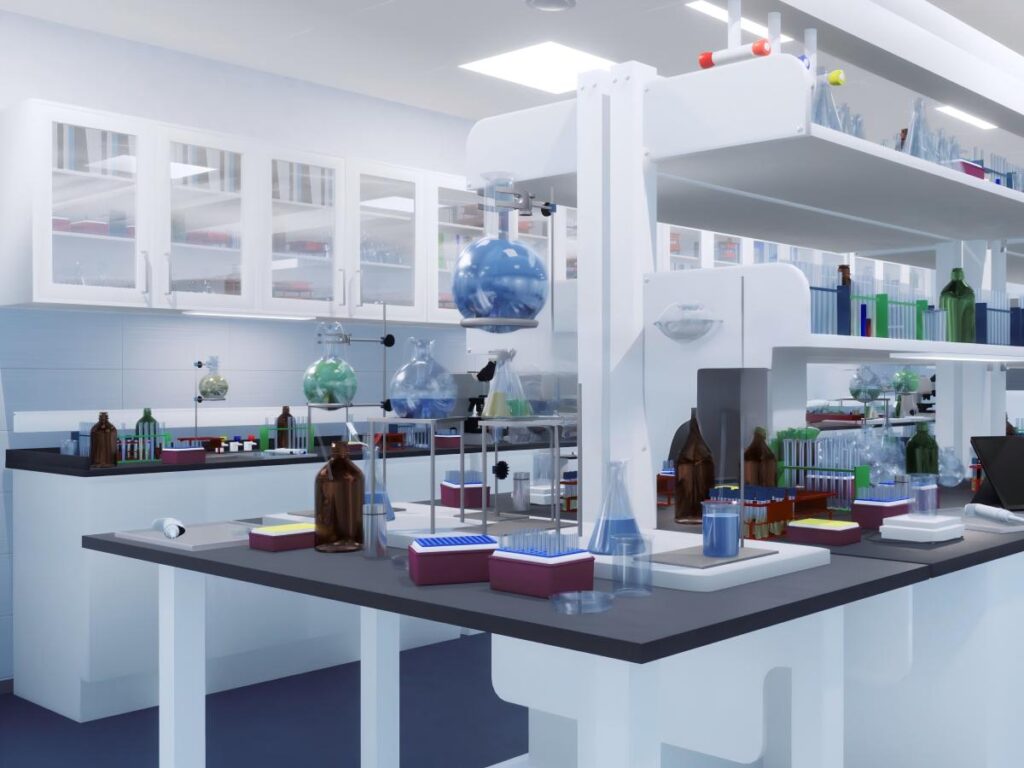
Biopharmaceutical manufacturing relies on a steady supply of high-purity nitrogen for critical processes, from cell culture to lyophilization. Traditional supply methods — high-pressure cylinders and bulk liquid nitrogen — carry hidden costs, logistics complexity, and purity variability risks. On-site nitrogen generators solve these issues by producing gas on demand, with tight purity control and lower long-term operating costs.
This guide breaks down the two core generation technologies, key biopharma applications, selection criteria, and compliance requirements, with a focus on how carbon molecular sieve (CMS) quality drives PSA system performance.
Key Takeaways
- On-site nitrogen generators eliminate cylinder and liquid nitrogen delivery costs, and remove supply chain disruption risks.
- PSA (pressure swing adsorption) generators deliver 99.9%–99.999% purity for critical processes; membrane generators handle 95%–99.5% purity for utility inerting.
- High-quality carbon molecular sieve (CMS) is the core of reliable PSA performance, with a 5–8 year service life under proper operating conditions.
- IQ/OQ/PQ validation protocols ensure GMP compliance and support FDA, EMA and ICH Q7 regulatory audits.
- Most systems deliver full payback in 1–3 years, driven by eliminated delivery costs and improved process control.
Core Nitrogen Generation Technologies
Biopharma facilities rely on two primary gas separation technologies, each suited to different purity and cost requirements.
PSA Nitrogen Generators (Carbon Molecular Sieve)
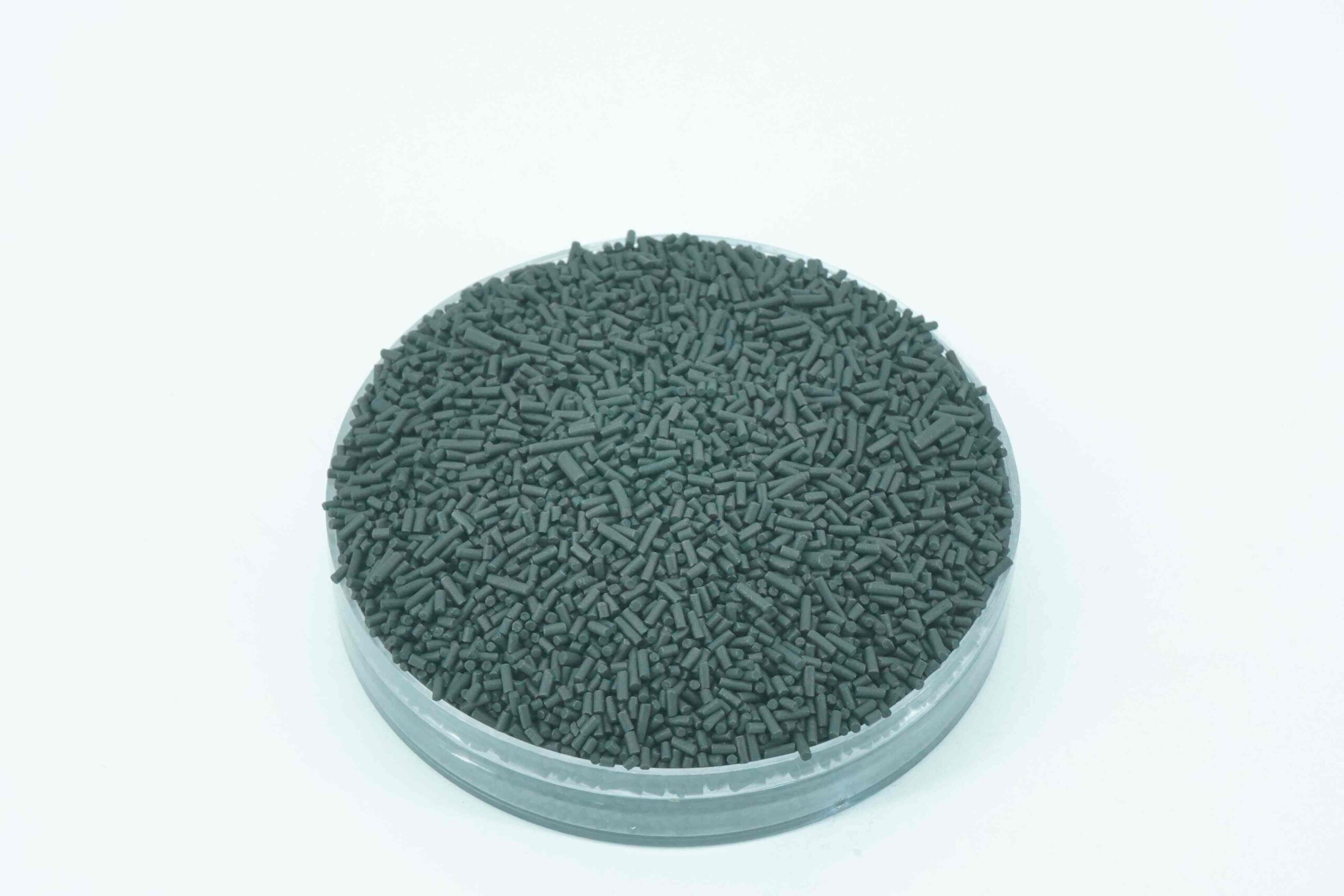
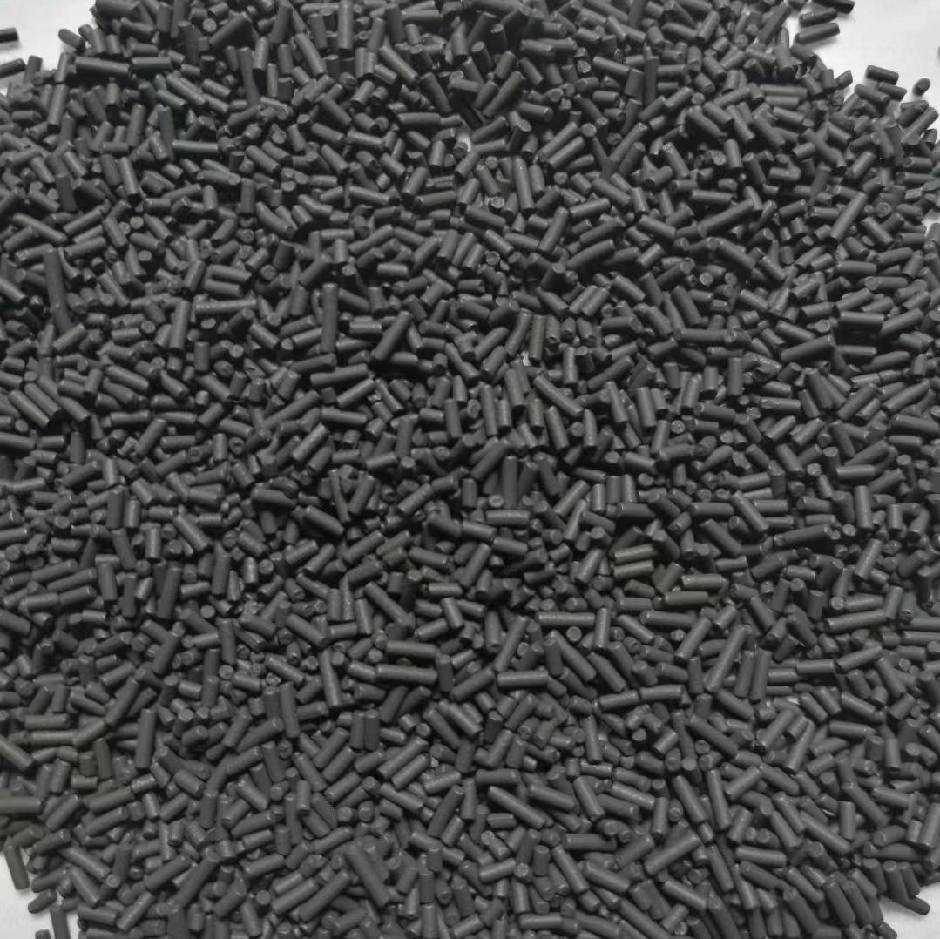
Pressure swing adsorption systems produce high-purity nitrogen by passing compressed air through a bed of carbon molecular sieve. The sieve’s controlled micropores (0.28–0.38 nm) allow smaller oxygen molecules to diffuse into the pore structure and adsorb, while larger nitrogen molecules pass through as product gas.
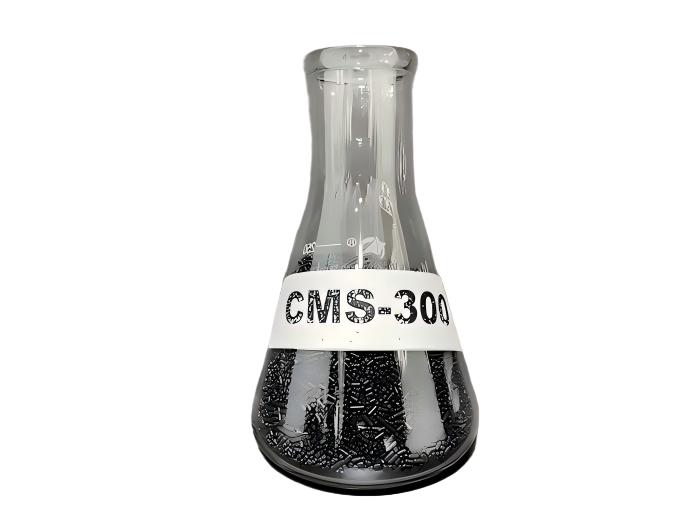
YUANHAO CMS grades (CMS-220 through CMS-330) are engineered for consistent separation performance and long service life. Nitrogen recovery rate scales with target purity:
- 95%–99% purity: 40%–50% recovery, lower CMS charge
- 99.5%–99.9% purity: 30%–40% recovery
- 99.999% ultra-high purity: 15%–25% recovery, requires deoxo polishing step
Under proper feed gas treatment and operation, premium CMS media lasts 5–8 years before replacement.
Membrane Nitrogen Generators
Membrane systems use hollow-fiber membranes to separate oxygen from nitrogen. They produce lower purity gas (95%–99.5%) at lower capital cost, with energy use scaling linearly with volume.
| Technology | Purity Range | Typical Energy Use | Best For |
|---|---|---|---|
| PSA (CMS-based) | 95% – 99.999% | 0.2–0.50 kWh/m³ | Critical processes requiring high and ultra-high purity |
| Membrane | 95% – 99.5% | 0.3–0.5 kWh/m³ at 95% purity | Utility inerting, low-priority blanketing |
For biopharma, PSA is the standard for critical processes requiring ≥99.9% purity. Many facilities use both technologies: PSA for critical applications, membrane for general utility inerting to optimize total cost.
Key Applications in Biopharmaceutical Manufacturing
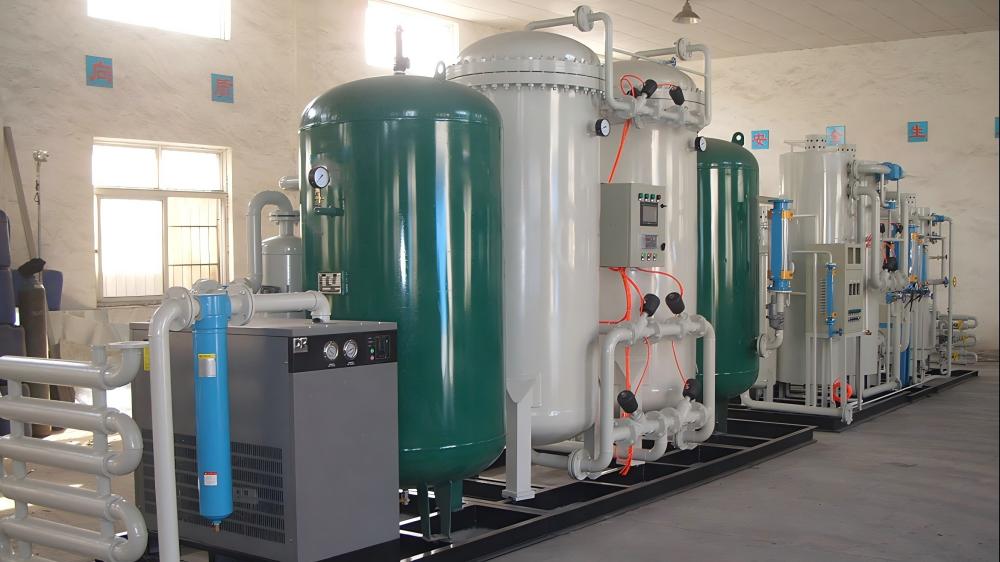
Nitrogen serves distinct roles across biopharmaceutical production, each with specific purity and reliability requirements.
High-Purity Critical Processes
These applications require 99.9%+ purity and consistent gas quality:
- Cell culture & fermentation: Nitrogen acts as a carrier gas to control dissolved oxygen levels in media, and maintains anaerobic headspace in bioreactors. Purity fluctuations can introduce oxygen that disrupts metabolic pathways and reduces yield.
- Lyophilization: Nitrogen backfills vials and chambers to break vacuum and seal products under inert atmosphere, protecting cake structure and extending shelf life.
- Product blanketing: Nitrogen fills headspace in storage tanks and reactors to prevent oxidation of active pharmaceutical ingredients and intermediates, preserving potency and preventing impurity formation.
- Process inerting & purging: Reactors, transfer lines and centrifuges are purged with nitrogen before product changeover to remove moisture, oxygen and residual solvents, preventing cross-contamination.
General Utility Applications
Lower-purity tasks (95%–99% purity) include general equipment inerting, packaging line support, and non-critical blanketing. Membrane generators are well suited for these uses to reduce capital cost.
All pharmaceutical nitrogen systems must be validated for GMP compliance. Continuous monitoring of dew point and oxygen content, paired with periodic revalidation, maintains a full audit trail for regulators.
How to Select a Nitrogen Generator for Biopharma

1. Start with Purity Requirements
First identify your most demanding application’s purity, dew point and pressure specifications, then size the system to meet that threshold. PSA with high-grade CMS is required for applications above 99.9% purity.
2. Size for Peak Demand, Not Average
Batch purging and process changeovers create short, high-demand spikes. Size generators around peak purge flow rather than average use, and include sufficient receiver storage to maintain steady point-of-use pressure. Account for simultaneous draw points across the facility.
3. Plan for Scalability
Modular system designs allow capacity expansion by adding additional generation modules. Smart control systems adjust output in real time to match demand, optimizing both purity and energy efficiency as production grows.
4. Prioritize GMP-Ready Validation
Choose systems with documented validation packages compatible with IQ/OQ/PQ protocols. Carbon molecular sieve selection directly impacts long-term performance and consistency — YUANHAO CMS grades (CMS-240, CMS-260, CMS-300, CMS-330) are engineered to match specific purity and cycle requirements for pharmaceutical applications.
FAQ
What purity level does a biopharma facility need?
It depends on the application. Critical processes like cell culture, lyophilization and product blanketing typically require 99.9% or higher. General utility inerting can operate at 95–97%. PSA systems can reach up to 99.999% for ultra-critical applications.
Which technology works best for high-purity biopharma applications?
Pressure swing adsorption (PSA) with high-quality carbon molecular sieve is the standard for purity above 99.9%. YUANHAO CMS grades feature controlled 0.28–0.38 nm pore sizes and a 5–8 year service life under proper conditions. Membrane systems are a cost-effective choice for lower-purity utility applications.
How do facilities validate nitrogen generators for GMP?
Validation follows IQ/OQ/PQ protocols, with full documentation for FDA, EMA and ICH Q7 audits. Facilities continuously monitor dew point and oxygen content, and perform periodic revalidation. A documented validation package is required for regulatory inspections.
What is the typical payback period for a pharmaceutical nitrogen generator?
Most systems pay for themselves in 1–3 years. Payback speed depends on daily nitrogen consumption: higher volume facilities see faster returns. Savings come from eliminated cylinder/liquid nitrogen purchases and reduced logistics costs.