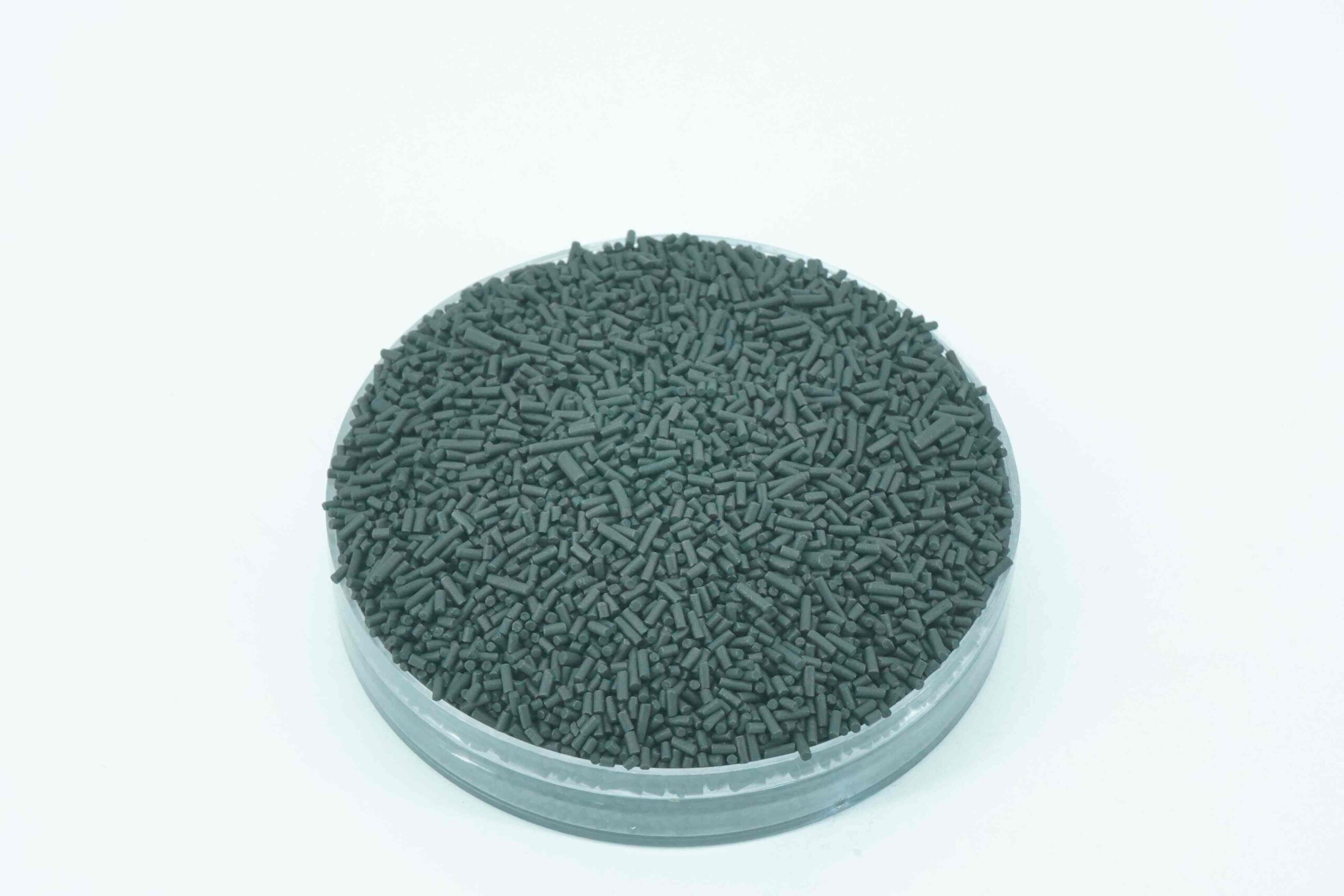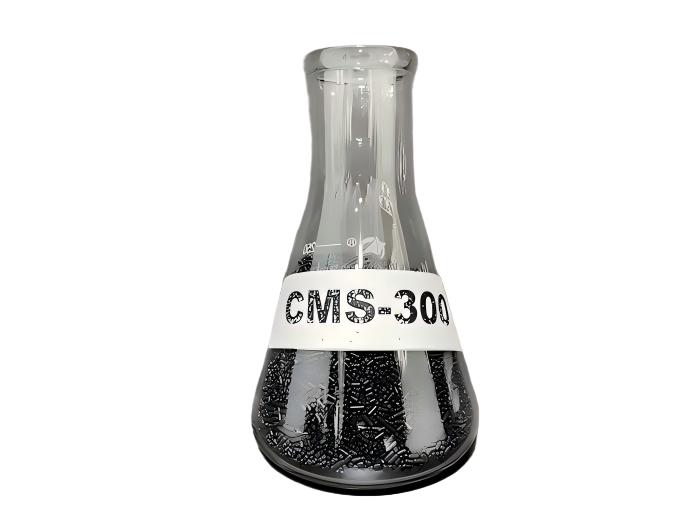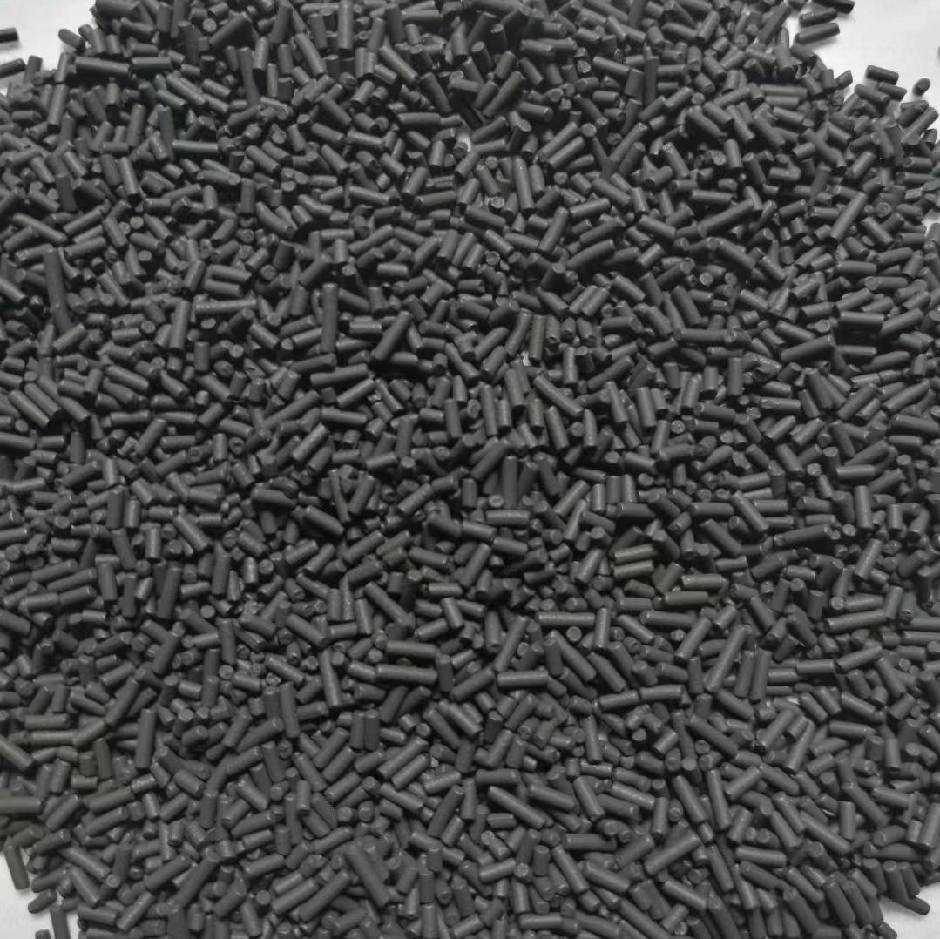
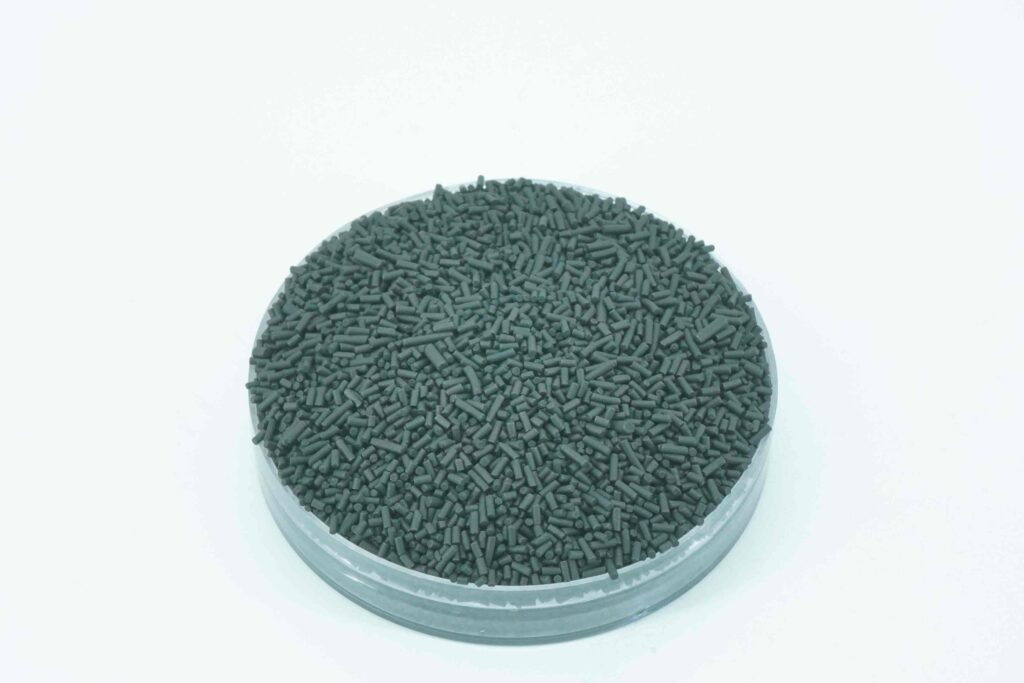
Daily carbon molecular sieve (CMS) maintenance follows four repeatable core tasks: full system inspection, real-time performance monitoring, feed air pretreatment cleaning, and minor operational adjustments. This routine works universally for all mainstream CMS grades: CMS-220, CMS-240, CMS-260, CMS-280, CMS-300, and CMS-330.
Key Takeaways
- Complete a 10-minute CMS inspection every shift to catch faults early and maximize media service life.
- Log pressure, temperature, feed flow, dew point, and nitrogen purity daily to track gradual performance decay.
- Multi-stage filters and dryers are critical contamination barriers; daily checks block moisture and oil — the top two causes of CMS failure.
- Tune PSA cycle timing and inlet flow to match your CMS grade for steady adsorption efficiency.
- Resolve rising pressure drop and purity decline immediately to avoid irreversible CMS pore damage.
Why Daily CMS Maintenance Matters
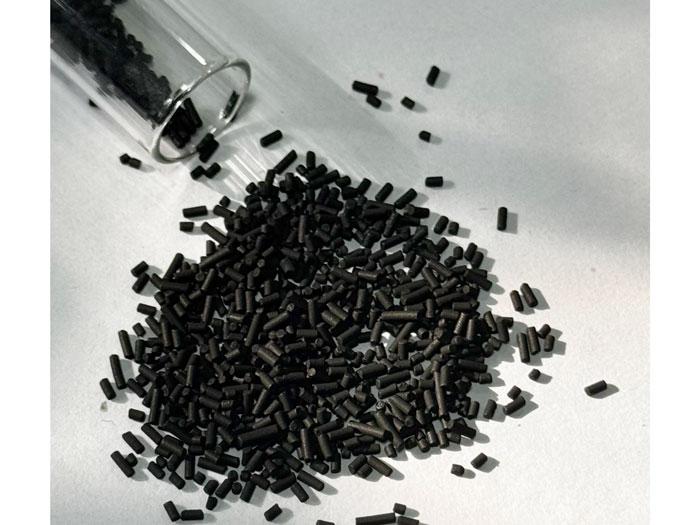
CMS is a granular black adsorbent inside pressure swing adsorption (PSA) nitrogen generators. It separates oxygen and nitrogen via selective micropore adsorption: oxygen penetrates the pores far faster than nitrogen, producing high-purity gas. Its service life depends entirely on unblocked, intact pore structures.
Moisture clogs pores permanently, while oil forms a non-removable film over CMS particles. Either contaminant cuts separation efficiency drastically, and both cause far more damage than natural aging. Without daily monitoring, performance degrades silently, leading to frequent downtime, expensive media replacement, and higher energy consumption.
Standard CMS beds deliver 5–10 years of service under normal operating conditions. Daily preventive maintenance safeguards this lifespan with two core benefits: lower long-term repair costs and continuous stable on-site nitrogen supply.
How Contamination Shortens CMS Lifespan
Heavy hydrocarbon oil and moisture are the two dominant threats to CMS performance:
- High-boiling oil aerosols form a thin film wrapping CMS pellets, filling micro and macro pores. Standard regeneration cannot fully remove this film, raising mass transfer resistance and drastically lowering oxygen adsorption capacity. CMS appears visually intact but fails to hit target nitrogen purity.
- Liquid water and high-dew-point air cause capillary condensation inside pores, cracking pellets, triggering bed channeling and unstable purity.
Multi-stage feed air filtration and dryer systems act as the first line of defense. For lightly contaminated CMS, controlled thermal regeneration can partially restore capacity. Daily filter and dryer inspections stop contaminants before they reach the adsorber bed.
All CMS grades share identical maintenance standards. For carbon molecular sieves, prevention is always more cost-effective than reactivation or full replacement. A 10-minute daily check prevents years of unreliable nitrogen production.
Task 1: Daily Full System Inspection
Spend 5 minutes touring the adsorber vessel, piping, flanges, valves, and connections with a shift checklist:
- Check all fittings, gaskets, and welds for loose joints, oil stains, water drips, and audible air hissing. Tiny air leaks draw moisture into the adsorber and ruin CMS selectivity.
- Open adsorber access panels to inspect the CMS bed surface for uneven layers, dark discoloration, or channeling. Tighten loose flange bolts to maintain sealed pressure.
- Inspect drain valves at the adsorber bottom; briefly open drains to discharge accumulated liquid condensate. Leaking drain valves let ambient humidity enter the bed.
- Audit PSA control valves: watch for slow movement, abnormal noise, and overheated solenoid coils (coils should feel warm, not hot). Sticking valves disrupt the standard 40–50 second adsorption cycle and destabilize purity.
Task 2: Monitor & Log Key Performance Metrics
Record data at the same fixed time every shift in a dedicated logbook to track gradual performance drift.
Core monitored indicators:
- Adsorption pressure, feed air temperature, inlet dew point, inlet flow rate
- Real-time nitrogen purity (even a 0.1% drop requires troubleshooting)
- Full bed pressure drop across the adsorber
- Standard adsorption cycle length (target: 40–50 seconds for most CMS grades)
How to interpret trend data
- Fluctuating pressure signals valve leakage or clogged pre-filters
- Elevated feed air temperature slows oxygen adsorption speed
- Gradually shortening adsorption cycles indicate declining CMS capacity
- Rising pressure drop means CMS pellet powdering, compaction, or filter blockage
Single abnormal readings do not equal CMS damage; retest after 15 minutes. Consistent negative trends confirm contamination or hardware faults. Also verify dryer dew point daily — maintain dew point ≤ -40°C to limit inlet moisture below 50 ppm and protect CMS pore integrity.
Task 3: Prevent Contamination (Clean Filters & Dryers)
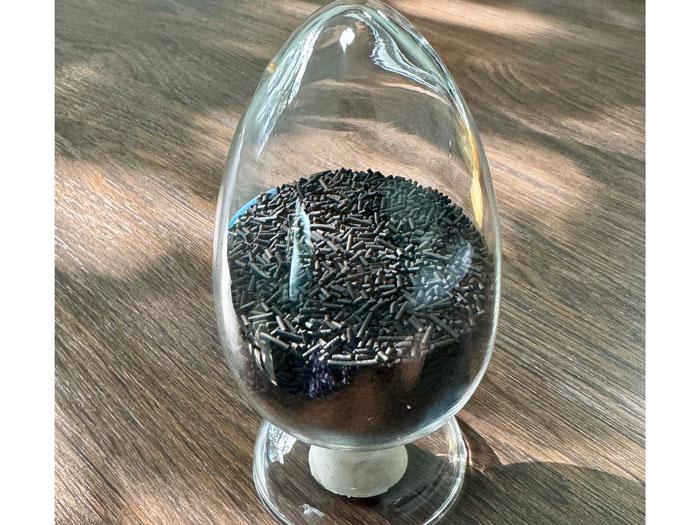
Moisture and compressor oil are the two dominant CMS contaminants. Daily pretreatment maintenance stops contamination at the source.
Storage rules for unused CMS
Store CMS in fully sealed dry drums; reseal opened containers immediately and follow stock rotation to avoid humidity absorption before loading.
Daily filter & dryer inspection
- Visually check multi-stage filter elements for oil residue and water stains. Replace elements once bed pressure drop rises above baseline.
- Confirm refrigerated/adsorption dryers run complete cycles without interruption. A faulty dryer allows water vapor to flow straight into the CMS bed.
- Replace dryer desiccant when dew point readings climb out of specification.
Reactivation for lightly contaminated CMS
If moisture or minor oil enters the bed, perform reactivation to recover adsorption capacity:
| Regeneration Parameter | Standard Value |
|---|---|
| Heating temperature | 250–350°C |
| Continuous purge duration | 4–8 hours |
| Purge medium | Dry nitrogen |
| Allowable CMS moisture content | ≤0.8% |
First rinse CMS pellets with acetone to strip organic oil residue, then run thermal regeneration. Strictly follow manufacturer temperature limits — excessive heat destroys CMS pore structure, while insufficient heat leaves contaminants trapped. Severe oil impregnation cannot be reversed and requires full CMS bed replacement.
Task 4: Adjust Operating Parameters for Your CMS Grade
Each CMS model (CMS-220 through CMS-330) has unique design ranges for flow, cycle timing, and purity targets. Optimize settings daily to match your installed grade.
Basic physical CMS specs for reference: bulk density 650–690 g/L, pellet diameter 1.0–1.8 mm.
- Calibrate inlet flow and working pressure within the grade’s design window: excessive flow cuts nitrogen purity; underutilized flow wastes compressor energy.
- Cross-check PSA valve timing against the manufacturer’s official sequence. Misaligned timing shortens adsorption cycles and accelerates CMS wear.
- Verify regeneration pressure and purge flow daily. Stable regeneration eliminates residual moisture and adsorbed oxygen, maintaining consistent CMS performance long-term.
FAQ
How frequently should operators inspect the CMS system?
Complete the full 10-minute maintenance checklist once every working shift. Inspect all adsorber hardware and log all performance metrics daily to prevent irreversible media damage.
What signs indicate CMS oil/moisture contamination?
Key indicators include oil odors on CMS pellets, wet/clumped adsorbent, discolored media, water stains inside adsorber towers, and unexpected continuous nitrogen purity drop. Early detection enables regeneration recovery before permanent failure.
Can contaminated carbon molecular sieve be restored?
Light moisture or minor oil contamination can be recovered via acetone rinsing followed by 4–8 hours of thermal regeneration at 250–350°C with dry nitrogen purge. Heavily oil-saturated CMS cannot be restored and requires full bed replacement. Always consult the manufacturer before reactivating media.
What is the typical service life of CMS media?
With consistent daily maintenance and clean dry feed air, standard CMS grades last 5–10 years; properly maintained CMS-330 can reach 20+ years. Skipping daily filter and dryer checks cuts service life drastically.
What triggers sudden pressure drop inside the PSA CMS system?
Abrupt pressure instability stems from blocked filters/piping, leaking intake pipelines, or faulty control valves. Slow purity decline is the key differentiator for CMS moisture/oil contamination. Always inspect piping and valve components first during troubleshooting.