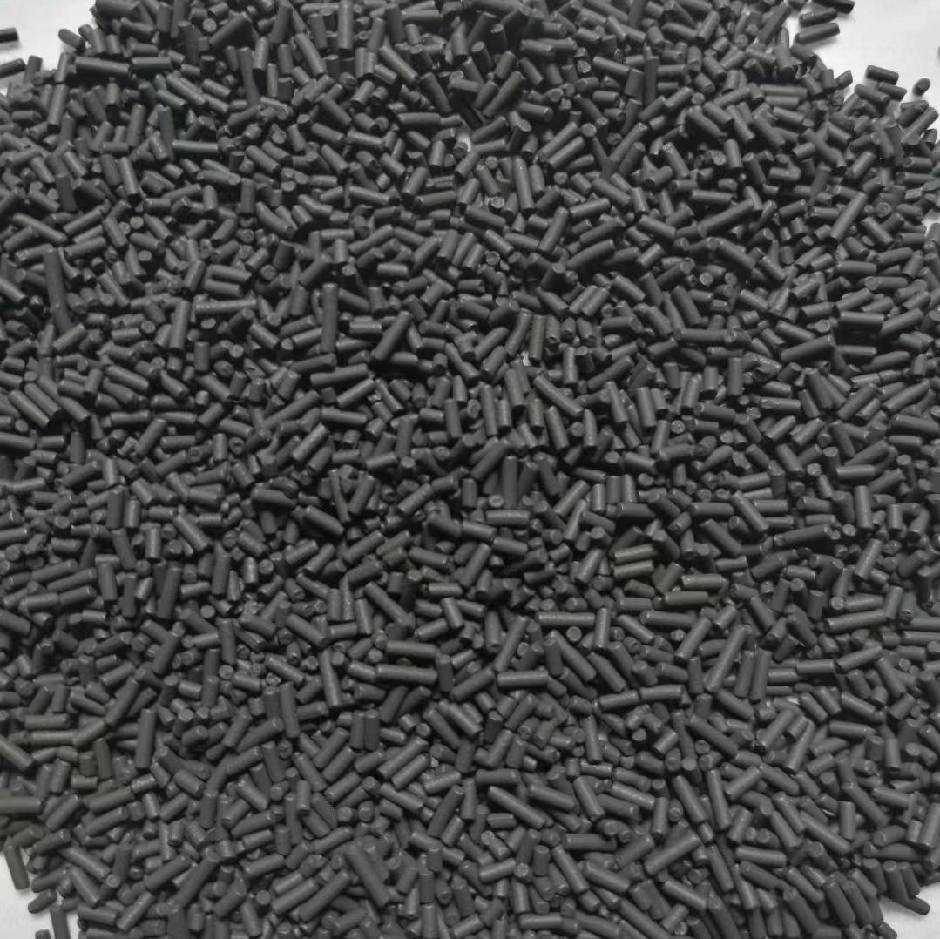
Carbon molecular sieve (CMS) is the core adsorption component inside PSA (pressure swing adsorption) nitrogen generators. Its service life depends heavily on feed air quality, operating hours, and maintenance practices. Under standard industrial conditions, CMS typically needs replacement every 3 to 6 years. High-grade YUANHAO CMS can last 5 to 8 years under ideal conditions, and with proper pre-treatment and routine maintenance, service life can extend to 15–20+ years.
Key Takeaways
- Standard carbon molecular sieve replacement intervals range from 3–6 years; premium CMS lasts 5–8 years in clean, dry operating conditions.
- Falling nitrogen purity, reduced output, rising pressure drop, and slower adsorption cycles are the top warning signs of worn-out CMS.
- Feed air quality is the single biggest factor in service life: oil vapor and moisture can cut CMS life to 3 years or less.
- A 10–15% fresh media top-up every 3–5 years compensates for annual attrition and stabilizes nitrogen production without full bed replacement.
- Performance checks every 6–12 months let operators schedule replacement proactively instead of reacting to failures.
Signs Your Carbon Molecular Sieve Needs Replacement
Watch for these measurable performance declines to identify degrading media before full failure:
- Steady nitrogen purity decline: Purity drops below design specifications and cannot be restored by adjusting cycle times. Purity may also fluctuate unpredictably.
- Reduced nitrogen output: Production volume drops noticeably even with unchanged inlet air flow and compressor speed.
- Rising pressure drop: A pressure drop increase of more than 20% from baseline signals compacted pellets or powdering restricting gas flow. Black dust at the exhaust outlet confirms CMS particle breakdown.
- Slower adsorption cycles: Time to reach target purity stretches by 20% or more, indicating degraded micropore adsorption capacity and brittle pellet structure.
Four root causes drive most CMS degradation: natural aging, oil contamination, moisture intrusion, and improper operation. Rapid pressure swings can shift the media bed and cause channeling, while liquid carryover can fracture pellets on impact. Tracking performance every 6–12 months catches these issues early.
Factors That Determine Carbon Molecular Sieve Lifespan
Feed Air Quality (Largest Impact)
Clean, dry, oil-free compressed air is the strongest predictor of long CMS life. Oil aerosols and water vapor permanently block adsorption pores, causing premature failure far more often than natural aging.
- Oil contamination: Oil vapor from lubricated compressors coats the inner surface of every bead, permanently clogging micropores. This cuts service life to 30–50% of design specifications.
- Moisture damage: Liquid water and high-humidity air create capillary condensation inside pores, cracking pellets. Symptoms include unstable purity, shrinking bed volume, dust in filters, and rising energy use. Inlet humidity should stay below 50 ppm, with a dew point of -40°C or lower.
Refrigerated dryers, adsorption dryers, and multi-stage precision filters remove oil, dust, and water to protect the CMS bed.
Operating Hours & Maintenance Practices
Most CMS manufacturers recommend replacement around 40,000 operating hours — roughly 4.5 years of 24/7 continuous operation. CMS ages fastest under continuous duty, but most industrial failures stem from neglect, not age.
- Scheduled filter element replacement keeps oil and dust from reaching the bed.
- Monitoring for compressor oil carryover catches contamination early.
- Checking for line rust prevents particulate buildup that raises pressure drop.
- Strict adherence to regeneration temperature, purge flow, and cooling time standards prevents bed damage.
Disciplined upkeep and clean feed air deliver 5–8 years of reliable service. Poor maintenance cuts that to 3–5 years or less.
Recommended Replacement Intervals & How to Extend CMS Life
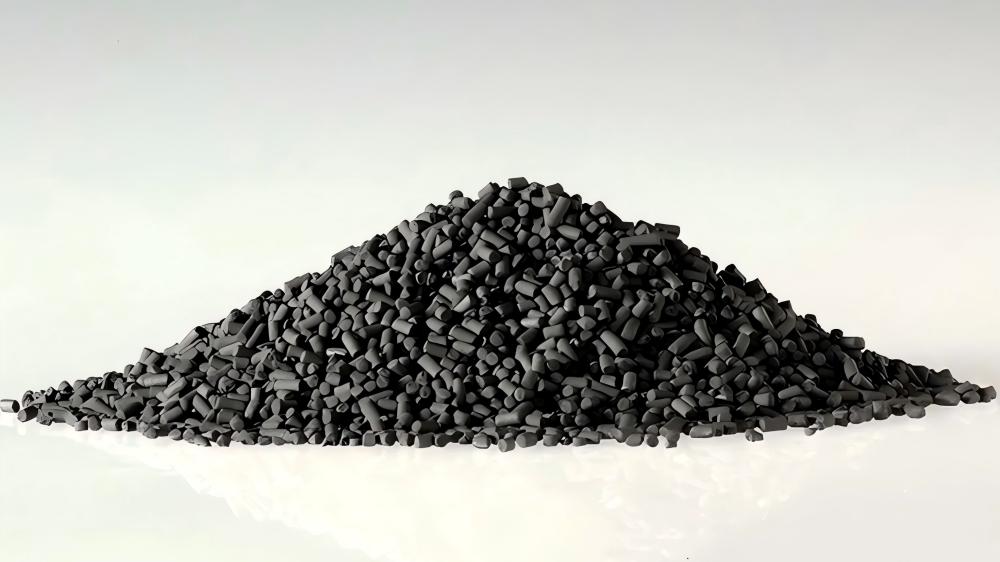
Standard Replacement Schedule
- Full bed replacement: Every 3–6 years for typical industrial operating conditions.
- Media top-up: Add 10–15% fresh CMS every 3–5 years to offset annual attrition and maintain steady output.
- Condition-based replacement: Do not rely only on a calendar schedule. Check nitrogen purity, pressure drop, and flow rate every 6–12 months. Plan full replacement when two or more warning signs appear together.
Practical Tips to Extend CMS Life
- Upgrade feed air pre-treatment with an activated carbon oil remover and high-efficiency filtration.
- Perform routine maintenance: drain traps regularly, replace filter elements every 400 hours, and verify dryer cooling performance.
- Keep operating parameters stable: maintain pressure at 5–8 kg/cm² and follow proper regeneration cycle times.
- Avoid rapid pressure swings that can shift the media bed, cause channeling, or accelerate powdering.
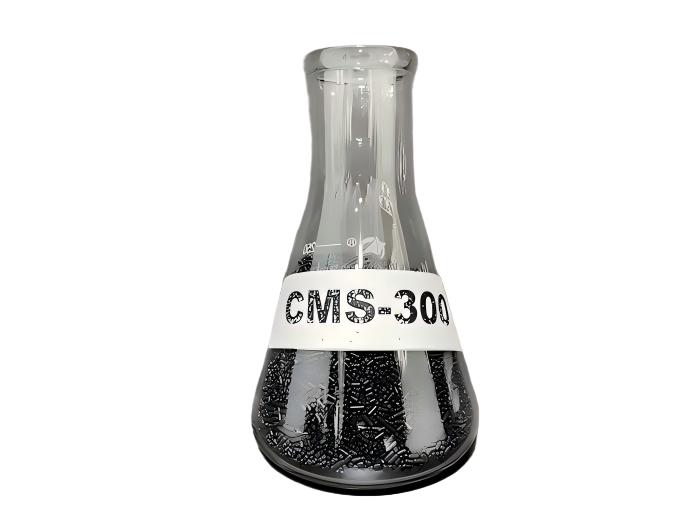
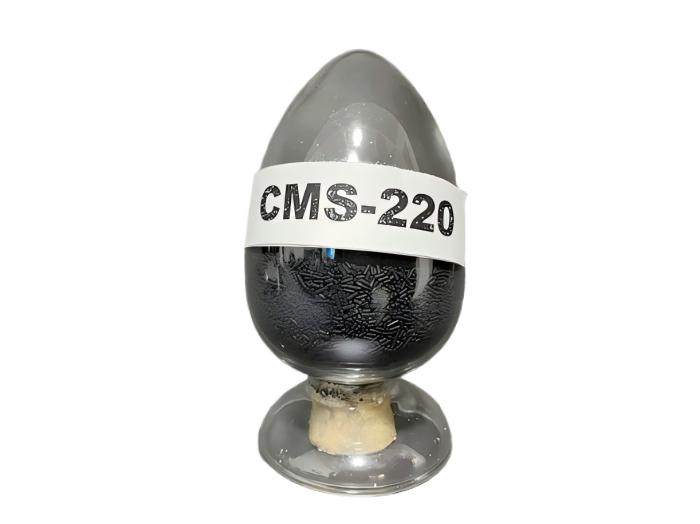
YUANHAO offers six CMS grades from CMS-220 to CMS-330, each with pellet strength of at least 100 newtons per piece. When paired with proper pre-treatment and operating practices, these deliver 5–8 years of steady nitrogen output.
FAQ
How long does a carbon molecular sieve last in a PSA nitrogen generator?
Under standard industrial conditions, 3 to 6 years. With clean, dry, oil-free feed air, premium YUANHAO CMS can last 5 to 8 years. Always base replacement on actual performance data rather than just a calendar schedule.
What signs show carbon molecular sieves are nearing replacement?
Falling nitrogen purity, reduced gas output, rising pressure drop across the bed, and slower adsorption cycles are the clearest indicators. Checking these values every 6–12 months lets operators plan replacement before a failure stops production.
Can operators top up a molecular sieve rather than replace the whole bed?
Yes. It is standard practice to add a 10–15% top-up of fresh media every 3–5 years to cover normal annual attrition. Full bed replacement is required when purity stays low and pressure drop continues to rise despite top-ups.
Why does air quality matter for nitrogen generator molecular sieves?
Clean, dry, oil-free air preserves the micropore structure of the sieve. Oil vapor and liquid water permanently block adsorption sites. Poor pre-treatment can cut CMS life to 3 years or less, while proper filtration and drying extend life to 5–8 years.
What maintenance habits extend CMS service life?
Replace filter elements on schedule, verify dryer performance regularly, maintain inlet dew point at -40°C or lower, and avoid rapid pressure swings. These practices reduce powdering and compaction, preserving full adsorption capacity.