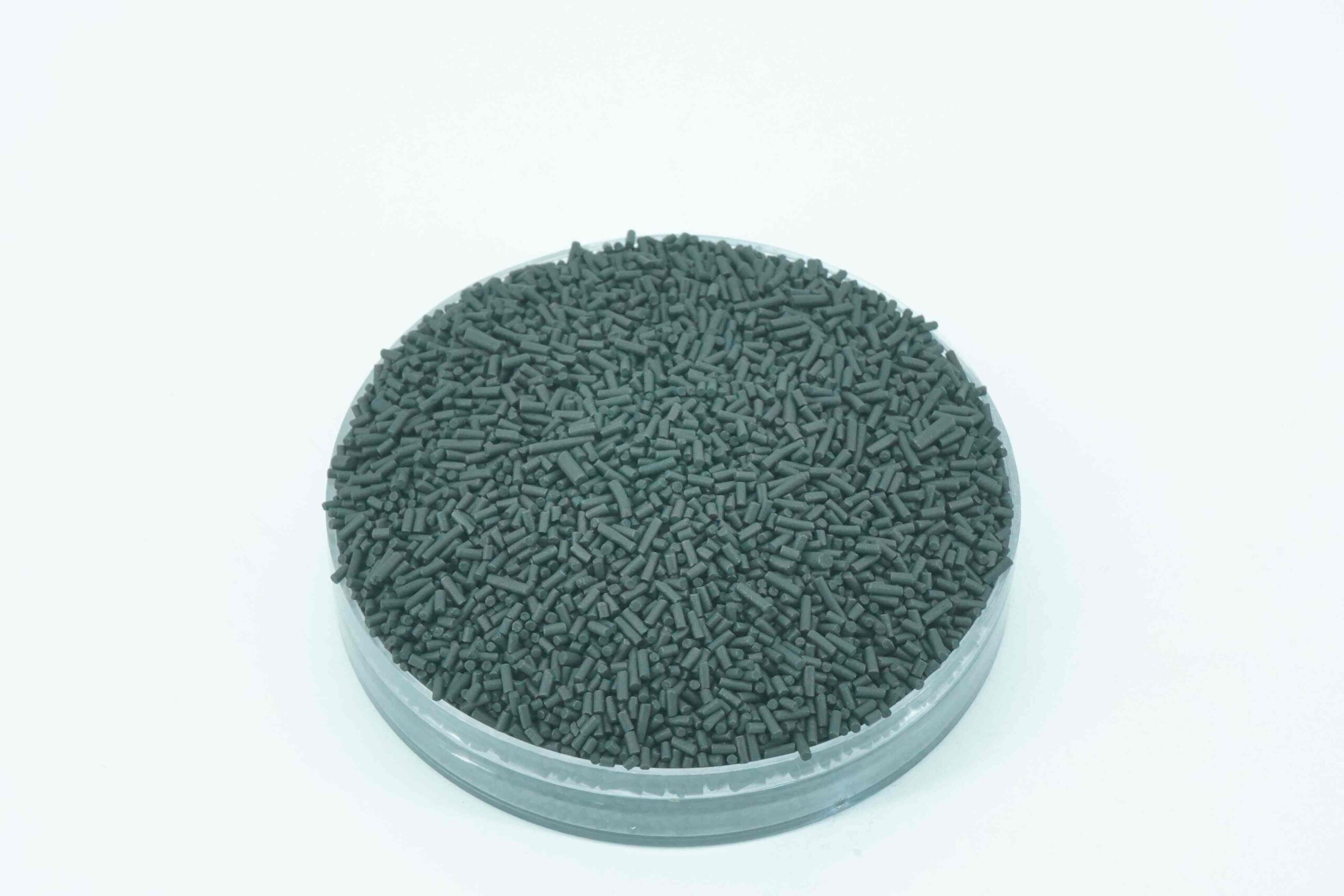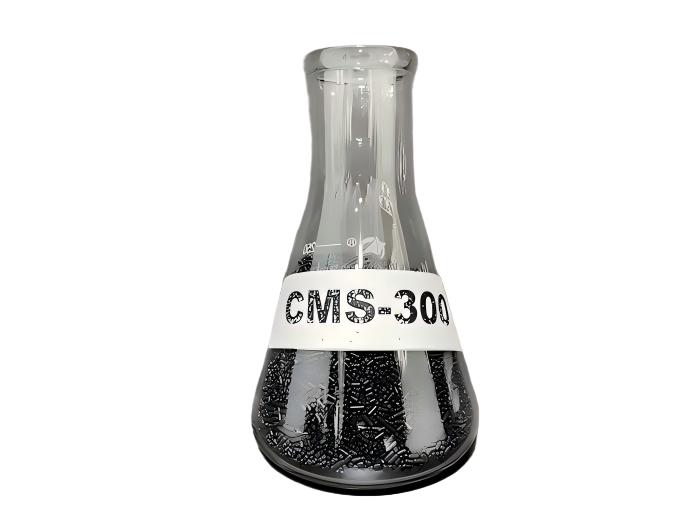
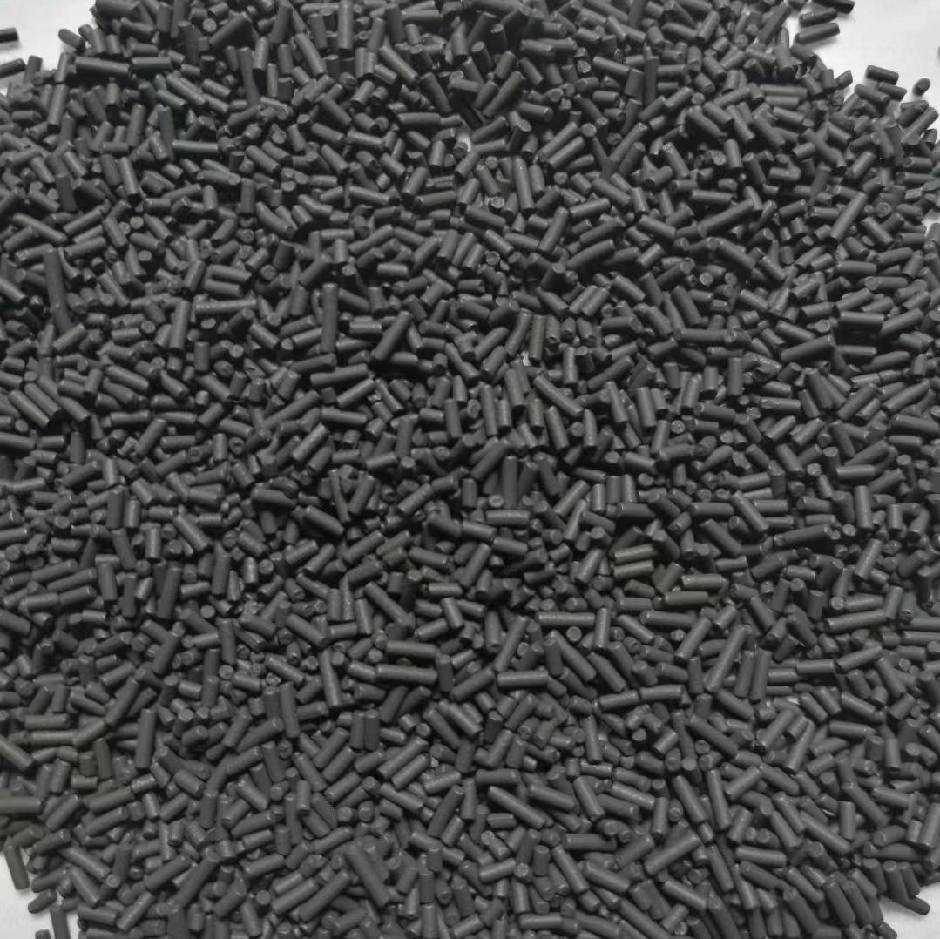
Testing carbon molecular sieve (CMS) quality relies on three core categories of evaluation — physical integrity, adsorption performance, and chemical purity. These tests verify the material meets performance standards for PSA nitrogen generation and gas separation, and directly impact service life and operational reliability. This guide breaks down each test type, acceptance criteria, and a scheduled testing routine for incoming inspection and operational monitoring.
Key Takeaways
- Physical testing verifies crush strength, particle size, and bulk density to ensure the sieve withstands repeated pressure cycling.
- Adsorption performance testing measures nitrogen capacity and oxygen selectivity to confirm gas separation efficiency.
- Chemical purity checks control moisture, ash content, and trace contaminants that poison or degrade the sieve structure.
- Standard quality benchmarks include ≥100 N per pellet crush strength, 0.28–0.38 nm pore size, and ≤0.8% moisture content.
- Schedule incoming inspection for new shipments, quarterly on-site checks, and annual lab analysis to maximize service life.
1. Physical Integrity Testing for CMS
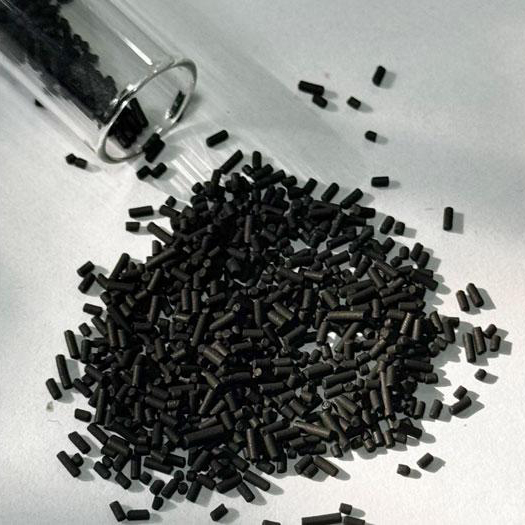
Physical testing is the first tier of CMS quality control, verifying the material can survive years of pressure cycling, gas flow, and handling without pulverizing.
Crush Strength & Attrition Resistance
Crush strength measures the maximum force a single pellet can withstand before fracture.
- Standard benchmark: ≥100 N per pellet for premium grade CMS; economy grades may rate 80–100 N.
- Why it matters: Repeated pressure swings, gas velocity, and bed settling exert continuous stress on pellets. Weak particles pulverize over time, creating fines that block valves, increase pressure drop, and reduce bed permeability.
Attrition resistance simulates tumbling and handling during filling and transport to predict powder formation over time. Reducing attrition can extend CMS service life by 40–80%, avoiding major replacement costs over the equipment lifecycle.
Particle Size & Bulk Density
- Particle diameter: Standard nitrogen-generation CMS pellets range from 1.0–1.8 mm. Smaller particles speed gas diffusion kinetics; larger particles reduce system pressure drop.
- Bulk density: Typical range is 650–690 g/L (660–670 g/L for CMS-280 grade). Bulk density directly impacts adsorption capacity and mechanical bed stability. Poor packing leads to particle movement and abrasion during pressure cycling, causing premature degradation.
Deviations from these baseline specs often indicate contamination or manufacturing defects.
2. CMS Adsorption Performance Testing
Adsorption characterization is the most critical part of quality control, validating real-world gas separation performance under operating conditions.
Core Performance Metrics
Key indicators define separation capability:
- Nitrogen adsorption capacity: Total gas the sieve can adsorb at equilibrium, measured via isotherm analysis.
- Oxygen selectivity: Preferential adsorption of oxygen over nitrogen. Higher selectivity delivers higher nitrogen purity with shorter cycle times.
- Breakthrough time: When oxygen first appears in the product gas stream. Later breakthrough indicates higher capacity and better separation.
- Regeneration efficiency: How completely adsorbed oxygen is released during the desorption step.
- Long-term cycle stability: Performance retention over hundreds or thousands of pressure cycles.
Pore Size Verification
Carbon molecular sieves rely on a precisely controlled pore size range of 0.28–0.38 nm to separate oxygen (faster diffusion) from nitrogen (slower diffusion). Pore size distribution analysis confirms internal pores fall within this target range. Any shift indicates contamination or structural damage.
PSA Simulation Testing
Bench-scale PSA tests replicate real operating conditions to verify separation performance. A standard test setup uses:
- 7 atm adsorption pressure, 58-second half-cycle
- 5-second boost, 0.4-second isostatic pressure, 0.2-second purge
- 26 mm diameter × 1500 mm length adsorption column, 500 g CMS charge
Outlet oxygen concentration measurement confirms nitrogen purity performance. Gravimetric adsorption testing with a quartz spring apparatus provides direct measurement of equilibrium adsorption, 1-minute adsorption rate, and selectivity values.
3. Chemical Purity Testing of CMS
Chemical purity testing identifies contaminants that degrade sieve performance or weaken particle structure.
Ash Content & Moisture Level
- Ash content: Measures inert non-carbon residue after combustion. High ash reduces active adsorption surface area.
- Moisture content: Premium CMS maintains ≤0.8% moisture. Liquid water ingress causes a sharp drop in particle strength and rapid pulverization, cutting service life to 2–3 years.
Contaminant Impact on Performance
| Contaminant | Effect | Mechanism |
|---|---|---|
| Water vapor | Reversible + irreversible capacity loss; reduced oxygen selectivity | Competitive adsorption + physical pore structure damage |
| Oil aerosol/vapor | Permanent sieve poisoning; irreversible capacity loss | Coats pore surfaces; does not desorb under normal PSA conditions |
| Particulate matter | Valve erosion, bed attrition, higher pressure drop, channeling | Mechanical damage to particles and valve seats; fines accumulation |
Trace Element Analysis
Trace metal and impurity analysis detects contaminants at very low levels that can cause unwanted reactions or block pores. X-ray analysis and pore size distribution measurement confirm structural integrity and detect degradation.
When to Perform CMS Quality Testing
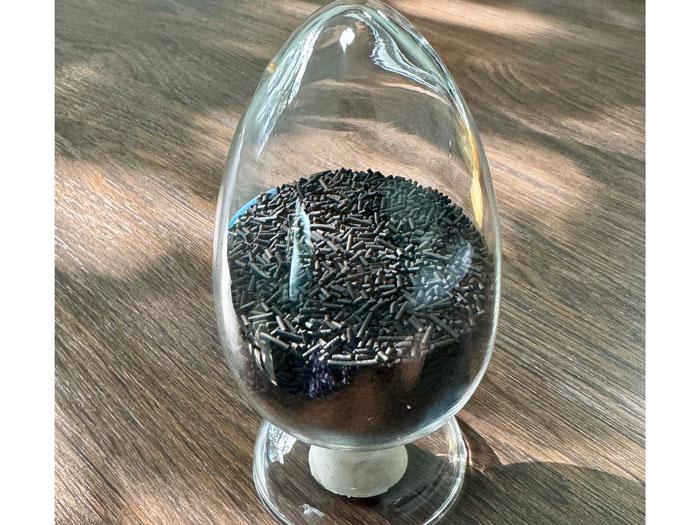
Incoming Inspection & Supplier Qualification
Testing starts when a shipment arrives:
- Verify part numbers, packaging condition, and quantity.
- For new suppliers or critical applications, run bench testing including crush strength, pore size distribution, and small-scale adsorption trials.
- Review material certificates and compare results to manufacturer specifications.
When comparing CMS suppliers, nitrogen purity is the primary performance metric. Also evaluate adsorption efficiency, mechanical strength, and pore structure uniformity alongside cost and availability.
Operational Monitoring & Lifetime Assessment
During operation, regular testing tracks remaining service life:
- Quarterly: Take gas samples from the adsorption tower for dew point and trace oil detection.
- Annually: Send a bed sample to a lab for full adsorption capacity and surface area analysis.
- Ongoing: Watch for warning signs of degradation: falling nitrogen purity, increased oxygen in product gas, higher compressed air consumption, visible CMS powdering, or frequent system adjustments.
Common failure modes include water flooding, oil contamination, acid gas corrosion, high-temperature breakdown, and dust coking — each produces distinct symptoms that allow early intervention.
FAQ
How long does a carbon molecular sieve last?
Under normal operating conditions with proper feed gas treatment, premium CMS lasts 5–8 years. Poor air quality with water or oil contamination can reduce this to 2–3 years. Regular testing tracks remaining capacity before failure occurs.
What causes early CMS failure?
Water vapor, oil aerosols, and particulate matter are the leading causes. They damage pore structure, reduce capacity, and accelerate particle pulverization. Good front-end filtration and incoming quality control prevent most premature failures.
How do moisture and contaminants affect performance?
Water vapor causes reversible capacity loss and can permanently weaken particle structure. Oil coating permanently blocks micropores and cannot be regenerated. Both reduce nitrogen purity and speed up degradation.
Can I test new CMS before installation?
Yes. Small-scale bench tests including crush strength measurement, pore size distribution analysis, and mini-PSA trials verify performance before full installation. Always compare results to manufacturer specifications.