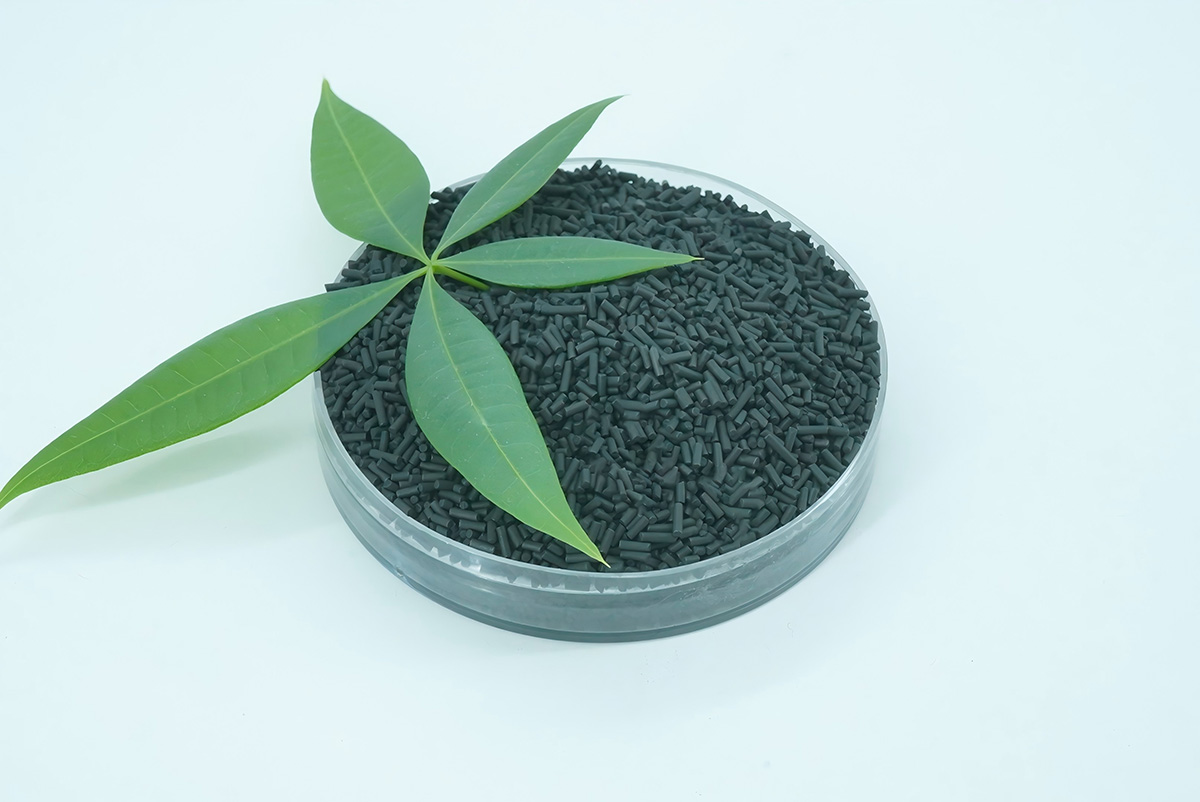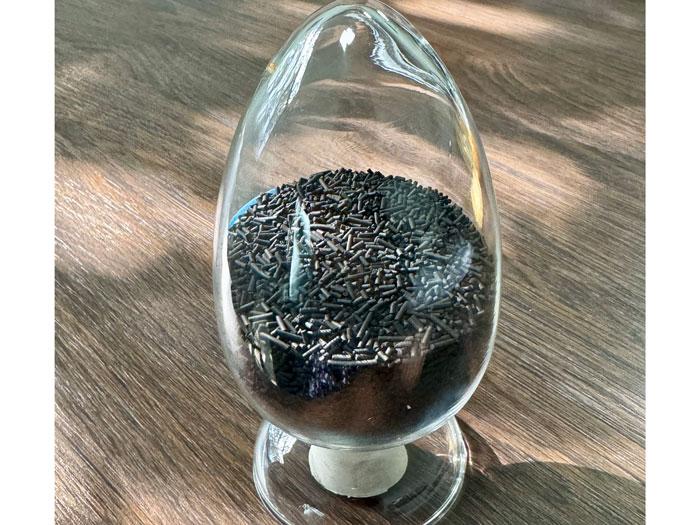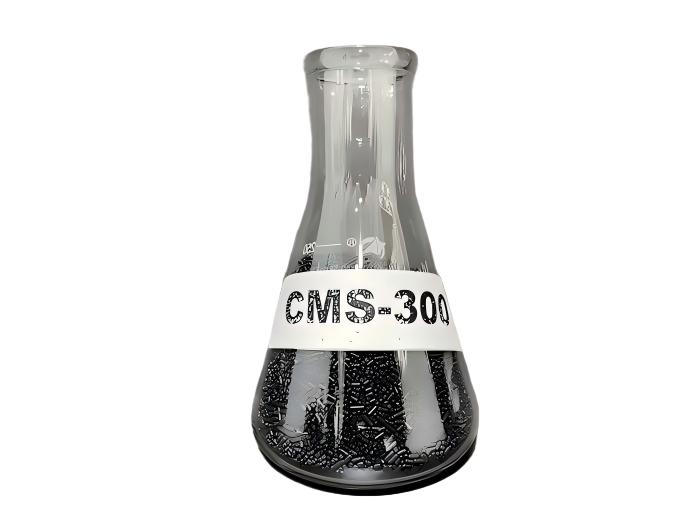
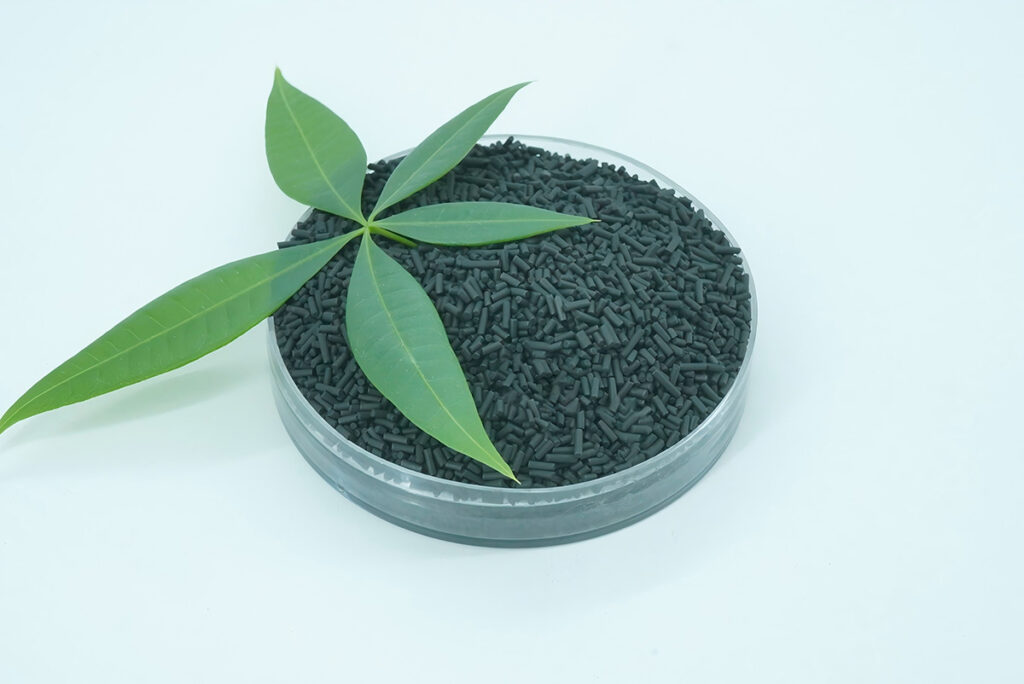
Carbon molecular sieve (CMS) and activated carbon are both carbon-based adsorbents, but they are designed for different separation and purification tasks. CMS is engineered for selective gas separation, while activated carbon is widely used to remove contaminants from gases and liquids.
The main difference lies in their pore structures and adsorption behavior. CMS uses controlled micropores and differences in molecular diffusion to separate gases such as oxygen and nitrogen. Activated carbon has a broader pore structure and relies mainly on adsorption affinity to capture a wide range of contaminants.
Key Takeaways
- CMS is designed for selective gas separation, particularly oxygen-nitrogen separation in PSA nitrogen generators.
- Activated carbon is a general-purpose adsorbent used for contaminants such as VOCs, odors, chlorine, and organic compounds.
- CMS has a more controlled pore structure, while activated carbon has a broader distribution of pore sizes.
- CMS and activated carbon use different regeneration approaches and are not interchangeable for most applications.
- Choose CMS when selective gas separation is required and activated carbon when broad contaminant removal is the main objective.
CMS vs Activated Carbon: Quick Comparison
| Feature | Carbon Molecular Sieve (CMS) | Activated Carbon |
|---|---|---|
| Pore structure | Controlled micropores | Broad pore size distribution |
| Main mechanism | Kinetic separation and selective adsorption | Adsorption based mainly on surface affinity |
| Selectivity | High for specific gas separations | Broad adsorption of many contaminants |
| Main applications | PSA nitrogen generation and gas separation | Air purification, water treatment, VOC removal |
| Typical regeneration | Pressure swing in PSA systems | Thermal, chemical, or other application-specific methods |
| Main selection factor | Gas purity and separation performance | Contaminant type and adsorption capacity |
The exact performance of either material depends on its grade, pore structure, operating conditions, and system design.
What Is the Difference Between CMS and Activated Carbon?
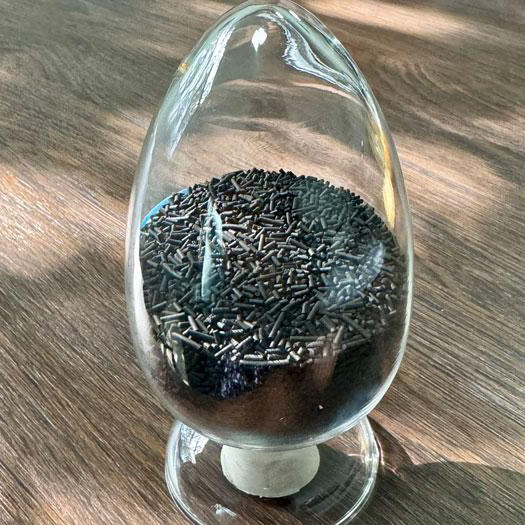
Selectivity and Adsorption Mechanism
The most important difference is what the material is designed to separate or remove.
CMS is engineered for selective gas separation. In a PSA nitrogen generator, its controlled pore structure allows oxygen and nitrogen to behave differently during adsorption and regeneration.
Activated carbon is a broader adsorbent. Its pore structure and surface properties allow it to capture many different contaminants rather than selectively separating a specific gas pair.
Therefore, CMS is generally associated with gas separation, while activated carbon is more commonly associated with purification and contaminant removal.
Pore Structure and Performance
CMS has a relatively narrow and controlled micropore structure designed for molecular selectivity. Activated carbon has a broader pore distribution that can provide adsorption sites for molecules of different sizes.
This structural difference explains why the two materials perform differently:
- CMS: controlled pores → selective gas separation
- Activated carbon: broader pores and high surface area → broader contaminant adsorption
Neither structure is universally better. Performance depends on what the application requires.
Applications and Material Selection
CMS is commonly selected for PSA nitrogen generation because the process requires selective separation of oxygen from compressed air.
Activated carbon is more suitable for applications where the objective is to remove contaminants such as VOCs, odors, chlorine, or organic compounds.
For example:
| Application | More Suitable Material | Reason |
|---|---|---|
| PSA nitrogen generation | CMS | Selective oxygen-nitrogen separation |
| VOC removal | Activated carbon | Broad adsorption of organic compounds |
| Odor removal | Activated carbon | Adsorption of odor-causing compounds |
| Water treatment | Activated carbon | Removal of chlorine and organic contaminants |
| Nitrogen inerting | CMS-based PSA | On-site nitrogen generation |
| Solvent recovery | Activated carbon | Adsorption and recovery of solvent vapors |
CMS vs Activated Carbon: Which One Should You Choose?
Choose CMS for Selective Gas Separation
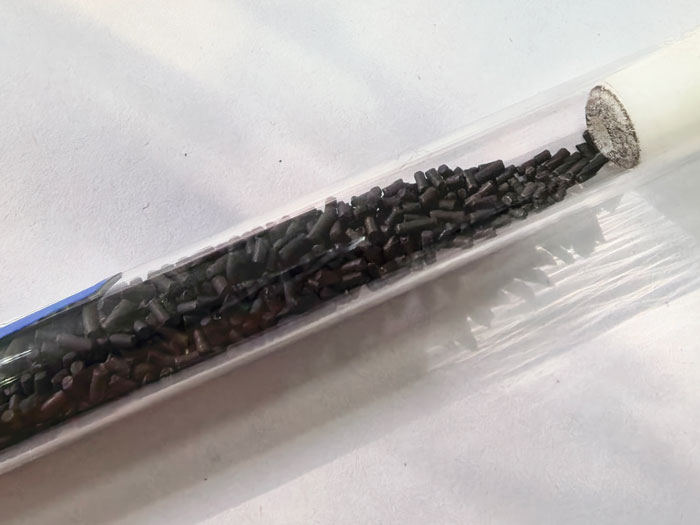
CMS is appropriate when the process requires selective separation of gases, particularly in PSA nitrogen generation.
When selecting CMS, consider:
- Required nitrogen purity
- Nitrogen production rate
- Operating pressure
- CMS grade
- Particle size
- PSA cycle conditions
- Feed-air quality
The CMS should be matched to the PSA generator rather than selected based on purity alone.
Choose Activated Carbon for Contaminant Removal
Activated carbon is generally more appropriate when the objective is to remove contaminants from air, water, or process streams.
Selection factors may include:
- Target contaminant
- Gas or liquid composition
- Required adsorption capacity
- Contact time
- Operating temperature and pressure
- Moisture level
- Regeneration or replacement requirements
Choosing a material based only on its carbon content is not sufficient. Its pore structure and surface properties must match the application.
FAQ
Can CMS Replace Activated Carbon?
Generally, no. CMS and activated carbon are designed for different adsorption and separation functions. CMS is primarily used for selective gas separation, while activated carbon is commonly used for broad contaminant removal.
Which Is Better for Nitrogen Generation: CMS or Activated Carbon?
CMS is specifically designed for the selective gas separation used in PSA nitrogen generation. Activated carbon is not normally used as the primary adsorbent for this oxygen-nitrogen separation process.
Can Activated Carbon Separate Oxygen and Nitrogen?
Activated carbon can adsorb gases, but its broad adsorption behavior does not provide the same selective oxygen-nitrogen separation required by CMS-based PSA nitrogen generators.
What Happens if Moisture Enters a CMS Bed?
Excessive moisture can reduce CMS performance and may contribute to degradation or contamination. Proper compressed-air filtration and drying help protect the CMS bed.
Does CMS Last Longer Than Activated Carbon?
Service life cannot be compared by material alone. CMS and activated carbon operate in different applications and under different conditions. Feed quality, adsorption cycles, regeneration, contaminant loading, and maintenance all affect service life.
Can CMS and Activated Carbon Be Used Together?
They can be used in the same broader treatment system when each material performs a different function, but they are not interchangeable adsorbents. For example, activated carbon may be used for contaminant removal in air pretreatment, while CMS performs the selective gas separation in a PSA nitrogen generator.