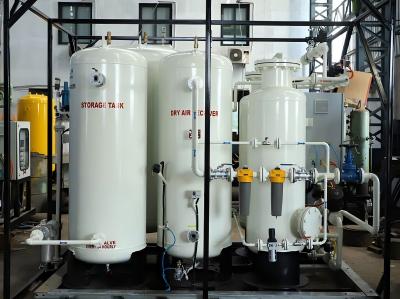
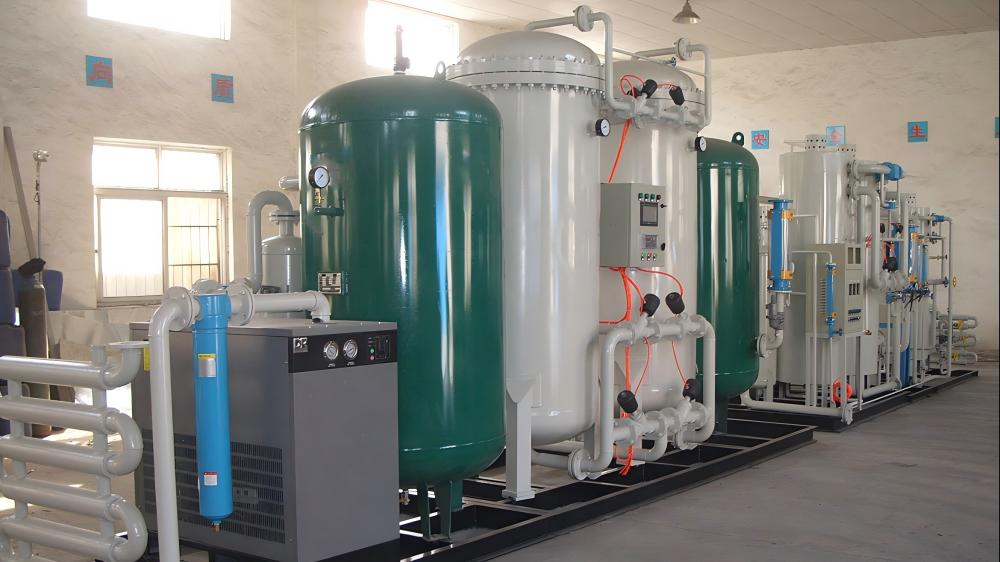
Nitrogen generators are extremely useful for many industries. Businesses typically recoup their investment in about 17 months. Afterward, they can save nearly $25,000 annually. This is more cost-effective than buying takeout nitrogen. Nitrogen is essential for food preservation and product manufacturing. Advanced systems such as PSA using carbon molecular sieves can help businesses secure a stable nitrogen supply and reduce costs.
Key Takeaways
- Nitrogen generators can help businesses save significant amounts of money. The cost recovery is typically achieved in 18 to 24 months. On-site nitrogen generation is far cheaper than purchasing bottled nitrogen, saving businesses 50% to 90% in costs. Using nitrogen generators is more environmentally friendly, reducing CO2 emissions from nitrogen trucks. Businesses need to consider nitrogen usage and perform necessary maintenance. Maintenance ensures efficient operation of the nitrogen generator and extends its lifespan. Good maintenance also helps avoid unexpected expenses.
Nitrogen Generators: Economic Value
Upfront vs. Ongoing Costs
The initial cost of a nitrogen generator is higher than purchasing bottled nitrogen. Some companies might initially see this as a problem. However, the situation changes when considering long-term costs. The table below shows the long-term costs of bulk nitrogen supply and on-site nitrogen generation:
| Cost Type | First Year Cost | 10-Year Cost |
|---|---|---|
| Bulk Supply | $10,000 | $100,000 |
| On-Site Generation | $30,000 | $30,000 + maintenance/electricity |
The first year of using a nitrogen generator is more expensive. However, costs decrease significantly afterward. Companies that purchase bottled nitrogen pay more each year. They also need to pay for transportation and cylinder rentals. These additional costs accumulate quickly. Nitrogen generators can help companies avoid these additional costs. Furthermore, they are much more convenient to use because there is no need to store or transport cylinders.
Nitrogen generators do require some maintenance. However, most companies train their staff in basic repairs. This helps reduce costs and ensures an adequate nitrogen supply at all times. Companies don’t need to worry about unexpected bills.
ROI and Cost Savings
The value of nitrogen generators lies in their rapid cost recovery. Most companies recoup their investment within 18 to 24 months. The exact timeframe depends on nitrogen usage and energy costs. After this, companies begin to see cost savings.
- Compared to purchasing bottled nitrogen, on-site nitrogen generation can save companies 50% to 90% in costs.
- On-site nitrogen generation costs as little as $0.15 to $0.30 per cubic foot, which translates to savings of 88% or more.
- Over a decade, companies using on-site nitrogen generation equipment can save tens of thousands of dollars.
These facts demonstrate the significant effectiveness of nitrogen generators. They provide companies with a stable supply of nitrogen and help control costs. On-demand production means that companies always have nitrogen available when they need it.
Environmental Impact
Nitrogen generators also contribute to environmental protection. On-site nitrogen generation means fewer truck trips, thus reducing carbon dioxide emissions and keeping roads in good condition.
Producing nitrogen on-site consumes less energy than handling heavy cylinders, making it a more energy-efficient option. Companies using nitrogen generators do not bear the risks of storing and handling heavy cylinders.
| Safety Risks | High-Pressure Nitrogen Cylinders | Nitrogen Generators |
|---|---|---|
| Tipping and falling | Yes | No |
| Valve shearing | Yes | No |
| Slow leaks | Yes | No |
| Manual handling injuries | Yes | No |
Nitrogen generators operate at lower pressures, meaning a lower incidence of high-pressure accidents. Workers do not need to handle heavy cylinders, making it safer. These advantages make nitrogen generators a safer and more environmentally friendly gas supply option.
Tip: On-site nitrogen generators provide a stable supply of laboratory gases and help businesses achieve their environmental goals.
Nitrogen generators demonstrate superior performance by reducing costs, increasing safety, and providing a stable gas supply. They help businesses operate better and protect the environment. Therefore, nitrogen generators are a wise choice for many businesses that require nitrogen.
Types of Nitrogen Generators
PSA Technology
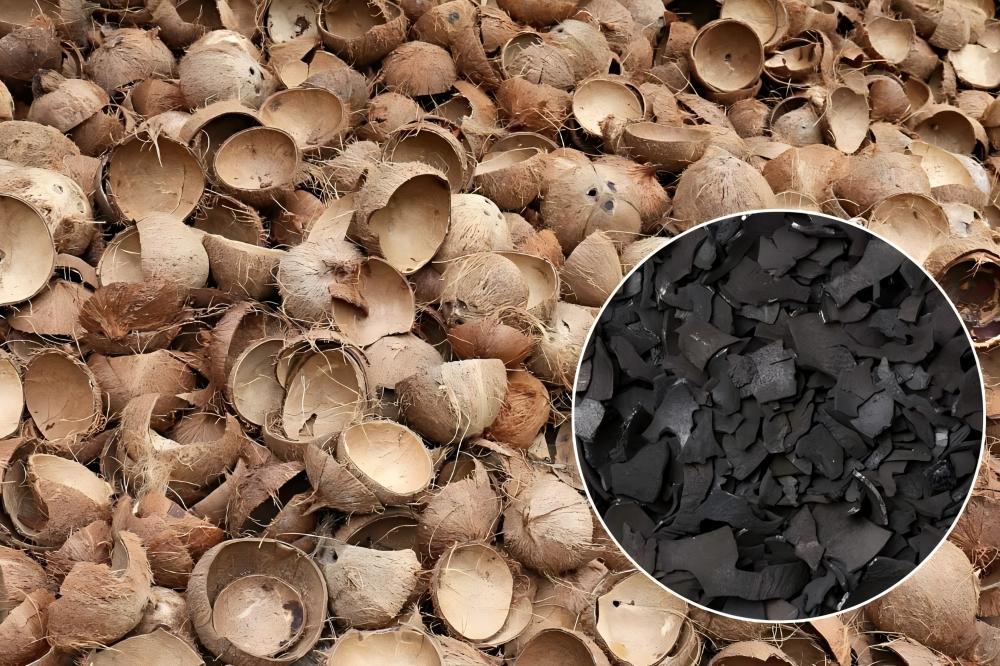
Pressure Swing Adsorption (PSA) is a reliable method for nitrogen production. PSA nitrogen generators use carbon molecular sieves within their towers. These sieves have very small pores, which, under pressure, capture small molecules such as oxygen and carbon dioxide. Nitrogen molecules, being larger, can pass through the sieves and be collected. This process is repeated continuously, allowing the system to continuously produce nitrogen.
PSA nitrogen generators utilize adsorption to trap impurity gases within the tower. Membrane nitrogen generators use hollow fiber membranes. Hollow fiber membranes allow gases to flow at different velocities, thereby increasing the nitrogen concentration.
YUANHAO’s carbon molecular sieves offer several advantages:
- They effectively adsorb oxygen and other impurities.
- They consume less energy due to their high efficiency.
- They can rapidly trap and release gases, thus improving nitrogen production efficiency.
These characteristics enable PSA systems to produce nitrogen with near 100% purity. YUANHAO offers a variety of carbon molecular sieve models to meet different purity requirements. This makes PSA an ideal choice for many industries.
Membrane Systems
Membrane nitrogen generators employ another method of nitrogen production. They use hollow fiber membranes made of polymers. Gases pass through these membranes at different speeds. Oxygen and water vapor pass through quickly, while nitrogen passes through slowly and remains on one side of the membrane. This method is suitable for applications where nitrogen purity requirements are not high.
| Generator Type | Operational Principle | Key Features |
|---|---|---|
| PSA Nitrogen Generator | Uses carbon molecular sieves to separate nitrogen from air | Makes very pure nitrogen, uses pressure swing to clean itself |
| Membrane Nitrogen Generator | Uses polymer membranes to separate nitrogen from air by gas diffusion | Makes less pure nitrogen, uses gas permeability for separation |
Membrane systems usually cost less and need less care. They are small and easy to put in tight spaces.
Application Suitability
The choice between a PSA system and a membrane system depends on the required nitrogen purity. PSA systems are best suited for industries requiring high-purity nitrogen, such as the pharmaceutical, electronics, and chemical industries. Membrane separation systems are suitable for applications such as food packaging, tire inflation, and fire safety, where nitrogen purity requirements are not high.
| Nitrogen Purity | Suitable Applications | Recommended Generator |
|---|---|---|
| 95% – 98% | Food packaging, beverage bottling, storage tank inerting | Membrane |
| 99% – 99.999% | Pharmaceuticals, chemical manufacturing, electronics production | PSA |
Pressure-sensitive adhesive technology provides high-purity nitrogen and saves energy. Membrane separation systems are simple in structure, lower in cost, and suitable for applications with lower nitrogen purity requirements.
Nitrogen generators help companies choose the system best suited to their needs. Pressure-sensitive adhesive systems using advanced carbon molecular sieves are a reliable choice for industries requiring the purest and most reliable nitrogen.
Choosing a Nitrogen Generator
Assessing Your Needs
Every company should first clarify its own needs. They must examine their daily nitrogen fertilizer usage and purity requirements. Several factors influence nitrogen fertilizer demand, such as crop rotation and weather. Market prices and expected returns are also crucial. Nutrient management and rising fertilizer prices are equally important. Understanding these needs helps companies avoid purchasing systems that are too large or too small.
Matching Generator to Application
The required purity helps in selecting the appropriate technology. Some applications require high-purity nitrogen fertilizer, while others can use lower purity. For example, electronics manufacturing requires high-purity nitrogen fertilizer, while food packaging only requires medium purity. Higher purity requires larger, more expensive systems; lower purity allows for smaller, cheaper systems. Companies should choose a generator suitable for their specific application.
Tip: In many applications, maintaining consistent purity ensures product safety and quality.
Key Features to Consider
When selecting a nitrogen generator, companies should focus on the key factors affecting its performance and cost. The following table lists the most important considerations:
| Feature | Description |
|---|---|
| Nitrogen Purity | Keeping the same purity is important for many jobs. Some jobs need 95-98% purity, but others need over 99.999%. |
| Flow Rate Capacity | The right size makes sure the generator gives enough nitrogen without wasting energy. |
| Energy Efficiency | Good systems use less power and help save money. |
| Installation Requirements | Clean, good air is needed for the best results. |
| Maintenance Considerations | Taking care of the system often keeps it working well and saves money later. |
Advanced carbon molecular sieves help PSA systems keep the same purity, give steady nitrogen, and last a long time. These sieves also help the system use less energy and work well every day.
Maintenance and Reliability
Routine Care
Nitrogen generators need regular care to keep working well. Each type has its own tasks for workers. The table below shows what workers should do for each system:
| Technology Type | Maintenance Task |
|---|---|
| Membrane Nitrogen Generators | – Look for leaks near the membrane housing and connections. – Make sure the air is clean and filters are working. – Check the flow rate and nitrogen purity. – Clean the membranes and change them every 5-7 years. |
| Cryogenic Nitrogen Generators | – Watch compressors and heat exchangers for leaks. – Look for frost and follow steps to remove it. – Check nitrogen purity. – Make sure insulation is in good shape to save energy. |
| PSA Nitrogen Generators | – Keep air filters clean and change them when needed. – Check how well the molecular sieve works and replace or fix it if needed. – Check valves, compressors, and pressure switches often. |
Doing these jobs helps stop rust and ice plugs. These steps also help keep costs low and energy use steady.
Common Issues
Nitrogen generators sometimes malfunction. The most common problems are low nitrogen purity, leaks, and low output. These problems can be caused by clogged filters or aging adsorbent. Pressure fluctuations and unusual noises can also indicate equipment failure. Personnel can prevent most problems by:
- Regularly maintaining the equipment
- Using a monitoring system
- Training staff to use the machine correctly
Low nitrogen purity can be caused by aging molecular sieves or air contamination. Leaks and clogged filters will reduce nitrogen flow. Drastic pressure fluctuations may indicate a compressor or regulator malfunction. Unusual noises may mean a component needs repair. Timely problem resolution helps prevent rust and ice blockage, ensuring safe and efficient system operation.
Lifespan and Durability
Nitrogen generators, when properly maintained, can have a long lifespan. PSA nitrogen generators, if operated correctly, can last over 20 years. While diaphragm nitrogen generators can also last many years, their design characteristics may cause them to wear out more quickly. Regular maintenance and timely repairs help prevent rust and ensure the system operates smoothly. These measures also protect your investment in nitrogen equipment.
Note: Good care helps stop ice plugs, lowers costs, and saves energy over time.
Benefits vs. Costs
Pros and Cons
Nitrogen generators help companies that need nitrogen all the time. Here are some main good things about them:
- Cost-effectiveness: Companies save money over time, even if gas prices go up.
- Purity control: Generators can give different purity levels for jobs like laser cutting or electronics.
- Customization: Each system can be made to fit what the user needs, so it works well for every job.
- Supply reliability: Making nitrogen on-site means no waiting for deliveries and work does not stop.
- Safety: Workers do not have to move heavy cylinders, so there are fewer accidents.
But there are also some problems to think about. The table below shows some common issues, especially for small businesses:
| Disadvantage | Explanation |
|---|---|
| Logistical challenges | Storing nitrogen needs more space and fire safety, which can cost more money. |
| Maintenance requirements | Using an air compressor means more care and higher power or gas bills. |
| Adaptability issues | Generators may not change as fast to new nitrogen needs as bottled or liquid supplies. |
Note: Companies should look at both the good and bad sides before choosing. The best choice depends on how much nitrogen they use and how their business works.
Who Should Invest
Many industries experience significant efficiency improvements when using on-site nitrogen generation systems. Companies in industries such as food packaging, electronics, and pharmaceuticals typically require pure, stable nitrogen. These industries use nitrogen to keep products fresh, maintain product quality, and ensure production safety.
On-site nitrogen generation systems are best suited for companies with high or frequent nitrogen consumption. For example, if a company spends approximately $45,000 annually on nitrogen, purchasing a nitrogen generator can recoup the cost in less than two years. The system can be used for 15 to 20 years, resulting in substantial long-term savings for the company. Even laboratories with moderate nitrogen consumption can recoup their costs within one to three years.
The following industries benefit most from nitrogen generators:
- Medical Packaging
- Electronics and Semiconductor Manufacturing
- Chemical and Petrochemical Plants
- Metal Processing
- Oil and Gas
- Automotive and Aircraft Manufacturing
- Food and Beverage Packaging
- Pharmaceuticals
- Laboratories
These companies spend less, operate more efficiently, and always have a sufficient supply of nitrogen. They don’t have to worry about delivery times or running out of fuel during busy periods.
Tip: Companies that use a lot or use nitrogen often should think about on-site generation for saving money and having more control.
Nitrogen generators can help businesses save costs. They achieve this by reducing transportation costs and minimizing downtime. These devices provide a stable supply of nitrogen, ensuring smooth production. Nitrogen generators also contribute to environmental protection by reducing carbon emissions. Businesses using nitrogen around the clock benefit the most. For optimal results, businesses should choose advanced PSA systems.
- Cost Savings
- Ensuring an Adequate Nitrogen Supply
- Protecting the Planet
Companies that want to grow and need nitrogen all the time get the most from using nitrogen generators.