The application of Pressure Swing Adsorption (PSA) technology has brought about a significant transformation in the metallurgical industry. The control of nitrogen, hydrogen, and carbon dioxide helps improve the strength and cleanliness of steel and other metals. Advanced materials such as carbon molecular sieves have also contributed to this. Leading brands like YUANHAO provide high-quality solutions. Many plants now use PSA systems to improve gas purity and reduce costs. Industry trends indicate that production is moving towards greater safety and efficiency.
Key Takeaways
- PSA technology helps make gas more pure in metallurgy. This makes metals stronger and cleaner. On-site nitrogen generation with PSA systems saves money. It also gives a steady supply of nitrogen. PSA systems use less energy. This lowers costs and helps the environment. Carbon molecular sieves are very important for making high-purity gases in metallurgy. More industries want PSA technology. They want safer and better ways to make products.
PSA Application in Metallurgy
Nitrogen Generation with PSA
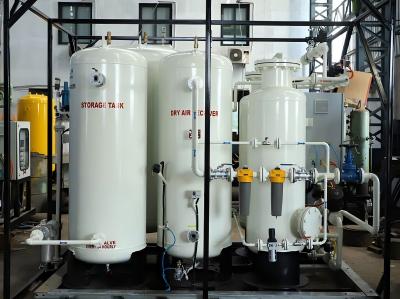
Plants use PSA nitrogen production systems to produce pure nitrogen. These systems use carbon molecular sieves to extract nitrogen from the air. The molecular sieves capture oxygen, carbon dioxide, and water vapor, allowing nitrogen to pass through the system. This process is called Pressure Swing Adsorption. YUANHAO provides advanced carbon molecular sieves for plants. These molecular sieves help plants produce nitrogen on-site. This ensures a constant supply of nitrogen, saving costs.
Nitrogen is crucial in many stages of metallurgy. The table below lists the applications of nitrogen in different fields:
| Application Area | Description |
|---|---|
| Ironmaking and Steelmaking | Nitrogen is used to inject coal powder, reduce oxygen content, and prevent oxidation in molten steel. |
| Non-ferrous Metal Metallurgy | Nitrogen acts as a covering gas in copper smelting and seals electrolytic cells in aluminum production. |
| Metal Heat Treatment | Nitrogen provides a protective atmosphere to prevent oxidation and decarburization during heat treatment. |
Plants choose PSA nitrogen production systems for several reasons:
- High cost-effectiveness: Plants produce nitrogen on-site, eliminating the need to purchase or transport nitrogen.
- Stable supply: Nitrogen production can be adjusted according to actual needs.
- Flexibility in purity control: Nitrogen purity can be set for different operations.
Hydrogen and CO2 Separation
PSA (Pressure Swing Adsorption) technology is also suitable for hydrogen and carbon dioxide separation in the metallurgical field. In steelmaking, plants require very pure gases for the reaction process. PSA systems purify hydrogen by removing other gases under high pressure. When the pressure drops, the system releases the trapped gases while retaining the hydrogen. This yields high-purity hydrogen, essential for manufacturing high-strength steel.
PSA systems can also remove carbon dioxide from the gas stream. This makes the process more energy-efficient and environmentally friendly. The table below lists some advantages of using PSA technology to separate hydrogen and carbon dioxide:
| Benefit Type | Description |
|---|---|
| Energy Efficiency | PSA is more energy-efficient than cryogenic methods, leading to lower operational costs. |
| Compact & Modular | The technology requires less space and can be scaled according to refinery demand. |
| Environmental Benefits | Enhances hydrogen recycling, which reduces emissions and promotes sustainability. |
| Fast Cycle Time | Quick adsorption/desorption cycles facilitate continuous hydrogen recovery. |
Many plants use pressure swing adsorption (PSA) technology to remove carbon dioxide and other harmful gases, thereby improving biogas quality. This will help build more biogas plants and promote carbon dioxide capture.
Industry Trends and Demands
The metallurgical industry is experiencing a growing demand for Pressure Swing Adsorption (PSA). Plants require controlled atmospheres for heat treatment and welding. PSA systems prevent oxidation and maintain material strength. With technological advancements, plants require purer nitrogen and more advanced PSA nitrogen generator designs.
Emerging economies are building more factories, thus increasing the demand for gas separation. PSA systems are currently used in additive manufacturing, battery manufacturing, and food processing. This trend indicates that more and more industries need pure gases to improve product quality and safety.
Note: YUANHAO is a leading supplier of carbon molecular sieves for PSA nitrogen generators. Their products help plants keep pace with changes in the metallurgical and other industries.
PSA Process Overview
Adsorption and Separation Steps
Pressure Swing Adsorption is a crucial gas separation technology in the metallurgical industry. This process uses two towers filled with adsorbent. Each tower alternates between adsorption and regeneration. This alternating operation ensures a stable gas supply. The following table lists the main steps:
| Step | Description |
|---|---|
| Adsorption | Air is compressed and goes into the adsorption tower. Nitrogen is separated from other gases. |
| Regeneration | Lowering the pressure in the tower releases the trapped gases. This refreshes the adsorbent. |
| Continuous Operation | The two towers work one after the other. This keeps nitrogen flowing for metallurgy work. |
This system lets factories make nitrogen when they need it. The towers switch jobs to keep the flow steady. This is important for many metallurgy uses.
Role of Carbon Molecular Sieves
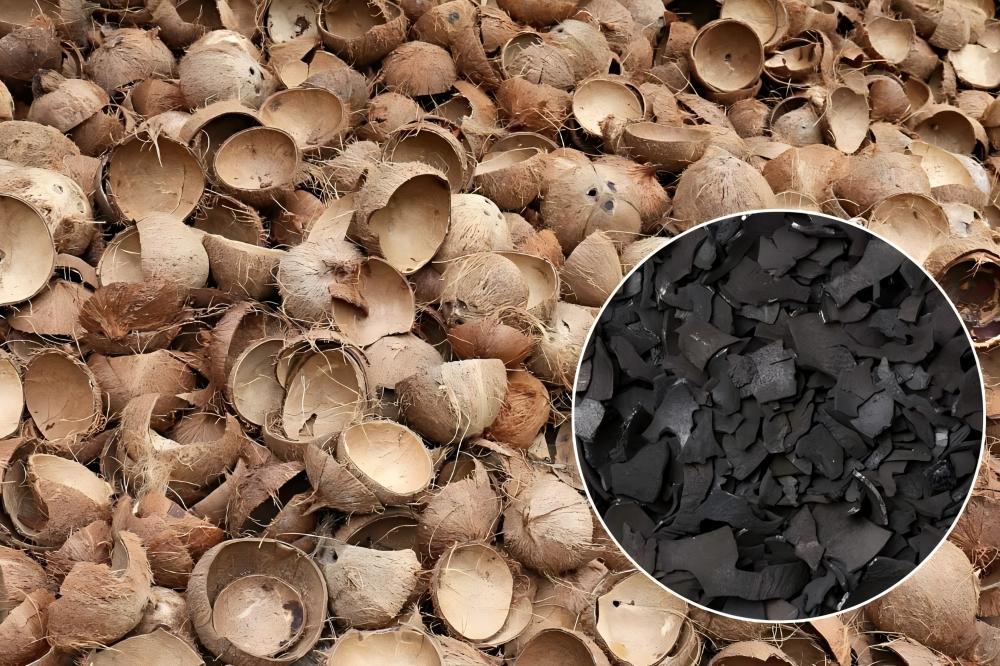
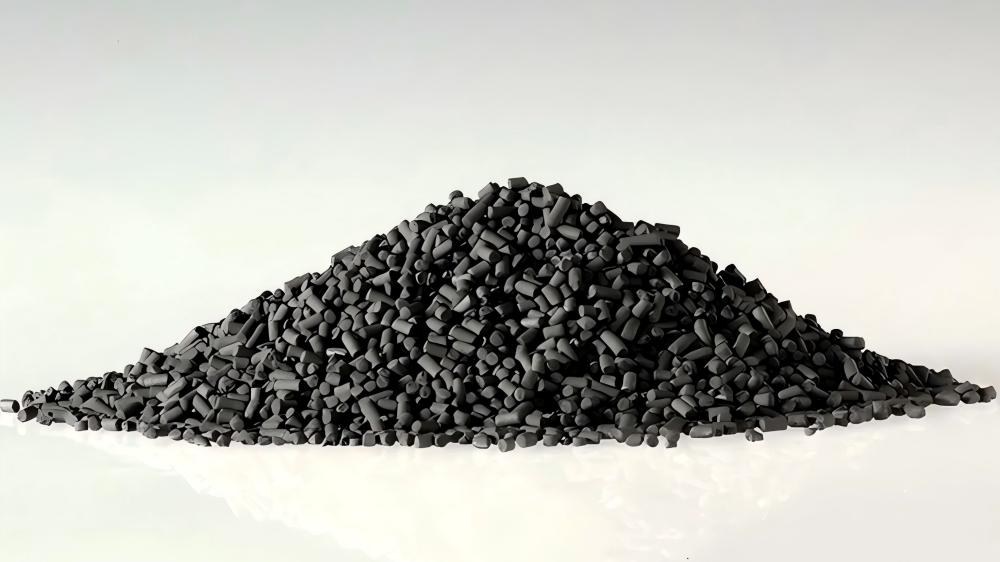
Carbon molecular sieves play a vital role in pressure swing adsorption (PSA) systems. These materials facilitate efficient gas separation. They allow nitrogen to pass through but trap oxygen and other gases, producing high-purity nitrogen. In the metallurgical industry, plants use this nitrogen for annealing, sintering, and furnace cleaning.
- Carbon molecular sieves contribute to the production of pure nitrogen.
- PSA systems utilize these molecular sieves for efficient gas separation.
- Metallurgical plants require nitrogen supplied by CMS for critical processes.
YUANHAO provides plants with long-life carbon molecular sieves. These molecular sieves can be used continuously for multiple cycles without failure. This helps the plant maintain optimal system operation.
Purity and Efficiency Factors
The purity and efficiency of PSA gases are influenced by a variety of factors. System design, adsorbent quality, and system operation are all crucial. The table below compares different gas separation methods:
| Technology | Achievable Purity Levels | Energy Consumption (kWh/m³) | Notes |
|---|---|---|---|
| Cryogenic ASUs | 99.999% N₂, 99.5% O₂ | 0.6–0.8 | Very pure gas for special uses like electronics. |
| PSA Systems | 90–95% O₂, 99.9% N₂ | 0.2–0.5 | Good purity, but not as high as cryogenic. |
| Membrane Systems | 95–98% N₂ | Higher than PSA | Not good for very pure gas needs. |
How the system is built also changes gas quality. Things like steady oxygen flow, saving energy, and cleaning air first help keep gases pure and efficient. Plants with good PSA systems can get the purity they need for metallurgy. They also save energy and do not need much maintenance.
Operational Considerations
System Design in Metallurgy
Engineers built a Pressure Swing Adsorption (PSA) system for the metallurgical plant. They selected robust materials capable of withstanding high temperatures and vibrations. The system layout facilitated easy operation by workers. Each PSA unit was connected to the main gas system and control system. Designers used heat-resistant and shock-resistant components. Good flow and pressure control ensured system safety. The PSA units worked in conjunction with the furnace control system, facilitating gas management by operators.
Maintenance and Reliability
Workers regularly inspected the PSA system to ensure its proper functioning. They checked the adsorbent material and replaced it as needed. Cleaning prevented dust and dirt from clogging the system. Technicians monitored pressure and flow to detect problems early. A reliable PSA system contributes to the plant’s continuous operation. Many plants use PSA systems because they are easy to maintain and have a long service life. Quick repairs and easily replaceable parts help resolve problems encountered by workers quickly.
Safety and Compliance
The metallurgical plant strictly adhered to the safety procedures for the PSA system. Operators used monitors and interlocks to ensure worker safety in oxygen-enriched areas. Engineers selected heat-resistant components and installed shock-absorbing devices to prevent equipment vibration. Effective flow and pressure control ensures system safety. To enhance safety, PSA units are connected to the furnace and plant control systems.
Safety regulations require robust monitoring and interlocking devices. Engineers must use heat-resistant and shock-resistant components. Effective flow and pressure control is crucial. Connection to the plant system improves safety.
The table below compares the differences in workplace safety between conventional methods and PSA systems:
| Aspect | Traditional Method | PSA Systems |
|---|---|---|
| Source of Nitrogen | Pressurized tanks needing liquefaction | On-site generation |
| Safety Risks | High (explosion, handling hazards) | Low (safe, stable source) |
| Handling Requirements | Complex (needs safety steps) | Simple (few safety worries) |
| Chemical Reactivity | Can be reactive | Chemically inert |
PSA systems make gas management safer and more convenient. Workers face fewer risks and handle fewer hazardous substances. Plants adhere to safety regulations, ensuring employee safety.
Benefits of PSA in Metallurgy
Efficiency and Cost Savings
Pressure swing adsorption (PSA) technology helps metallurgical plants improve efficiency and save costs. Many companies use PSA nitrogen generators for sintering and heat treatment. The protective gas provided by these systems enhances the strength of metal parts. PSA units start up quickly and can process multiple batches simultaneously, saving time and energy. Some plants reduce energy consumption by adjusting nitrogen output during off-peak production periods. The cost of using PSA for on-site nitrogen generation is lower than purchasing liquid nitrogen. This change can save significant amounts of money annually.
- A powder metallurgy company achieved higher part quality and faster production speeds after using PSA nitrogen generation technology.
- A rubber products factory reduced energy consumption and saved costs by adjusting nitrogen supply according to actual needs.
- Many plants have experienced cost reductions after switching to PSA systems.
Gas Purity and Quality
High-purity gases are crucial for many metallurgical operations. PSA systems can provide nitrogen with a purity of up to 99.999%. This is beneficial for metal welding and high-temperature operations. The table below shows a comparison of Pressure Swing Adsorption (PSA) with other gas separation methods:
| Method | Purity Level Achieved | Applications in Metallurgy |
|---|---|---|
| Pressure Swing Adsorption | Up to 99.999% Nitrogen, 95% Oxygen | Metal welding, high-temperature processes |
| Membrane Separation | Low-purity, large-flow production | Not ideal for high-purity metallurgy applications |
| Cryogenic Air Separation | Large-scale operations | Best for bulk gas production, not high-purity needs |
High-purity gases help make more metal and improve recovery rates. They also help plants work better and use less fuel. This lowers emissions and helps plants follow environmental rules.
Environmental Impact
PSA technology helps metallurgical plants remain clean and safe. On-site gas production means fewer transport trips and transport pollution. PSA systems use advanced flow control technology to reduce waste and prevent hazardous emissions. Many steel companies use PSA or VPSA oxygen production units to improve efficiency and reduce costs. These units consume less energy than older systems. New PSA units typically recoup their costs in less than three years. Oxygen enrichment in blast furnaces helps plants increase output and profitability.
PSA technology helps metallurgy plants get pure gas, save money, and protect the environment. Companies like YUANHAO give reliable carbon molecular sieves that support these benefits every day.
PSA technology is significantly changing how metallurgical plants handle gases. Special materials—carbon molecular sieves—provided by companies like YUANHAO are driving this transformation. Businesses can now operate more efficiently and more easily comply with environmental regulations. New PSA systems consume less energy and are more intelligently controlled.
- New adsorbent materials make gas separation work better.
- PSA systems let factories save energy and help the environment.
- This technology is also used for renewable energy and making hydrogen.
Metallurgy will keep getting cleaner and more efficient in the future.
FAQ
What is PSA technology in metallurgy?
PSA means Pressure Swing Adsorption. This technology helps factories split gases like nitrogen and hydrogen from air. Metallurgy plants use PSA systems to get pure gases. These pure gases make metals stronger and cleaner.
Why do metallurgy plants use carbon molecular sieves?
Carbon molecular sieves help PSA systems catch gases that are not wanted. They let nitrogen go through but stop oxygen and water vapor. This way, factories always get high-purity nitrogen.
How does on-site nitrogen generation save money?
On-site nitrogen generation means plants do not need gas deliveries. Plants make just the nitrogen they need. This lowers costs for transport and makes storage safer.
Are PSA systems safe for workers?
- PSA systems use safe materials and have safety controls.
- Workers have fewer dangers than with pressurized gas tanks.
- Plants use strong safety rules to keep everyone safe.