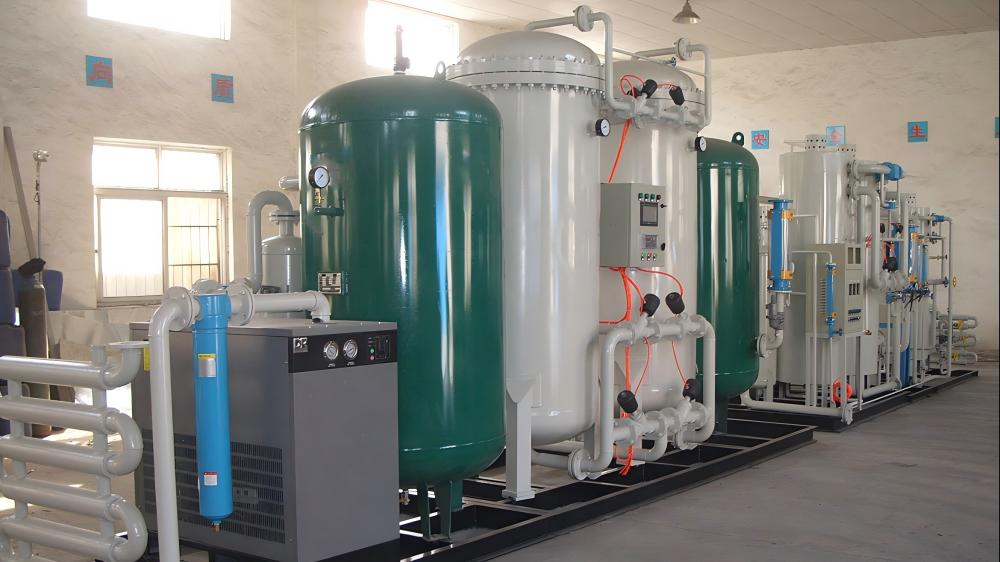
People often wonder how to replace nitrogen-carbon molecular sieves in gas separation. Each step requires strict adherence to safety rules to be completed successfully. YUANHAO brand carbon molecular sieves are a reliable choice for nitrogen separation. A concise guide can help users complete all steps confidently and correctly.
Key Takeaways
- Safety first when replacing carbon molecular sieves. Wear gloves and safety goggles. Ensure good ventilation in the work area. This will protect you from dust and chemicals.
- Use the correct tools and materials. You will need an industrial vacuum cleaner, the new molecular sieve, and a torque wrench. These tools and materials will help you do the job correctly.
- Regular maintenance is crucial for nitrogen-carbon systems. Check for leaks and pressure daily. Replace the filter every six months. This helps the system operate well.
Preparation For Carbon Molecular Sieve Replacement
Tools And Materials Needed
Replacing carbon molecular sieves requires the right tools and materials. A technician will prepare everything before starting work. They use the following tools:
- Industrial vacuum cleaner
- Rubber hammer
- Clean rags
- Function funnel or filling hose
- Wooden stick or flat tool
- Torque wrench
- New flange seals
- Lubricant
- Purity analyzer
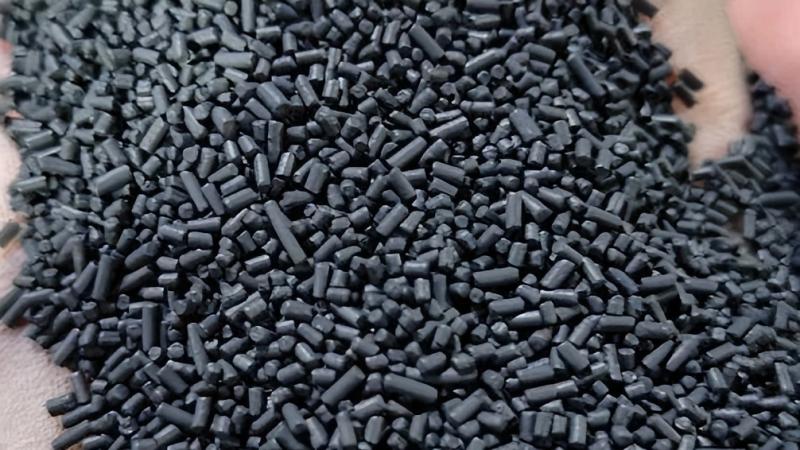
They also replace the carbon molecular sieves in the nitrogen system. Many people choose carbon molecular sieves from the YUANHAO brands. These products have important certifications such as ISO 9001, ISO 14001, and ISO 45001. These certifications indicate that the products are very reliable.
Safety Measures For Nitrogen Carbon Systems
Safety is paramount when replacing carbon molecular sieves. Workers wear gloves, goggles, and respirators. They ensure good ventilation in the work area. They check the area for any unsafe factors. These measures protect everyone from dust and chemicals during the work process.
Note: Adhering to safety rules prevents accidents and ensures the proper functioning of the nitrogen-carbon system.
Equipment Shutdown And Isolation
Workers shut down and isolate the equipment before starting work. They ensure the nitrogen generator is off and depressurized. They lock and label all power sources. This step prevents accidental system startup. Workers check all valves are closed and ensure the area is safe before proceeding.
Removing Old Nitrogen Carbon Molecular Sieves
Accessing The Adsorption Tower
Technicians first ensure the system is safe. They check the generator is off and ensure there is no residual pressure. Then, they disconnect the pipes and flanges on the adsorption tower. They carefully lift the top cover. Now, they can see the carbon nitrogen sieves inside.
Safe Removal Techniques
Workers use an industrial vacuum cleaner to remove the old carbon nitrogen sieves. They move slowly to avoid spreading dust. The vacuum cleaner keeps the area clean and safe. Sometimes, a wooden stick or flat tool can be used to loosen stuck molecular sieves. Workers ensure all old molecular sieves are removed. Afterward, they carefully check for any remaining small fragments. They thoroughly clean the chamber to ensure there are no residues. This meticulous work protects the equipment and contributes to the proper functioning of the carbon nitrogen sieves.
Tip: Always wear gloves and a mask when working with nitrogen carbon molecular sieves. This helps you not breathe in dust.
Handling And Disposal Procedures
Proper handling and disposal of used nitrogen-carbon molecular sieves is crucial. This ensures the safety of personnel and the environment. Different regions have different disposal regulations. The table below lists some important regulations:
| Region | Regulation | Key Points |
|---|---|---|
| United States | Toxic Substances Control Act (TSCA) | Needs notifications for new uses and checks on the whole lifecycle. |
| European Union | REACH | Labels some sieves as high concern for the environment. |
| Asia-Pacific | China and Japan guidelines | Requires records of performance loss and closed-loop waste systems. |
Workers safely handle nitrogen-carbon molecular sieves by following these rules. They use dedicated containers and record the handling process. This ensures workplace safety and helps protect the environment.
Cleaning And Inspecting The Carbon Molecular Sieve Chamber
Cleaning Methods
Technicians disassemble the chamber before cleaning. They use a vacuum cleaner to remove loose debris and wipe the chamber walls with a clean, dry cloth. If sticky substances are found, they use a mild cleaner that won’t damage the metal. They ensure the chamber is completely dry before proceeding to the next step. Thorough cleaning helps the new carbon molecular sieve function better.
Tip: Always make sure there is no water or oil left in the chamber after cleaning.
Inspection For Damage Or Contamination
After cleaning, technicians inspect the inside of the chamber for cracks, dents, or rust. They check all seals and gaskets for damage, oil, or dust. If damaged parts are found, they will be replaced. A clean and safe chamber helps the nitrogen system function properly.
Troubleshooting Common Issues
Sometimes, problems show up during checks. The most common problems are:
- Lower adsorption capacity. This can happen if there is moisture or dirt. Cleaning and drying the chamber can fix it.
- Clogging. Dirt or the wrong pore size can block the chamber. This might need special cleaning or new parts.
- Too much heat. High temperature can make things work worse. Technicians check the cooling system to keep the right temperature.
Checking and cleaning often helps stop these problems and keeps the nitrogen generator working well.
Loading New Carbon Molecular Sieves
Choosing The Right Carbon Molecular Sieve
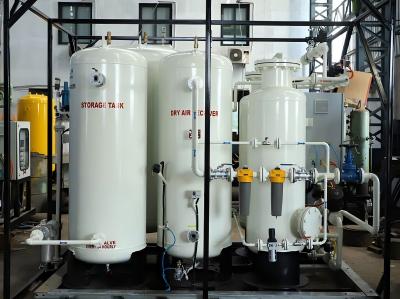
Technicians will select the optimal carbon molecular sieve for the nitrogen system. Several important factors will be considered before making a selection. YUANHAO’s carbon molecular sieves are of high purity. These molecular sieves are energy-efficient and have a wide range of applications. They can be used in metal recovery, food storage, and medical fields. Choosing the right molecular sieve helps the system operate better.
| Factor | Description |
|---|---|
| Pore Size Distribution | CMS membranes have a bimodal pore size distribution consisting of micropores and ultramicropores. |
| Permeability | High sorption and diffusion coefficients are provided by the open micropores and rigid ultramicropores. |
| Selectivity | High diffusion separation selectivity is observed for N2/CH4 mixtures due to effective size and shape diffusion. |
| Entropic Diffusion Selectivity | An additional factor contributing to separation mechanism, enhancing diffusion selectivity. |
YUANHAO carbon molecular sieves offer stable quality, with each cycle lasting 80 to 120 seconds. These characteristics help the system maintain stable operation under various conditions. Technicians will check relevant certificates and documents before replacement.
Proper Filling And Distribution
Installing a new carbon molecular sieve requires careful handling. Technicians will follow these steps to ensure everything is ready:
- Inspect the quality and details of the new carbon molecular sieve. They will review the supplier’s documentation to ensure it matches the system.
- Slowly pour in the molecular sieve and spread it evenly. This prevents air bubbles and ensures the chamber is properly filled with water.
- After filling, be sure to tightly seal the container. Technicians will clean the flange and tighten the bolts in a star-shaped sequence to prevent leaks.
- Restart the system and observe the pressure and flow rate. They will check for any changes that may affect performance.
- Slowly pressurize the system. Gradually opening the valves ensures the sieve is secure and keeps the system stable.
- Check for leaks and ensure the pressure remains stable. Technicians will use a specialized solution to locate leaks and ensure pressure stability.
Performing these steps will help the new screen perform at its best and extend its lifespan.
Tip: Filling evenly and sealing well stops uneven flow and helps the sieves work better.
Controlling Oil Content In Compressed Air
Oil in compressed air can damage carbon molecular sieves. Technicians strive to maintain a low oil level during replacement. They use filters and separators to remove oil mist and vapor. The optimal oil level in the compressed air should be below 0.01 ppm. If oil covers the pores of the molecular sieves, they cannot retain moisture well.
- Oil on the molecular sieves hinders their proper function.
- Oil mist mixes with air in compressed air, so removing the oil is crucial.
- Oil clogs the pores, preventing moisture absorption and causing the molecular sieves to lose effectiveness over time.
- Excessive oil fills the molecular sieves, degrading their performance and lowering the pressure dew point.
Technicians check the oil level and keep the filters clean to protect the molecular sieves. This helps the nitrogen system function properly after replacing the molecular sieves.
System Restoration And Performance Checks
Reassembly Steps
Technicians use simple steps to restore the nitrogen generator. First, they ensure the system is safe. They shut down the nitrogen generator and check for proper airflow. Before proceeding, they will fix any problems with the filters or dryers. They removed the old screen and inspected all components. Then, they installed the new screen using the “snowstorm filling method.” Finally, they restarted the nitrogen generator with clean air. Each step helps the system perform at its best.
Initial System Testing
Once everything is ready, the technicians test the system. They start the nitrogen generator and check for leaks. They check the pressure and listen for any unusual sounds. They test the nitrogen using a purity analyzer. If all values are normal, they proceed to the next step. They record all data for future checks. This test ensures the nitrogen generator functions correctly after the screen replacement.
Tip: Always check pressure and purity before using the system fully. This keeps things safe and helps the system last longer.
Monitoring Nitrogen Carbon Efficiency
The technicians observe the nitrogen generator’s operation. They use various metrics to check performance and efficiency. The table below lists the key points to monitor:
| Metric | Description | Signal of Change |
|---|---|---|
| Cycle Time | Time the tower works during adsorption. | If it drops slowly, it means normal aging; sudden changes may mean contamination. |
| Product Purity Trend | Regular checks of nitrogen purity at the outlet. | If purity drops slowly, selectivity is lost; if it cannot stay pure, the sieves are getting worse. |
| Pressure Drop Across the Vessel | Difference in pressure across the vessel during adsorption. | If pressure goes up, it means small pieces are building up, showing wear. |
| Compressed Air Consumption | How much air is used to make one unit of nitrogen. | If this goes up, the sieves are not working as well and energy use is higher. |
Technicians check these numbers often to spot problems early. If they see changes, they act fast to fix them. Watching these things after changing the sieves helps the system work well for a long time.
Maintenance And Troubleshooting After Carbon Molecular Sieve Replacement
Routine Maintenance Tips
Technicians keep the nitrogen carbon system working by doing regular checks. They look for leaks and check pressure every day. They listen for alarms and make sure air moves well in the room. Every six months, they change old filters and look at the dryer. Once a year, they change more filters and check the oxygen sensor. The table below shows a simple plan:
| Maintenance Type | Frequency | Key Actions |
|---|---|---|
| Daily Checks | Daily | Inspect for leaks, check pressure, monitor alarms, ventilation |
| Six-Month Procedures | Every six months | Replace filters, inspect dryer, review logs |
| Annual Maintenance | Annually | Change filters, calibrate or replace oxygen sensor |
To help carbon molecular sieves last longer, technicians do these things: 1. They set the right pressure and flow for the system. 2. They keep the temperature steady and use good ways to clean the sieves. 3. They use sensors to watch numbers and fix problems fast. 4. They pick strong materials for tough jobs.
Tip: Taking care of the system stops many problems and keeps it working well.
Identifying Performance Issues
Sometimes, problems happen after changing the sieves. Technicians look for signs like less nitrogen or more energy use. If the system runs longer, it can use 15-20% more energy. Big leaks can stop work for up to three days. The table below lists common problems:
| Performance Issue | Description |
|---|---|
| Reduced Nitrogen Yield | Each 1% loss in sieve means about 0.8% less nitrogen produced |
| Increased Energy Use | Compressors run longer to keep purity |
| Downtime Loss | Big leaks can cause 24-72 hours of downtime |
| Filter Damage | Fast particles can wear out metal parts |
| Valve Wear | Powder can speed up valve damage |
| Instrument Failure | Powder on probes gives wrong readings |
Technicians check these things to keep the system working its best.
When To Replace Nitrogen Carbon Molecular Sieves
Technicians know when to change the sieves by watching for certain signs. Oil or water can block the sieves and make them need changing. Pressure shocks can break the sieves into small pieces. Good sieves last longer and work better. Checking often and changing filters helps the system stay strong. The table below shows what to watch for:
| Indicator Type | Description |
|---|---|
| Clogging | Oil and water block the sieves, needing replacement |
| Pulverization | Pressure shocks break the sieves |
| Quality of Sieves | Good sieves last longer and work better |
| Maintenance | Regular checks and filter changes keep performance high |
Note: Watching for these signs helps stop sudden problems and keeps the nitrogen carbon system working well.
Technicians do these steps to change nitrogen carbon molecular sieves. First, they open the adsorption vessel in a safe way. Next, they take out the used sieve slowly and carefully. Then, they clean the vessel and look for damage or dirt. After that, they put in the new sieve. Finally, they check if the sieve is good and fits the system.
Regular maintenance helps the system stay safe and work well.
| Maintenance Cycle | Core Content | Notes |
|---|---|---|
| Daily | Drain water, check gauges | Drain more often near the coast |
| Weekly | Clean dust, test drainer | Use neutral detergent |
| Monthly | Calibrate instruments, check valves | Replace faulty parts |
YUANHAO carbon molecular sieves work well and are dependable. Technicians should use good methods and ask experts if they need help.
FAQ
How often should technicians replace nitrogen carbon molecular sieves?
Technicians change the sieves about every two or three years. The real time depends on how much the system is used. It also depends on how clean the air is and how well the system is cared for.
What signs show that nitrogen carbon molecular sieves need changing?
If nitrogen purity drops, it means the sieves may need changing. More energy use or changes in pressure are also warning signs.
Can technicians reuse old carbon molecular sieves after cleaning?
Technicians should not use old sieves again. Old sieves do not work as well and can hurt the nitrogen carbon system.