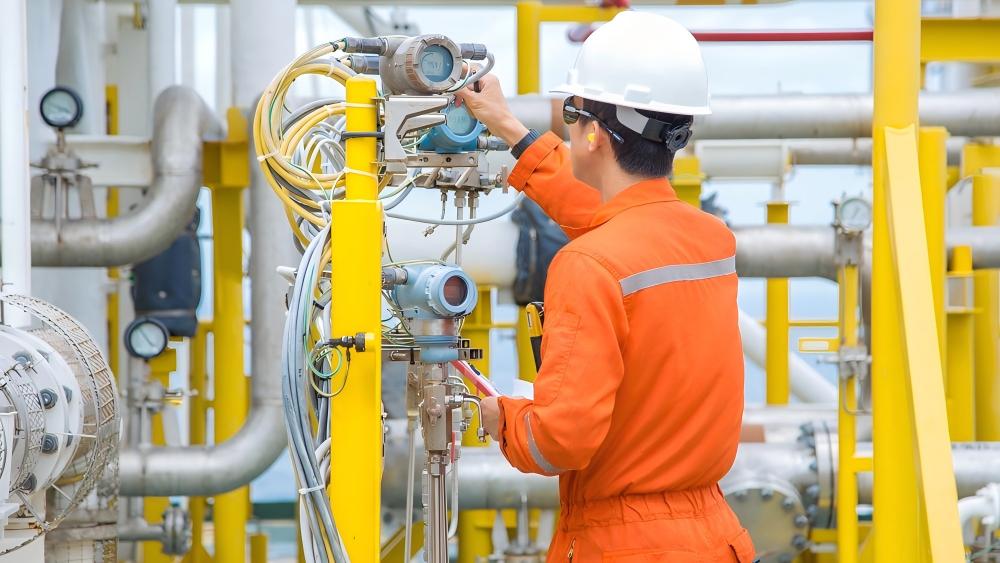
Carbon molecular sieves play a vital role in many industries today. They are used to separate gases and remove carbon dioxide, as well as for air purification and hydrocarbon separation. Furthermore, carbon molecular sieves contribute to the production of pure nitrogen and the removal of harmful gases, thus purifying the air.
- In 2026, the global carbon molecular sieve market size was US$172.72 million.
- Experts predict that the market size will reach US$309.02 million by 2035.
- Carbon molecular sieves are crucial in nitrogen pressure swing adsorption (PSA) systems and biogas purification.
Using carbon molecular sieves can improve safety and increase production efficiency. Many industries choose carbon molecular sieves because of their superior performance. With technological advancements, more applications for carbon molecular sieves are constantly being discovered.
Key Takeaways
- Carbon molecular sieves play a vital role in gas separation. They are used to produce pure nitrogen for many industries. In applications such as oxygen recovery and biogas purification, carbon molecular sieves help improve efficiency and reduce costs. Industrial companies using carbon molecular sieves can comply with environmental regulations. Carbon molecular sieves adsorb harmful gases such as carbon dioxide, purifying the air by removing pollutants.
Main Uses of Carbon Molecular Sieve

Gas Separation and Nitrogen Generation
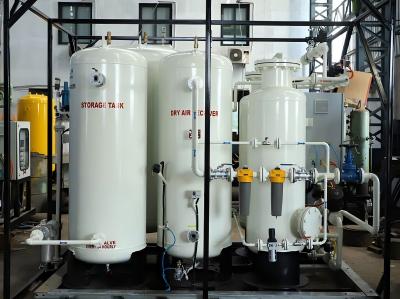
Industrial companies utilize carbon molecular sieves to separate gases. These sieves play a crucial role in Pressure Swing Adsorption (PSA) systems. PSA technology removes oxygen from compressed air to obtain nitrogen, a gas required by many industries. YUANHAO’s carbon molecular sieves help companies produce high-purity nitrogen. Operators can adjust system parameters to obtain nitrogen with a purity exceeding 99.9%, sometimes even reaching 99.999%. This makes the adsorbent valuable in numerous fields.
Carbon molecular sieves outperform other methods such as membrane separation and cryogenic distillation. They provide high-purity nitrogen, improving production efficiency and reducing costs. CMS can produce nitrogen with a purity up to 99.999%. This is crucial for semiconductor manufacturing and laser cutting. CMS also helps companies produce nitrogen faster. This means they can produce nitrogen on-site, increasing output and reducing costs.
Many industries use nitrogen. Metal recycling uses nitrogen to stop metals from rusting during heat treatment. This keeps metals clean. Energy storage systems use nitrogen to keep gases safe and make storage better. Food companies use nitrogen to slow down food going bad and keep it fresh. Wastewater plants use nitrogen to take out bad gases and help the environment.
Oxygen and Hydrogen Capture
Carbon molecular sieves also help capture oxygen and hydrogen. Their special pore size allows them to capture these gases. In medical oxygen production, molecular sieves help produce oxygen-enriched gas. Steel mills use oxygen recovery technology to improve production efficiency and save costs. Wastewater treatment plants use molecular sieves to separate gases, thereby improving treatment efficiency.
The table below lists some advantages for different applications:
| Application | Benefits | Molecular Sieve Type |
|---|---|---|
| Medical Oxygen Production | Reliable delivery of oxygen-enriched gas streams | 13X |
| Wastewater Treatment Plants | Enhanced efficiency in gas separation | 13X |
| Steel Production | Cost-effective oxygen recovery and productivity | 13X |
Operators can change the purity of the gas by altering the circulation and pressure. This helps adapt the adsorbent to different applications. A dual-bed system allows one bed to operate while the other is prepared. This means the system can operate continuously.
Hydrocarbon Separation
Hydrocarbon separation is crucial in the petrochemical and energy industries. Carbon molecular sieves are strong adsorbents for separating and storing gases. They can adsorb large quantities of gases, making them versatile. They handle gases such as nitrogen, oxygen, hydrogen, and carbon dioxide very well.
Key advantages include:
- They can adsorb a wide variety of different gases.
- They are robust, durable, easy to move and use.
- They operate at room temperature, thus saving energy.
- They can be reused after cleaning or heating.
- Low operating and maintenance costs.
The following table lists these advantages:
| Advantage | Description |
|---|---|
| High selectivity | Highly selective for gases such as N2, O2, H2, and CO2. |
| Energy efficiency | Works at normal temperatures, saving energy. |
| Mechanical strength | Good stability under heat and pressure. |
| Versatility | Can be reused after simple washing or heating. |
| Cost-effectiveness | Often leads to lower costs in running and upkeep. |
Petrochemical plants use carbon molecular sieves to separate hydrocarbons. This helps produce better products and saves energy. The adsorbent also helps in biogas purification and hydrogen purification. These applications are energy-efficient because the molecular sieve can effectively adsorb specific gases, thereby reducing energy consumption.
YUANHAO carbon molecular sieves are the ideal adsorbent for all these applications. It can adsorb specific gases and achieve the required purity. This makes it the first choice for businesses that want safe and efficient operation.
Carbon Molecular Sieves in CO2 Removal and Gas Purification

Natural Gas and Biogas Purification
Industry uses carbon dioxide removal sieves to purify gases. These sieves remove carbon dioxide, water, and other harmful gases, making the gas safer and more suitable for fuel use. These sieves have a large surface area and tiny pores. These properties help them capture carbon dioxide and other impurities from the gas stream.
Many companies use active carbon dioxide removal technology to comply with stringent clean energy regulations. These sieves help reduce greenhouse gas emissions, purify the air, and help businesses achieve global carbon reduction targets. In natural gas processing, these sieves remove sulfur, water, and heavy hydrocarbons. This makes the gas pure enough for direct use in homes and factories.
In biogas plants, sieves separate methane from carbon dioxide and nitrogen. This step produces high-purity biomethane, a high-quality renewable fuel. Active carbon dioxide removal technology also prevents harmful gases from escaping, thus protecting the environment. These sieves are crucial for carbon dioxide capture, making energy cleaner and more efficient.
Tip: Carbon dioxide removal screens help various industries comply with relevant regulations and make the gas more suitable for multiple uses.
Beverage Odor Removal
Carbon dioxide removal screens are also suitable for beverages such as beer and soft drinks. They can remove off-flavors such as sulfur or chemicals, resulting in a better taste and drinking experience. Active carbon dioxide removal technology also maintains the persistence of bubbles, making the beverage foam longer. Beer foam is also richer and longer-lasting.
Beverage manufacturers use these screens to ensure consistent taste every time. The screens reduce the possibility of off-flavors and help control quality. People notice better taste and fewer taste and smell problems.
- Brighter Taste, No Off-Flavors
- Longer-Lasting Foam in Soft Drinks and Beer
- Longer-Lasting Foam, Better Quality
Carbon dioxide removal screens play an important role in factories and food production. They enable businesses to provide safe and high-quality products to their customers.
Air Purification and Drying Applications of Carbon Molecular Sieves
Industrial Air Drying
Factories and equipment require dry air to operate properly. Carbon molecular sieves are effective at removing moisture from the air in many environments. They are a powerful adsorption-based air filtration technology. The tiny pores in the sieve mesh adsorb moisture, drying the air. This protects machinery from rust and damage.
Many types of businesses use carbon molecular sieves to dry their air. The table below lists some major industries and their dehumidification capabilities:
| Industry Sector | Typical Moisture Removal Capacities |
|---|---|
| Electronics | High |
| Pharmaceuticals | High |
| Chemicals | High |
| Natural Gas | High |
These sieves can make the air extremely dry, achieving very low dew points. They are more effective than traditional desiccants such as silica gel. Their special design allows them to quickly adsorb moisture and release it when heated. This means you can reuse them repeatedly. Businesses don’t need to frequently replace the adsorbent, saving costs. Furthermore, this adsorption-based air filtration technology consumes less energy and requires less maintenance.
Tip: Using carbon molecular sieves for air drying helps extend the lifespan of your factory and ensures safety.
Trace Contaminant Removal
Carbon molecular sieves can also remove tiny harmful substances from the air, thus purifying it. They are an advanced adsorption-based air filtration technology. These molecular sieves can capture ammonia, sulfides, and other harmful gases. This not only ensures the breathing safety of workers but also prevents product spoilage.
Electronics and pharmaceutical companies require very clean air. Even small amounts of harmful substances can cause problems. Carbon molecular sieves can help these companies comply with stringent air quality regulations. They can also help natural gas plants remove chemicals from natural gas before supplying it to homes and businesses.
Many companies choose carbon molecular sieves because of their superior performance and ease of use. You can wash and use them multiple times. This makes them a wise choice for maintaining safe and clean air.
Carbon Molecular Sieve Membranes and Carbon Capture
Next-Generation Gas Separation
Carbon molecular sieve membranes are important for new ways to separate gases and capture carbon. These membranes have tiny holes that trap gases like carbon dioxide, nitrogen, and methane. Scientists and engineers like these membranes because they can pick certain gases quickly and very well. The special structure lets them catch molecules that are almost the same size. This makes them better than many other materials for catching carbon.
New technology in carbon capture shows that these membranes can help save energy when separating hydrocarbons. The Organic Solvent Reverse Osmosis (OSRO) process lets companies catch gases without changing them into a liquid or solid. This saves energy. These membranes use common polymers, so factories can make a lot of them. They also catch gases very accurately, which is important for lowering emissions.
| Advancement | Description |
|---|---|
| New Carbon-Based Membrane | Made to use less energy when separating hydrocarbons. |
| OSRO Process | Separates gases without changing their phase, saving energy. |
| Scalability | Uses common polymers for big factories. |
| High Precision Separation | Catches molecules with small size differences. |
| Energy Efficiency | Uses less energy in big jobs. |
Environmental and Industrial Benefits
Carbon molecular sieve membranes help factories capture and store carbon dioxide, thereby reducing pollution. These membranes have a large surface area, allowing them to hold significant amounts of carbon dioxide. In carbon capture systems, they prevent pollutants from being released into the air. They can also help purify natural gas by removing carbon dioxide.
Compared to zeolite and polymer membranes, carbon molecular sieve membranes perform better in both gas adsorption and permeation. Zeolites can capture gases, but their effectiveness diminishes significantly at high gas concentrations. Polymer membranes have lower gas capture capabilities than carbon molecular sieve membranes or zeolites. Activated carbon can also be used to capture gases, but carbon molecular sieve membranes generally perform better in carbon capture.
Tests at some plants have shown that these membranes can capture large amounts of carbon dioxide. For example, some tests have shown that, over long periods, carbon dioxide purity exceeded 95%, with capture rates reaching 90-99%.
Carbon molecular sieve membranes are used in many carbon capture systems. They help lower pollution from factories, power plants, and chemical plants. These membranes also catch carbon dioxide in natural gas and biogas plants. Activated carbon helps clean air, but carbon molecular sieve membranes are better for catching carbon. By using these membranes, factories can follow strict rules and help the environment.
Note: Carbon molecular sieve membranes and activated carbon both catch gases, but carbon molecular sieve membranes are better at picking and catching carbon dioxide.
Carbon molecular sieves help many industries stay safe and work well. They help lower pollution and clean air and water. Many countries have strong rules to protect nature. The table below shows how these rules make people use more CMS:
| Region | Regulatory Body | Impact on CMS Adoption |
|---|---|---|
| European Union | European Environment Agency (EEA) | Increased implementation of stringent emission control measures, boosting demand for CMS. |
| United States | Environmental Protection Agency (EPA) | Strict standards for air and water quality prompting investment in CMS for purification. |
| China | Ministry of Ecology and Environment | Tighter controls on industrial emissions leading to higher demand for CMS. |
Companies use special carbon capture systems to follow these rules. They also use carbon capture and storage to help the environment. YUANHAO’s CMS helps keep the earth safe and gives hope for a better future.