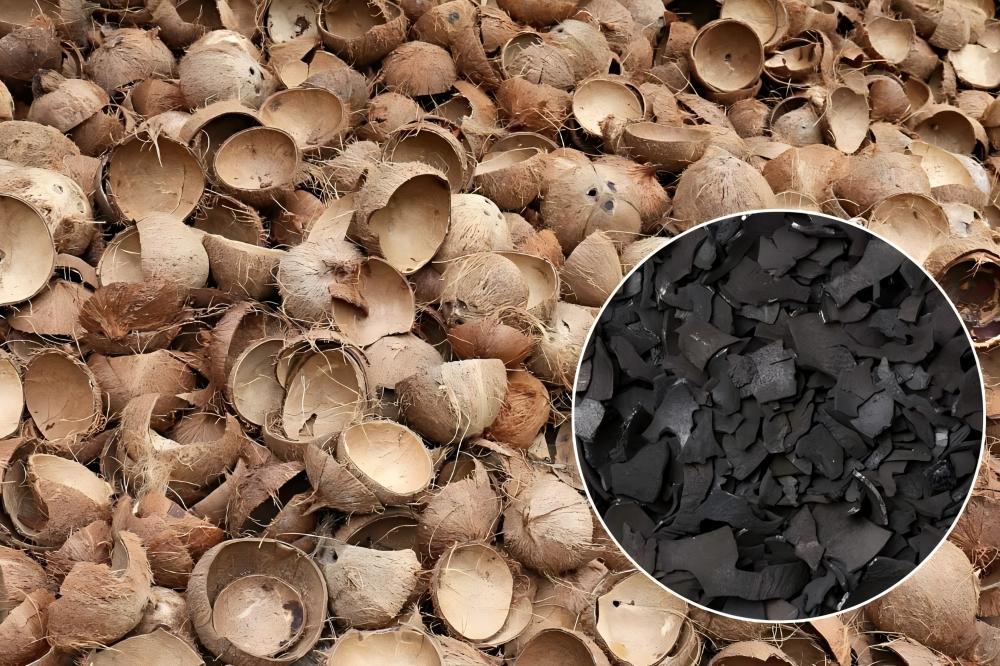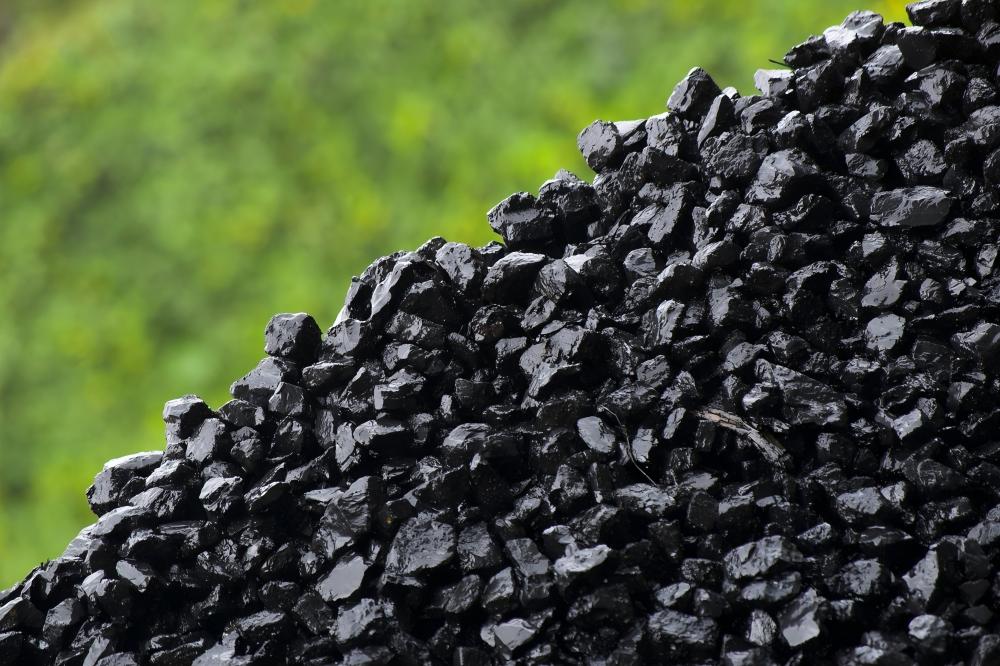
Carbon molecular sieves play a crucial role in various industrial applications. They are used in nitrogen production, hydrogen and methane purification, air separation, and biogas purification. These processes are essential for industries requiring pure gases. Pure gases help ensure safety and improve operational efficiency. The unique feature of carbon molecular sieves lies in their pore size and adsorption capacity, enabling them to efficiently separate gases. YUANHAO carbon molecular sieves are reliable and trusted by many companies for their advanced solutions in industrial applications.
Key Takeaways
- Carbon molecular sieves help produce pure nitrogen. This is crucial for food packaging and electronics factories. These molecular sieves can save 20-30% on energy consumption and reduce costs. They outperform traditional systems, making them ideal for many factories. In food storage, carbon molecular sieves prevent moisture from seeping into food, thus extending shelf life and keeping food fresh. Molecular sieves also contribute to environmental protection. They can purify wastewater and improve biogas quality, thus helping to reduce greenhouse gas emissions. Factories can achieve the required gas purity by replacing their carbon molecular sieves, thereby improving operational safety and efficiency.
Key industrial applications of carbon molecular sieves
Nitrogen generation in PSA systems
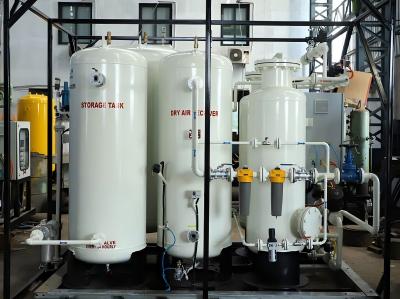
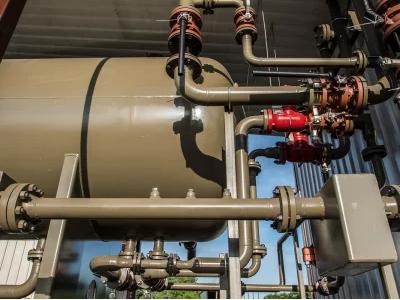
Nitrogen generation is a crucial application of carbon molecular sieves. PSA systems utilize these sieves to separate nitrogen from compressed air. YUANHAO’s carbon molecular sieves produce pure nitrogen by adsorbing oxygen and other trace gases, benefiting many industries requiring a stable supply of pure nitrogen.
Industries using PSA for nitrogen production include:
- Food packaging uses nitrogen to keep food fresh.
- Electronics manufacturing requires nitrogen to prevent oxidation.
- Chemical processing uses nitrogen to prevent adverse reactions.
- Marine inert gas protection technology is used to create safe, non-flammable spaces.
- The pharmaceutical industry uses nitrogen to ensure the safe production of drugs.
- Laser cutting uses nitrogen to prevent oxidation.
- The beverage industry uses nitrogen to maintain the quality of bottled beverages.
- The oil and gas industry uses nitrogen to prevent explosions.
- Metallurgy requires nitrogen for safe metal processing.
YUANHAO carbon molecular sieves can produce nitrogen gas with a purity of up to 99.999% in a single step. Compared to traditional methods, this is not only energy-efficient but also reduces costs. These molecular sieves are robustly designed, have stable performance, and low maintenance costs. Therefore, they are ideal for plants operating around the clock.
Note: Carbon molecular sieves can operate at room temperature. This is not only energy-efficient but also environmentally friendly.
Metal recycling and heat treatment
Metal recycling and heat treatment require a safe atmosphere to prevent oxidation and maintain the strength of the metal. Carbon molecular sieves function by creating a pure nitrogen environment. In the metal recycling process, these molecular sieves provide a safe space for the melting, cleaning, and shaping of the metal.
In the heat treatment process, carbon molecular sieves prevent the metal from reacting with oxygen at high temperatures. This helps maintain the strength and appearance of the metal. Using these molecular sieves also reduces the risk of contamination and improves recycling rates.
Many metal recycling plants use YUANHAO’s carbon molecular sieves because of their superior performance and adaptability to different needs. Operators can select the appropriate nitrogen purity based on each metal and process.
Energy storage and gas purification
Carbon molecular sieves are used in energy storage and gas purification systems because they can selectively separate certain gases. These sieves separate gases based on molecular size and velocity, which is crucial for gas separation operations. In natural gas purification, carbon molecular sieves remove carbon dioxide from methane, improving product quality and protecting the environment.
In petrochemical plants, molecular sieves optimize processes, helping companies reduce carbon emissions. This technology also facilitates the recovery of hydrogen and methane, reducing waste. Carbon molecular sieves operate at room temperature and can be reused by changing pressure, saving costs and extending their lifespan.
- Compared to traditional systems, carbon molecular sieves can reduce energy costs by 20-30%.
- Their tiny pores allow for the selective separation of certain gases, improving gas purity.
- The surfaces of these molecular sieves are waterproof and do not react with chemicals, allowing them to operate stably in a variety of environments.
Food preservation and packaging
Food preservation and packaging are important applications of carbon molecular sieves. These molecular sieves are used as desiccants in food packaging. They absorb moisture, keeping foods like cookies, potato chips, and nuts dry. By controlling moisture, they prevent food spoilage, clumping, and damage, thus extending shelf life.
Carbon molecular sieves are more effective than traditional desiccants. They absorb more moisture and dry faster. They are safe and pollution-free, allowing food to remain delicious and healthy. Many food manufacturers use these molecular sieves to achieve good results and meet stringent regulatory requirements.
| Aspect | Description |
|---|---|
| Storage Techniques | Good storage and packaging keep carbon molecular sieves working longer. |
| Regeneration Methods | Heating and using safe gases help reuse sieves over time. |
| Manufacturing Process | Careful carbon making and special agents make sieves last longer. |
Carbon molecular sieves are useful in many industries. They make pure gases, save money, and help the environment. This makes them important in modern factories.
Gas separation and purification with molecular sieves
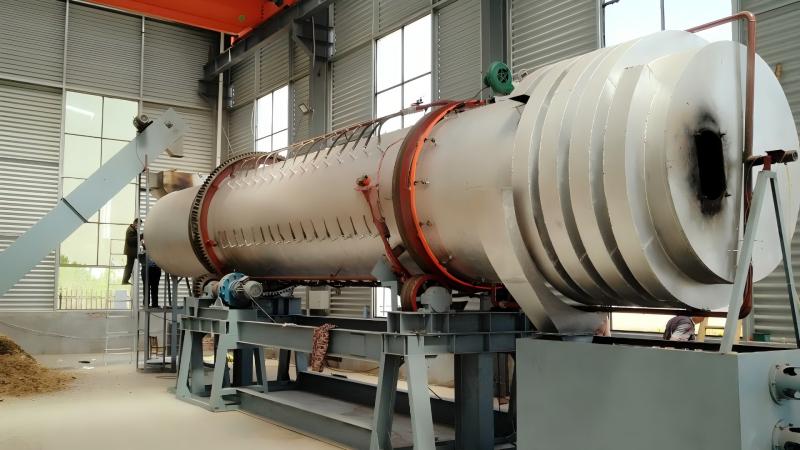
Molecular sieves play an important role in gas separation. Molecular sieves utilize adsorption, capturing molecules based on their size and polarity. The uniform pore size of molecular sieves facilitates the adsorption of small molecules while blocking larger ones. Adsorption refers to the adhesion of molecules to a molecular surface within a short period. This is due to van der Waals forces or polar interactions. These properties make molecular sieves excellent for gas separation in many industries.
Hydrogen and methane purification
The purification of hydrogen and methane requires molecular sieves for effective processing. Carbon molecular sieves can remove gases such as carbon dioxide, carbon monoxide, and nitrogen, resulting in cleaner and more efficient fuels. Operators select the appropriate molecular sieve based on specific needs, controlling the pore size to ensure safety. Using molecular sieves to recover hydrogen can save costs.
| Application | Benefit |
|---|---|
| Hydrogen purification | Takes out CO₂, CO, and N₂, making fuel cleaner and better |
| Methane purification | Makes fuel streams cleaner, helps burning, and keeps catalysts safe |
- Picks hydrogen over methane and carbon dioxide very well
- Lets more hydrogen through than old methods
- Uses less energy, sometimes only one-third to one-fifth as much
Air separation and oxygen production
Air separation devices utilize molecular sieves to increase the oxygen content of air. Carbon molecular sieves absorb nitrogen from the air, leaving oxygen. This oxygen can be used in metal cutting, glassmaking, and the production of medical oxygen. Different types of molecular sieves can be used in small or large equipment to maintain a stable oxygen content.
- Absorbing nitrogen to increase the oxygen content of air
- Removing impurities such as water and carbon dioxide
- Helping many industries improve efficiency
Medical oxygen requires extremely high purity, exceeding 99.999%. Plants may not require such high purity, so simpler methods can be used. Choosing the right molecular sieve helps improve the efficiency of air separation and extend its lifespan.
Natural gas upgrading
Natural gas upgrading uses molecular sieves to split methane from carbon dioxide and other bad stuff. Carbon molecular sieves take out carbon dioxide, nitrogen, and hydrogen sulfide. This makes natural gas cleaner and gives it more energy. Refineries and chemical plants use molecular sieves to get hydrogen from waste gases and make methane better. This technology helps companies follow rules and cut greenhouse gases.
Molecular sieves make natural gas much better. They help it sell for more because it is cleaner and works better.
| Feature | Carbon Molecular Sieves | Other Materials |
|---|---|---|
| Deep drying and CO₂ removal | Yes | Sometimes |
| Regeneration performance | Very good | Sometimes |
| Resistance to contaminants | High | Medium or low |
| Pressure cycling resistance | High | Medium or low |
| Adsorption capacity | High | Sometimes |
| Energy efficiency | Uses little energy | Sometimes |
| Service life | Lasts a long time | Sometimes |
| Purity levels achievable | Very pure H₂ | Sometimes |
Molecular sieves are good for cleaning gases and help factories be greener.
Carbon dioxide removal sieves in environmental applications
Wastewater treatment and contaminant removal
Molecular sieves are crucial for wastewater treatment. Workers use molecular sieves to adsorb carbon dioxide from gas streams. This helps remove harmful gases and other pollutants produced by water treatment plants. Highly efficient carbon dioxide removal technology purifies water and protects the environment. Many companies use molecular sieves to comply with stringent environmental regulations.
Note: Carbon dioxide removal sieves help companies comply with laws and regulations and maintain clean air.
Molecular sieves perform exceptionally well in wastewater treatment. They adsorb carbon dioxide and other pollutants, thus improving treatment efficiency. Highly efficient carbon dioxide removal technology ensures the safe operation of water treatment plants and protects the natural environment.
Biogas upgrading and CO2 capture
Biogas purification utilizes molecular sieves to separate methane from carbon dioxide. Molecular sieves can increase the biomethane content in biogas. Highly efficient carbon dioxide removal technology can increase the methane content, making biomethane a clean fuel. Workers use molecular sieves to protect the environment and support recycling. This process reduces gas emissions and helps companies comply with greenhouse gas emission regulations.
- Molecular sieves can purify untreated biogas, removing impurities.
- Carbon dioxide removal sieves can efficiently produce biomethane.
- Active carbon dioxide removal aligns with green gas recovery methods.
Molecular sieves are crucial in biogas purification processes. They contribute to the production of clean energy and protect the planet. Carbon dioxide removal sieves purify the air and maintain global health.
Properties and advantages of carbon molecular sieves
Selectivity and efficiency
The special feature of carbon molecular sieves is their selective separation of certain gases. They separate gases based on their size and shape. This helps plants obtain high-purity gases. Many companies use them in air filters to purify harmful gases. They help reduce greenhouse gas emissions by capturing carbon dioxide and other harmful gases.
Molecular sieves are ideal for carbon capture. They can capture carbon dioxide, preventing its release into the air. This helps protect the environment. Carbon molecular sieves can also purify airflow by removing impurities. Their powerful filtration capabilities make them the preferred choice for many plants.
| Property | Carbon Molecular Sieves | Other Molecular Sieves |
|---|---|---|
| Selectivity | Very high | Medium |
| Efficiency | High | Varies |
| Adsorbent strength | Strong | Varies |
| Use in filtration | Excellent | Good |
| Support for carbon capture technologies | Yes | Sometimes |
Customization for industrial needs
Factories require gases of varying purities during production. Carbon molecular sieves can be tailored to these needs. Operators can adjust the carbon molecular sieve to achieve the purity suitable for each task. This makes carbon molecular sieves extremely useful in many cleaning tasks.
Carbon molecular sieves operate within specialized structures and membrane systems. These systems mix the adsorbent with other materials. This not only improves adsorption efficiency but also makes it easier to use. This mixture also facilitates gas flow and enhances the strength of the filter.
- Carbon molecular sieves can be used to manufacture adsorbents for high-purity gases.
- They are suitable for many applications, such as carbon capture and air purification.
- Their flexibility helps reduce greenhouse gas emissions in factories.
- They improve the efficiency of cleaning and filtration.
Carbon molecular sieves provide factories with a powerful and flexible adsorbent. Their variability makes them play a vital role in modern industry.
Molecular sieves are used in many industries for different jobs. They help control pollution, clean gases, and store carbon safely. YUANHAO’s CMS is special because it can hold a lot and pick certain gases. Many companies, like those in medicine and energy, use carbon capture systems to trap bad gases and store them better. The table below shows how different industries use molecular sieves to catch and lower pollution.
| Industry | Application Description |
|---|---|
| Pharmaceuticals | Use 3A and 4A molecular sieves to keep products like vitamins and antibiotics dry. |
| Natural Gas & Energy | Use 3A and 4A sieves to control water in natural gas, stopping rust and ice from forming. |
In the future, there will be even better ways to catch gases and cut pollution.