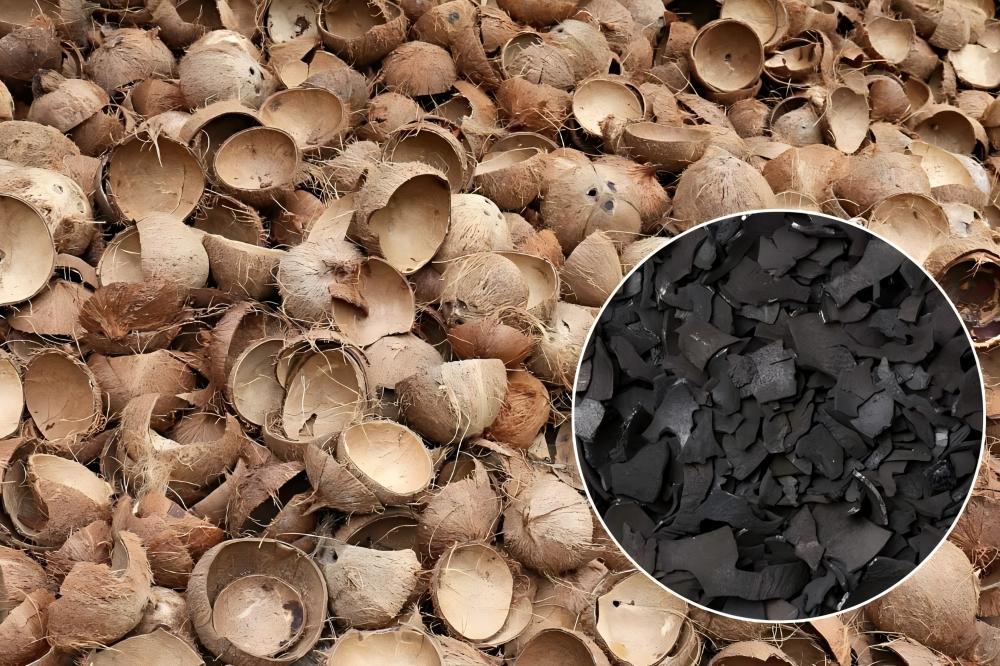
CMS, or carbon molecular sieve, is the main material in nitrogen generators. It helps separate gases well. Its tiny holes let it pick up oxygen. This makes high-purity nitrogen. Many industries use CMS for steady results. It is important in electronics and medicine because purity is very important. Companies need to pick the best CMS. This helps them get pure nitrogen, save money, and keep machines working well for a long time. More people around the world use CMS now. This shows it is very important in factories.
Key Takeaways
- Carbon molecular sieve (CMS) is very important for making pure nitrogen in generators. This is needed in industries like electronics and medicine.
- The special structure of CMS has tiny, even holes. These holes help separate oxygen from nitrogen well. This can make nitrogen almost 100% pure.
- Picking the right CMS with the best hole size and strength is important. It helps the generator work better, saves money, and lasts longer.
- Checking and taking care of CMS often can make it last 5 to 8 years. This keeps the nitrogen pure and lowers the cost to run the machine.
- Making nitrogen at your own site with CMS can save companies a lot of money. It can save 40-80% compared to buying nitrogen. This also helps the environment.
What Is CMS and Its Role in Nitrogen Generators?
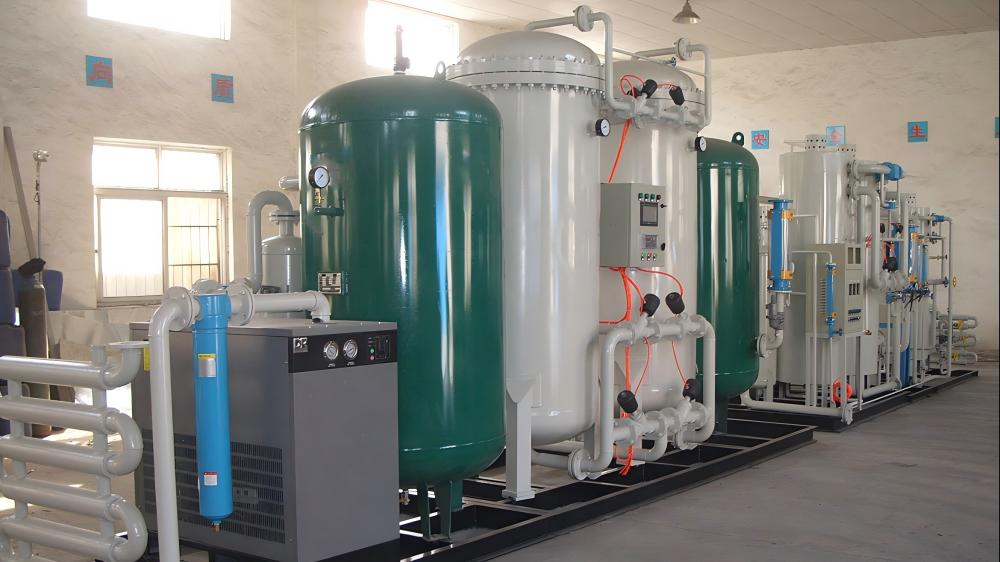
CMS structure and properties
A carbon molecular sieve is black and shaped like a column. It is made from things like coconut shell, charcoal, or phenolic resin. Most new sieves use phenolic resin. This is because it makes the sieve strong and even. The most important part of CMS is its tiny holes. These holes are called micropores. They are between 0.33 and 0.38 nanometers wide. This size is perfect for splitting gases in a nitrogen generator.
Having pores that are all the same size is very important. When the holes are even, the sieve can split nitrogen and oxygen better. A strong sieve lasts longer and works well under pressure. Good adsorption selectivity means the sieve grabs some gases better than others. Only CMS with these features can make very pure nitrogen and keep the machine working well.
Note: The special micropores in CMS make it different from other adsorbents like zeolites. Zeolites work in another way and usually do not make nitrogen as pure in PSA systems.
How CMS separates nitrogen
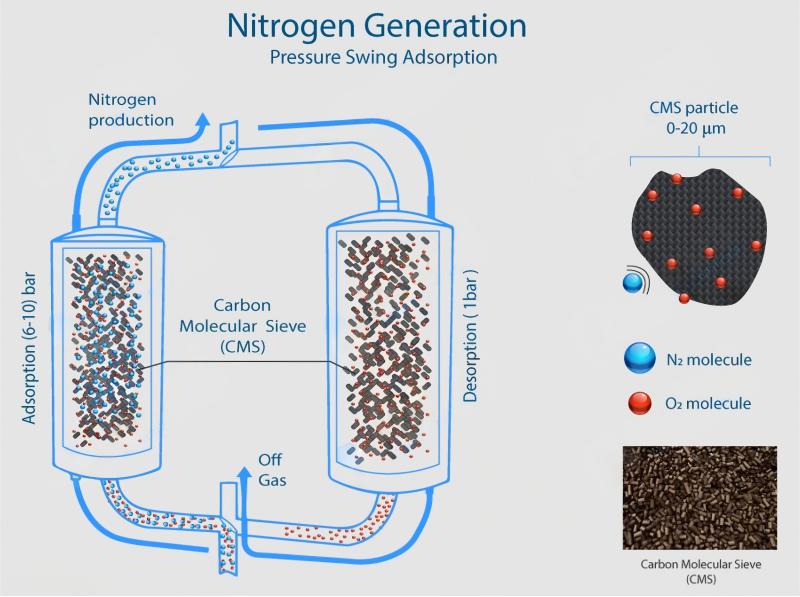
CMS uses something called Pressure Swing Adsorption, or PSA. In this system, air goes through the sieve when the pressure is high. The sieve has small holes that let oxygen molecules go in fast. Oxygen is smaller and moves quicker than nitrogen. Nitrogen moves slower and cannot get into the holes as easily. So, nitrogen stays in the gas form.
- The sieve picks up oxygen and other things that are not nitrogen.
- Nitrogen goes through and is collected as a pure gas.
- When the pressure goes down, the sieve lets go of the trapped oxygen. This gets it ready to start again.
The table below shows how CMS is different from other materials:
| Feature | Carbon Molecular Sieve (CMS) | Zeolites |
|---|---|---|
| Separation Mechanism | Kinetic (molecular diffusion rate) | Pore-size exclusion |
| Pore Size Distribution | 0.3–0.5 nm | Larger and less uniform |
| Nitrogen Purity in PSA | High | Lower |
CMS uses kinetic separation, not just the size of the holes, to make very pure nitrogen. The careful control of pore size and shape helps make nitrogen in a good and steady way for many industries.
CMS in PSA nitrogen generator
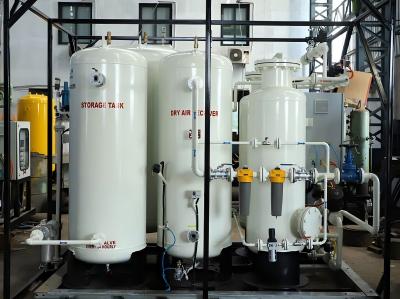
PSA process overview
Pressure Swing Adsorption, or PSA, is a way to make nitrogen. This system uses a special material called carbon molecular sieve. The process has several steps:
- Air Compression: The generator takes in air and squeezes it hard.
- Air Pre-Treatment: The system removes dust, oil, and water from the air. Clean air helps the sieve work better.
- Gas Separation Process: The air goes through a bed filled with CMS. The sieve grabs oxygen and other things fast. Nitrogen moves past the sieve and is collected as a pure gas.
- Nitrogen Storage (Optional): The generator can keep the nitrogen in tanks for later.
- Nitrogen Post-Treatment (Optional): The system can add more steps to make the nitrogen even cleaner.
The PSA process repeats in cycles. When the sieve is full of oxygen, the system lowers the pressure. The sieve lets go of the trapped gases and gets ready for the next round. This is called regeneration. The generator keeps making nitrogen without stopping.
CMS function in nitrogen generator
The carbon molecular sieve is the most important part of the PSA nitrogen generator. Its tiny, even pores are between 0.33 and 0.38 nanometers wide. This size lets oxygen molecules go in fast. Nitrogen molecules are bigger and move slower, so they pass through instead of getting trapped. This difference in speed is called kinetic separation.
The even pores in the sieve are very important. If the pores are too big, the sieve will also catch nitrogen, which is not good. If the pores are too small, the sieve cannot grab enough oxygen, and the nitrogen will not be pure. Only a sieve with the right pore size and strong build can make very pure nitrogen and last a long time.
The strength of the sieve matters, too. The PSA process puts the sieve under pressure again and again. If the sieve is weak, it can break into dust. This causes problems like blocked air, lower purity, and less nitrogen. Good CMS, like the ones made by YUANHAO, do not break easily and last longer. This means the generator works well and does not need much fixing.
The use of CMS in PSA nitrogen generators has many good points:
| Advantage | Description |
|---|---|
| Low operating costs | Saves money compared to buying nitrogen from outside. |
| Environmental benefits | Uses less energy and makes less pollution than old ways. |
| Convenience | Makes nitrogen when needed, so there is no need to store a lot. |
| Reliability | Gives a steady supply of pure nitrogen. |
| High Purity Nitrogen Production | Can make nitrogen as pure as 99.9999%, which is needed for special jobs. |
| Cost-Effective and Energy-Efficient | Needs less energy and costs less to run. |
| Reliable and Continuous Supply | Keeps working without delays or waiting for deliveries. |
| Reduced Environmental Impact | Does not need trucks or extra fuel, so it is better for the planet. |
PSA nitrogen generators with CMS can make nitrogen from 95% up to 99.999% pure. This makes them useful for many jobs, like food packaging and electronics. The kinetic selectivity of CMS means it can separate gases better than other materials, so the generator gets more nitrogen and wastes less.
YUANHAO is a top company in this area. They make many types of CMS, like CMS-220, CMS-240, CMS-260, CMS-280, CMS-300, and CMS-330. Each type is good for different needs and uses. Their sieves are strong and have even pores, so they work well and last a long time. YUANHAO’s products help factories get the right nitrogen, save money, and help the environment.
Tip: Pick a good carbon molecular sieve with the right pore size and strength for a PSA nitrogen generator that works well and lasts.
Importance of CMS for nitrogen generation
Purity and efficiency benefits
Carbon molecular sieve is very important for making pure nitrogen. Its tiny holes help the system split gases by how fast they move. The best pore size is between 0.33 and 0.38 nanometers. This size lets oxygen go into the holes quickly. Nitrogen moves slower and stays as a gas. This way, called kinetic separation, helps the generator make pure nitrogen easily.
Many things make CMS good for making nitrogen:
- Even pore size means only oxygen gets trapped, not nitrogen.
- A large surface and strong build help the sieve work well and stay steady.
- Strong CMS does not break when pressure changes again and again.
A tough and steady CMS keeps the generator working for a long time. This means less fixing and steady nitrogen purity. It also saves money. Making nitrogen on-site with CMS can save 40-80% compared to buying it. Most companies get their money back in 12 to 24 months.
| Cost Type | Cost with Delivered Nitrogen | Cost with On-Site Generation | Savings |
|---|---|---|---|
| Annual Cost | $50,000 | $10,000 – $15,000 | 40-80% |
| Return on Investment Period | N/A | 12-24 months | N/A |
Industrial applications of CMS
Many businesses use CMS-based nitrogen generators every day. Each business needs different purity levels and picks the right CMS for their job.
| Industry | Application Description | Nitrogen Purity Requirement |
|---|---|---|
| Food Packaging | Keeps food fresh and makes it last longer. | 98-99.5% |
| Pharmaceuticals | Makes safe spaces for products to stay good. | 97-99.99% |
| Electronics Manufacturing | Stops parts from getting dirty or rusty. | 99.99-99.999% |
| Chemical Processing | Used to stop bad reactions by keeping things safe. | 97-99.99% |
| Oil and Gas | Helps stop fires and explosions. | 97-99.99% |
| Metals | Stops rust and dirt during metal work. | 97-99.99% |
YUANHAO has many CMS types for these jobs. CMS-220 is good for tire filling and storage, where 95-97% nitrogen is fine. CMS-240 and CMS-260 are used for food and electronics, giving 97-99.99% purity. CMS-330 gives over 99.9% purity, so it is great for making computer chips and other high-tech uses.
Note: Picking the right CMS helps each business get the purity and efficiency they need.
Choosing and maintaining CMS for generators
Selection criteria for CMS
Picking the best carbon molecular sieve for a nitrogen generator is important. You need to think about many things before you choose. Each job needs something different, so picking the right one helps the generator work well and keeps the nitrogen pure. Here are some things to look at:
- Some jobs need very pure nitrogen, like food packaging or electronics.
- The amount of nitrogen you need changes how much CMS you use.
- The system should match the CMS to save energy and work well.
- High nitrogen yield means the CMS works better and costs less.
- The CMS must fit the generator and work with the system.
- Clean air helps the CMS last longer and work better.
- Good help from the supplier makes setup and care easier.
YUANHAO has many models, like CMS-220, CMS-240, CMS-260, CMS-280, CMS-300, and CMS-330. Each one can hold different amounts and make different purity levels. YUANHAO has ISO 9001, ISO 14001, and ISO 45001 certificates. This shows they care about quality and safety. Nitrogen purity certificates also show the generator meets strict rules.
Tip: Strong, tough, and impact-resistant CMS helps the generator run well. This kind of CMS does not break or turn to powder. It keeps nitrogen pure and recovery rates high for a long time.
Maintenance and lifespan
Taking care of the nitrogen generator helps it work well and makes the CMS last longer. Regular checks keep the CMS working and the system running right. Here are some steps to follow:
- Change pre-filters often to stop dust, oil, and water from blocking the CMS.
- Check the CMS for problems, like lower nitrogen purity or less gas.
- Look at the CMS every year and change parts if needed.
- Follow the maker’s plan for changing filters to keep things clean.
- Watch for leaks, powder, or drops in how well it works. These problems can come from bad CMS, wrong filling, or pressure changes.
How long CMS lasts depends on the conditions:
| Conditions | Average Lifespan |
|---|---|
| Ideal Conditions | 5 to 8 years or more |
| Less Favorable Conditions | 2 to 3 years |
A strong CMS that does not break helps the generator last longer and keeps the nitrogen pure. Doing regular checks and picking the right CMS protects your money and makes sure you always have nitrogen.
Carbon molecular sieve is the most important part of PSA nitrogen generators. It has tiny, exact holes and is very strong. This helps it make very pure nitrogen. Some main benefits are:
- It can make nitrogen that is almost 100% pure.
- It picks up oxygen well and lets nitrogen pass.
- It lasts a long time and does not need much fixing.
Using the right molecular sieve helps the machine work well, saves energy, and lasts longer. Top brands like YUANHAO follow rules for hole size, weight, and strength. Companies should choose certified sieves that fit their PSA system to get steady nitrogen.
FAQ
What makes carbon molecular sieves effective for nitrogen generation?
Carbon molecular sieves have very tiny, even holes. These holes are between 0.33 and 0.38 nanometers wide. Oxygen molecules can go into these holes fast. Nitrogen moves slower and goes past the sieve. This special structure helps the sieve split gases well. It makes nitrogen that is very pure.
Why is pore size important in carbon molecular sieves?
The size of the holes decides how well gases are split. If the holes are too big, nitrogen can get stuck. If the holes are too small, oxygen does not get trapped enough. When all the holes are the same size, the sieve works better. This gives pure nitrogen and good gas separation.
Tip: Always look at the hole size range before picking a carbon molecular sieve.
How does molecular sieve strength affect nitrogen generator performance?
Strong sieves do not break or wear out easily. They can handle pressure changes many times. Good sieves stop dust and keep air moving right. This keeps nitrogen pure. Weak sieves can break and make the purity drop. They also need more fixing.
What purity levels can YUANHAO carbon molecular sieves achieve?
YUANHAO has different models for many jobs. They can make nitrogen from 95% to over 99.9% pure. Each model is good for things like food, electronics, or factories.
| Model | Nitrogen Purity |
|---|---|
| CMS-220 | 95–97% |
| CMS-240 | 97–98% |
| CMS-260 | 98–99.5% |
| CMS-330 | >99.9% |
How long does a carbon molecular sieve last in a nitrogen generator?
A good carbon molecular sieve can last five to eight years. Taking care of the sieve and using clean air helps it last longer. This also keeps the nitrogen pure.