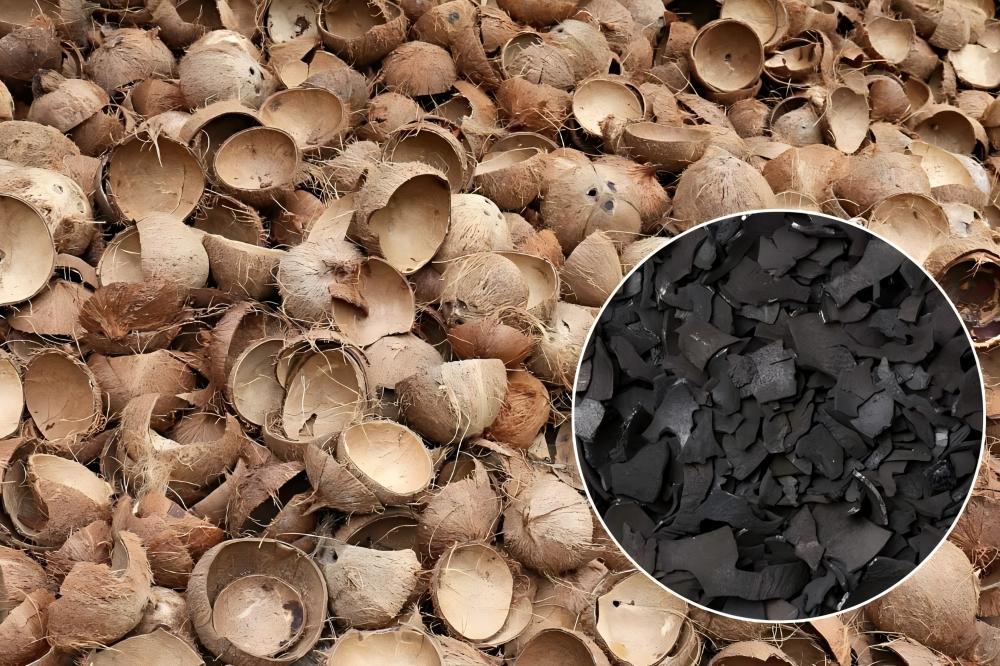
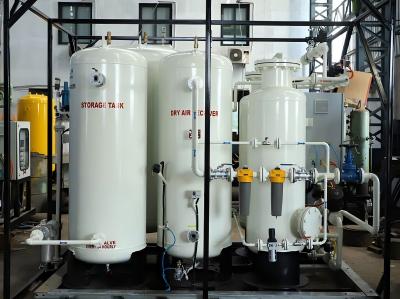
CMS means carbon molecular sieves. They are important in PSA nitrogen generators. These materials help take nitrogen out of air. This gives industries pure nitrogen for their work. Many industries need pure gas. Food packaging, electronics, and chemical processing use it. PSA systems with CMS can make nitrogen very pure. The purity can reach 99.9999%. YUANHAO is a top company in this field. Their CMS makes purity and efficiency better in factories.
Key Takeaways
- Carbon molecular sieves (CMS) help make pure nitrogen from air in PSA nitrogen generators. CMS use tiny holes to separate gases by their size. Oxygen goes in faster than nitrogen. Good CMS can make nitrogen very pure, up to 99.9999%. This is important for industries like food packaging and electronics. Nitrogen generators with CMS need regular care and clean air to work well for a long time. Picking the right CMS supplier, like YUANHAO, helps get steady nitrogen and good customer support.
CMS and Pressure Swing Adsorption
What Are Carbon Molecular Sieves?
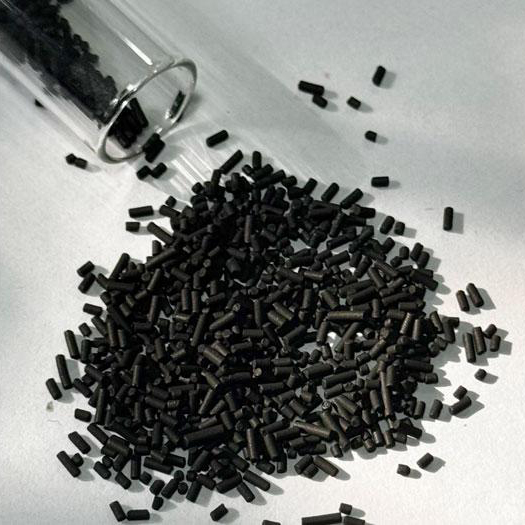
Carbon molecular sieves help separate gases from each other. They have very tiny holes called pores. These pores are between 0.28 and 0.38 nanometers wide. The small size of the pores lets them sort gas molecules by how big or small they are. Oxygen molecules are smaller than nitrogen molecules. Oxygen can go into the pores faster than nitrogen. Nitrogen is bigger and moves slower into the pores. This helps carbon molecular sieves take nitrogen out of the air.
Many companies use carbon molecular sieves to clean and separate gases. They are used for air separation, cleaning natural gas, and making hydrogen pure. Hospitals, factories, and hydrogen plants need these sieves to get pure nitrogen or other gases for their work.
Note: Carbon molecular sieves can make very pure nitrogen. This is important for jobs that need clean gas.
How PSA Nitrogen Generators Use CMS
Pressure swing adsorption is a way to separate gases by changing pressure. PSA nitrogen generators use carbon molecular sieves to catch oxygen and let nitrogen go through. The machine works in steps. When the pressure goes up, the sieves hold onto oxygen and other small gases. When the pressure goes down, the sieves let these gases go, and the machine collects nitrogen.
The table below shows how carbon molecular sieves work in PSA nitrogen generators:
| Feature | Description |
|---|---|
| Principle | Carbon molecular sieves sort gases by size and shape. |
| Pore Size | Pores between 0.28-0.38 nm help separate gases well. |
| Gas Diffusion | Oxygen goes into the pores fast, but nitrogen is slower. |
| Separation Mechanism | Different speeds help separate nitrogen from other gases. |
YUANHAO is a trusted company that makes CMS. Their products give very pure nitrogen, work well, and are steady. PSA nitrogen generators with YUANHAO’s sieves save money, are small, and give a steady supply of nitrogen for many businesses.
CMS Function and Purity in PSA
Gas Separation Mechanism
Carbon molecular sieves help separate gases in PSA nitrogen generators. These sieves have very small, even pores. The pores let them sort gas molecules by how fast they move. Oxygen molecules are smaller and move faster than nitrogen molecules. When compressed air goes into the CMS bed, oxygen moves into the pores quickly. Nitrogen moves slower and goes through the bed.
The table below shows the main steps for gas separation:
| Step | Description |
|---|---|
| 1 | Compressed air goes into the CMS bed |
| 2 | Oxygen is taken up first |
| 3 | Nitrogen comes out as the product gas |
| 4 | Pressure drops to clean the CMS |
This process is called kinetic separation. Oxygen and nitrogen move at different speeds. This helps the sieves separate the gases. The system collects very pure nitrogen from the output.
Note: PSA nitrogen generation works well because of carbon molecular sieves. These sieves take in oxygen first. This makes the nitrogen in the final product much higher.
Achieving High Nitrogen Purity
Making high-purity nitrogen depends on a few things. The quality of the CMS is very important. Good sieves can resist dust and water. They also work well for a long time. YUANHAO’s YH carbon molecular sieves are known for high purity and being steady. These sieves can make nitrogen that is 99.9%, 99.99%, or even 99.999% pure.
The list below explains how the process works:
- Compressed air goes into the CMS bed.
- Oxygen is taken up fast because it moves quicker.
- Nitrogen goes through and is collected as pure nitrogen.
- The system lowers pressure to release oxygen and get the CMS ready for the next cycle.
The design of the tiny pores in CMS is very important. The right pore size lets oxygen in but keeps nitrogen out. This difference in speed helps make very pure nitrogen.
YUANHAO’s CMS products are used in many industries. In petrochemicals, they help with special processes and separating olefins. In the environment, they help with drying and cleaning. New uses are in cooling and cleaning nuclear wastewater. These uses show that CMS is useful and works well for getting pure gases.
Tip: Taking care of the system and using it right keeps nitrogen pure and helps the CMS last longer.
Key Features of Carbon Molecular Sieves
Efficiency and Stability
Carbon molecular sieves are very good at making nitrogen. They use kinetic separation to sort oxygen and nitrogen by speed and size. The tiny pores let oxygen go in fast. Nitrogen moves through the columns more slowly. This makes the sieves great for making pure nitrogen. Many companies pick these sieves because they work faster. They also use less energy than old ways.
New ideas have made these sieves stronger and last longer. The table below shows two big improvements:
| Innovation | Description |
|---|---|
| Hydrophobic coating technology | Stops water from sticking, so humidity does not lower how well it works. |
| High strength granulation process | Makes the sieves 30% stronger, so they break less and last longer. |
These things help the sieves last longer in the columns. YUANHAO’s CMS products have important certificates like ISO 9001, ISO 14001, and ISO 45001. These show the sieves are safe and high quality. YUANHAO also helps customers with support and service after buying.
Application Versatility
These sieves can be used in many industries. They work well in columns for different gas jobs. Some common uses are:
- Used in factories for many jobs.
- Laser cutting that needs very pure nitrogen.
- Packing and keeping food and drinks fresh.
- Making medicine safely and packing it.
- Electronics and factories to stop rust when soldering.
- Planes and cars for filling tires and fuel systems.
- Making safe blankets to stop things from rusting.
- Cleaning out gases you do not want.
- Special air for heat treating and joining metals.
These sieves fit many kinds of columns and gas systems. YUANHAO’s new ideas and help for customers give the best results for PSA nitrogen generators.
Carbon molecular sieves are picked for PSA nitrogen and gas jobs because they have even tiny pores, can handle heat, and sort gases well. How well they work depends on the material, how they are made, the system, and how they are used. These things make the sieves very important for today’s gas separation technology.
CMS Benefits in PSA Nitrogen Generators
Cost Savings and Reliability
Nitrogen generators that use pressure swing adsorption can save money. These machines make pure nitrogen right at the factory. Companies do not need to buy bottled nitrogen or pay for delivery. This helps them spend less and get more work done.
Nitrogen generators with advanced carbon molecular sieves are very reliable. Many things make these machines dependable:
- PSA nitrogen generators use technology that works well and is trusted.
- Special ways of filling keep the sieves working longer.
- Strong sieves do not break easily.
- High nitrogen output means less waste and more savings.
- The sieves stop problems like peeling and tunnels inside the towers.
These things help the machines run well and give a steady supply of pure nitrogen. Many businesses, like food packaging, electronics, and medical companies, count on this reliability.
Carbon molecular sieves are used in other places too. They help separate gases in air separation units. They clean natural gas and make hydrogen pure. In petrochemicals, they take out sulfur and nitrogen impurities. They also help with drying, cleaning the environment, and treating nuclear wastewater. Their strong build and ability to sort gases make them the best choice for PSA nitrogen generators.
Long-Term Performance
Nitrogen generators with carbon molecular sieves can last over ten years. The sieves are strong, which helps them work well for a long time. Doing regular maintenance keeps the system running smoothly. The table below shows important steps for taking care of the system:
| Maintenance Requirement | Description |
|---|---|
| Pre-Filtration System | Change filters often to stop dirt from getting in. |
| Sieve Performance | Watch for water or dirt; clean or change sieves if nitrogen is not pure. |
| System Integrity | Check valves, compressors, and switches to keep everything working well. |
Most of the time, a nitrogen generator loses about 2–5% of its sieves each year. Most systems need to add 10–15% new sieves every three to five years. Clean air and good care help the sieves last longer.
PSA nitrogen generators with carbon molecular sieves are better than membrane-based ones. They give higher purity and are more stable. They can handle changes in pressure and keep working in tough places. This makes them a smart pick for companies that need pure nitrogen and machines that last many years.
Tip: Taking care of the system and using clean air helps nitrogen generators work better and last longer.
Carbon molecular sieves are very important in PSA nitrogen generators. They help companies get pure nitrogen for many things. These include gas separation, cleaning natural gas, and helping the environment. It is important to think about purity and how well the system works when picking a supplier. YUANHAO is known for good quality and great help. People should think about these things when picking a system:
- How pure the nitrogen needs to be
- How much nitrogen you need
- The pressure and how much energy it uses
- How much nitrogen the machine makes
- If the equipment fits your needs
- How clean the air is
- If the supplier gives good support
Picking the right carbon molecular sieve helps make nitrogen safely and keeps the system working well.
FAQ
What does CMS stand for in PSA nitrogen generators?
CMS means carbon molecular sieves. These materials help PSA nitrogen generators get nitrogen from air. They use tiny holes to sort gas molecules by size and speed.
Where are carbon molecular sieves used?
Carbon molecular sieves are used in many places. They help with air separation, cleaning natural gas, making hydrogen, and refining petrochemicals. They also work in cleaning the environment, cooling systems, and treating nuclear wastewater.
How do carbon molecular sieves improve nitrogen purity?
The sieves have even, tiny pores. These pores let oxygen go in faster than nitrogen. This helps PSA systems collect nitrogen that is up to 99.999% pure.
Why do industries choose CMS for gas separation?
Industries pick CMS because they can handle heat and sort gases well. They work in deep drying, separating olefins, and taking out harmful gases. Their design makes them good for many factory jobs.
How long do carbon molecular sieves last in PSA systems?
If you take care of them, carbon molecular sieves can last over ten years. Doing regular checks, using clean air, and having a good system helps them last longer and keep nitrogen pure.