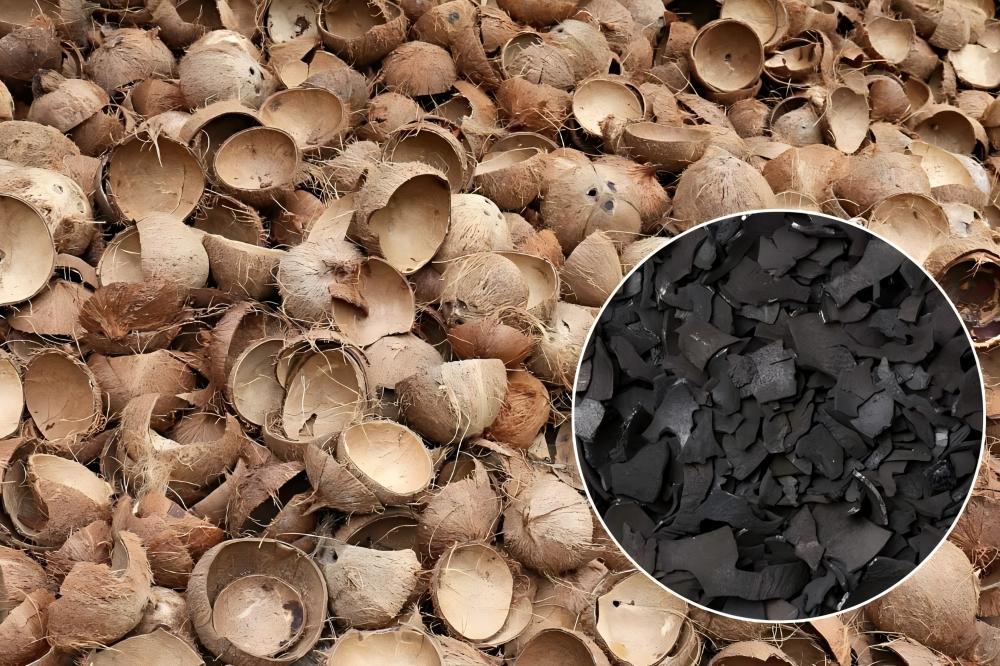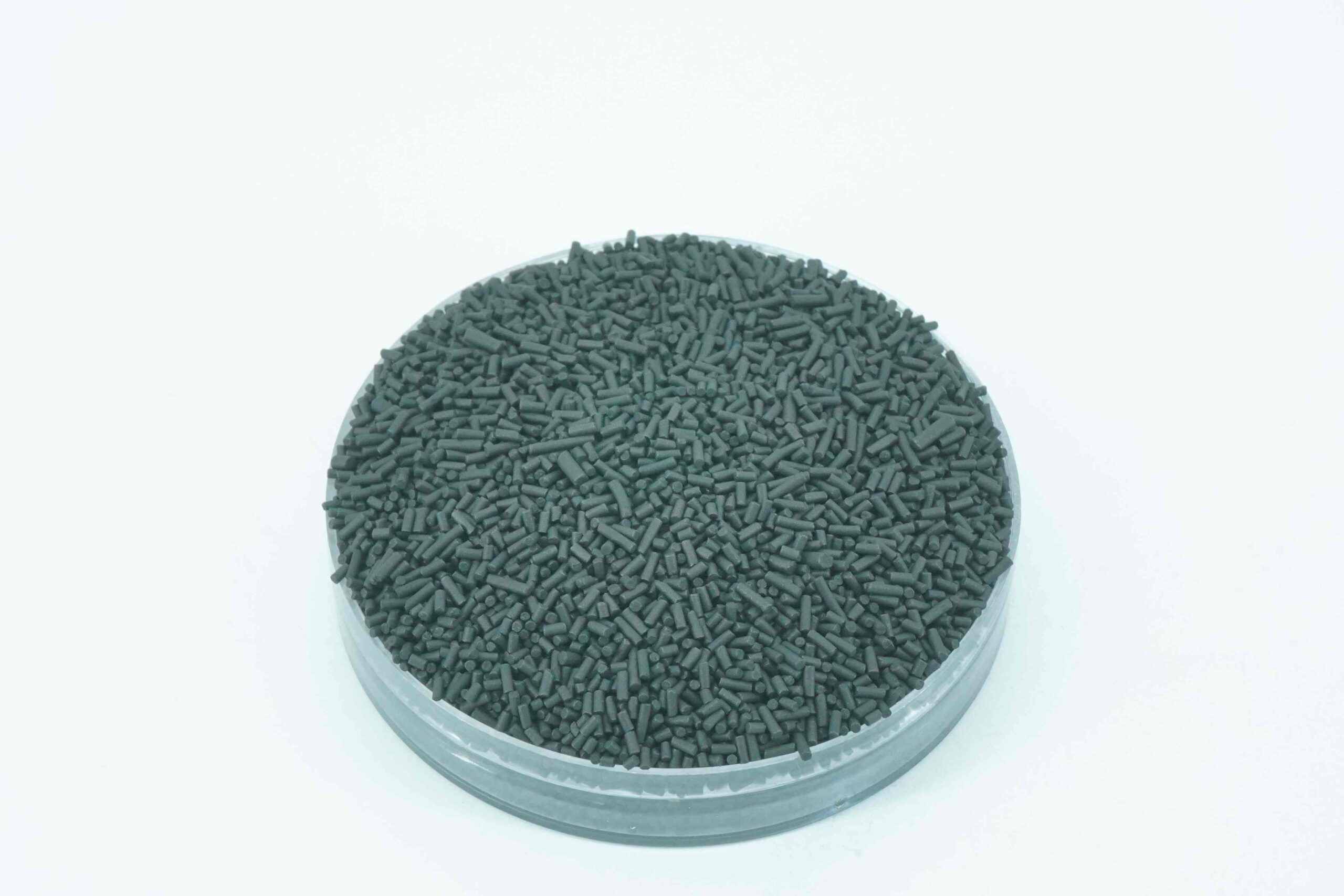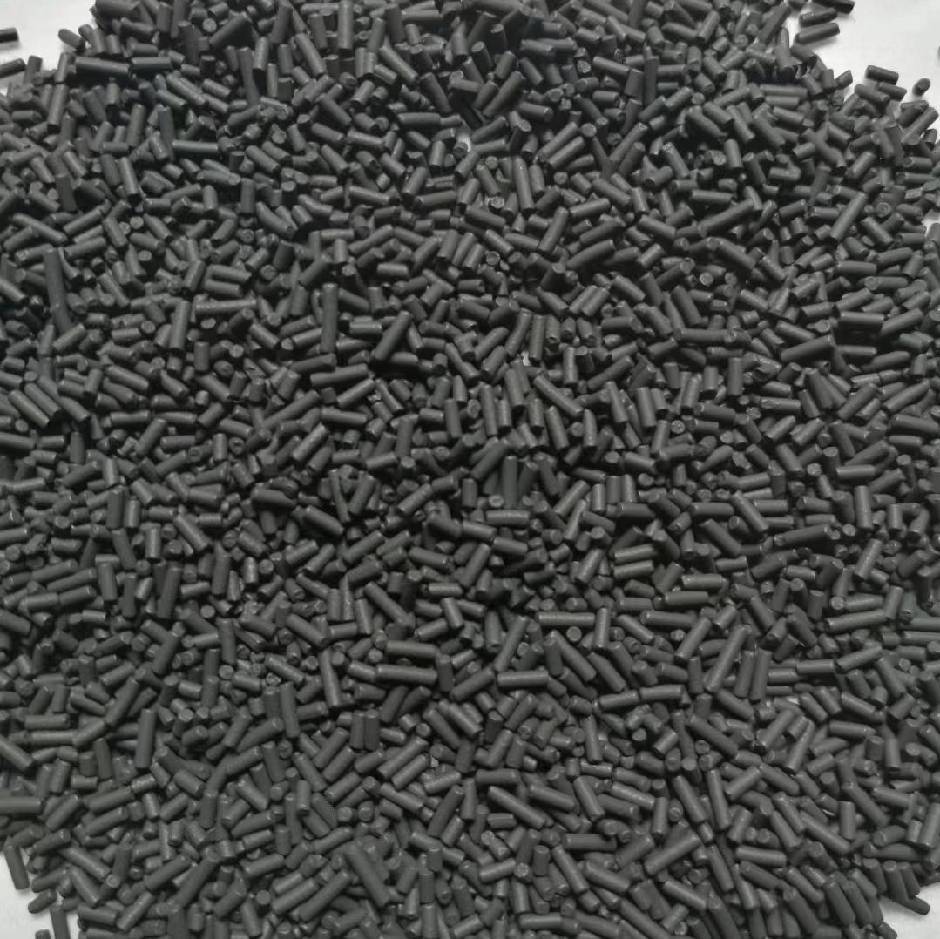
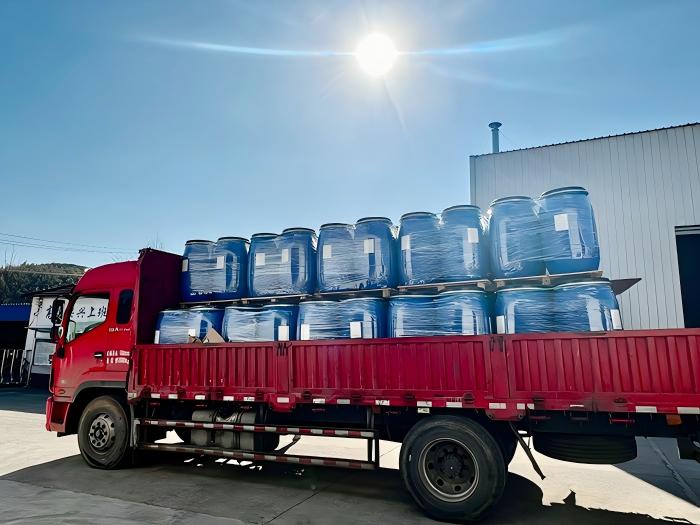
Carbon molecular sieves have pore sizes of 3 to 5 Å (approximately 0.28 to 0.38 nanometers) and particle diameters of 1.0 to 2.0 millimeters. YUANHAO Company sells molecular sieves in various sizes. Pore size is crucial for gas separation and helps improve the adsorption efficiency of nitrogen in pressure swing adsorption (PSA) systems.
Key Takeaways
- The pore size of carbon molecular sieves, 3 to 5 Å, is crucial for gas separation. Choosing the appropriate molecular sieve size helps improve the efficiency of processes such as nitrogen preparation and gas purification. The particles are typically uniform in size, approximately 1.0 to 2.0 millimeters, which facilitates the smooth passage of gases, thereby improving the adsorption process.
Carbon Molecular Sieves: Pore Size
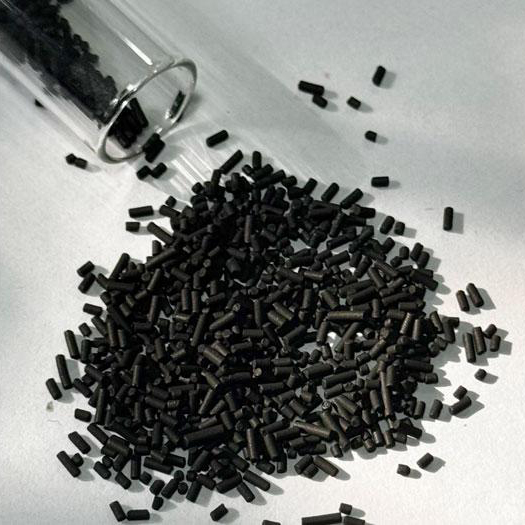
Commonly Used Apertures
Scientists and engineers choose carbon molecular sieves with pore sizes of 3 to 5 Å (approximately 0.28 to 0.38 nanometers). These tiny pores help separate gases, allowing only specific molecules to pass through. For example, molecular sieve 3a has a pore size of 3 angstroms. Molecular sieves with a pore size of 5 angstroms can separate larger molecules, such as separating n-alkanes from branched alkanes. The chosen pore size depends on the type of gas or liquid to be separated.
Pore size uniformity is very important. Smaller pore sizes result in higher selectivity for the molecular sieve, helping to distinguish molecules of different sizes. Larger pore sizes allow more molecules to pass through, but may result in poorer selectivity. The optimal pore size for gas separation (especially nitrogen production) is between 0.28 and 0.38 nanometers.
Mainstream Specifications
Most carbon molecular sieves have a particle size of 1.0 to 2.0 millimeters. This size facilitates use and packing into chromatographic columns. YUANHAO sells a variety of carbon molecular sieves. CMS-220 is suitable for standard nitrogen generation. CMS-240 is suitable for fast circulation systems. CMS-300 offers superior performance for high-intensity applications. Each model has its unique dimensions and structure, allowing users to choose the appropriate model according to their needs.
The manufacturing process of molecular sieves affects their size and shape. Manufacturing temperature affects pore size. The longer the activation time, the more uniform the pore size. The initial materials used are also important. Factors such as heating rate and the gas used affect pore size and particle width.
Here are ways to measure and check molecular sieve sizes:
| Method | Description |
|---|---|
| Nitrogen adsorption-desorption | Measures how much nitrogen sticks to the surface to find pore sizes. |
| Mercury intrusion porosimetry | Uses mercury under pressure to fill pores and measure their size and volume. |
| Gas permeation testing | Checks how easily gases move through the sieve to learn about the pores. |
| Advanced imaging techniques | Shows the pore structure using special cameras. |
| Computational modeling | Uses computers to see how pore size affects how sieves work. |
Working Principle
Carbon molecular sieves separate gases using their pores. Smaller pores allow smaller molecules (such as oxygen) to pass through quickly, while larger molecules (such as nitrogen) move more slowly or are blocked. This is called selective adsorption. It helps in the production of pure nitrogen from air. Appropriate pore size ensures that only the target gas can pass through.
The physical properties of the molecular sieve, such as surface area and pore volume, are also crucial. Smaller particles have a larger surface area, which is more conducive to adsorption. This means they can hold more gas. Larger pores can also trap a large number of molecules, but for optimal results, both size and shape are critical.
Industry standards help name and measure sieve sizes. The table below lists two main standards:
| Standard | Description |
|---|---|
| ASTM E11 | Main U.S. standard that sets sieve opening sizes in a set pattern. |
| ISO 3310 | International standard that lists preferred aperture sizes for sieves made from wire or metal plates. |
Manufacturers use these standards to make sure their sieves are good quality and work well. This helps people compare molecular sieve 3a, 4a, and 5a products easily.
Tip: Choosing the appropriate molecular sieve size and type, such as those from YUANHAO, helps in the effective separation of gases and maintains long-term stable operation of systems in many industries.
Carbon Molecular Sieves: Particle Size
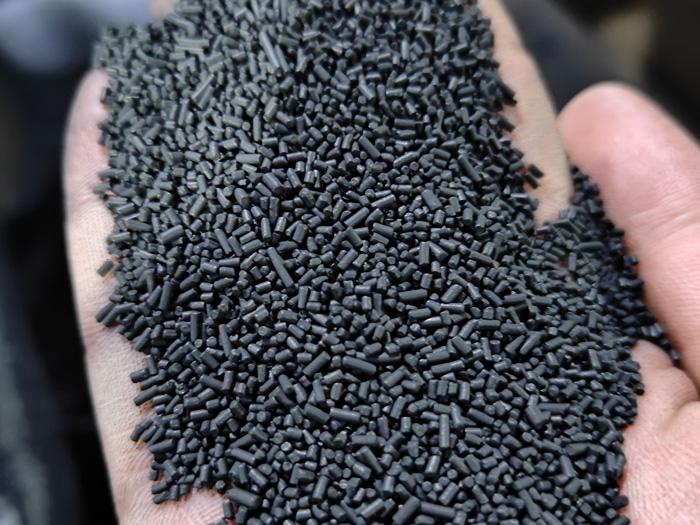
Diameter range
The size of carbon molecular sieve particles is crucial. Most particles are between 1.0 and 2.0 mm wide. This size helps the sieve pack tightly within the column. Tight packing improves gas flow and helps the sieve function better.
Manufacturers employ special methods to ensure all particles are of consistent size. When particle size is uniform, the adsorption process is more stable. Gas flows more evenly across the sieve bed. This helps in the better separation of gases such as nitrogen and oxygen.
Some important facts about carbon molecular sieve particle size:
- Particle size is typically between 1.0 and 2.0 mm.
- Uniform size helps ensure uniform gas flow and improves adsorption efficiency.
- Consistent size helps extend the sieve’s lifespan in pressure swing adsorption (PSA) systems.
Common standards
Industry standards help inspect and control the size of sieve particles. These standards ensure high-quality sieves. The following table lists some globally recognized standards:
| Standard Number | Organization | Description |
|---|---|---|
| 13319 | ISO | Electrical Sensing Zone Method for finding particle size |
| 13320 | ISO | Laser Diffraction Methods for particle size analysis |
| 13322-1 | ISO | Image Analysis Methods — Static Image Analysis |
| 21501-2 | ISO | Light scattering liquid-borne particle counter for size distribution |
| 21501-3 | ISO | Light extinction liquid-borne particle counter for size distribution |
| 22412 | ISO | Dynamic Light Scattering (DLS) for particle size analysis |
| 24235 | ISO | Laser Diffraction Method for ceramic powder particle size |
| 5158 | ASTM | Air Jet Sieving for fine mesh and powdered activated carbon |
These standards help companies compare different sieves. They also help users select the appropriate sieve based on their needs. When a sieve meets these standards, it can be trusted to perform well in a gas separation system.
Carbon Molecular Sizes for Applications
Why Size Matters
The pore size of carbon molecular sieves is crucial. These sieves have pore sizes between 3 and 5 angstroms. This size allows them to trap small molecules such as hydrogen and methane. Molecular sieves can adsorb impurities and water, but allow nitrogen to pass through. This process is essential for gas purification in PSA systems. Smaller pore sizes help molecular sieves work faster and remove more impurities because they can hold more. In nitrogen production, molecular sieves separate oxygen and nitrogen by selectively adsorbing molecules. This makes the nitrogen very pure and allows it to perform optimally in the plant.
Recent improvements to carbon molecular sieves have focused primarily on pore size and surface area. Engineers have used special methods such as carbonization and chemical vapor deposition to modify the structure of molecular sieves. These modifications improve the performance of molecular sieves in drying, dehydration, and purification, while also increasing their selectivity and efficiency.
Choosing the Right Size
Choosing the right molecular sieve depends on your specific needs. The following table lists important factors to consider:
| Factor | Description |
|---|---|
| Operating Pressure and Temperature | The molecular sieve must fit the pressure and temperature of the job. |
| Cost-Effectiveness | Think about the starting price and how much you save over time. |
| Application-Specific Considerations | Different jobs, like drying or removing water, need certain types of sieves. |
YUANHAO sells sieves that are good at drying, dehydration, and purification. Their products remove water and impurities in many uses. Picking the right sieve means fast adsorption, long-lasting use, and steady performance. Using the correct sieve helps industries dry, dehydrate, and purify gas efficiently.
The size of a carbon molecular sieve is very important for gas separation. Engineers pick pore sizes from 3 to 5 angstroms to get good results. YUANHAO has different choices for many kinds of businesses. People should think about pore size, how much the sieve can hold, and how well it can pick certain gases when they choose a molecular sieve.
| Factor | Description |
|---|---|
| Pore Size | Match to target molecule for best results |
| Stability | Choose durable molecular sieve types |
Tip: Pick a molecular sieve that fits what your system and job need.
FAQ
What are the main uses of carbon molecular sieves?
Carbon molecular sieves are used for gas separation. They are primarily used in PSA systems for nitrogen production. Many companies use them to obtain clean, pure gases.
How does particle size affect performance?
Smaller particles have a larger surface area. This allows the molecular sieve to adsorb gases more quickly. When all particles are of the same size, gas flow is smoother and more efficient.
Why choose Yuanhao’s carbon molecular sieve products?
YUANHAO sells molecular sieves with consistently consistent sizes. Their molecular sieves facilitate rapid nitrogen production. They are durable and energy-efficient.