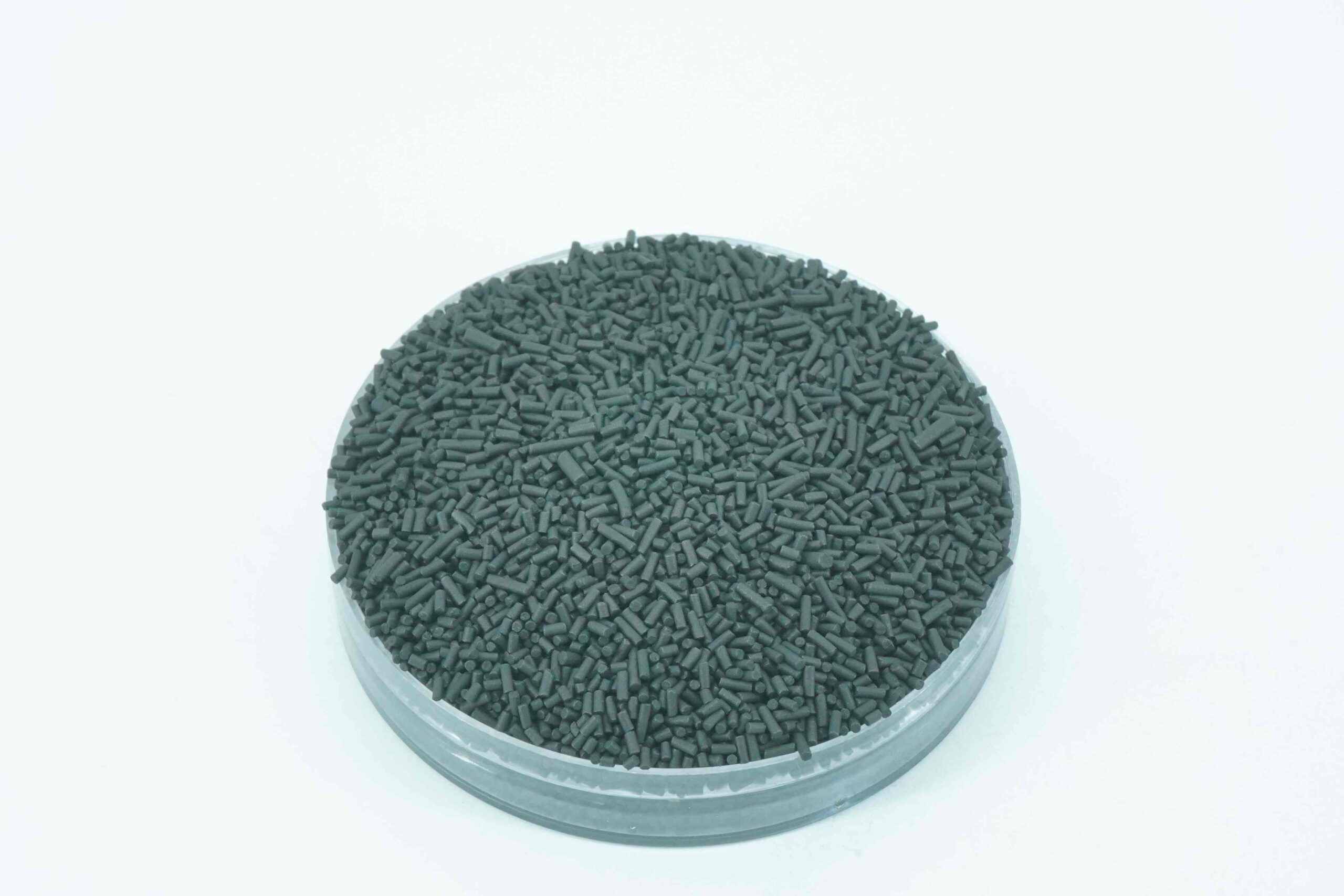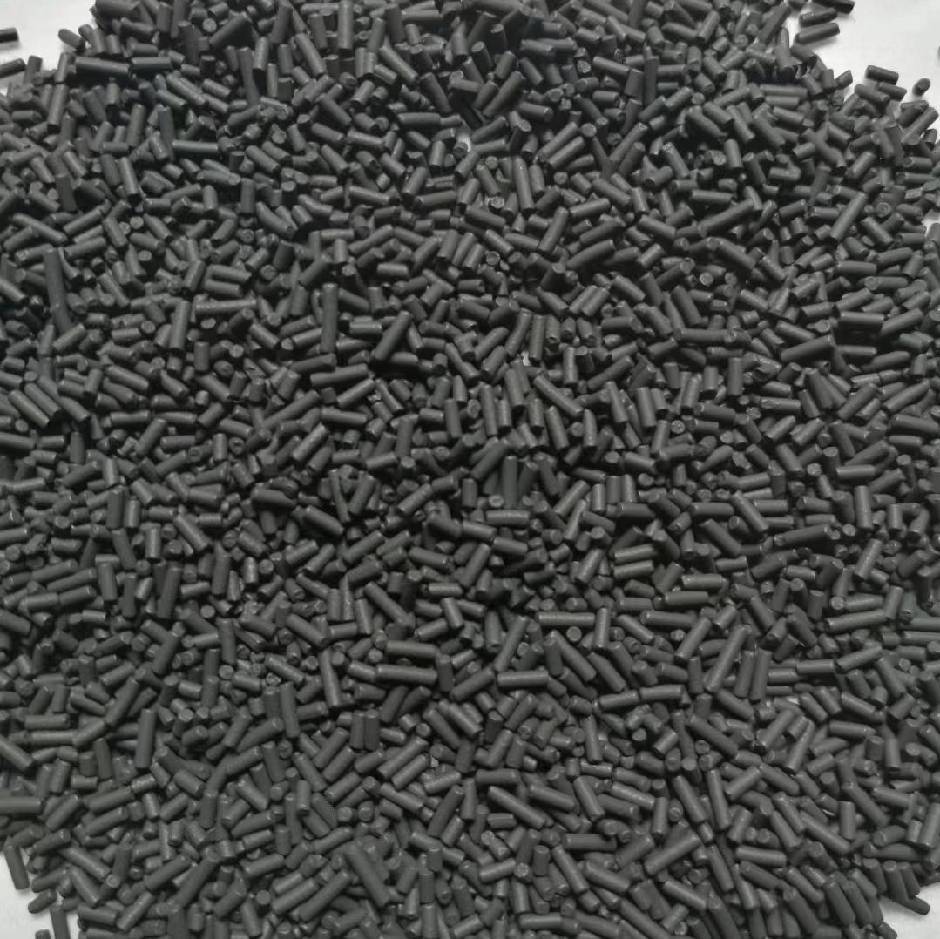
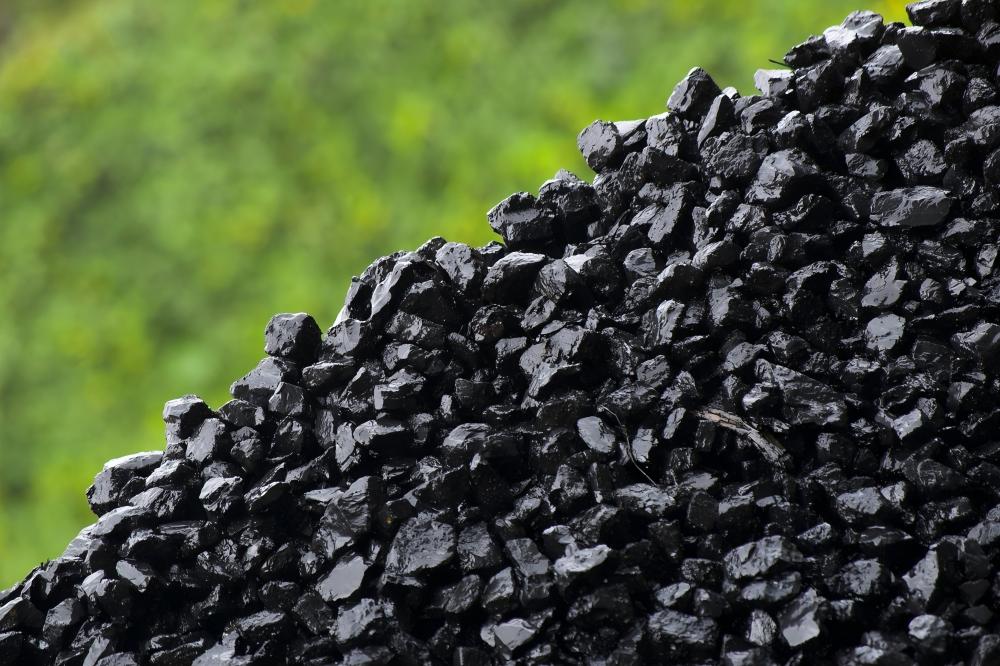
- If carbon molecular sieves are stored properly in sealed containers, they can be used for 3 to 5 years.
- YUANHAO carbon molecular sieves can be used for 5 to 8 years during operation, longer than their shelf life.
Understanding shelf life is helpful for gas separation and nitrogen production operations. This helps maintain good equipment operation and save costs. The quality of the feed gas, the method of use, and the maintenance method are all crucial. These factors all affect the performance and service life of the molecular sieve.
Key Takeaways
- If stored properly, CMS can be used for 3 to 5 years, but YUANHAO carbon molecular sieves can be used for 5 to 8 years during operation.
- Store carbon molecular sieves in sealed containers to prevent moisture and air from entering, thus extending their service life.
- Regularly check storage conditions for leaks or damage to ensure the good performance of the molecular sieves.
- Monitor indicators such as nitrogen production and purity to determine when the molecular sieves need to be replaced.
- Using desiccant packets and vacuum sealing can improve storage effectiveness and prevent the molecular sieves from getting damp.
Shelf Life of Carbon Molecular Sieve
Typical Shelf Life Range
Carbon molecular sieves are crucial for gas separation and nitrogen generation. Most carbon molecular sieves, if stored properly, can last three to five years. This means that if moisture and air are excluded, the material can maintain its good condition for a long time. YUANHAO’s carbon molecular sieves also meet this standard. The company uses robust packaging and rigorous inspections to ensure their shelf life.
Carbon molecular sieves manufacturers and suppliers use different methods to check shelf life before use. These checks ensure that the carbon material remains effective during storage. The following table lists common testing methods:
| Testing Method | Description |
|---|---|
| Laboratory-tested adsorption rates | Checks how well it works with different humidity levels. |
| Saturation monitoring | Means checking moisture levels from time to time. |
| Gravimetric testing | Looks at weight changes to see if it takes in moisture. |
| RH probes | Watches humidity inside shipping containers. |
| Periodic sampling | Tests packaged products every so often. |
These tests help companies know the carbon molecular sieve will work when needed. They also help users stop problems from old or damaged carbon molecular sieves.
Shelf Life vs. Service Life
The shelf life and service life of carbon molecular sieves are not the same. Shelf life refers to the time a carbon molecular sieve maintains good performance under storage conditions, and does not mean the material is still in use. Service life refers to the time a carbon molecular sieve can function normally after being put into use. For example,YUANHAO’s carbon molecular sieves can be used for five to eight years.
A long service life of carbon molecular sieves helps companies save costs and reduce downtime. Users should always check the shelf life before using carbon molecular sieves and should store them correctly to maintain their good condition. Even if the appearance is intact, the performance of an aged carbon molecular sieve may decline. Proper storage and handling help protect the carbon molecular sieve and ensure it performs at its best.
Note: Always keep carbon molecular sieves in a dry, sealed container. Keep them away from air and moisture to make the shelf life longer.
Factors Affecting Shelf Life of Carbon Molecular Sieve
Storage Conditions
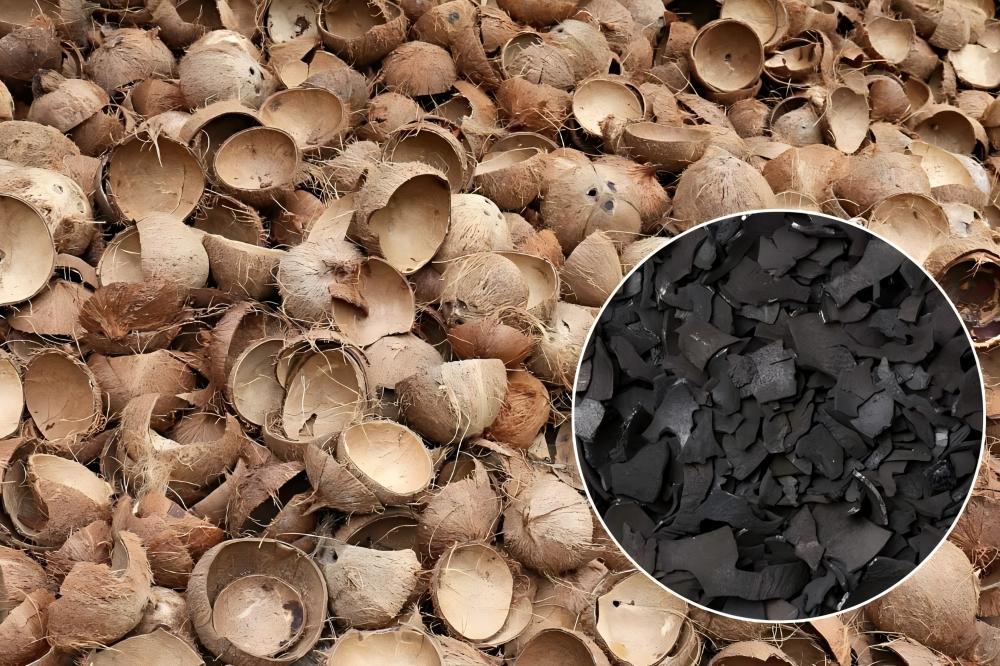
The storage method for carbon molecular sieves is crucial. You need to store it in a sealed container to prevent air and moisture from entering. If the temperature is too high, the performance of the molecular sieve will deteriorate. Molecular motion speeds up, making it difficult to enter the tiny pores of the molecular sieve. Rapid temperature changes may also cause the molecular sieve to break.
- Use a waterproof container.
- Keep the molecular sieve sealed to prevent air from entering.
- Store it in a controlled atmosphere.
- You can also use a vacuum seal or fill it with a special gas.
Tip: Please check the storage method of the sieve frequently. This helps keep the sieve dry and safe.
Packaging and Handling
The packaging and handling of the sieve are crucial. Good packaging prevents water and dust from entering the sieve during transportation or storage. Desiccant packets help keep the air dry. Different packaging methods are suitable for different needs. Choosing the appropriate size desiccant packet is very important. The table below shows the shelf life of some desiccants:
| Desiccant Type | Usable Duration |
|---|---|
| Silica Gel | 2-3 months to about a year |
| Clay-based | Several months to a year |
| Molecular Sieves | Up to 2 years under conditions |
Handle the sieves with care. This will prevent them from being damaged prematurely. You can extend the life of the sieves by heating or cleaning them with chemicals.
Moisture and Contaminant Exposure
Water and other things can hurt carbon molecular sieves. Methanol fights with water and can harm the sieve when you try to dry it. Hydrocarbons can block the holes and make the sieve not work well. Carbonyl sulfide forms if sour gas touches the sieve. To stop this, heat things up slowly and preheat what goes in. Keep the temperature and pressure low. Batch tracking helps you know where each sieve came from and went.
Note: Keep carbon molecular sieves away from water and bad stuff. This helps them last longer.
Maximizing Carbon Molecular Sieve Shelf Life
Storage Best Practices
Proper storage of carbon molecular sieves ensures they maintain their optimal performance. Always store them in a dry, cool place. Use an airtight container to isolate them from water and air. Avoid direct sunlight and keep the storage area clean. Place a desiccant packet inside the packaging to absorb excess moisture. You can also use vacuum sealing or nitrogen purging to aid drying.
Tip: Check the storage spot often to find leaks or wet spots early.
Here is a table with easy storage steps:
| Step | Action |
|---|---|
| Choose location | Pick a dry, cool, and dark place |
| Use containers | Store in airtight, sealed containers |
| Add desiccants | Place packets to absorb moisture |
| Inspect regularly | Check for signs of damage or leaks |
YUANHAO gives helpful advice to users. Their team helps people store carbon molecular sieves the right way and answers questions.
Maintenance Tips
Proper care of carbon molecular sieves helps extend their lifespan. Maintain the pressure of the PSA system at the appropriate level. Excessive pressure can damage the molecular sieve. The cooling system helps maintain a low temperature, preventing rapid aging of the carbon molecular sieve. Sensors monitor pressure, temperature, and flow rate. These tools can help users quickly resolve issues.
- Maintain stable PSA system pressure.
- Use the cooling system to control temperature.
- Use sensors to monitor key data.
- Check for water stains or dirt.
- Rotate older carbon molecular sieves.
Note: YUANHAO gives support and advice to help users get the best use from their carbon molecular sieve.
Following these tips can save costs and ensure a longer lifespan for your carbon molecular sieves.
End of Shelf Life Signs for Carbon Molecular Sieves
Performance Decline
When carbon molecular sieves reach the end of their shelf life, users typically notice a decline in performance. The amount of nitrogen produced by the system may be less than before. Nitrogen purity may be lower than required. Operators may find a decrease in recovery rates, meaning the system is not utilizing air as efficiently as expected. These changes clearly indicate that the molecular sieve’s performance is not as good as when it was new.
The following table lists important signs of carbon molecular sieve failure:
| Indicator | Description |
|---|---|
| Nitrogen Production Capacity | The amount of nitrogen gas made over time. A lower amount means the sieve is getting old. |
| Nitrogen Purity | The nitrogen should stay pure. If it drops, the sieve may need to be replaced. |
| Recovery Rate | This shows how well the system uses air. A lower rate means the sieve is not working well. |
| Crush Strength & Abrasion Resistance | The sieve should stay strong. If it breaks or wears down, it cannot do its job. |
| Selectivity | The sieve must separate gases well. If it cannot, the nitrogen will not be pure. |
If any of these signs appear, users should check the system and think about replacing the sieve.
Physical Changes
Physical changes are also signs that the carbon molecular sieve has reached the end of its service life. Particles may appear dusty or broken. The color may change, or the material may become softer than before. Sometimes, users will find more dust in the filter or pipes. These changes mean the molecular sieve cannot withstand pressure or friction.
A good practice is to check the molecular sieve for these signs during routine maintenance. If the molecular sieve appears damaged or brittle, it needs to be replaced. Keeping the system clean and checking it frequently helps prevent larger problems.
Regular inspections help users identify problems early and ensure the system operates smoothly.
Proper storage and handling of carbon molecular sieves can maintain their good performance. These materials may change if exposed to excessive moisture or high temperatures. Improper storage can also prevent them from effectively controlling moisture. Users can seek expert assistance if needed. YUANHAO provides high-quality products and helpful advice. Understanding the difference between shelf life and service life is helpful for planning.
Carbon molecular sieves help keep items dry even in dry environments.
The supplier provides assistance to ensure users receive the products they need.
FAQ
How to store carbon molecular sieves for optimal results?
Carbon molecular sieves should be stored in a dry, cool place in an airtight container. A desiccant packet can absorb excess moisture. Regular checks help detect leaks or damage early.
Can expired carbon molecular sieves be reused?
Expired carbon molecular sieves may not function properly, and their gas separation efficiency will decrease. To ensure proper functioning, it is recommended to replace them with new ones.
What happens if carbon molecular sieves get damp?
Water will clog the pores on the molecular sieve, making it difficult for the sieve to adsorb gases. Therefore, contact between the molecular sieve and water should be avoided.
How to determine if a carbon molecular sieve has failed?
A failed carbon molecular sieve may show signs of decreased nitrogen content or purity, or it may show surface dust accumulation or damage. These signs indicate that the molecular sieve needs to be replaced.