The primary difference between PAC (Powdered Activated Carbon) and GAC (Granular Activated Carbon) lies in their physical form and how they are utilized in activated carbon technology. PAC comes in the form of a fine powder and adsorbs contaminants more efficiently, making it effective for purifying water and air. GAC is typically used in filtration systems to provide continuous removal of harmful substances. Demand for both types of activated carbon is high, driven by the implementation of water purification regulations and increased investment in the sector.
Key Takeaways
- PAC is a fine powder that purifies water very rapidly, making it ideal for emergency situations or short-term needs.
- GAC consists of larger granules suitable for continuous water purification, making it the preferred choice for long-term use.
- The choice between PAC and GAC depends on your requirements regarding purification speed and frequency of use; PAC is best for quick solutions, whereas GAC is better suited for ongoing water purification.
PAC and GAC: Key Features
What is PAC?
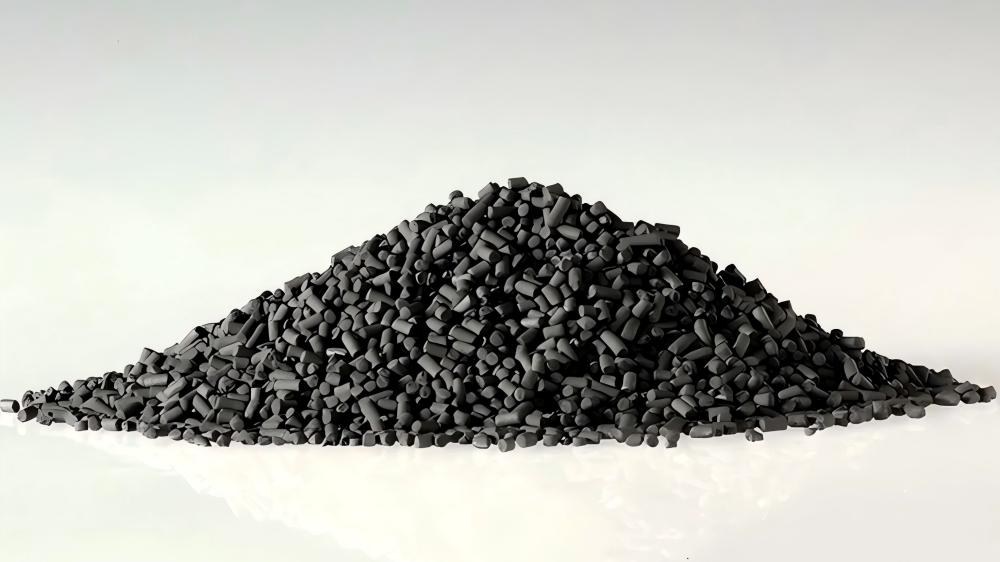
Powdered Activated Carbon (PAC) consists of extremely fine particles, typically ranging from 10 to 50 micrometers in size. Due to this fine particle size, PAC possesses a vast surface area, enabling it to rapidly adsorb harmful substances from water. It is commonly used in situations requiring quick water purification, such as during emergencies or when immediate results are needed.
What is GAC?
Granular Activated Carbon (GAC) consists of larger particles than PAC, typically ranging from 0.2 to 5 millimeters in size. This characteristic gives GAC superior strength and durability, making it suitable for filtration systems that require continuous operation. GAC is widely used in municipal water treatment plants, air purification, and industrial production. Certain applications require specialized types of GAC to meet the demands of large-scale water treatment and long-term, efficient operation.
Physical Properties and Adsorption
PAC and GAC differ in terms of particle size and purification methods. The table below lists the common sizes for these two types of activated carbon:
| Type of Activated Carbon | Mesh Size Range | Application |
|---|---|---|
| Granular Activated Carbon (GAC) | 4×8 to 20×50 mesh | Filters, continuous flow systems |
| Powdered Activated Carbon (PAC) | −100 to −200 mesh | Batch dosing, emergency treatment |
PAC has more surface area than GAC. This means PAC can clean water faster. PAC works three to five times quicker than GAC. But GAC can hold more bad stuff over a long time because of its inside spaces. Both PAC and GAC take out chlorine, smells, and other bad things from water. PAC is best for quick or emergency jobs. GAC is better for cleaning water all the time.
Tip: PAC makes dust and needs careful handling, but GAC is easier to put in filters and makes less dust.
Difference Between PAC and GAC: Comparison and Uses
Side-by-Side Comparison
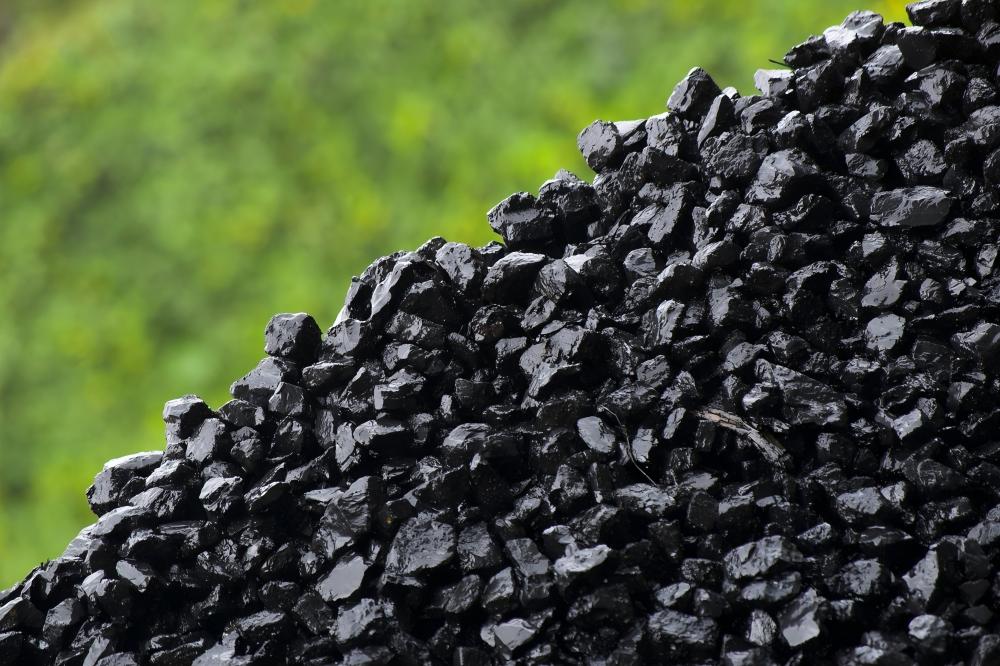
The difference between pac and gac changes how companies clean water. Both are important in water treatment, but they work in different ways. The table below shows how they are not the same:
| Feature | Powdered Activated Carbon (PAC) | Granular Activated Carbon (GAC) |
|---|---|---|
| Particle Size | Fine powder (under 0.1 mm) | Granules (0.5 mm to 5 mm) |
| Surface Area | Larger surface area | Moderate surface area |
| Adsorption Rate | Faster adsorption | Slower, more efficient over time |
| Reusability | Not reactivated; disposed after use | Can be regenerated; reused multiple times |
| Maintenance | Simpler; used for temporary measures | More extensive; involves soaking, backwashing, and pH stabilization |
| Lifespan | Short-term use | Long-term, continuous use |
| Initial Cost | Lower | Higher |
| Long-term Cost | Higher due to disposal | Lower due to regeneration |
- PAC works fast to remove bad stuff, so it is good for emergencies or when you need quick cleaning.
- GAC is better for systems that run all the time. It can be cleaned and used again, so it saves money later.
Note: GAC is picked for water systems that never stop because it lasts longer and can be used again. PAC is best for quick, short-term jobs.
Typical Applications
Companies pick powdered activated carbon or granular activated carbon based on what they need. Here are some ways they are used:
Water Treatment
- PAC is used when there is a sudden problem, like a spill. It also helps with taste, smell, and short-term pollution.
- GAC is put in city water plants for cleaning water all the time.
Food and Beverage Industry
- PAC helps make sugar cleaner by taking out color and dirt.
- It also makes drinks taste better by removing chlorine and bad flavors.
- GAC is used in big drink factories for cleaning water all the time.
Air Purification
- GAC is used in air cleaners. Its bigger size lets air move through easily, so it removes smells and bad gases well.
- PAC is not used much in air systems because it makes dust and is hard to handle.
Industrial Processes
- PAC is picked for jobs that need fast cleaning or are done in small batches.
- GAC is used in big factories for cleaning water or chemicals all the time.
Choosing the Right Type
Picking pac or gac depends on a few things:
- If you need to clean something fast or if there is a sudden problem, powdered activated carbon is better.
- For cleaning water or air all the time, granular activated carbon works better and needs less work.
- GAC can be cleaned with water or heat, so it can be used again. This saves money and makes less trash.
- PAC costs less at first, but you have to replace it often and throw it away carefully, especially if it has soaked up dangerous stuff.
Tip: Companies should think about what they need to clean, how their system works, and how much it costs before picking pac or gac.
Advanced Technology for Gas Separation
Certain industries—particularly those involving gas separation—demand extremely high levels of separation purity. YUANHAO manufactures carbon molecular sieve (CMS) products. Unlike powdered activated carbon (PAC) or granular activated carbon (GAC), CMS is specifically engineered for the selective adsorption of certain gases, such as in the production of high-purity nitrogen. By utilizing YUANHAO CMS, facilities can generate nitrogen on-site to meet the requirements of sectors such as electronics manufacturing, food preservation, and chemical production. Distinct from conventional activated carbon, this specialized product is primarily used in large-scale industrial projects and specialized processing workflows.
PAC is capable of rapidly removing impurities from water, making it ideal for emergency treatment or short-term purification needs. In contrast, GAC is better suited for continuous, long-term water purification operations. Enterprises should select the appropriate product type based on their specific requirements. Additionally, carbon molecular sieves find extensive application in specialized fields such as pharmaceuticals, water treatment, and chemical production.
FAQ
What is the main difference between PAC and GAC?
PAC is a fine powder with tiny pieces under 0.1 mm. GAC has bigger pieces that are between 0.5 mm and 5 mm. Each one works best for different ways of cleaning.
Can manufacturers reuse GAC after use?
Yes. Companies can clean GAC by heating or washing it. This lets them use GAC again and again. It helps save money when cleaning all the time.
How does YUANHAO Carbon Molecular Sieve differ from PAC and GAC?
YUANHAO CMS is made for separating gases, like making nitrogen. It has special holes that are just the right size. PAC and GAC are used for cleaning water or air, not for gas separation.