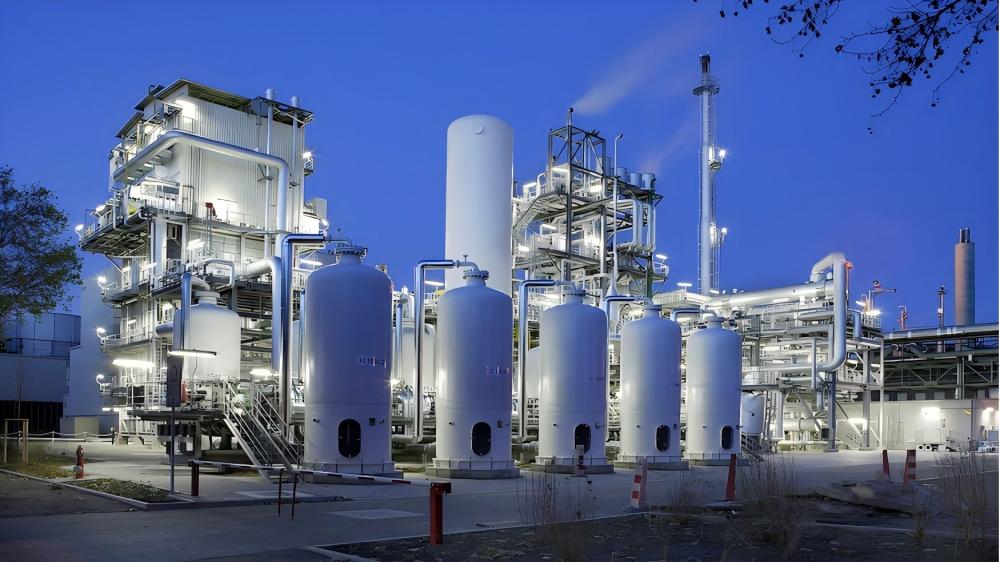
CMS differ from zeolite molecular sieves in gas separation. In factories, CMS membranes can separate gases better and faster, making them highly effective for nitrogen production. YUANHAO has been manufacturing CMS for over 15 years, providing steady results to air separation companies. The table below illustrates the performance of each membrane:
| Type of Membrane | N2/CH4 Selectivity | N2 Permeability (barrers) |
|---|---|---|
| Carbon Molecular Sieves (CMS) | 7.7 | 6.8 |
| Zeolite Membranes | N/A | N/A |
CMS differ because they feature two pore sizes and a rigid structure, which enhance their gas separation capabilities. Factories utilize CMS to achieve cleaner gases and improved recovery rates. Additionally, CMS contribute to greener gas separation processes and energy savings.
Key Takeaways
- Carbon Molecular Sieves give higher nitrogen purity than zeolite sieves. CMS can make nitrogen that is over 99.9% pure. Zeolite sieves make nitrogen that is between 95% and 99% pure. This means CMS is best for places that need very clean nitrogen.
- CMS membranes separate gases faster than zeolite membranes. They also do it more efficiently. This helps factories recover more gas. It also saves energy for the factory.
- CMS lasts longer than zeolite materials. CMS can last five to ten years. Zeolite materials last two to five years. CMS needs less maintenance. This lowers the total cost to run the system.
- Picking CMS or zeolite depends on what you need. You should think about gas purity, how the system works, and the effect on the environment.
CMS Differ: Key Properties
Adsorption Efficiency: CMS vs Zeolite
Adsorption efficiency is crucial for gas separation. Carbon molecular sieves have fine, uniform pores and a tunable surface. These properties enable them to selectively adsorb certain gases, such as nitrogen. Zeolite materials possess a three-dimensional porous structure. This facilitates their separation of gases based on the size of gas molecules and their interactions with other molecules.
- Carbon molecular sieves can:
- Separate nitrogen and oxygen very well.
- Change how fast they adsorb different gases.
- Work well in pressure swing adsorption systems.
- Zeolite materials can:
- Keep good adsorption for polar molecules.
- Separate water and some organic gases well.
- Work well in wet places because they do not soak up water easily.
Carbon molecular sieves are best when fast and strong separation is needed. Zeolite materials work well in wet air and with polar gases.
Purity and Recovery Rates
Purity and recovery reflect the quality of the separated nitrogen. Nitrogen separated by carbon molecular sieves has a higher purity than that separated by zeolite materials. The table below shows the purity of each molecular sieve:
| Type of Molecular Sieve | Typical Purity Levels |
|---|---|
| Carbon Molecular Sieve (CMS) | Exceeds 99.9% |
| Zeolite Molecular Sieve | 95% – 99% |
| Effect of Humidity | Purity can drop by 1-2% |
Carbon molecular sieves maintain high purity even at high speeds. This is highly advantageous for companies requiring high-purity nitrogen. Zeolite molecular sieves experience a decrease in purity in humid air. Carbon molecular sieves can also collect more nitrogen from the same amount of air. This means they offer superior performance and are cost-effective.
Mechanical Strength and Durability
Mechanical strength and durability determine the lifespan and maintenance frequency of a material. Carbon molecular sieves are robust and durable. The table below compares the lifespan and maintenance requirements of various molecular sieves:
| Type of Molecular Sieve | Durability (Service Life) | Maintenance Frequency |
|---|---|---|
| Carbon Molecular Sieve | 5–10 years | Lower |
| Zeolite Molecular Sieve | 2–5 years | Higher |
Carbon molecular sieves have a longer lifespan and require less maintenance, saving time and money. Zeolite molecular sieves may require more frequent replacement or maintenance. Carbon molecular sieves, on the other hand, can operate stably for extended periods, even in harsh environments.
Operating Conditions
Operating conditions affect the performance of molecular sieves. Carbon molecular sieves perform well under moderate pressure and temperature. The table below lists the optimal operating range for each type of molecular sieve:
| Type of Molecular Sieve | Pressure Range (MPa) | Temperature Range (°C) | Moisture Sensitivity |
|---|---|---|---|
| Carbon Molecular Sieve | 0.5 – 1.5 | Up to 80 | Moderate |
| Zeolite Molecular Sieve | 0.3 – 1.2 | Sensitive to fluctuations | High |
Carbon molecular sieves perform best in dry, stable environments. They can tolerate some humidity, but their performance degrades in very humid conditions. Zeolite materials also work well in humid air because they do not absorb water. However, zeolite materials are more sensitive to temperature changes. Carbon molecular sieves have many different applications in plants.
Note: Choosing the right molecular sieve depends on the required gas purity, the operating environment, and the desired performance. Carbon molecular sieves possess high adsorption capacity, enabling the preparation of high-purity gases, and have a long service life. Therefore, they are an ideal choice for preparing pure nitrogen.
Carbon Molecular Sieve Applications
Nitrogen Generation with CMS
YUANHAO carbon molecular sieves are ideal for nitrogen production. The company offers several models, such as CMS-220 and CMS-330. CMS-220 provides stable nitrogen production, while CMS-330 produces nitrogen at extremely fast speeds, yielding high-purity nitrogen. These products help numerous plants produce nitrogen. The particle size is 1.0–2.0 mm, the bulk density is 670–690 g/L, and the purity is up to 99.999%. This is crucial for environments requiring extremely clean and dry nitrogen. CMS has a lifespan of 5–8 years, meaning less maintenance or replacement time. Many companies choose YUANHAO’s CMS because it significantly improves the performance of nitrogen production systems. Its short adsorption time of only 80–90 seconds allows for rapid gas separation, thus improving the efficiency of the entire process.
YUANHAO’s CMS helps companies be greener. It uses less energy and works well with medium pressure. This saves money and helps companies follow environmental laws.
Zeolite Applications Overview
Zeolite molecular sieves are widely used in numerous industries. They help purify petroleum by removing impurities such as carbon dioxide, chlorides, and mercury. Zeolites can also dry and purify liquids and gases. In the petrochemical industry, they improve product quality by separating hydrocarbons. Zeolites can remove water and sulfur from natural gas, ensuring pipeline safety and a clean natural gas supply. Zeolites can also produce industrial gases by removing water and carbon dioxide from the air. Specialty chemical and pharmaceutical companies use zeolites to dry items and remove impurities. These applications demonstrate the important role zeolites play in gas purification and separation.
Industry Use Cases
Carbon molecular sieves and zeolite molecular sieves are used for different purposes. In the pharmaceutical industry, zeolites are used to keep drugs dry and safe. Electronics factories use 4A molecular sieves to keep components dry during production and storage. Air separation units use both carbon molecular sieves and zeolite molecular sieves. Carbon molecular sieves are used to produce high-purity nitrogen. Zeolites can purify argon and separate gases such as methane, ethane, and propane. Factories use CMS to produce nitrogen quickly and efficiently. Zeolites are also used for drying and purifying gases and chemicals. Each material has its own strengths, helping factories improve efficiency and produce high-quality products.
Technical and Operational Factors
System Design Considerations
Engineers need to think about many things when making gas separation systems. They must pick between carbon molecular sieves and zeolite molecular sieves. This choice depends on how each system deals with heat, pressure, what gases go in, and how fast the gas moves. The table below lists key things to watch:
| Parameter | Description |
|---|---|
| Temperature | Changes how much gas the sieves can hold and how fast they work. |
| Pressure | Affects how well the gases are separated and how long each cycle takes. |
| Feed Gas Composition | Decides how well the sieves pick certain gases and how they perform. |
| Flow Rate | Changes how long the gas touches the sieve and how well the system works. |
Designers also consider cost. Carbon molecular sieve systems have a higher initial investment but a longer lifespan. Zeolite systems have a lower initial investment but may require more maintenance later on. Good design helps improve sieving efficiency and saves costs in the long run. To achieve optimal results, engineers take the following steps:
- Ensure the pressure-sensitive adhesive is the right size for the application.
- Optimize airflow within the system to improve its efficiency.
- Install tools to monitor system operation.
Maintenance and Lifespan
The frequency of system maintenance and its lifespan affect the total cost. Carbon molecular sieve systems have a longer lifespan and require less maintenance. Zeolite systems may be more prone to failure and have higher maintenance costs. Companies should allow for the cost of replacing new parts and the time the system will be out of service.
Carbon molecular sieve systems have a higher initial investment but lower energy consumption and operating costs, especially when producing high-purity gases. Zeolite systems have a lower purchase cost due to their ease of manufacture, but may have higher energy consumption later on.
From a cost perspective, CMS systems are more energy-efficient, especially when separating nitrogen and oxygen or purifying natural gas. Due to its smoother gas flow and superior separation effect, CMS technology reduces energy consumption by 10-15%.
In the long run, CMS technology is more suitable for large-scale projects. The cost savings over ten years are sufficient to offset the higher initial investment. The payback period for a CMS system is 3-4 years, while that for a zeolite system is 2-3 years.
Common Issues
Both CMS and zeolite systems can experience problems. Fouling, coking, and other harmful substances can degrade system performance and increase costs. Good design and proper cleaning procedures help avoid these problems. Operators must adjust the system heating method based on the ethylene content in the cleaning gas:
- If the ethylene content is below 0.5 mol%, no special operation is required.
- If the ethylene content is between 0.5 mol% and 1 mol%, check system limits and it may be necessary to reduce the cleaning temperature from 230°C to 210°C.
- If the ethylene content is above 1 mol%, the system should be heated in stages to prevent the formation of harmful substances and to ensure thorough cleaning.
Regular system inspections and operator training help prevent unexpected downtime. Good design and maintenance can reduce costs and improve system performance.
Environmental Impact and Life Cycle
Production and Disposal
Environmental factors must be considered when producing and disposing of carbon molecular sieves and zeolite molecular sieves. Each material has a different environmental impact:
- The production of carbon molecular sieves requires a significant amount of energy. It requires high temperatures, and producing 1 kg of carbon molecular sieve generates 2-4 kg of carbon dioxide.
- Natural zeolites are more environmentally friendly because they require fewer processing steps. Synthetic zeolites require more energy and generate waste.
- Carbon molecular sieves use less water, but sometimes require washing. Zeolite synthesis uses more water and generates wastewater that needs purification.
- Carbon molecular sieves produce carbon waste and volatile organic compounds. Zeolite production produces crystalline waste and residual liquids containing high levels of alkali metals.
- Carbon molecular sieves are difficult to recycle after use because they require a large amount of energy. Zeolites can be recycled through ion exchange, but they decompose over time.
These facts demonstrate why environmental considerations are crucial when selecting gas separation materials.
Energy Consumption
Energy consumption is a significant factor in a material’s environmental impact. CMS production requires high temperatures, thus consuming more energy and generating more carbon dioxide. Zeolite production, especially synthetic zeolite, also requires substantial energy due to its hydrothermal process. Natural zeolite, on the other hand, has lower energy consumption due to its simpler production process. YUANHAO’s CMS is a good choice because it consumes less energy in nitrogen production and has a longer lifespan, thus helping to reduce the overall environmental impact.
Sustainability Factors
Sustainability is an important consideration when selecting materials. CMS production generates more carbon dioxide but uses less water and has a longer lifespan. Zeolite molecular sieves, especially natural zeolite, are more environmentally friendly in their production process. Synthetic zeolite, however, requires more energy and water. If not properly disposed of, the waste from both materials can harm the environment. CMS is difficult to recycle, while zeolite, although reusable, has a shorter lifespan. YUANHAO’s CMS has lower energy consumption and a longer lifespan, thus helping to reduce waste generation and replacement frequency, thereby protecting the environment. Companies must consider all these factors to make the most environmentally beneficial choice.
Many countries have rules to protect the environment and keep people safe. The table below shows some important regulations:
| Region | Regulation/Framework | Key Requirements |
|---|---|---|
| European Union | REACH (Registration, Evaluation, Authorisation and Restriction of Chemicals) | Registration and safety checks for chemicals, lifecycle impacts, and recycling materials. |
| United States | Toxic Substances Control Act (TSCA) | Pre-manufacture notifications and support for green chemistry. |
| China | Environmental Protection Law and Chemical Registration Regulation | Strict rules for industrial materials and lifecycle checks for energy-heavy industries. |
| International | ISO 14040 and ISO 14044 | Methods for checking lifecycle impacts to see how materials affect the environment. |
Factories must follow these rules to help the environment and support sustainability.
Picking carbon molecular sieves or zeolite molecular sieves depends on how pure you want the nitrogen to be. The table below shows how each one works:
| Criteria | Carbon Molecular Sieves (CMS) | Zeolite Molecular Sieves |
|---|---|---|
| Nitrogen Purity | >99.9% | 95–99% |
| Adsorption Efficiency | 2–5 minutes | 5–10 minutes |
| Mechanical Strength | 5–10 years | 2–5 years |
| Operating Pressure | 0.5–1.5 MPa | 0.3–1.2 MPa |
| Cost per Ton | $5,000–$10,000 | $2,500–$5,000 |
YUANHAO’s CMS is great for making very pure nitrogen. Many factories use CMS because it makes pure nitrogen quickly and lasts a long time. Electronics, medicine, and chemical companies need very pure nitrogen. YUANHAO’s CMS helps these companies use less energy to make pure nitrogen. Using CMS gives clean and safe nitrogen for making products.