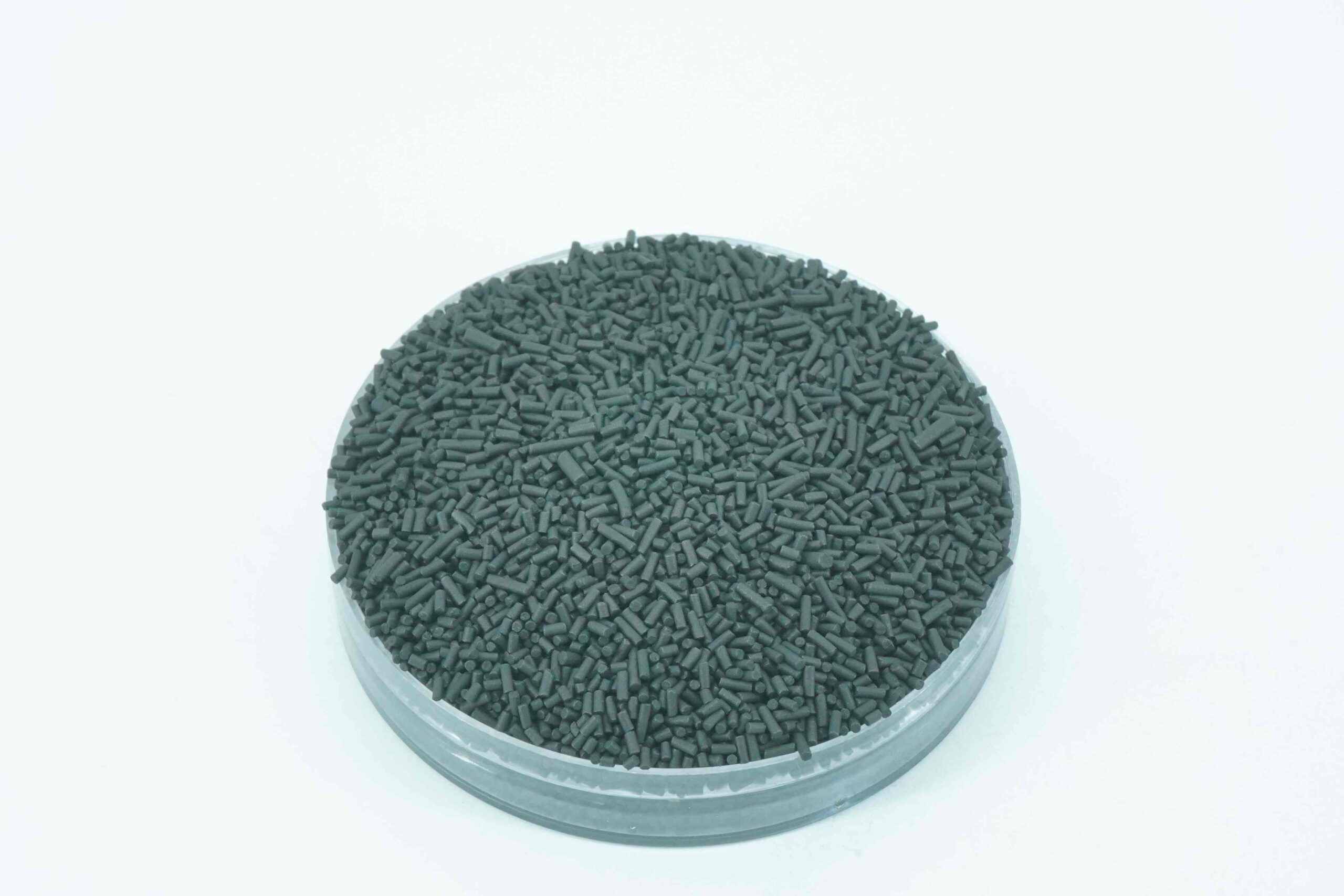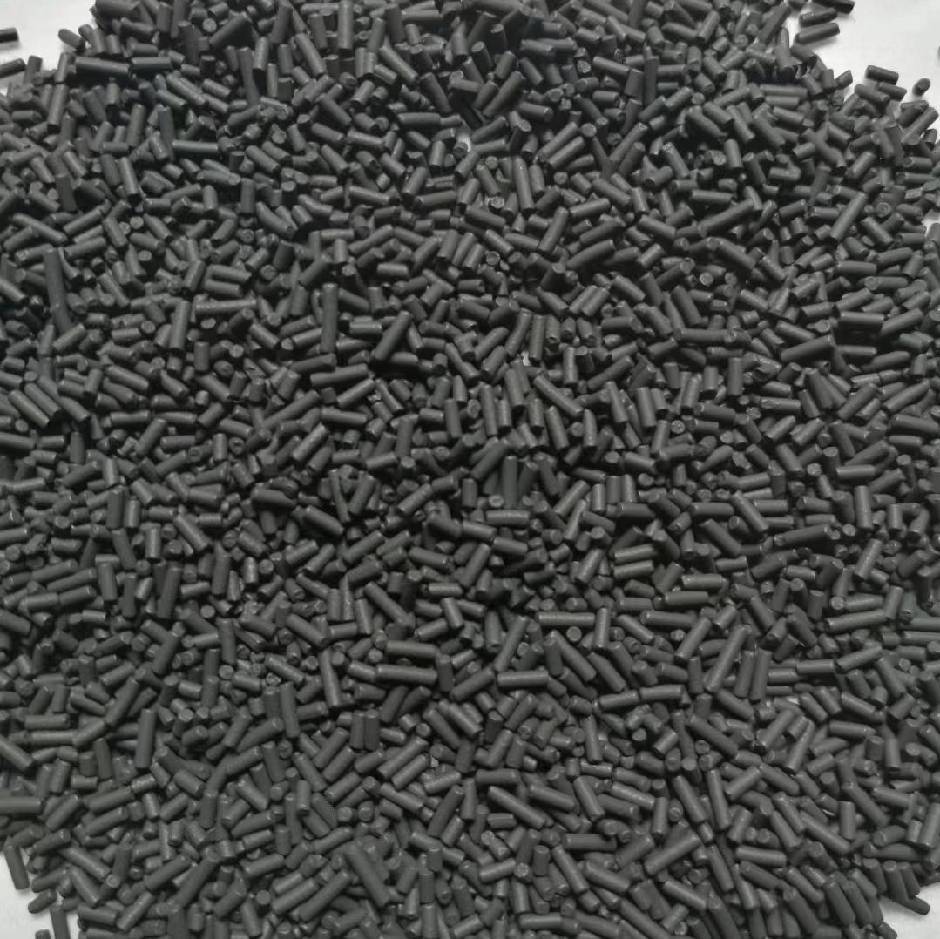
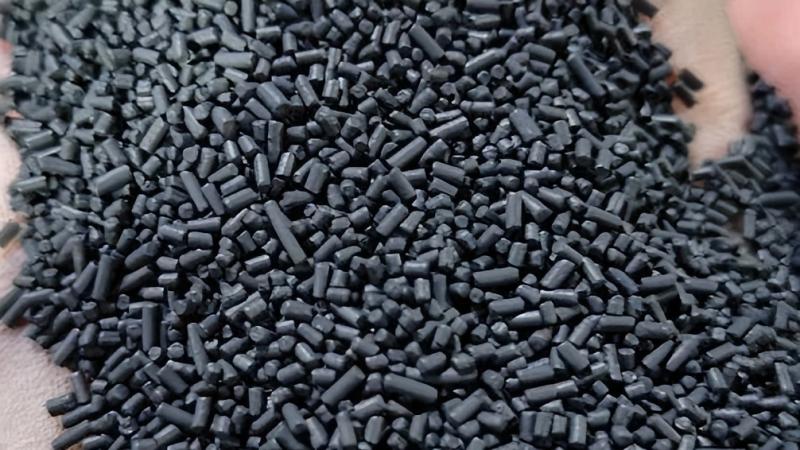
Carbon molecular sieve technology efficiently separates and purifies gases and is widely used across numerous industries. YUANHAO Company produces specialized carbon molecular sieve products that help improve nitrogen purity. The global carbon molecular sieve market is projected to reach $2.5 billion by 2024. The demand for cleaner gases and increased focus on environmental protection are driving market growth.
- Industries that use carbon molecular sieve are:
- Natural gas processing
- Air separation jobs
- Cleaner energy solutions
| Application | End-Use Industry |
|---|---|
| Biogas Upgrading | Chemical Processing |
| Hydrogen Purification | Oil & Gas |
| Natural Gas Purification | Petrochemical |
| Nitrogen Generation | Power Generation |
| Oxygen Enrichment | Water Treatment |
Key Takeaways
- Carbon molecular sieves are crucial for many industries, including food, pharmaceuticals, and electronics. They help improve gas purity, thereby enhancing plant safety and production efficiency.
- The carbon molecular sieve market is growing rapidly. There is a strong demand for cleaner energy and more efficient gas separation methods. Companies that utilize these new products will reap significant benefits.
- The manufacturing process of carbon molecular sieves is constantly being improved, resulting in better performance. This means lower costs and less waste, while also benefiting environmental protection.
Carbon Molecular Sieve Basics
What Is a Carbon Molecular Sieve?
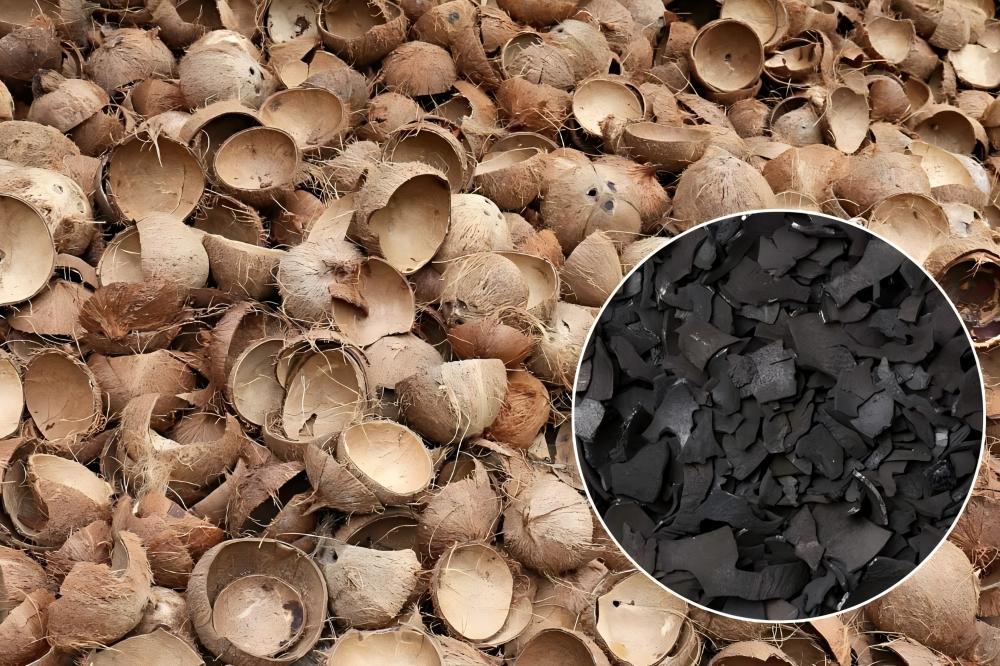
Carbon molecular sieves are a special material used for gas separation. Scientists manufacture carbon molecular sieves using raw materials such as coconut shells or coal. They heat these materials, causing them to form a solid, black solid. The surface of this solid is covered with tiny pores called micropores. The size of these micropores is less than two nanometers. The size and shape of the pores determine whether the molecular sieve can trap some gas molecules, while others can pass through.
Carbon molecular sieves differ from other materials used for gas separation. They have unique structures and properties:
- They possess a network of countless tiny pores.
- They separate gases by the difference in molecular velocity.
- They utilize weak interactions called van der Waals forces to trap gas molecules.
- The size of the pores depends on the material used to manufacture them.
These properties make carbon molecular sieves extremely useful in industries that require pure gases.
How Carbon Molecular Sieves Work
Carbon molecular sieves trap certain gas molecules within their tiny pores. When a gas mixture flows through the sieve, smaller molecules (such as nitrogen) move faster and are more easily trapped. Larger molecules (such as oxygen) move slower and pass through the sieve. This process is called kinetic selectivity.
Molecular sieves employ a method called adsorption. They do not use chemicals or high temperatures. They rely on the size and velocity of the gas molecules. This allows carbon molecular sieves to safely and efficiently separate gases. Many companies use these molecular sieves to produce pure nitrogen for factories, hospitals, and laboratories.
History and Milestones of Carbon Molecular Sieves
Early Development of Carbon Molecular Sieves
Scientists began researching carbon molecular sieves in the 1970s to improve gas separation efficiency. Initially, they used materials such as coconut shells and coal, which became the main components of early molecular sieves. Researchers heated these materials in a specially designed furnace, causing them to form a robust solid with numerous micropores. These micropores help the molecular sieve trap specific gas molecules. Over the years, engineers have continuously improved this process.
Key Advances in CMS Technology
Numerous significant advancements have driven progress in carbon molecular sieve technology. New sieve manufacturing methods have optimized pore shapes. Scientists have employed a method called controlled pyrolysis of polymers, operating under specific conditions. This allows sieves to more easily separate different gases. The manufacture of composite materials and modified sieves has also improved their performance. Engineers are constantly adding new materials and surface treatment technologies.
Today, advanced materials science and artificial intelligence are crucial. Companies are leveraging AI to design sieves with superior performance. These new ideas are fueling growth in the pure gas market.
| Technological Milestone | Description |
|---|---|
| Innovations in Manufacturing Methods | Controlled pyrolysis of polymeric precursors under inert atmospheres creates microporous carbon structures tailored for molecular discrimination. |
| Development of Composite and Modified CMS | Incorporation of additional materials and surface treatments enhances selectivity, capacity, and durability. |
| Integration of Advanced Materials Science and AI | Established corporations leverage advanced materials and AI-driven optimization for improved efficiency in gas separation applications. |
Note: Every milestone in carbon molecular sieve development has made gas separation better and more dependable for many industries.
Industrial Applications of Carbon Molecular Sieves

Nitrogen Generation and PSA Systems
Nitrogen generation is a crucial application of carbon molecular sieve technology. Many factories require pure nitrogen for safe and efficient operation. Pressure swing adsorption systems utilize carbon molecular sieves to extract nitrogen from the air. These systems help food companies, electronics manufacturers, and other factories obtain the nitrogen they need.
YUANHAO manufactures different types of carbon molecular sieve products for these systems. The CMS-220 model is suitable for general nitrogen generators. The CMS-330 model is faster and produces high-purity nitrogen. This is crucial for manufacturing products such as computer chips. These products help businesses generate nitrogen in an energy-efficient and environmentally friendly manner.
In addition, there are other nitrogen generation methods, such as membrane separation and cryogenic distillation. These methods are either less expensive or easier to operate. Nevertheless, many companies still choose carbon molecular sieves because of their reliable performance and ability to produce very pure nitrogen.
YUANHAO’s CMS products help make nitrogen better by having special pore sizes and high adsorption rates. This means each company gets the right mix of purity, efficiency, and cost.
Uses in Energy and Environment
Carbon molecular sieves help save energy and protect the environment. They reduce pollution by capturing carbon dioxide in factories. Many companies use these sieves to purify and separate gases. This helps factories operate more efficiently and reduce costs.
Food producers, power plants, and new energy companies are all using carbon molecular sieves. These sieves help purify exhaust gases, purify fuel cell gases, and improve energy storage efficiency. Using carbon molecular sieves can lead to cleaner air and more efficient energy use.
- Carbon molecular sieves help with:
- Separating and cleaning gases in power plants
- Lowering pollution in chemical factories
- Helping food and energy companies save energy and be greener
YUANHAO uses advanced ways to control the size of the holes and the surface of their sieves. This means their products can fit each job, like energy storage or cleaning exhaust gases.
Applications in Pharmaceuticals and Electronics
Pharmaceutical and electronics companies need very pure gases and dry conditions. Carbon molecular sieves help separate and clean gases for these careful jobs.
| Application Area | Description |
|---|---|
| Pharmaceutical Manufacturing | Nitrogen keeps drug making and packaging safe and stable. |
| Electronics | Gives safe air for making sensitive electronic parts. |
| Performance Requirement | Importance |
|---|---|
| Moisture Management | Needed to keep drugs safe from water and temperature changes. |
| Reliability | Very important for making good, long-lasting medicine. |
In medicine, carbon molecular sieves keep labs and pharmacies dry. They help control water during drug making. In electronics, these sieves make safe air that protects small parts from harm.
YUANHAO’s CMS products are reliable and can be changed to fit each job. They can change the size of the holes and the surface to give the best results. This helps make good medicine and advanced electronics.
Carbon molecular sieves can be made to fit special gases and jobs. This is important for companies that need pure nitrogen, better energy use, and strict quality.
United States Carbon Molecular Sieve Market
Market Size and Growth Trends
The US carbon molecular sieve market is growing year by year. Experts predict that the market will grow at a rate of approximately 5.3% annually from 2025 to 2035. This is because more and more people are looking for more efficient gas separation methods. The carbon molecular sieve market is significant globally. Major companies are investing in improving the advancement and reliability of the technology. Many enterprises use carbon molecular sieve products to produce nitrogen and other clean gases. Both traditional and emerging industries are driving market growth.
The united states carbon molecular sieve market is important because it helps companies that need pure gases and care about the environment.
Key Drivers and Challenges
There are many reasons for the growth of the US carbon molecular sieve market. Steel mills and automobile plants require high-purity nitrogen. Carbon molecular sieve products utilize pressure swing adsorption (PSA) technology to provide this high-purity nitrogen. Their high specific surface area and micropores contribute to efficient gas separation and reduced energy consumption. Companies need solutions that are both cost-effective and environmentally friendly. New technologies are expanding the application range of carbon molecular sieve products.
The market also has some problems. Making these products costs a lot. The process to reuse them uses a lot of energy. Other materials like activated carbon make it harder to compete. Prices for raw materials can change a lot. Companies must make sure their products are good, not too expensive, and work well.
Main Drivers:
- Steel and car factories need pure nitrogen gas
- Carbon molecular sieve works well with PSA technology
- High surface area and tiny holes help separate gases
- People want to save energy and be green
- New technology means more uses
Primary Challenges:
- Making the products costs a lot
- Reusing them uses a lot of energy
- Other materials compete with carbon molecular sieve
- Prices for materials can change
Companies like YUANHAO use new ways to make products and solve these problems for the united states carbon molecular sieve market.
Market Segmentation by Application
The US carbon molecular sieve market has a wide range of applications, with air separation being the fastest growing sector. Nitrogen is needed in food packaging, electronics, and metal processing plants. Other applications, such as natural gas desulfurization, hydrogen purification, petrochemicals, and pharmaceuticals, are also driving market growth.
Application Segments:
- Air separation
- Natural gas sweetening
- Hydrogen purification
- Petrochemicals
- Pharmaceuticals
| Segment | Growth Rate | Key Industries |
|---|---|---|
| Air Separation | Fastest | Food, Electronics, Metal |
| Natural Gas Sweetening | Moderate | Oil & Gas |
| Hydrogen Purification | Moderate | Energy, Chemicals |
| Petrochemicals | Steady | Chemical Processing |
| Pharmaceuticals | Steady | Healthcare, Drug Manufacturing |
Air separation is used the most and makes the most money. This part helps the united states carbon molecular sieve market grow. Companies like YUANHAO make special products for each use. This helps the market get bigger and better.
The united states carbon molecular sieve market keeps changing as companies want better ways to separate gases. YUANHAO’s smart ideas and good products help these growing parts of the market.
Innovations in Carbon Molecular Sieves
Advances in Manufacturing and Materials
Manufacturers have made significant innovations in the production process of carbon molecular sieves. They have adopted new methods to control the size and shape of micropores, including polymer carbonization, controlled pyrolysis, and special activation steps. By altering temperature and air conditions, they can create molecular sieves with precisely pore sizes, resulting in better gas separation.
- The new molecular sieve manufacturing process improves purity and quality.
- Better gas separation performance translates to lower production costs.
- The improved process reduces waste and increases material utilization.
New materials also enhance the performance and extend the lifespan of carbon molecular sieves. Composite structures and surface modifications enhance the strength and selectivity of molecular sieves. Smart methods such as template methods and chemical vapor deposition help control pore size. These improvements enable molecular sieves to perform more tasks and extend their service life.
Case Studies and Real-World Impact
YUANHAO uses advanced ways to make carbon molecular sieve products for many industries. Their careful pore control and shaping help companies get the right purity and speed for gas separation. YUANHAO’s products help factories, power plants, and medical labs.
Helping the environment is a big part of new technology. New ways to make sieves use renewable energy and cut the carbon footprint by about 35%. Better regeneration means less waste and better use of materials. Carbon molecular sieves help catch carbon and clean water by taking out harmful things.
| Innovation Type | Description |
|---|---|
| Enhanced Production Methods | Uses renewable energy, lowers carbon footprint by 35%. |
| Improved Regeneration Capabilities | Boosts efficiency, reduces waste. |
| Applications in Carbon Capture | Cuts emissions, improves air quality. |
| Water Purification Applications | Removes pollutants, supports sustainability. |
Carbon molecular sieve technology helps the market grow and supports sustainability in many industries.
Future Prospects for Carbon Molecular Sieves
Ongoing Research and Development
Scientists and engineers are always looking for ways to make carbon molecular sieve technology better. They want to separate gases faster and for less money. Some new ideas are:
- Modular and scalable CO2 removal systems. These systems can work in many factories and help cut down pollution.
- Better ways to reuse adsorbents. These ways let companies use sieves again and spend less.
- Using renewable energy with carbon capture. This mixes solar or wind power with carbon capture to lower pollution.
Researchers are also making hollow fiber membranes with strong pores. These membranes help pull hydrogen out from other gases. They change ultramicropores to make hydrogen and carbon dioxide separation work better. Using two kinds of pore sizes and H2-assisted carbonization makes bigger pores, which helps the sieves work even better.
Role in Sustainable Industry
Carbon molecular sieves are important for helping factories be greener. Gas separation helps factories make cleaner air and create less waste. In 2021, gas separation was over 40% of the world market money. This part will grow fast as more companies want to be green.
Many companies now try to use less and recycle more. They use ways to cut waste and use resources better. Recovery and regeneration steps help sieves last longer.
| Role of Carbon Molecular Sieves | Impact on Carbon Emissions and Regulations |
|---|---|
| Gas Separation and Purification | Needed for catching and splitting gases, which lowers emissions and helps the planet. |
| Compliance with Environmental Regulations | Must follow strict rules that support green manufacturing. |
| Lifecycle Environmental Impact | Companies need to recycle and recover materials. |
The market for carbon molecular sieve products will probably get bigger as factories look for cleaner ways to work. In the future, products will work better, use more renewable energy, and help protect the environment even more.
Carbon molecular sieve technology changes how companies clean and split gases. The market gets bigger when new materials and ways are found.
- Opportunities: better ways to separate gases, more uses, and using renewable energy
- Challenges: making enough products, high prices, and lots of energy needed
YUANHAO is a leader with new ideas and helps make the world cleaner.